
Request Your Free Window Quote
Simply fill in your details for your free, no obligation quotation
When to Choose Which
Cost Difference Between Aluminium and UPVC Windows
If standard window sizes won’t do and larger windows are demanded, consider that they’ll harness extra material, need stronger framing and added glazing support, which will raise the product cost. Any customisation may also bring further expense.
The cost of aluminium windows vs UPVC UK will be influenced by the choice of glazing too and the amount of thermal efficiency you seek. While high-performance glazing increases cost, don’t forget that it’ll usher amplified insulation and warmth.
Specifying a standard colour finish generally keeps price down, but for something outside of the standard palette, or in the case of powder-coated aluminium finishes, production costs go up. The same applies to dual-coloured finishes.
More cost tends to be involved if an installation entails some structural alteration, bespoke shaping or site access is tricky.
The upfront cost of aluminium windows is normally more expensive than UPVC windows, but they justify it. You’ll be getting incredibly durable frames, with greater strength, that can occupy openings for decades.
Will I Save Money in the Long Run?
You will, but to what extent is subject to different factors – energy efficiency and durability being two of the biggest.
The windows u value of a UPVC window containing double or triple glazing is low, denoting quality thermal performance. For the most part, a modern UPVC system achieves a U-value of about 1.2 W/m²K and a modern thermally broken aluminium system tends to accomplish a figure close to that.
Usually, aluminium windows outlast UPVC windows, sometimes by a decade or so. It’s conceivable for them to endure for 30-40 years, maybe longer, owing to their excellent weather-resistance, amongst other things.
That’s not to say that UPVC frames have a short lifecycle, as it isn’t true, but they usually need replacing more quickly than aluminium frames, which has cost implications.
Make allowances for the higher cost of aluminium, noting its longevity and robustness, and don’t lose sight of how little upkeep the material commands. Aluminium’s more premium aesthetic often sways buyers into happily paying more.
You’ll find appeal in UPVC if aluminium is outside your budget and can still anticipate it offering top-class thermal performance and having cheap running costs.
Which Windows Last Longer and Need Less Maintenance?
Aluminium windows have the edge for longevity when talking about how long do windows last, but UPVC windows are on a par with them so far as maintenance is concerned, which is extremely minimal in respect of both materials.
30-40 years, possibly more, is the potential lifespan of aluminium windows. Attribute that to their immense strength, the foundation of how they manage to combat weathering. A resilient powder-coated finish fends off the manifestation of fading, corrosion and peeling.
On average, UPVC windows last 20-30 years. They too have superb durability and weather-resistance but be wary of sub-par UPVC profiles that can become discoloured, stained and brittle when exposed to sunlight and temperature changes.
Timber takes a lot of looking after, in stark contrast to aluminium and UPVC, which only need the following bits of irregular care:
- Wipe down the frames and glazing using a soft non-abrasive cloth and mild soapy water
- Keep the window components lubricated (only necessary every few months)
- Check on the seals and gaskets now and again
Which Windows Are More Secure?
With proper specification, meaning the inclusion of dependable locking and glazing, aluminium and UPVC windows can each realise first-rate security.
It’s unusual for contemporary aluminium or UPVC energy efficient windows not to incorporate multi-point locks, which engage a window frame at various points, vastly reducing the possible threat of a forced entry.
Aluminium’s rigidity averts any bending or warping, which is another defence against forced break-ins. Although UPVC doesn’t quite manage to replicate aluminium’s uncompromising toughness, it’s capable of rivalling it for security when a frame incorporates superior hardware and a reinforced lock.
Essentially, window security doesn’t entirely come down to whether frames are UPVC or aluminium. Lock, hinge and glazing quality is as critical to overall security, if not more so.
Will My Home Be Warmer and Greener?
For sure, as the U-value of UPVC windows is somewhere around 1.2 W/m²K and aluminium windows can reach a similar level, signifying exceptional insulation. Just so you know, our UPVC windows achieve an A+ energy efficiency rating, and some of our aluminium windows achieve A-ratings.
The insulating gas between each pane lowers heat loss and in turn, raises warmth and energy savings. An aluminium frame contains thermal breaks, and their job is to disturb heat flow through the material, central to how aluminium emulates the insulation of UPVC.
High-performance windows will harvest abundant warmth in winter and cool your space in summer, making you less dependent on heating and air conditioning systems. A lowering of energy consumption is great for your finances and the planet.
Whichever material you prefer, you’re assured of top-drawer thermal performance.
Consult our article on how to insulate windows for advice about increasing the thermal abilities of energy-efficient designs.
What Do These Windows Look Like and Can They Match My Home?
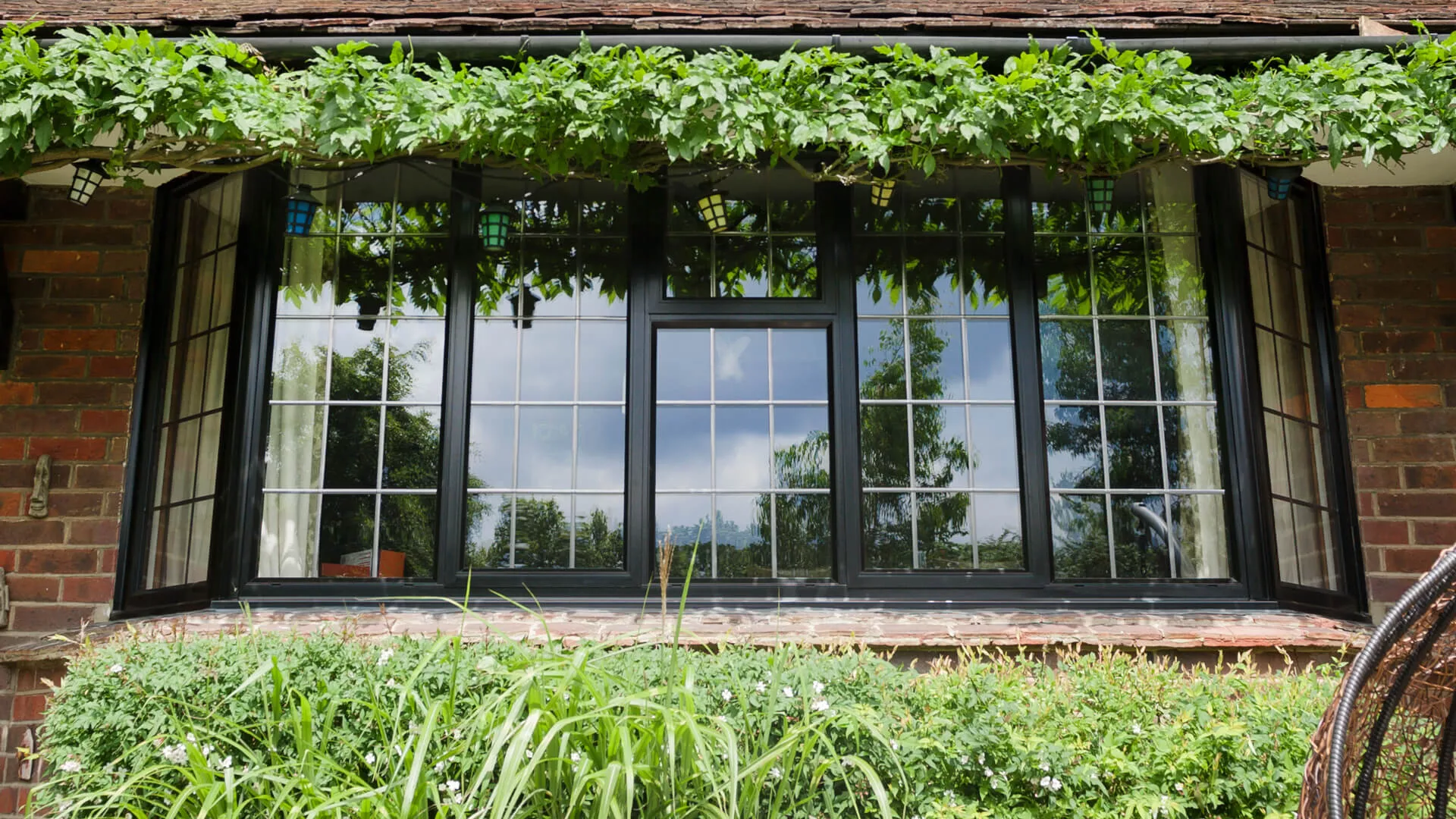
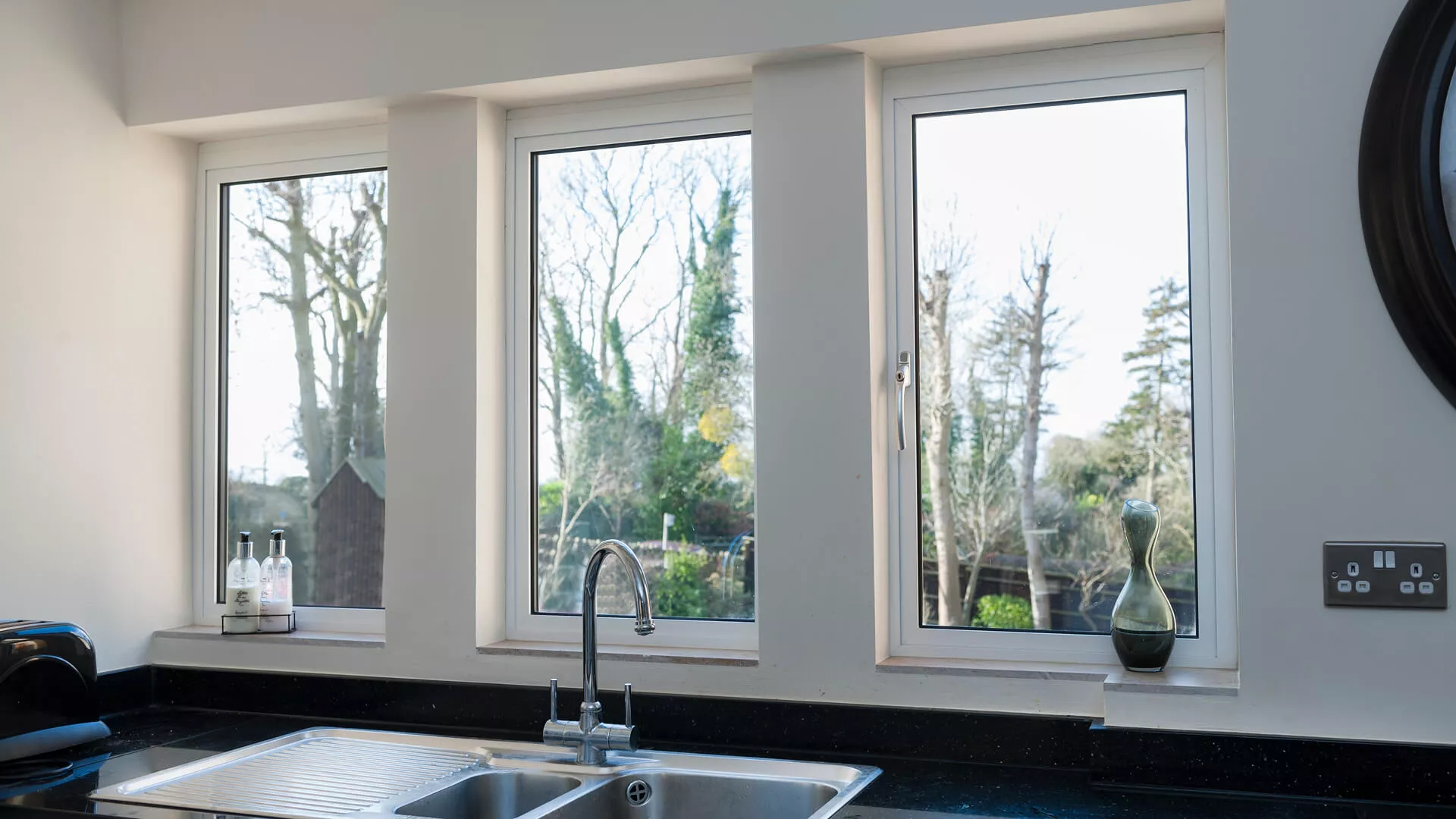
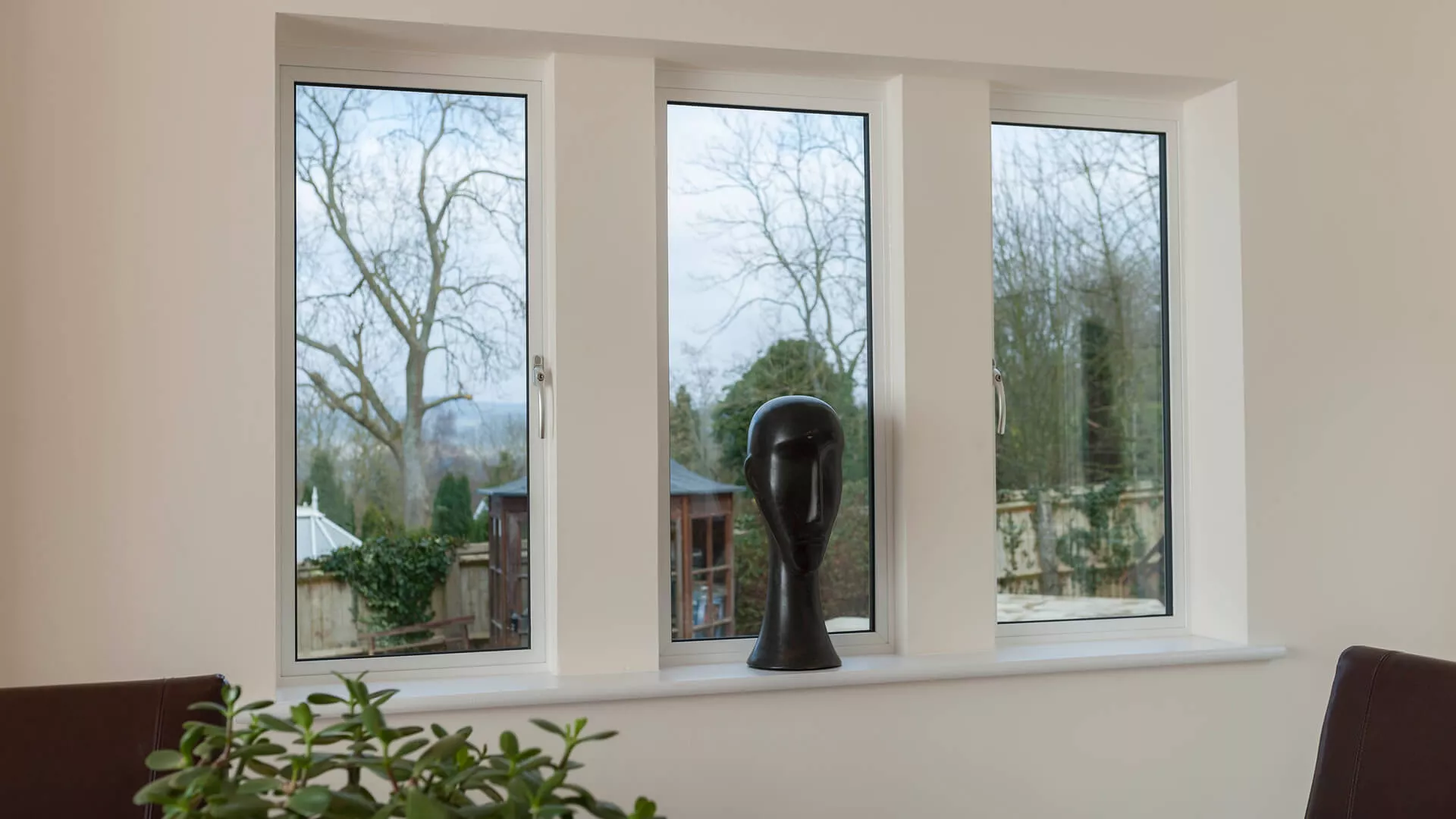
Aluminium windows are the epitome of contemporary elegance, with noticeably slim profiles, maximising sightlines. The vast strength of aluminium enables frames to be ultra-sleek and still capable of supporting large glass panes. Applications of aluminium designs tend to occur at modern properties and in rooms where utmost natural light gain is coveted.
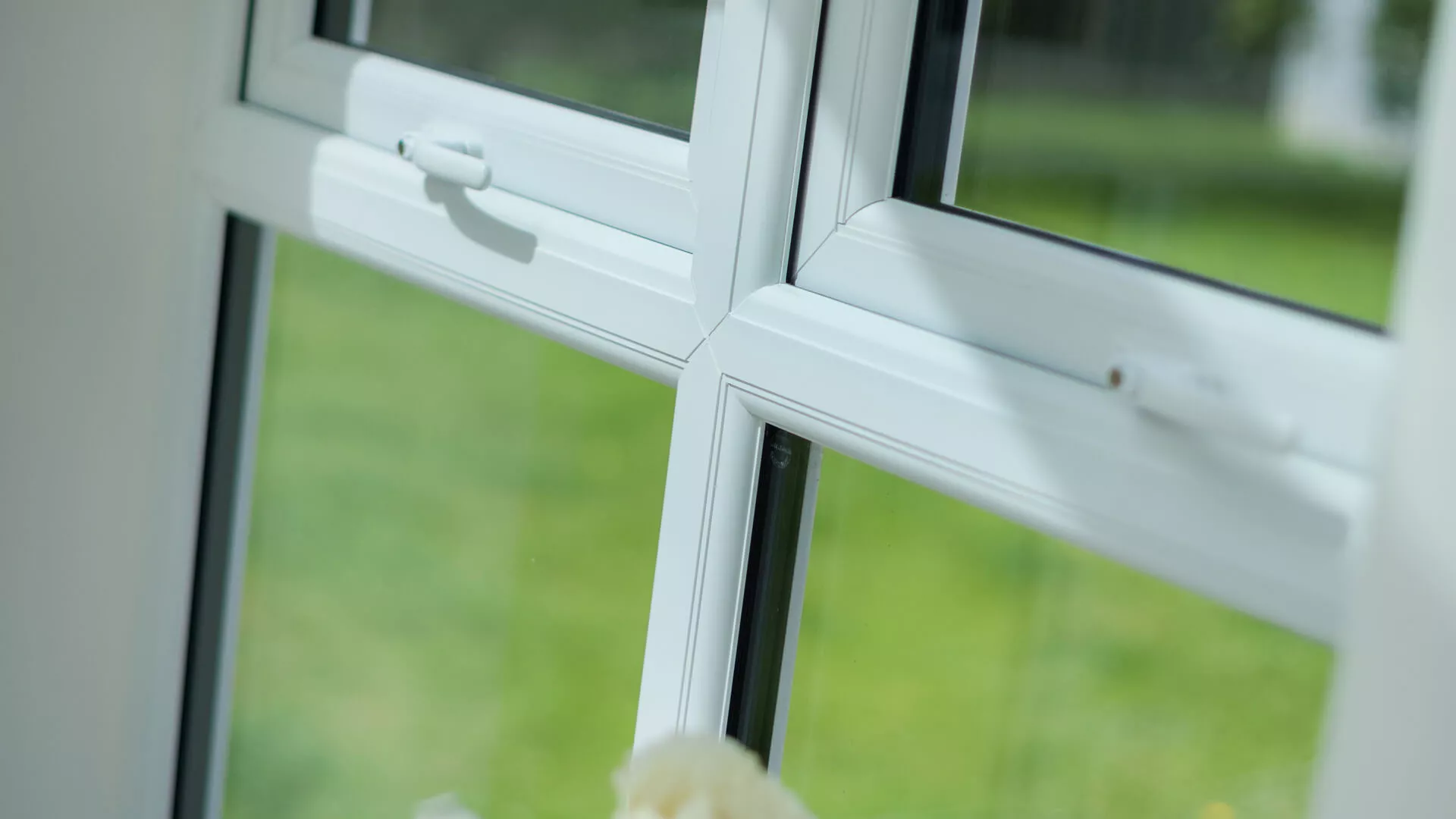
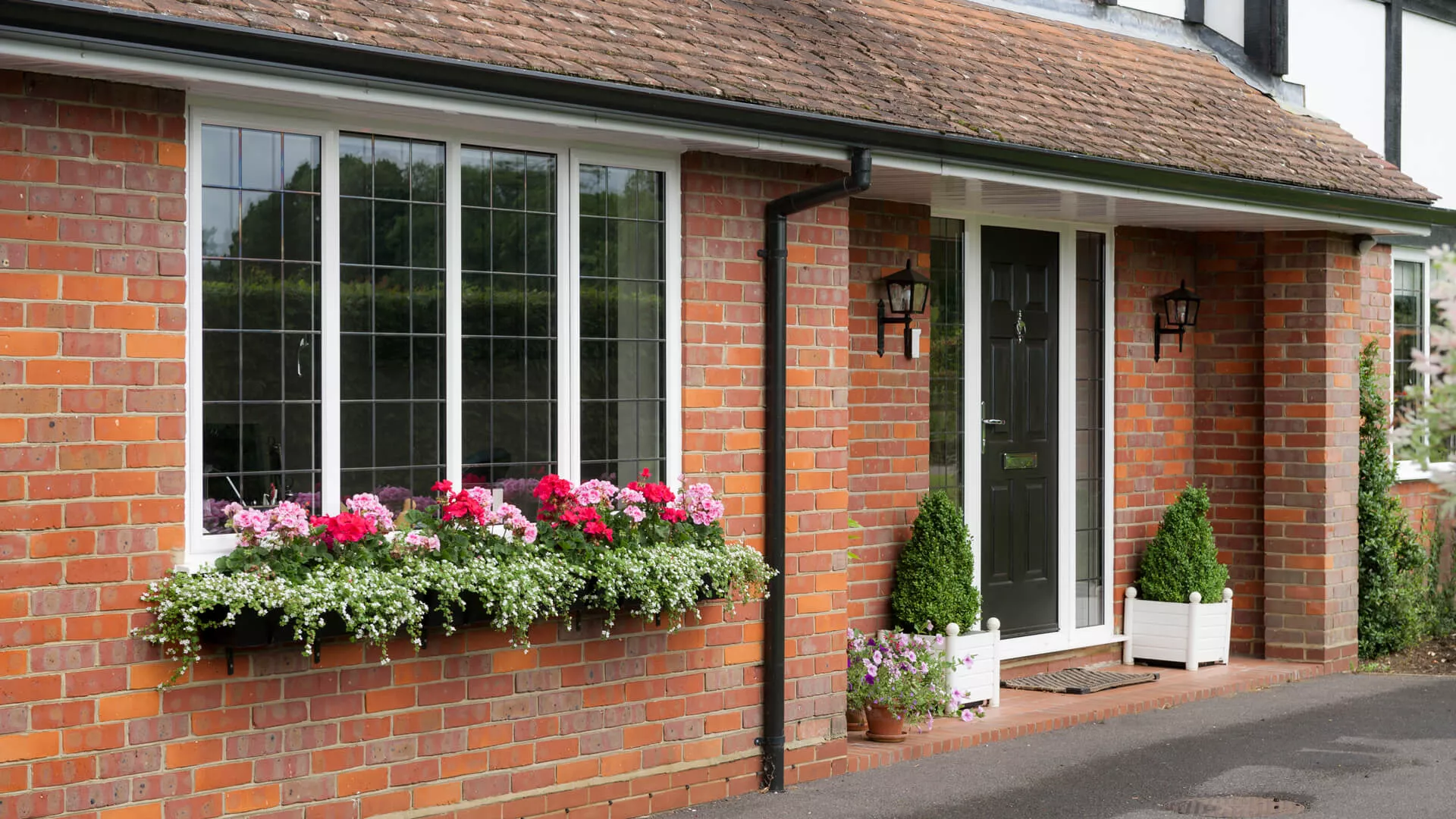
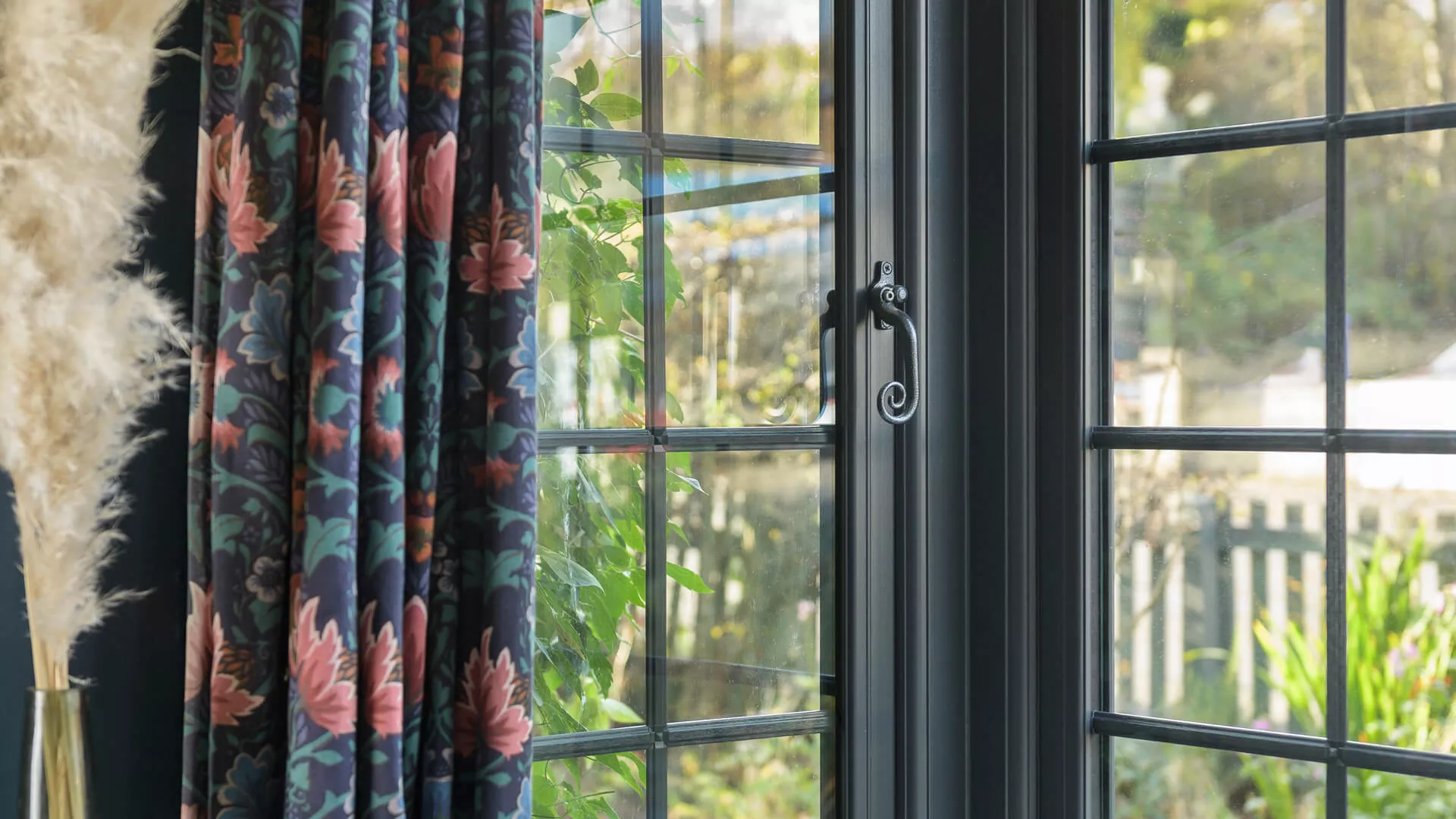
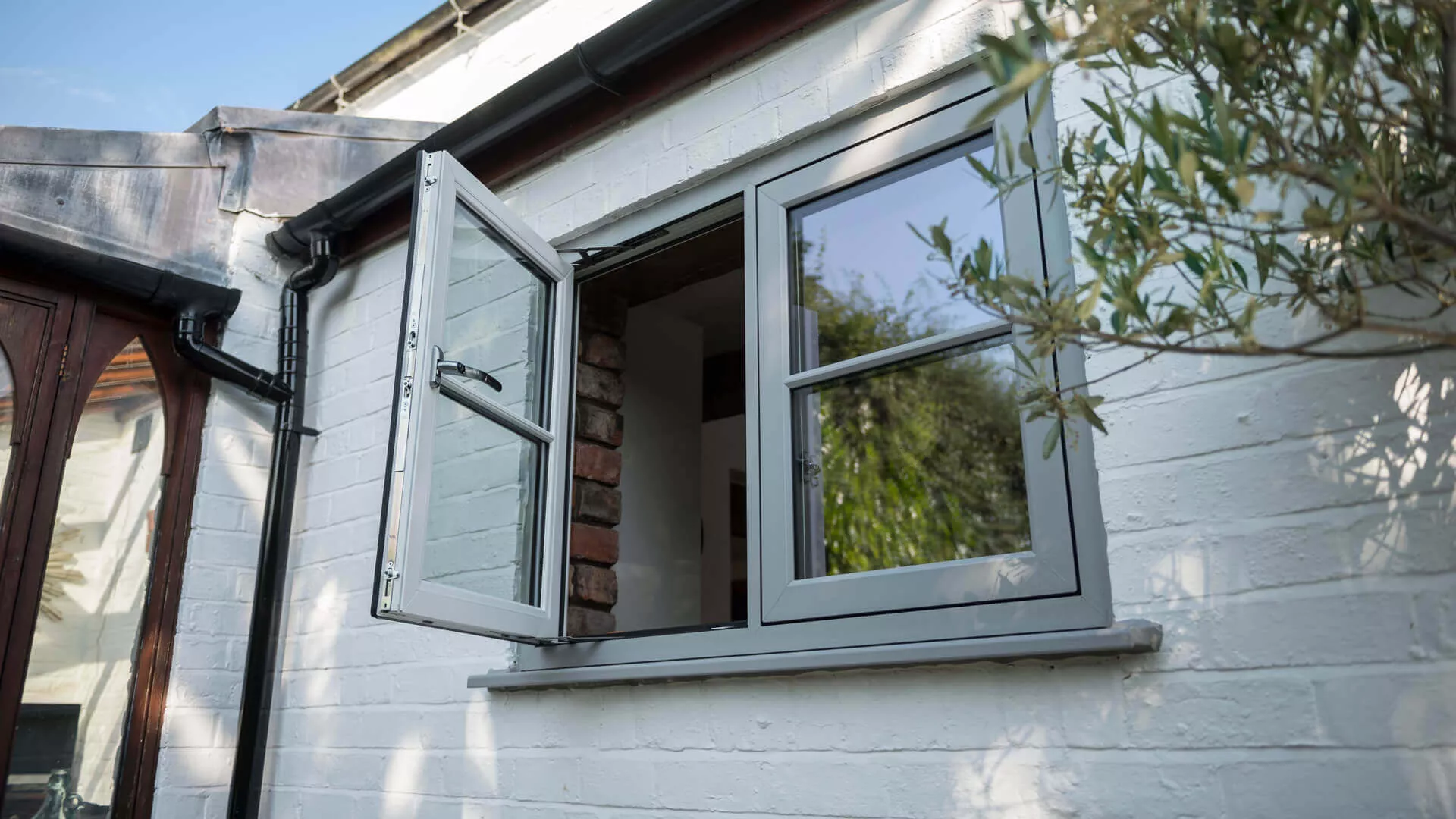
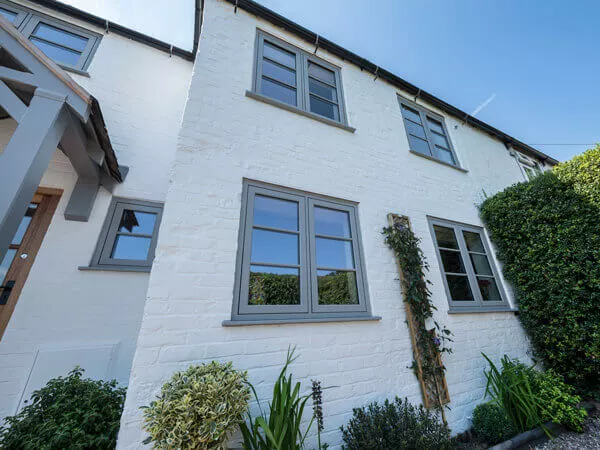
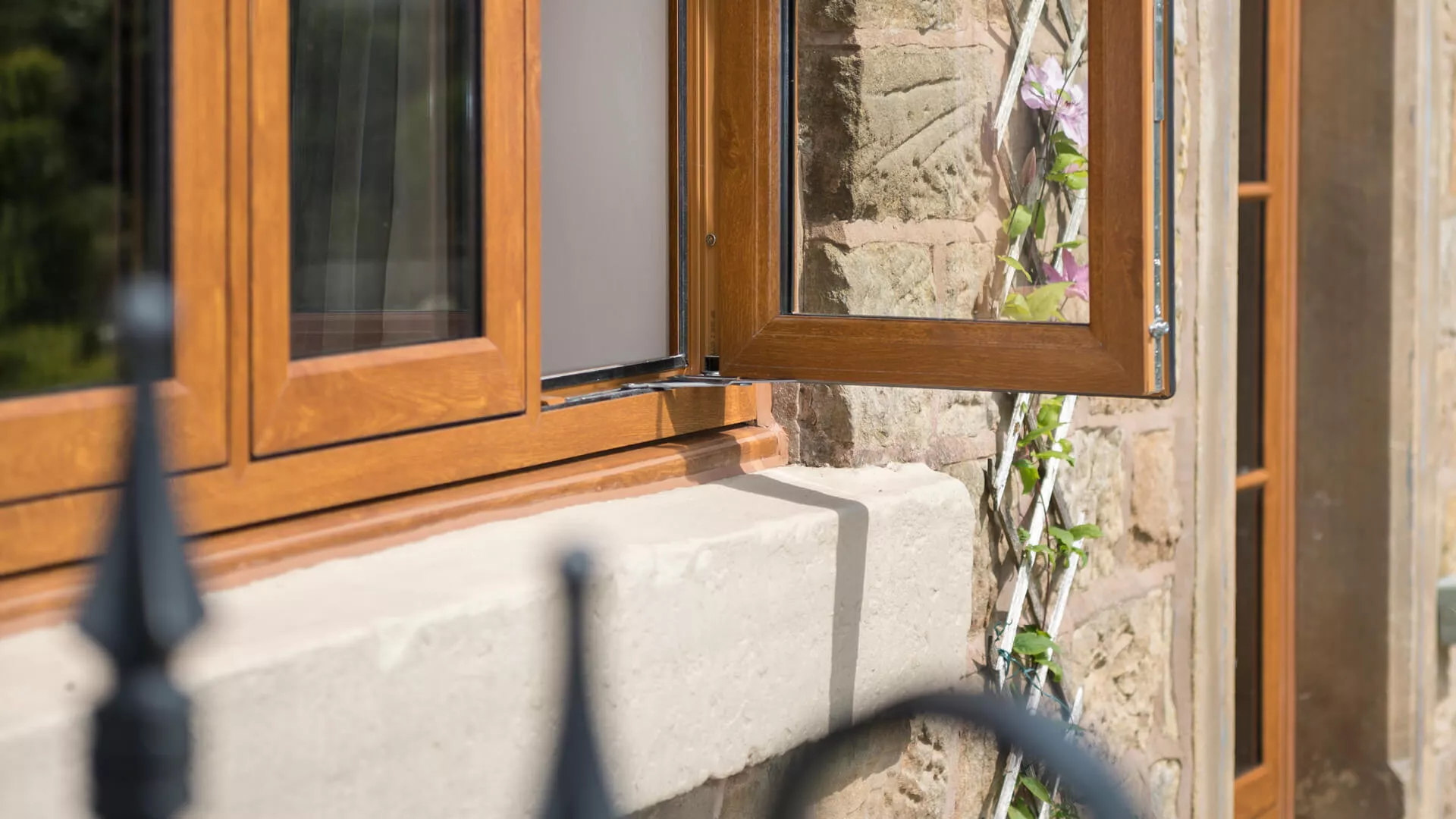
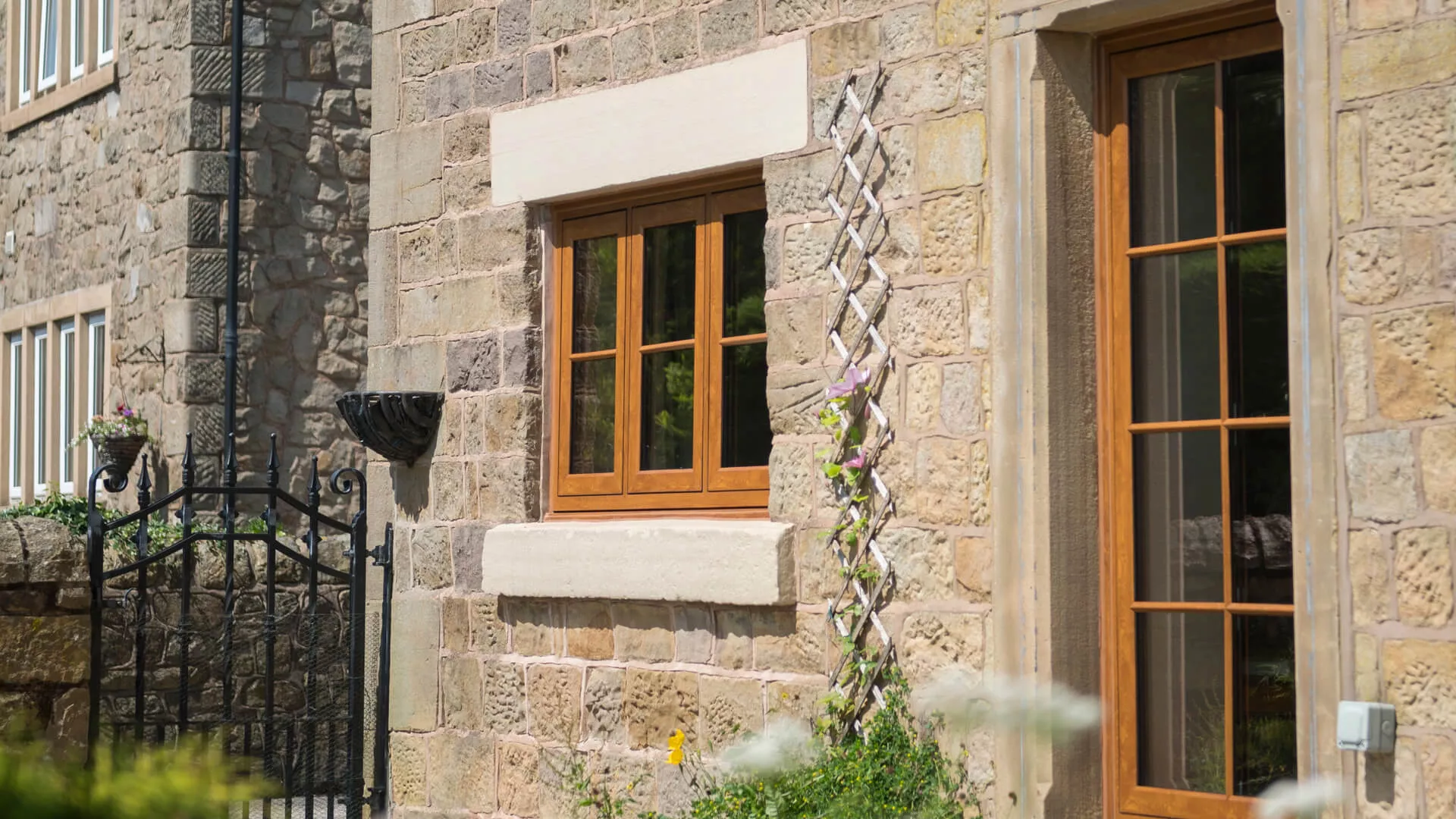
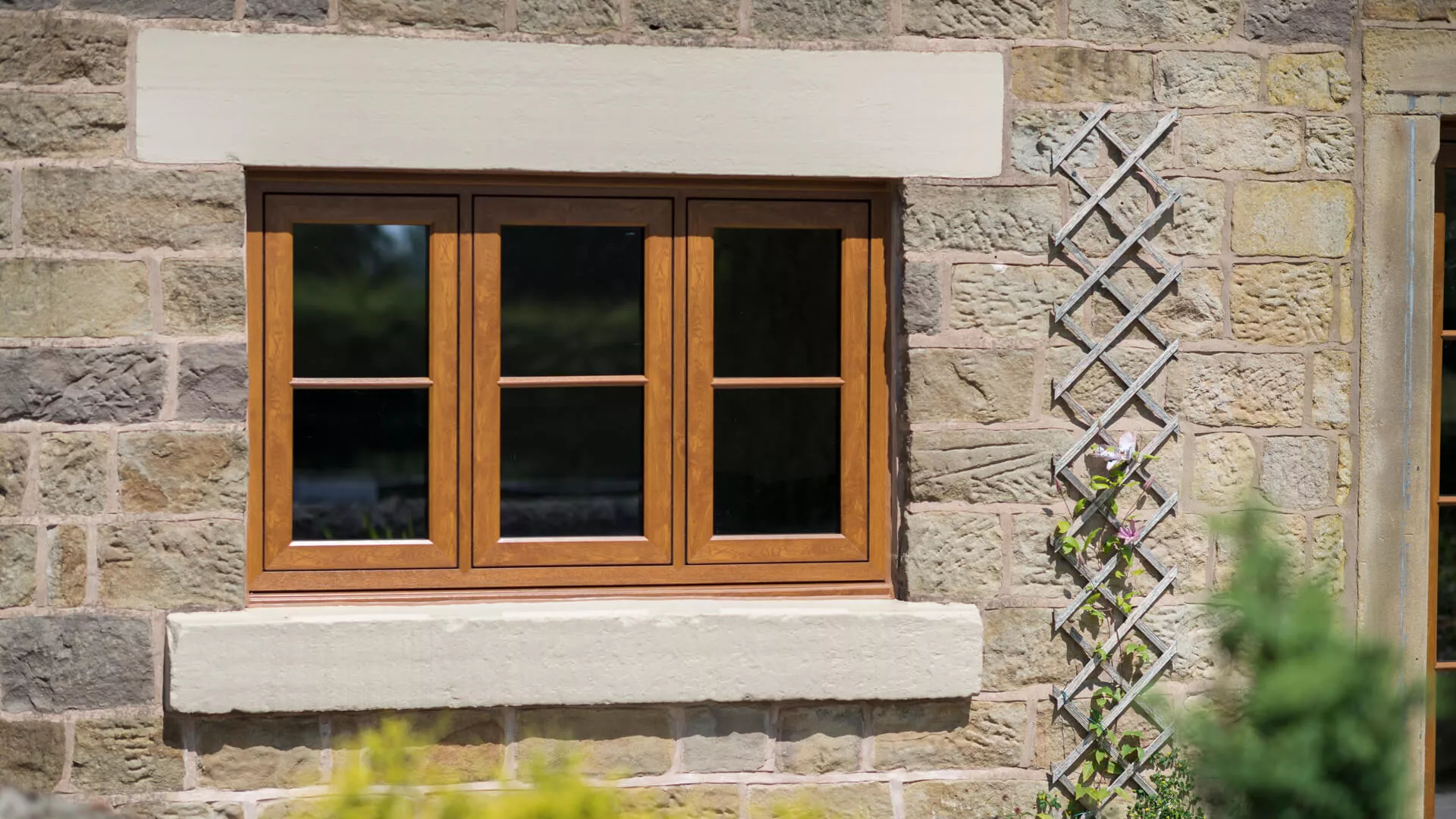
UPVC windows commonly mirror classic wooden frames and befit traditional and period residences. When displaying woodgrain foil finishes, it emphasises their traditional aesthetic, without a requirement for repeated upkeep, like there is with authentic timber designs.
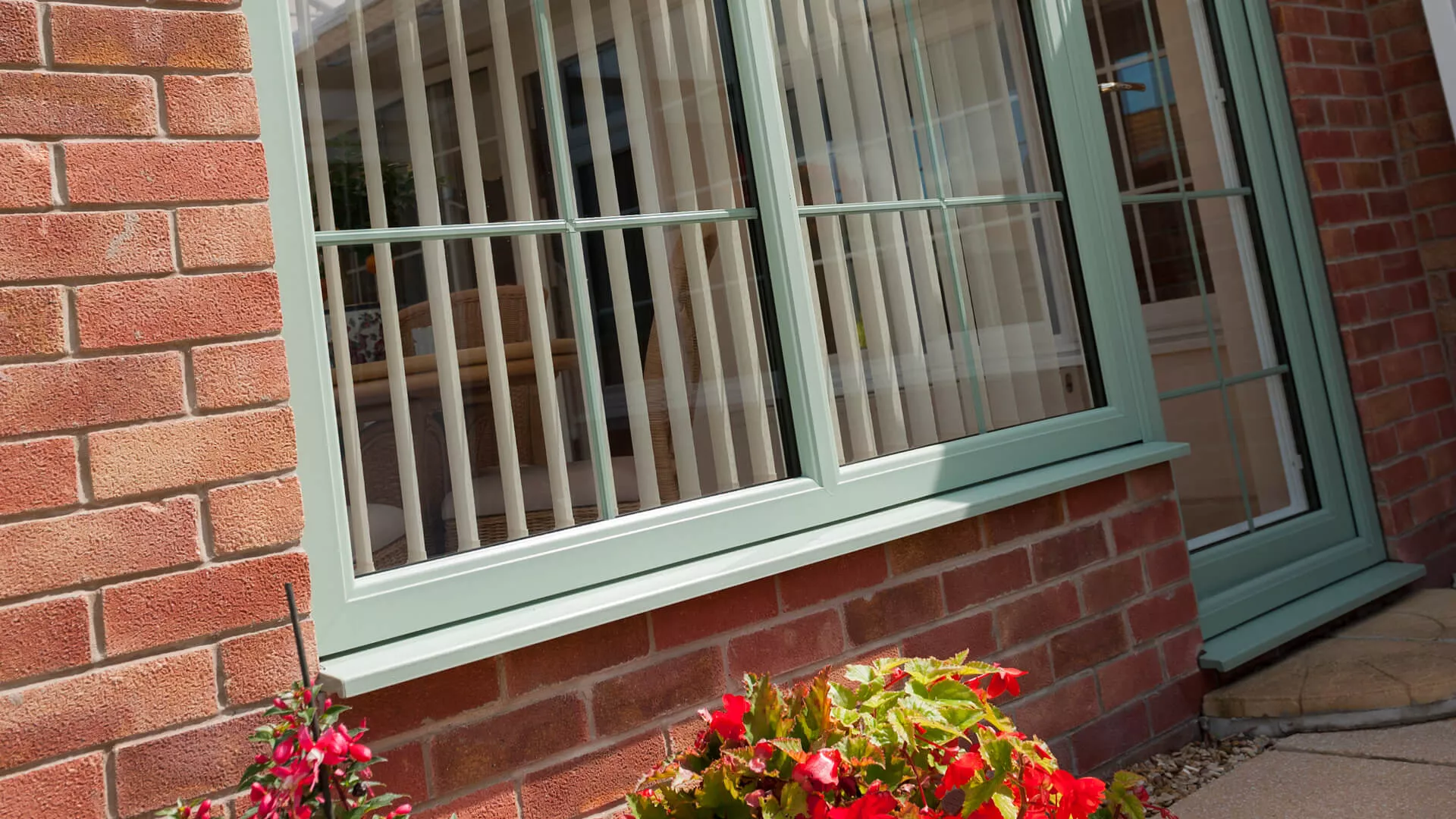
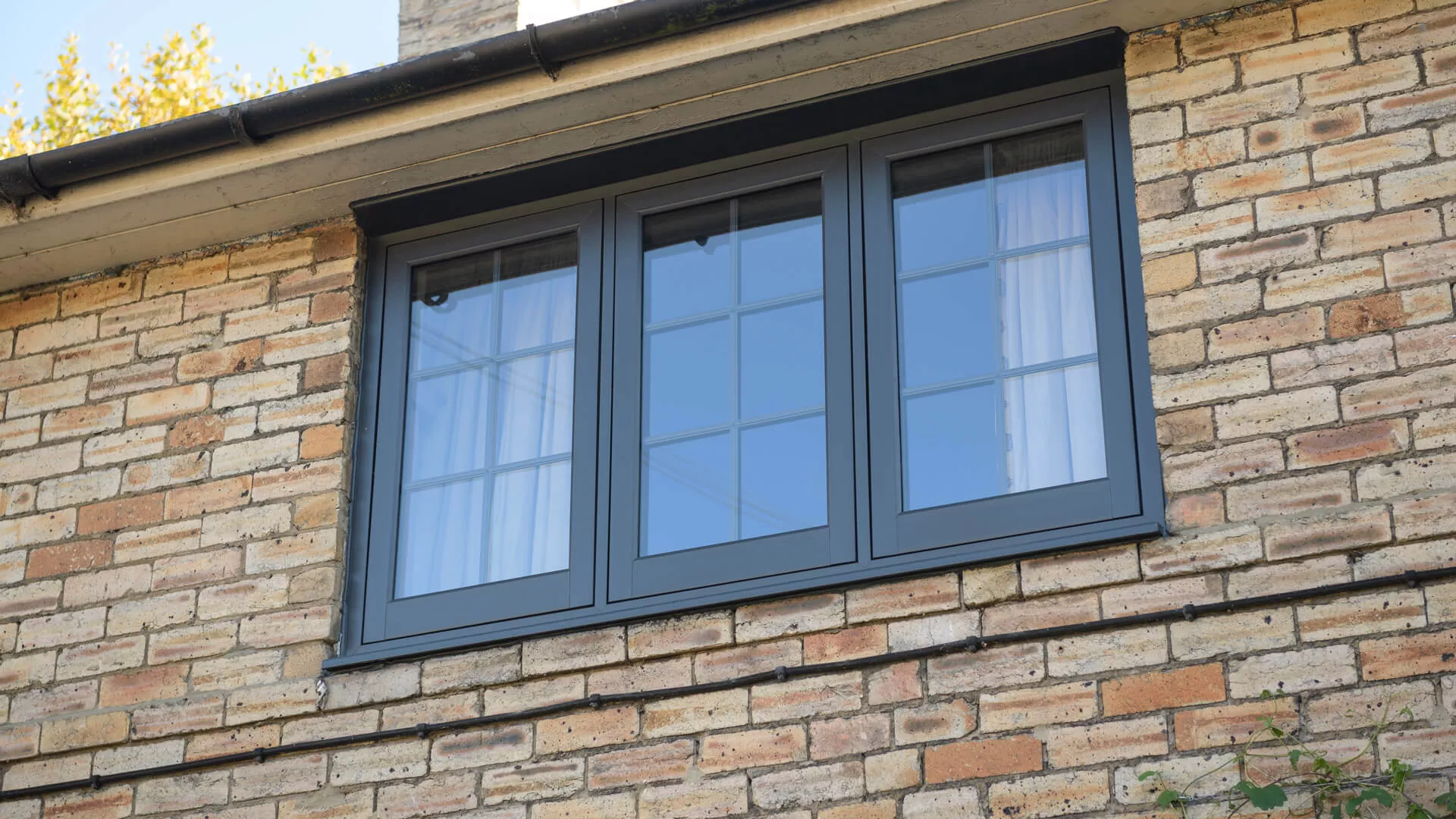
Almost any RAL colour can be powder-coated onto aluminium frames, opening the door to a world of finishes.
Foil finishes for UPVC aren’t as broad, but they incorporate a good variety of woodgrain effects and modern hues.
There’s nothing to say that you can’t combine the two window materials for cost or styling purposes – aluminium bi-fold or sliding doors can exist alongside UPVC window frames elsewhere. Colour matching holds the key to a harmonious look.
How Do I Choose the Right Window Material?
Determining where you side in the ongoing debate about aluminium vs UPVC windows becomes clearer when you focus on what is most meaningful to you.
Going through our priority list will assist:
- Cost
UPVC tends to be more affordable. If you’re happy to pay extra for aluminium’s added robustness and sleeker looks, it may prove a better long-term investment. - Longevity
Aluminium generally outlasts UPVC and retains its strength for its entire life. Despite having a shorter lifespan, UPVC is a quality performer. - Maintenance
Both materials can be regarded as low maintenance. Fading and corrosion will be seen off by aluminium’s powder-coated finish and UPVC only requires an infrequent clean. - Energy Efficiency
Correct specification will help modern thermally broken aluminium and multi-chambered UPVC attain exemplary thermal performance. - Environmental Credentials
Aluminium is infinitely recyclable and lasts decades, while UPVC insulates strongly, minimising energy usage. - Security
Frame material alone isn’t enough to realise window security, as it also relies on secure hardware, such as a multi-point locking system, and glazing too. - Appearance
Modernist fans will be attracted to aluminium and generous sightlines. UPVC can easily echo the unmistakable appearance of traditional timber.
Some extra points to note…
- Obtain quotes from at least three dependable window installers to compare costs and specifications.
- Glean details of U-values, glazing, PAS 24 certification and product guarantees.
- Proceed to a showroom and ask for sight of any completed projects to uncover what’s possible at your home.
Ultimately, one material doesn’t prevail over the other is the truthful answer to the question of UPVC vs aluminium windows which is better – it’s entirely down to what’s the best option for you.
Chat it through with a Hazlemere advisor to discern which you believe comes out on top.






REQUEST YOUR FREE QUOTE
Simply fill in your details for your free, no obligation quotation, and click "Get Quote"
Want to speak with an Advisor? Give us a call on 08000 825 825
Our friendly team will be pleased to help with any questions you may have.