
Request Your Free Window Quote
Simply fill in your details for your free, no obligation quotation
Q1. What is a flush window and how does it differ from a standard casement?
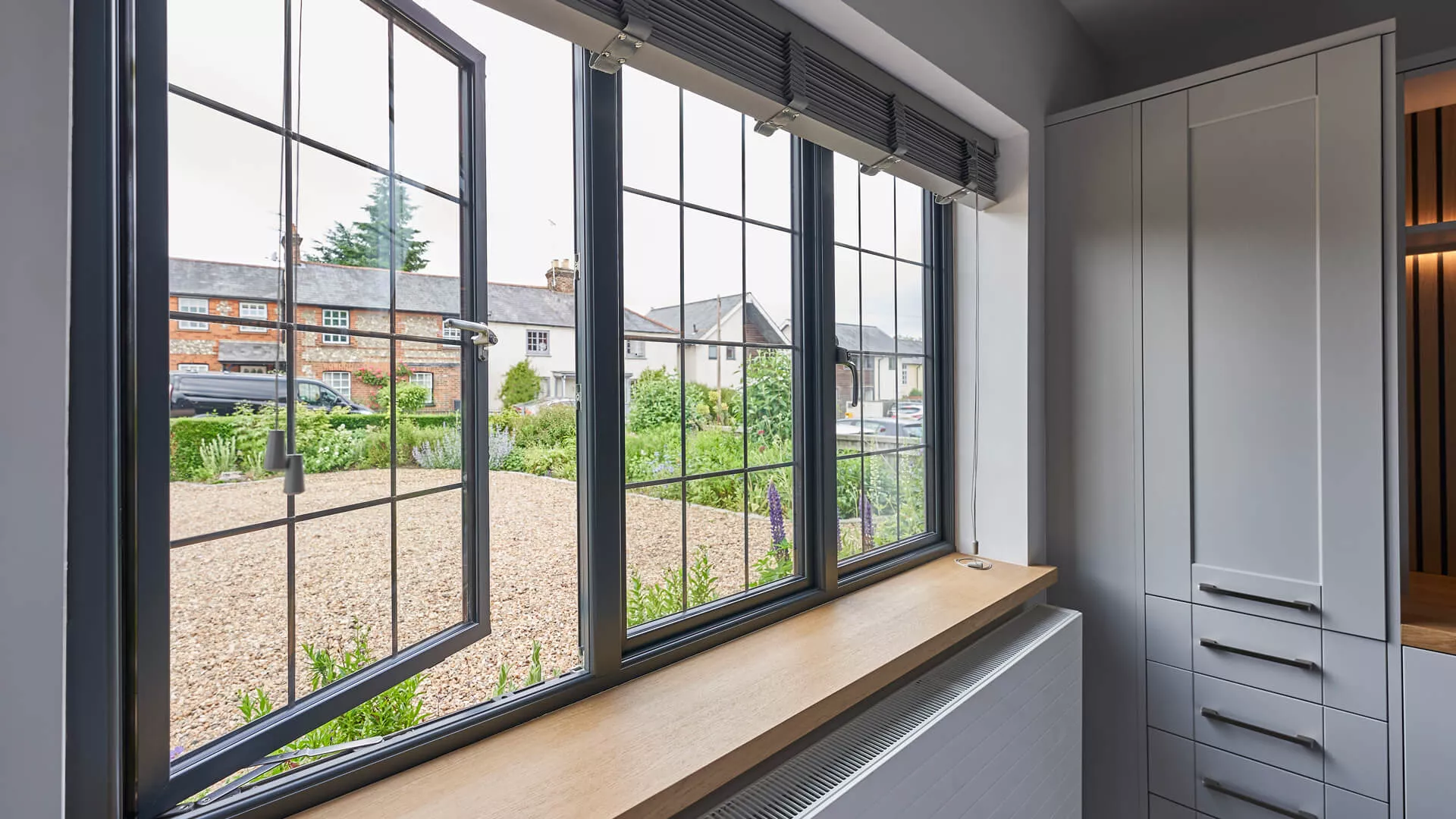
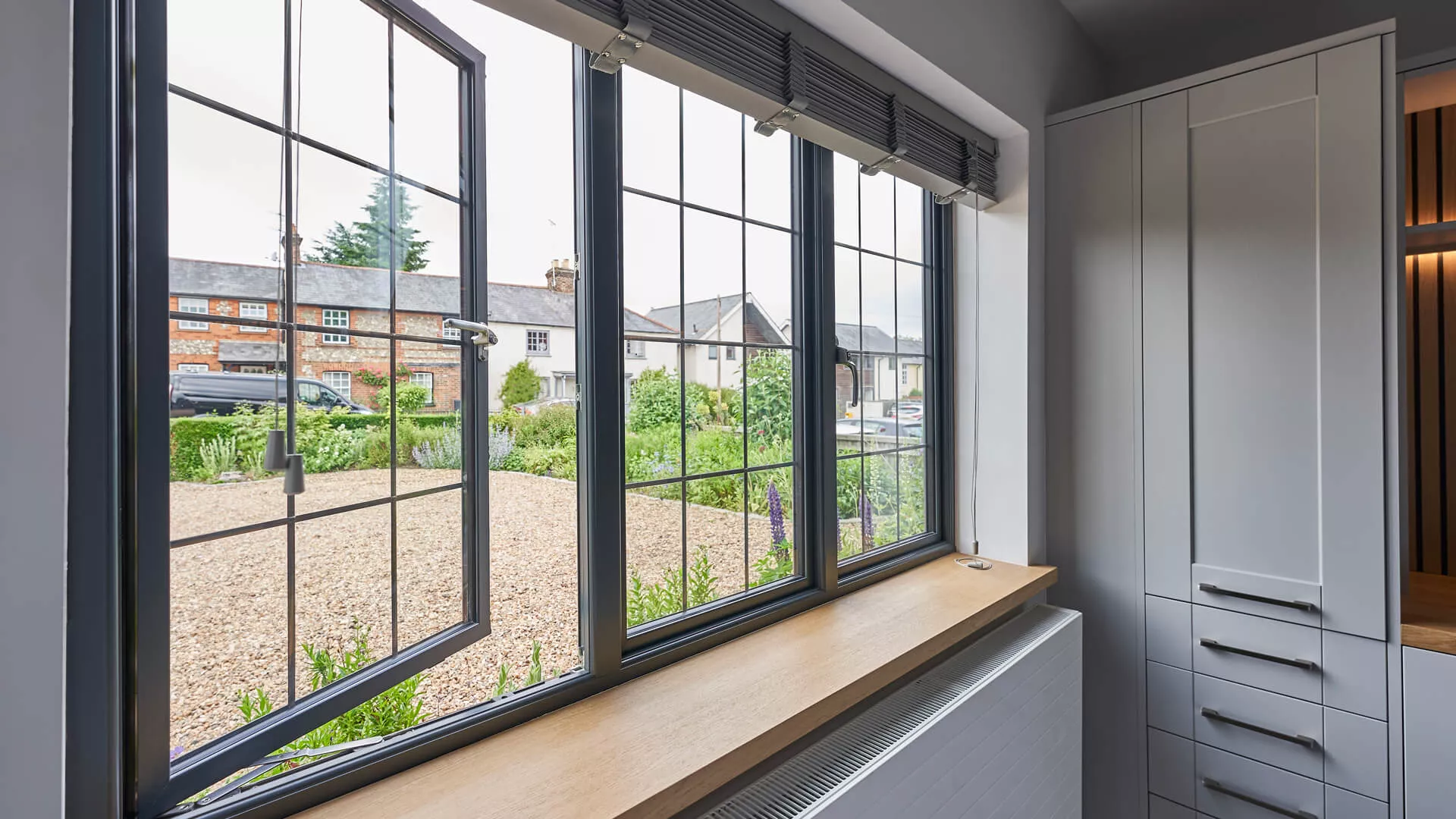
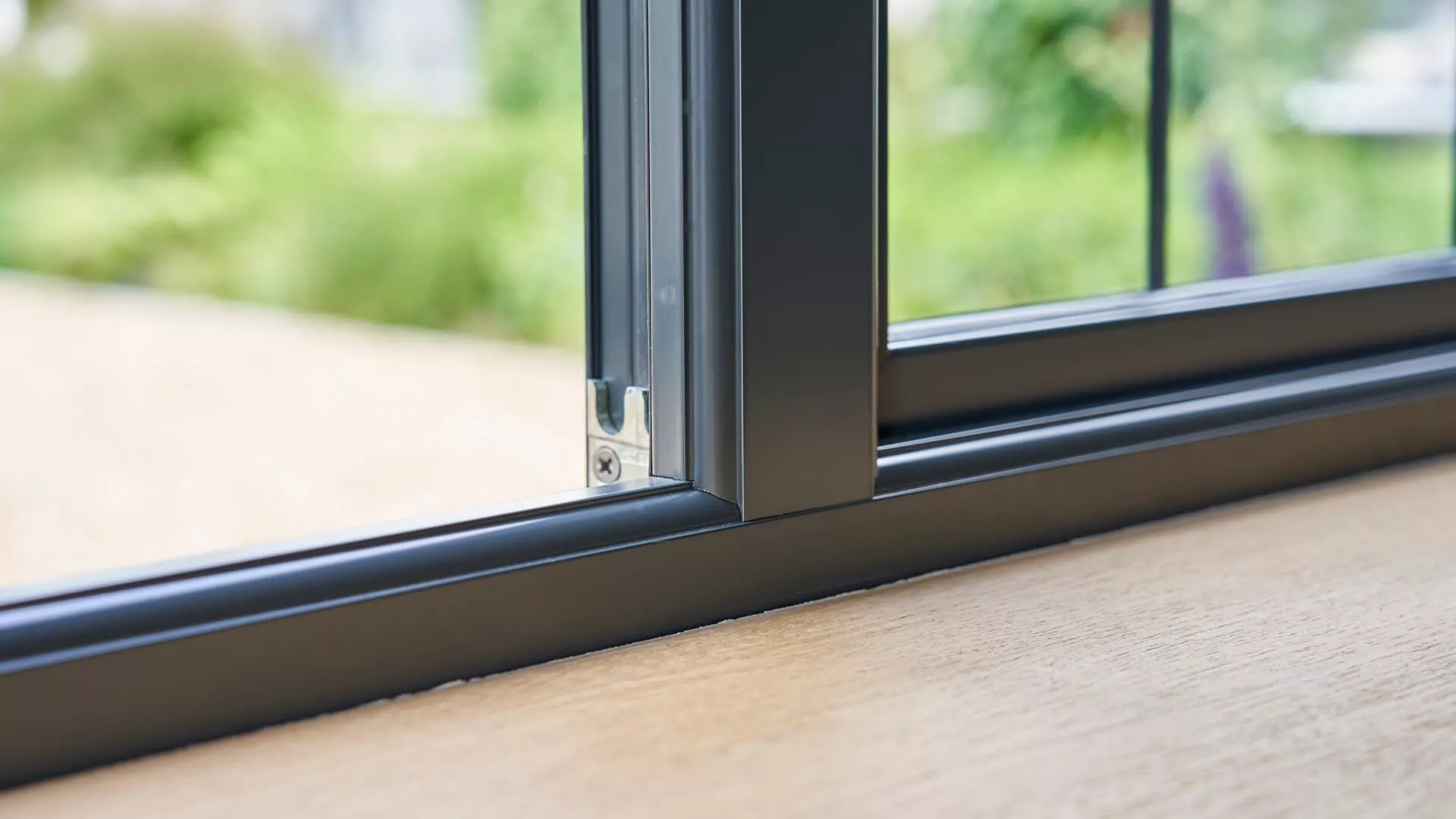
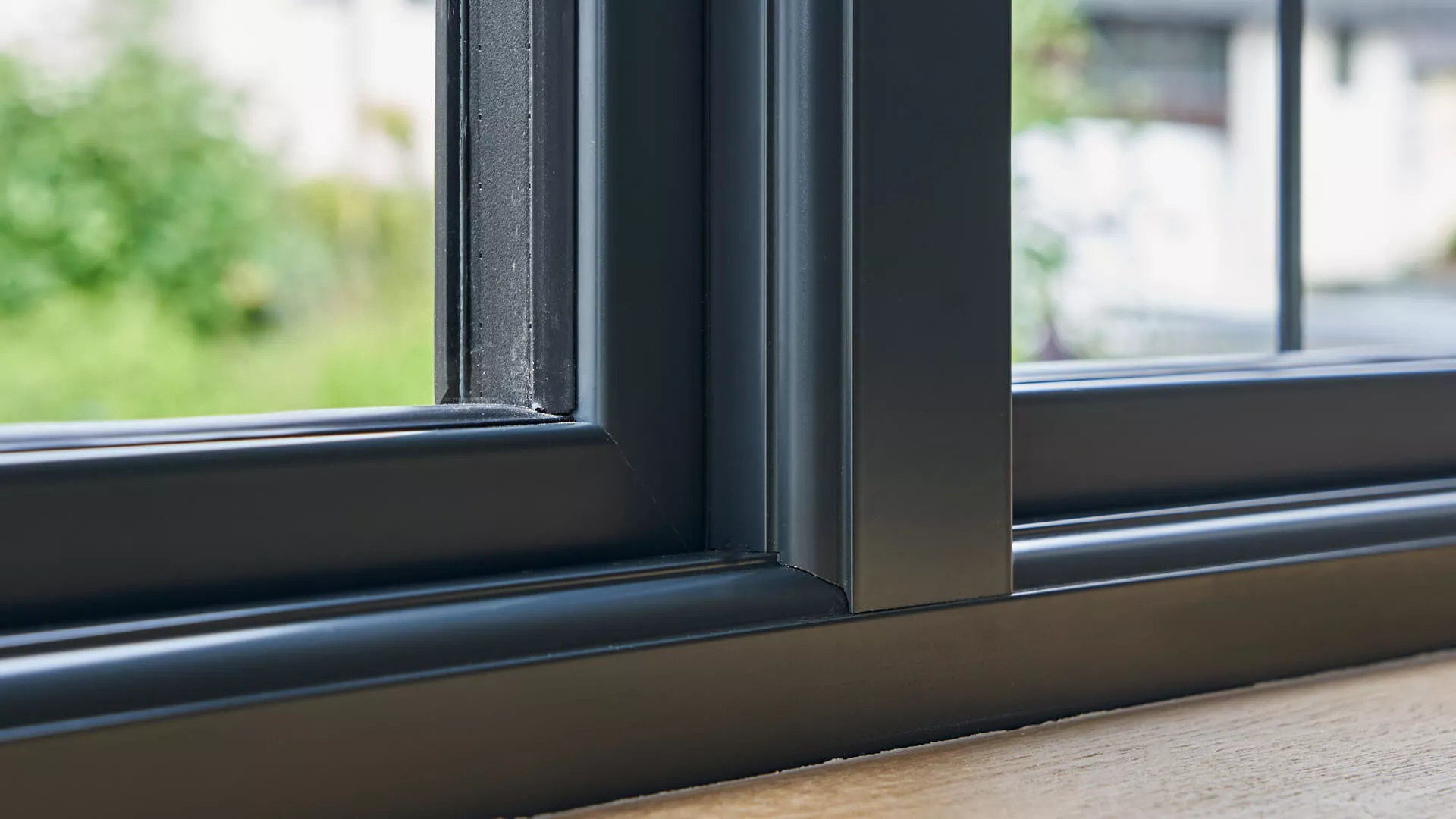
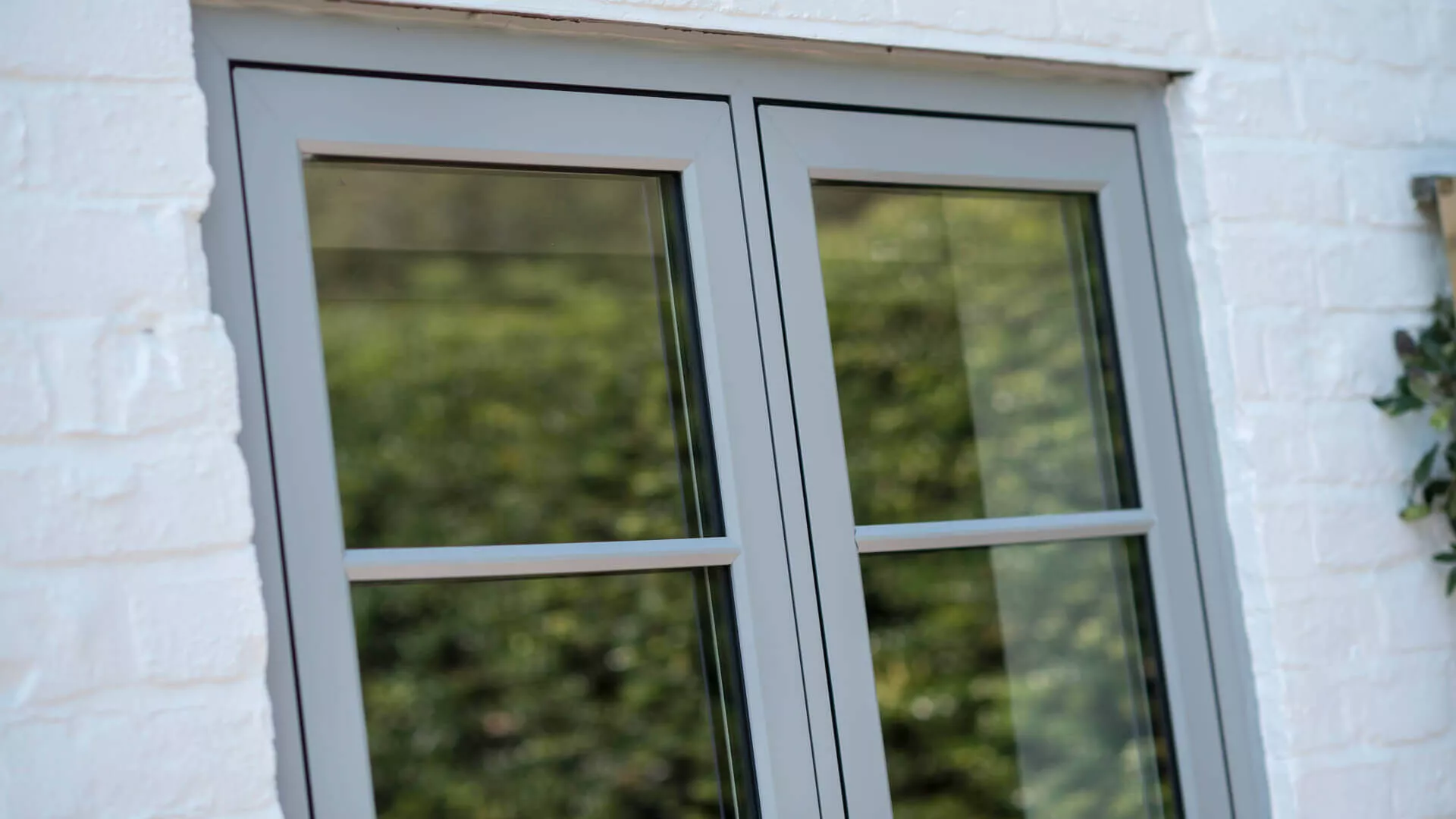
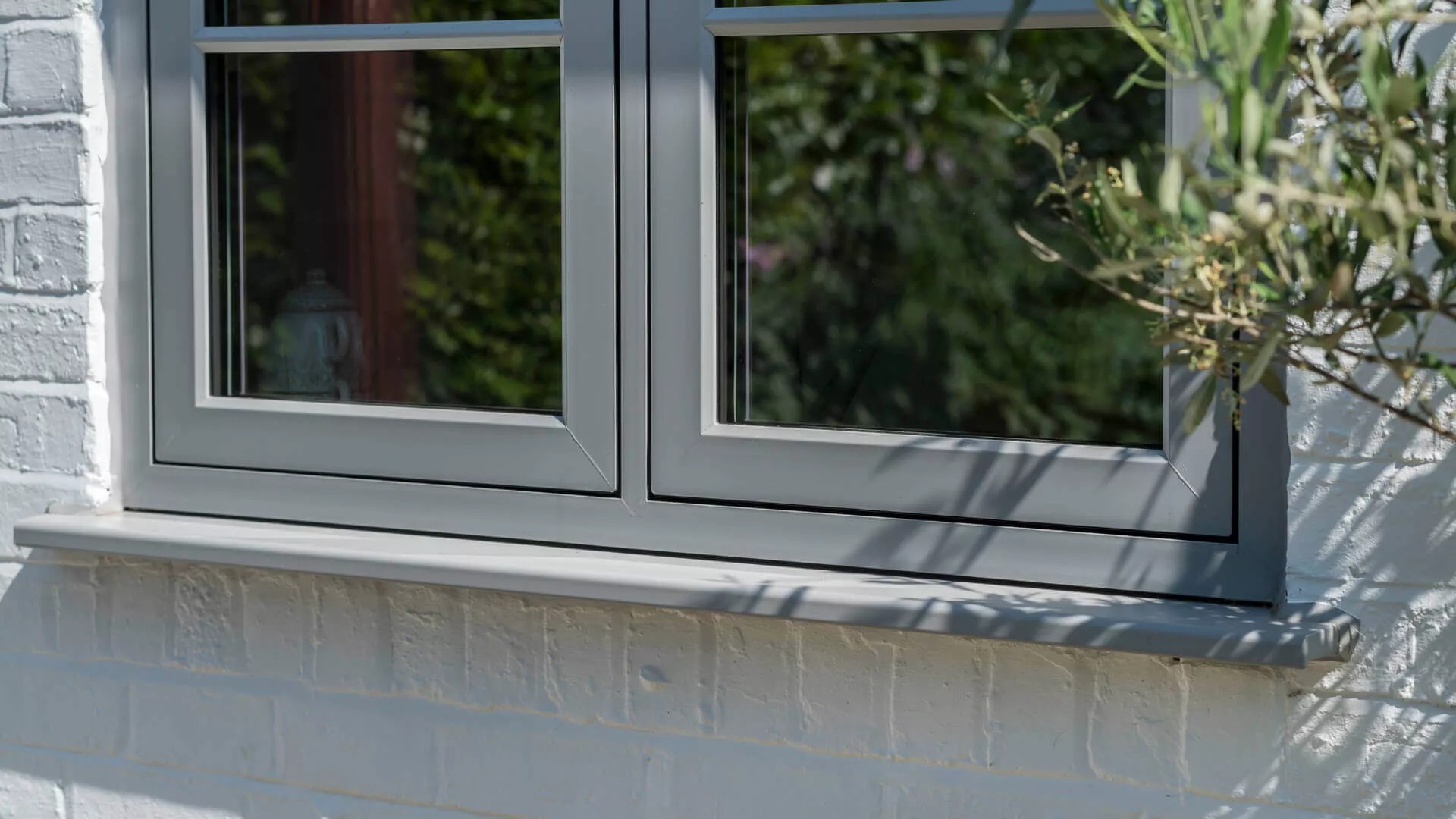
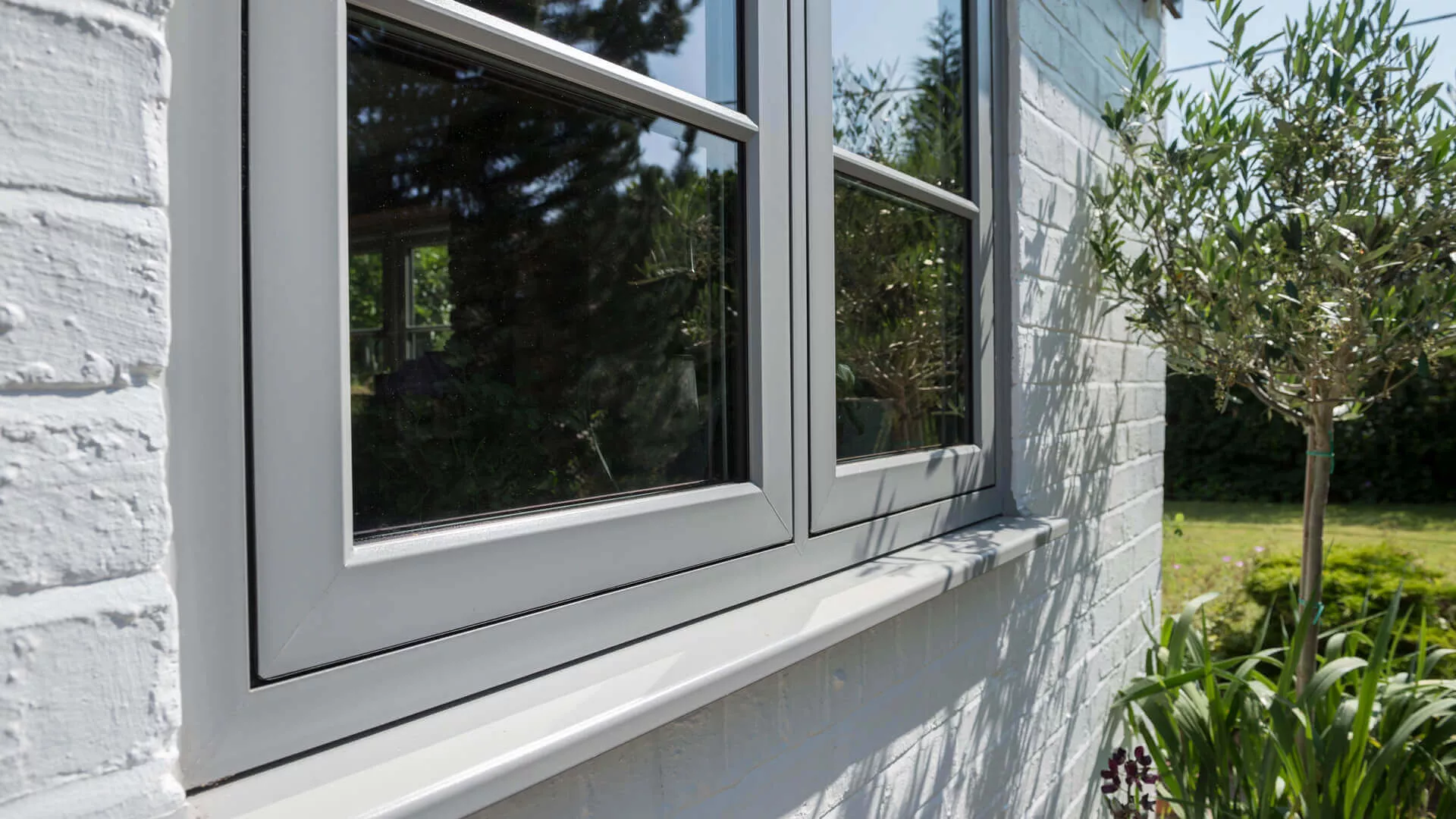
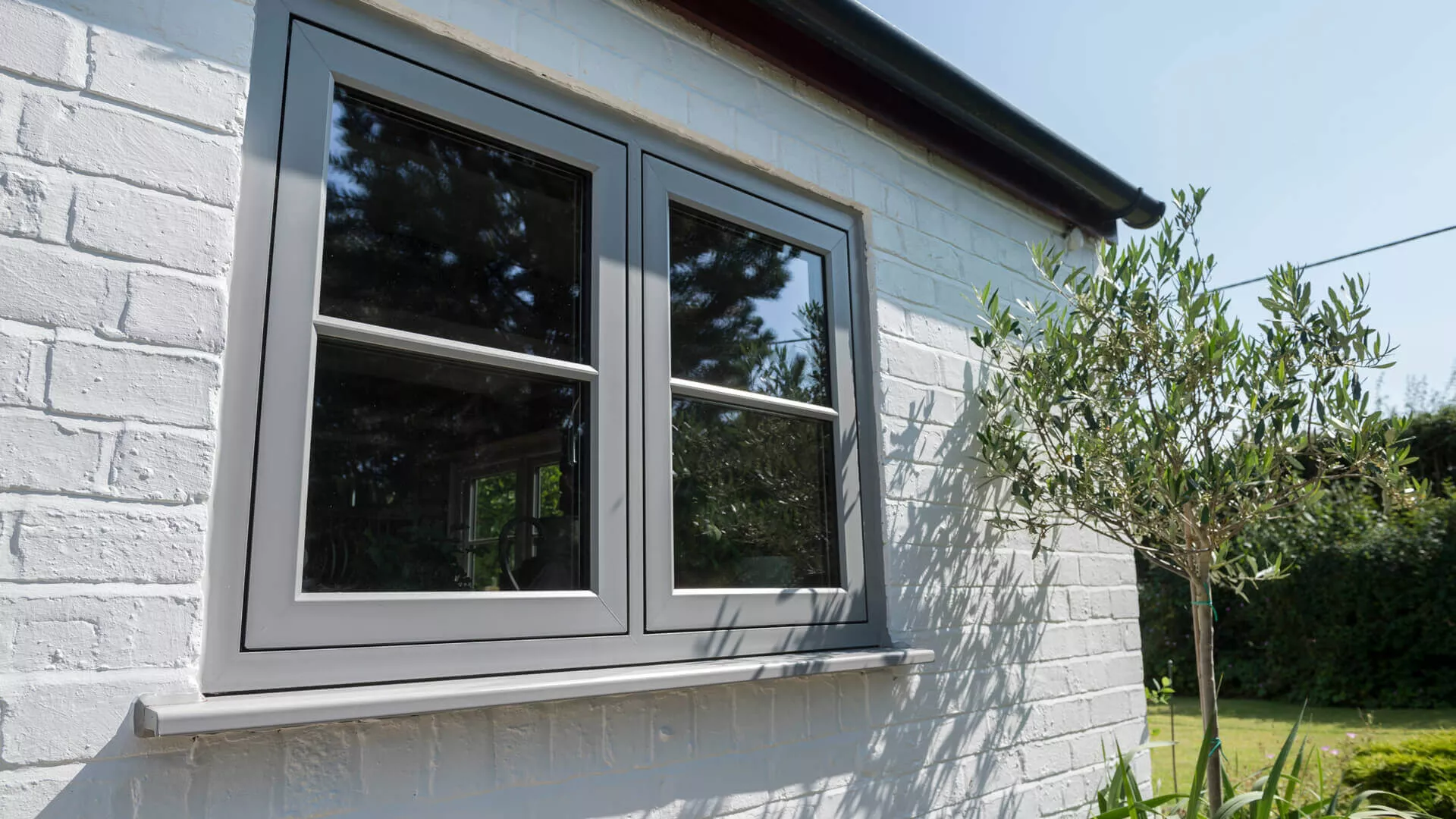
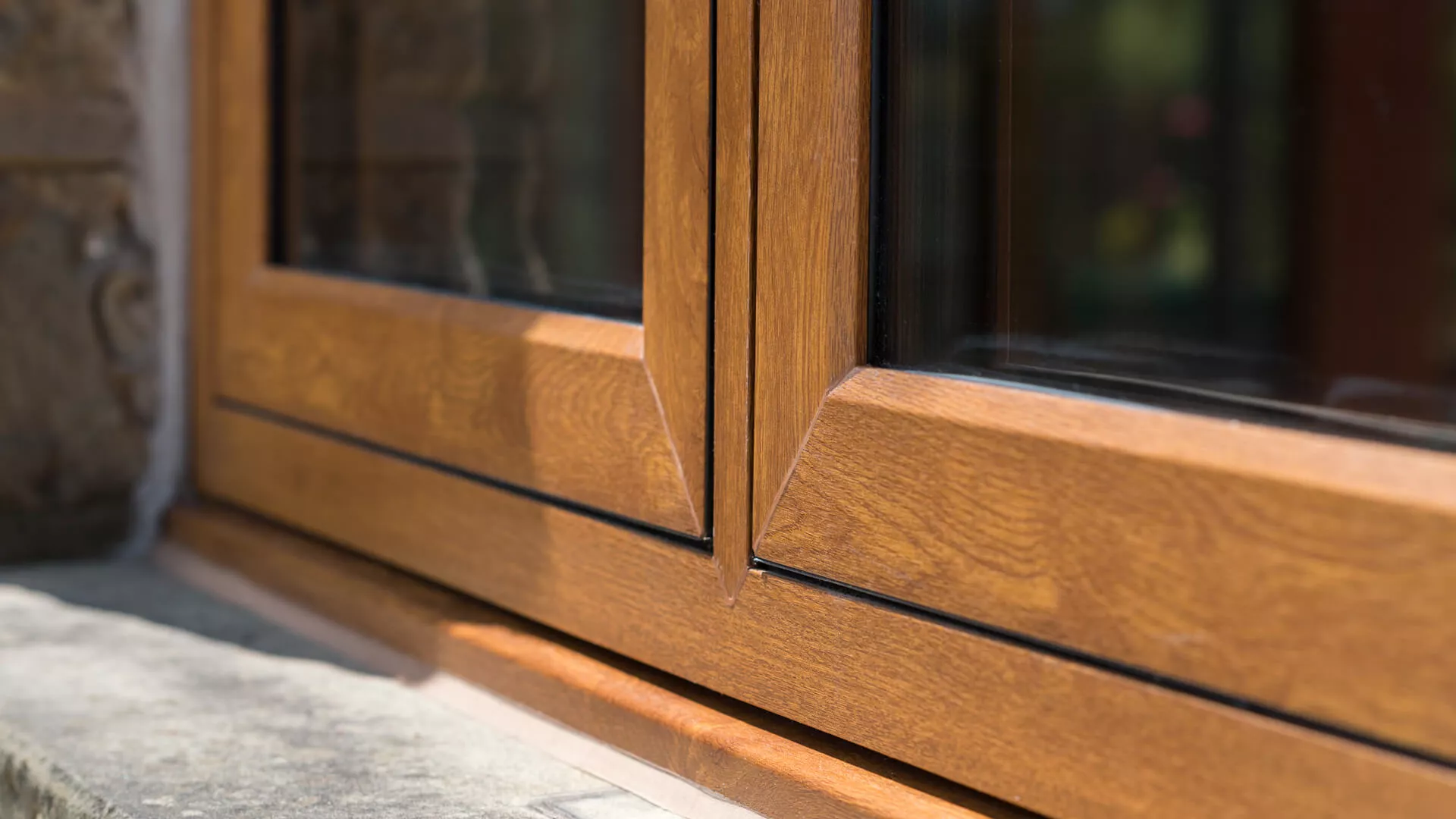
The sash of a flush window (the moveable section) sits exactly level within a frame when shut, creating a flat, sleek surface. Conversely, standard casement windows feature a sash that slightly protrudes outwards from a frame.
Q2: Which material — uPVC or aluminium — is best for flush windows?
UPVC suits most homeowners because of its excellent insulation, low maintenance and affordability. Aluminium costs more, but has a more premium look, greater robustness, slimmer frames and offers bigger glass expanses.
Q3: How energy-efficient are flush windows, and what U-values can they achieve?
Flush windows largely realise outstanding levels of thermal efficiency when utilising double glazing and with well-sealed frames. Flush window U-values of about 1.2–1.4 W/m²K for double glazed windows are typical, while it’s not unknown for some energy-efficient flush windows to attain a figure as low as 0.8 W/m²K.
Q4: Can flush windows be installed in conservation areas and listed buildings?
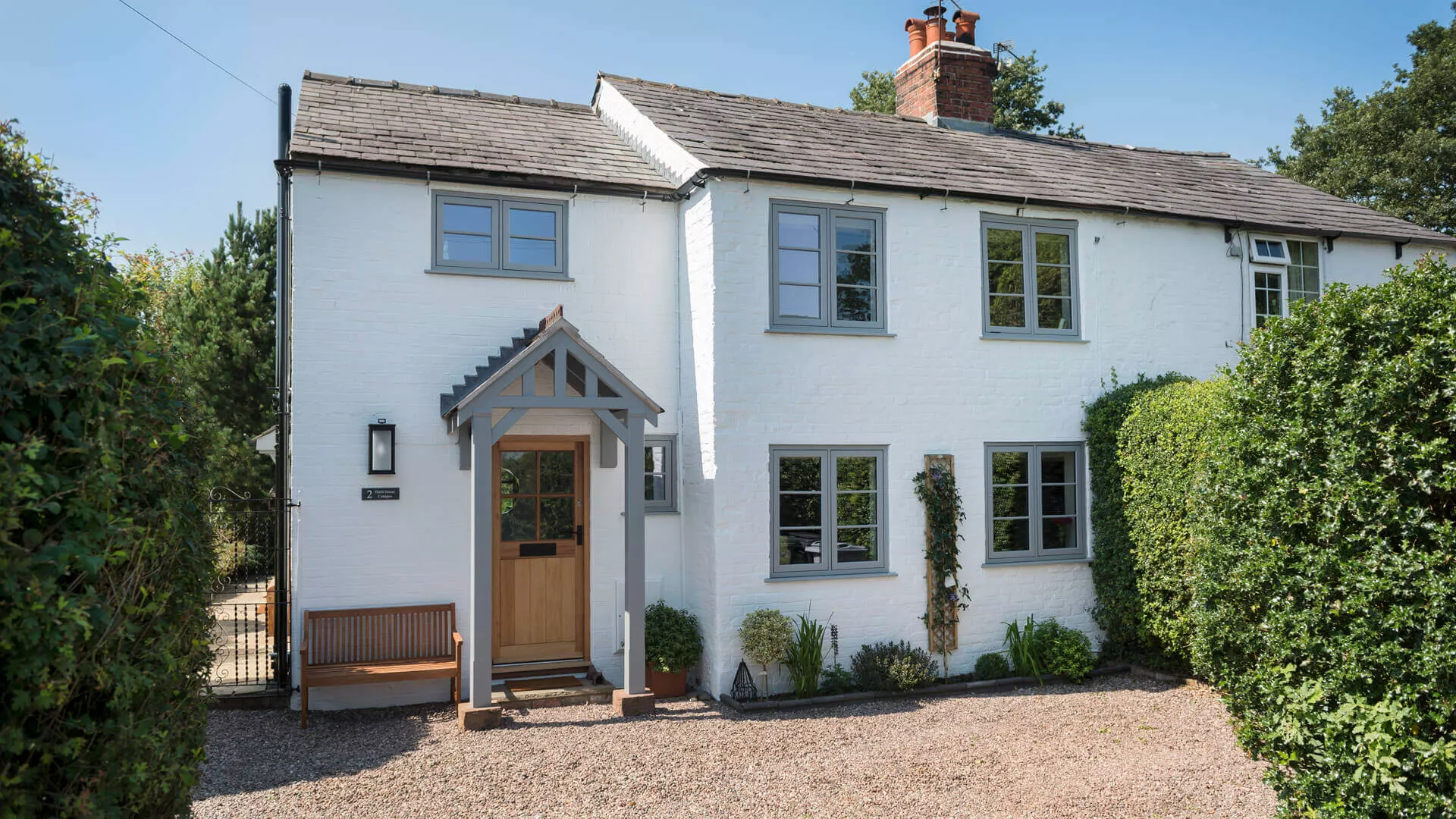
Subject to approval, flush windows are a hugely popular style for heritage homes in conservation areas and listed buildings. Planners often support use of flush windows because of how closely they mirror the look of traditional timber windows.
What Are Flush Windows?
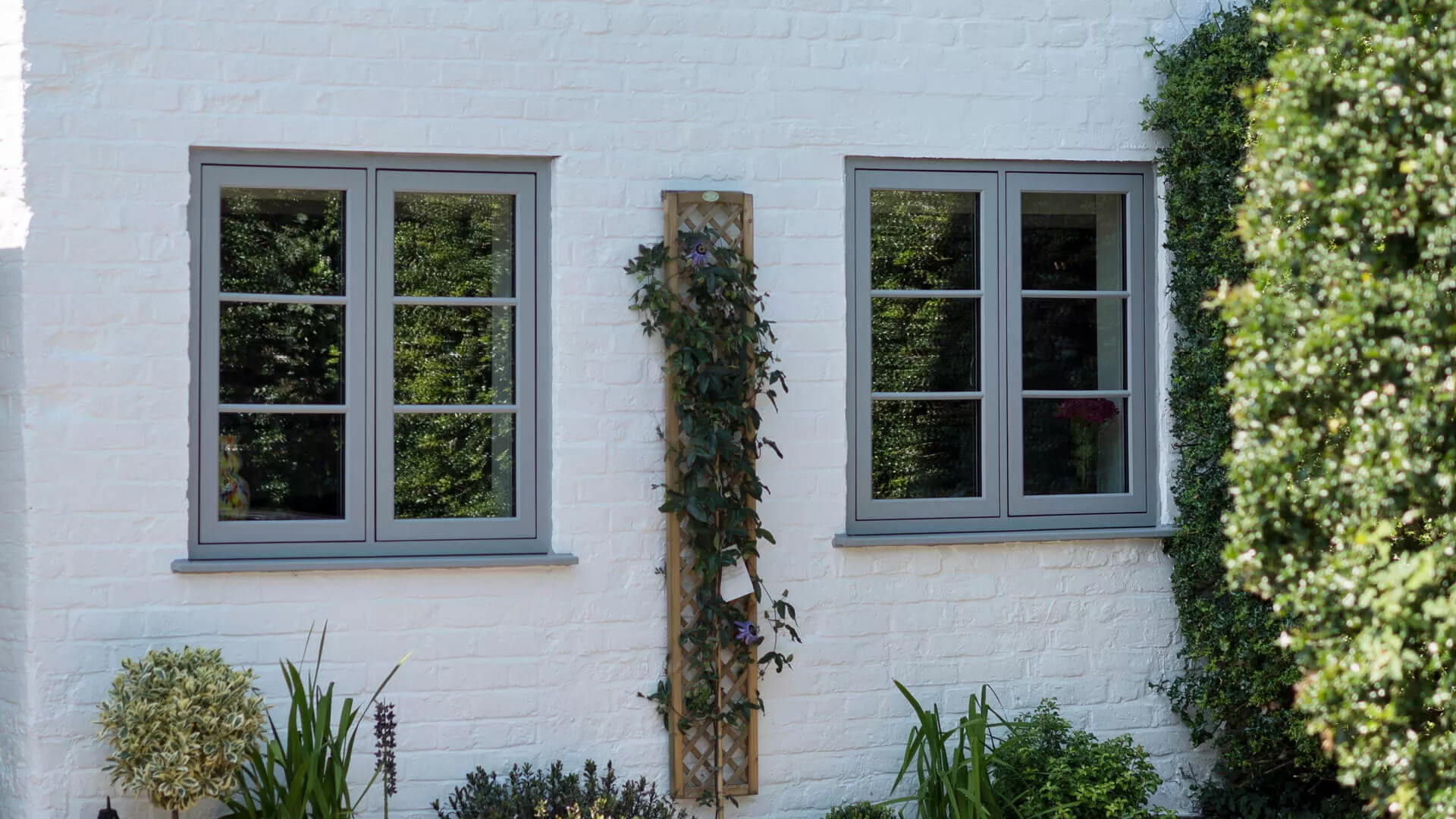
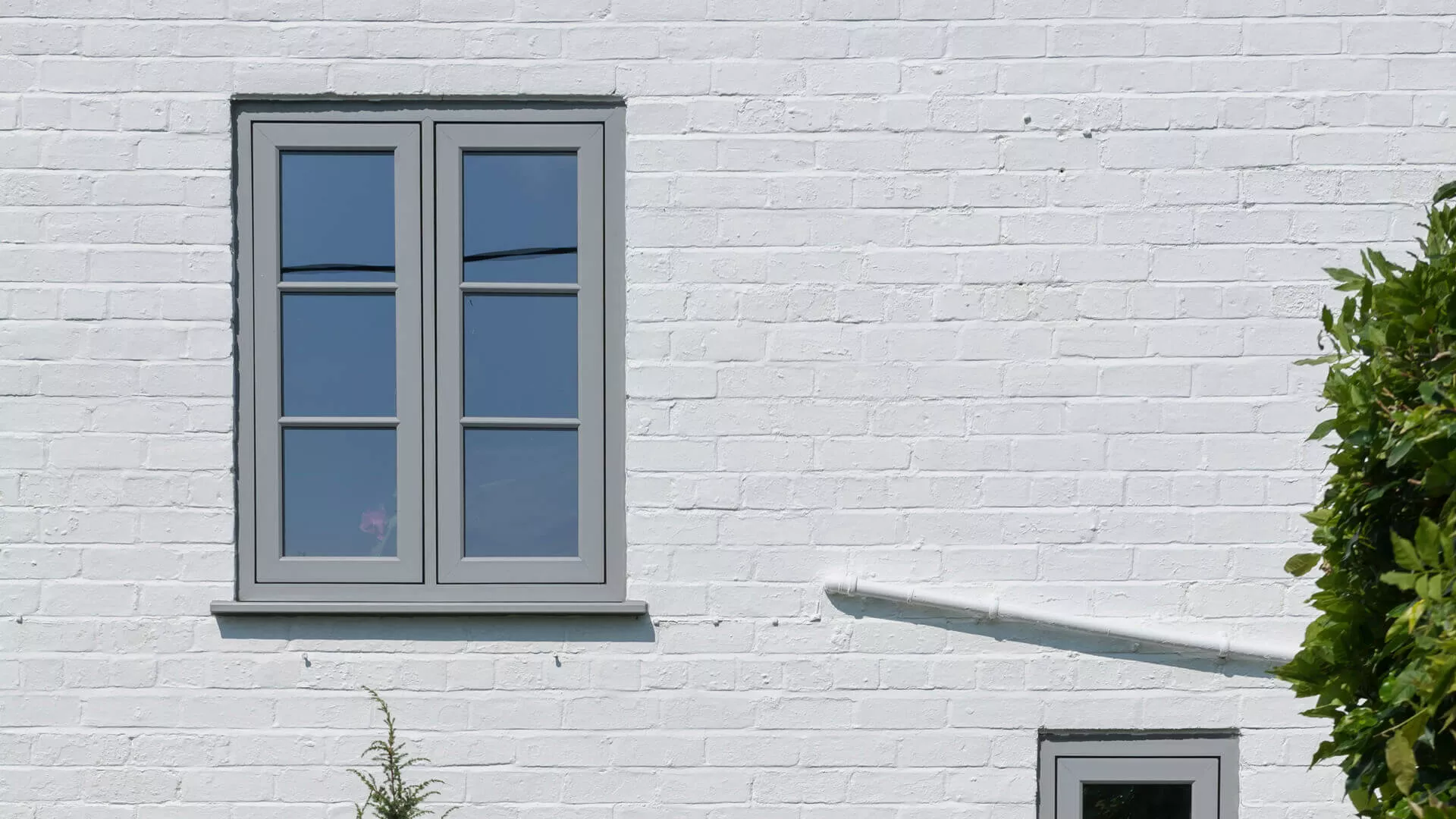
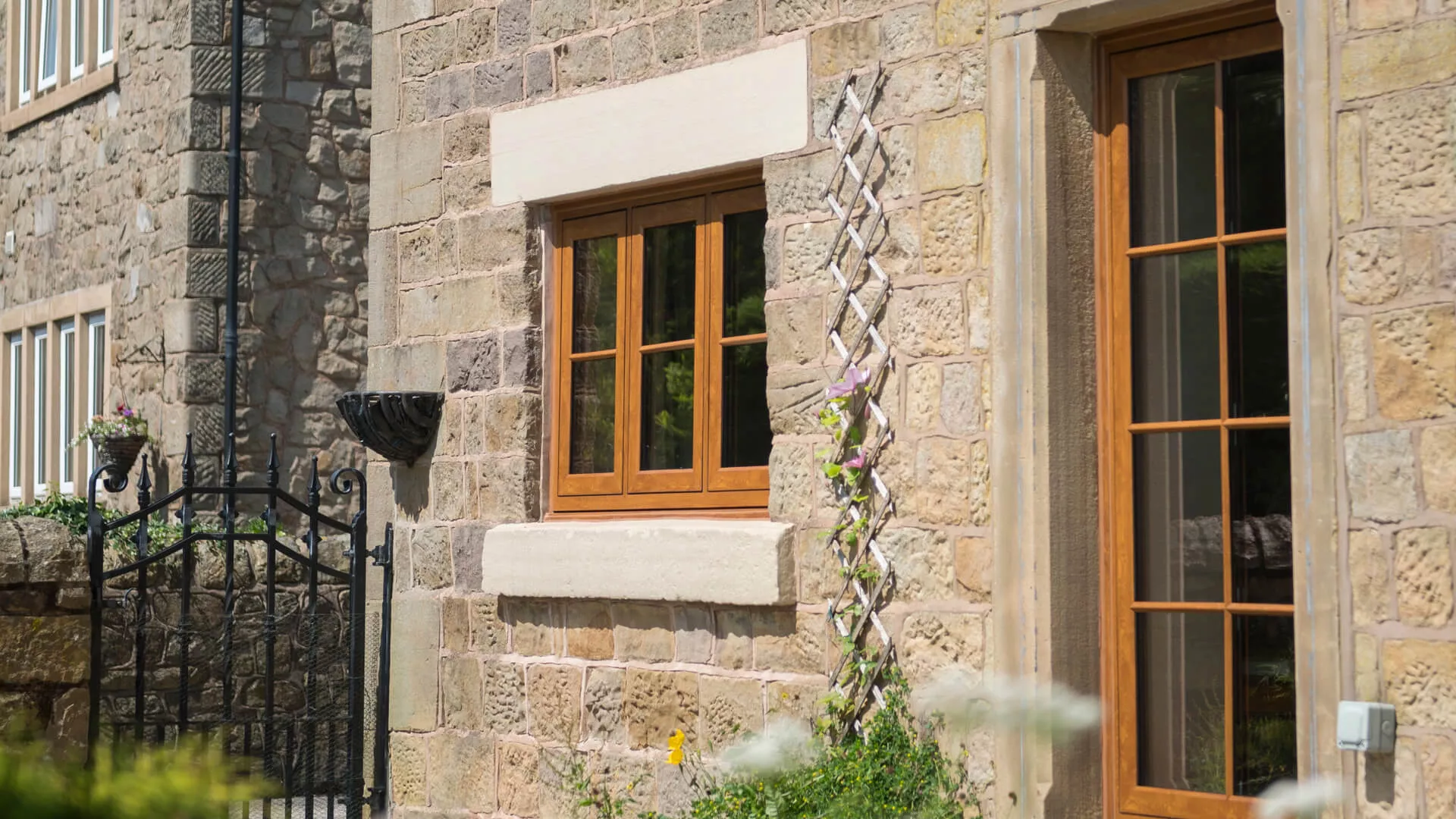
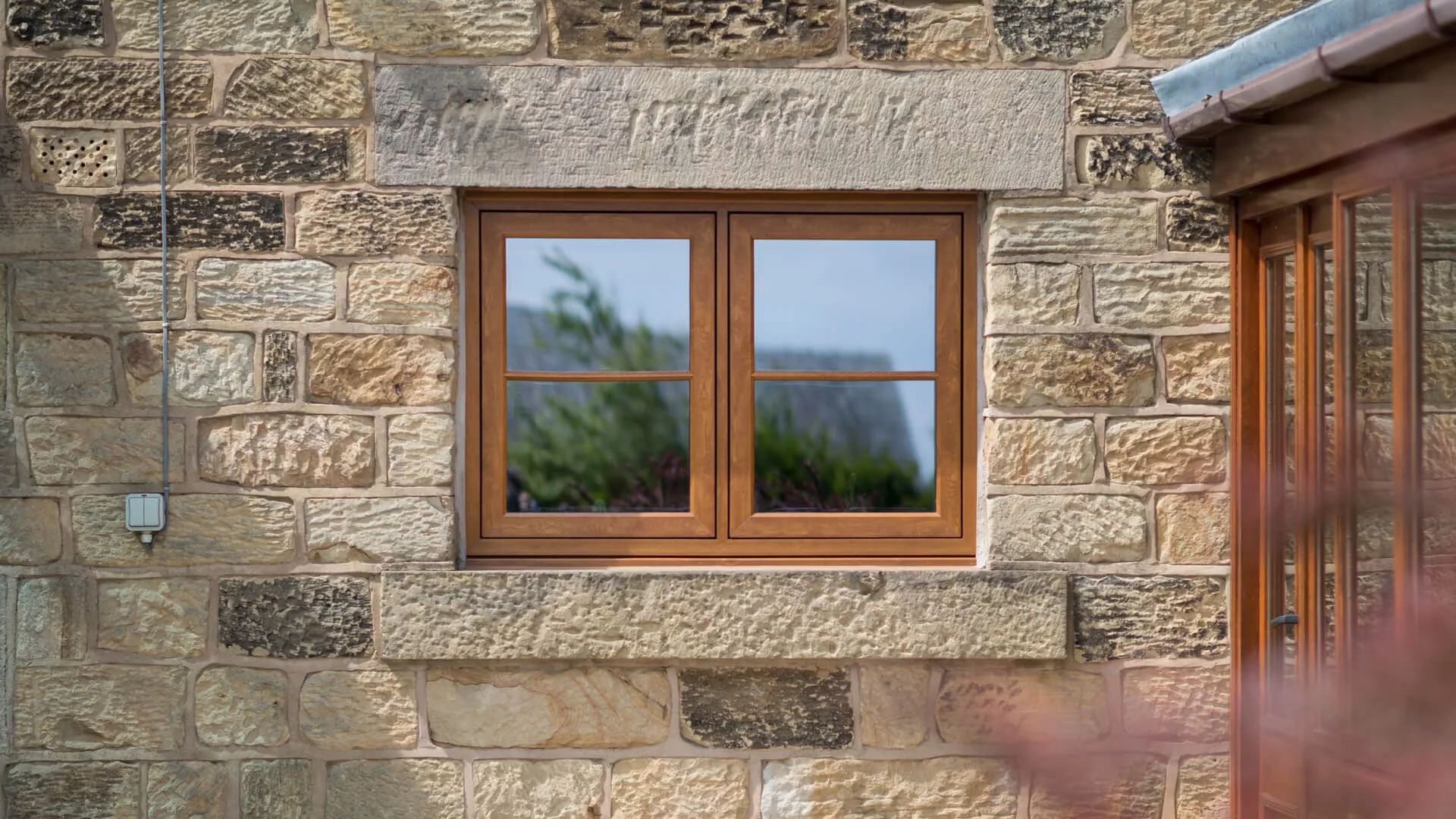
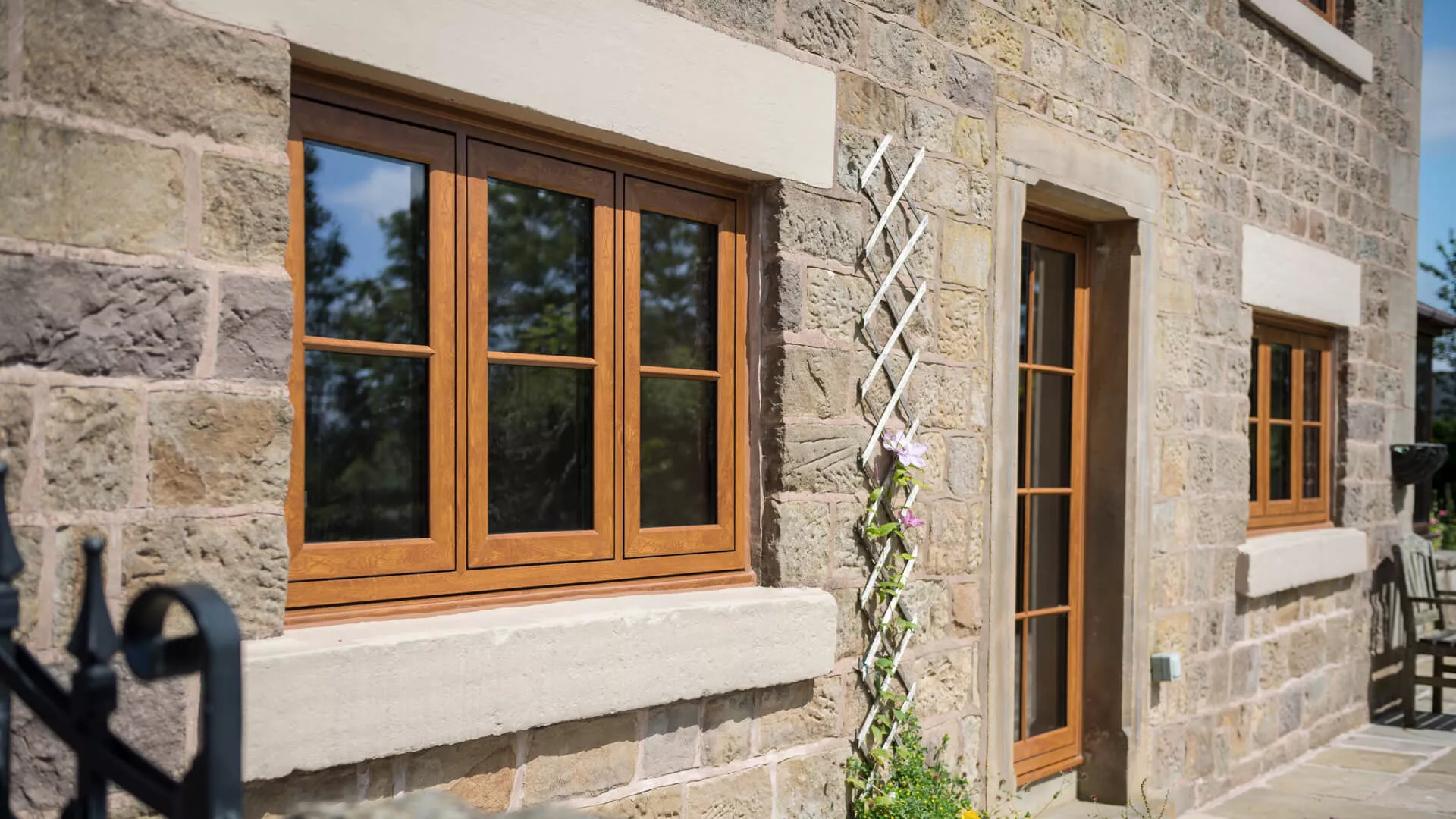
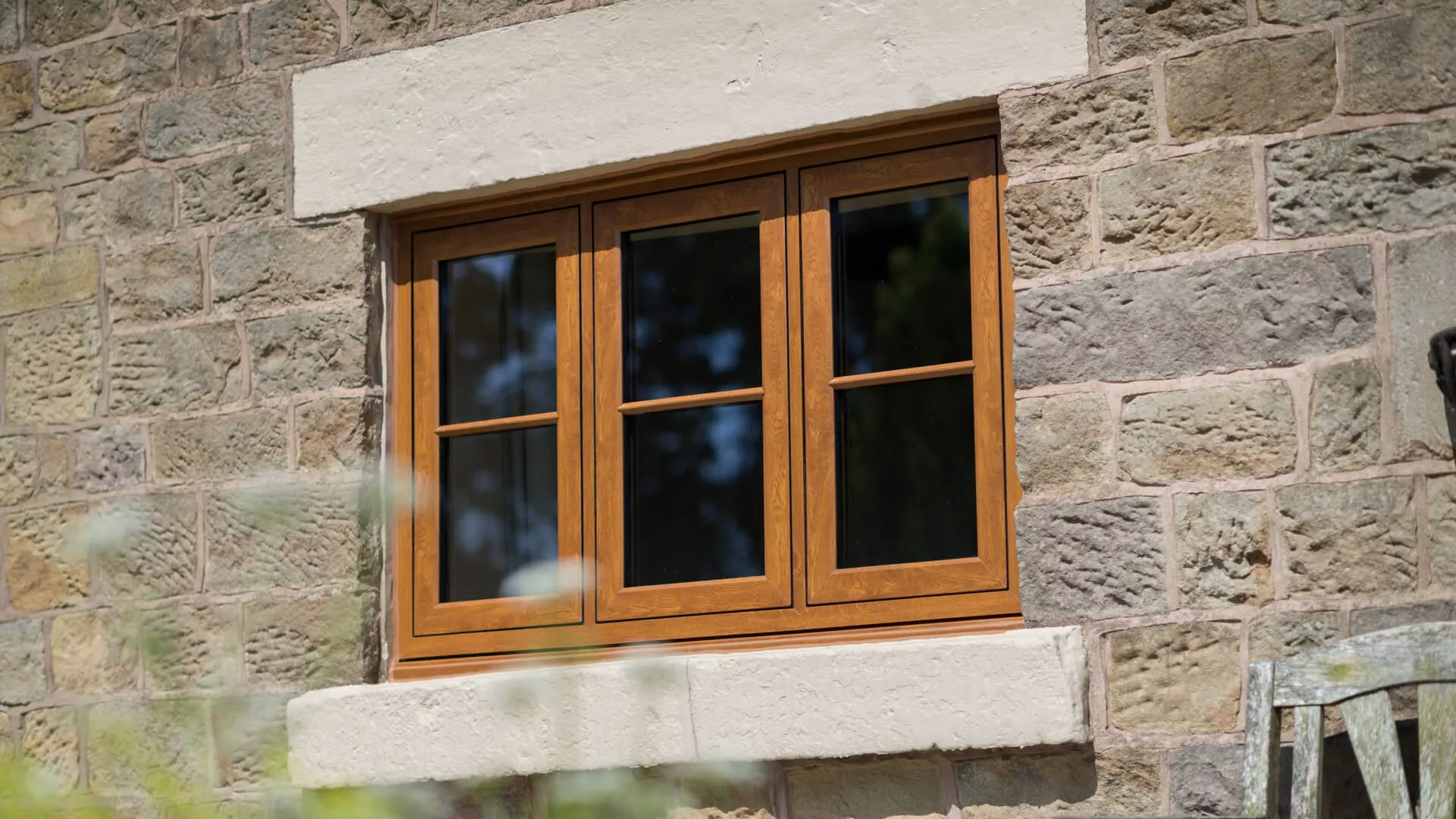
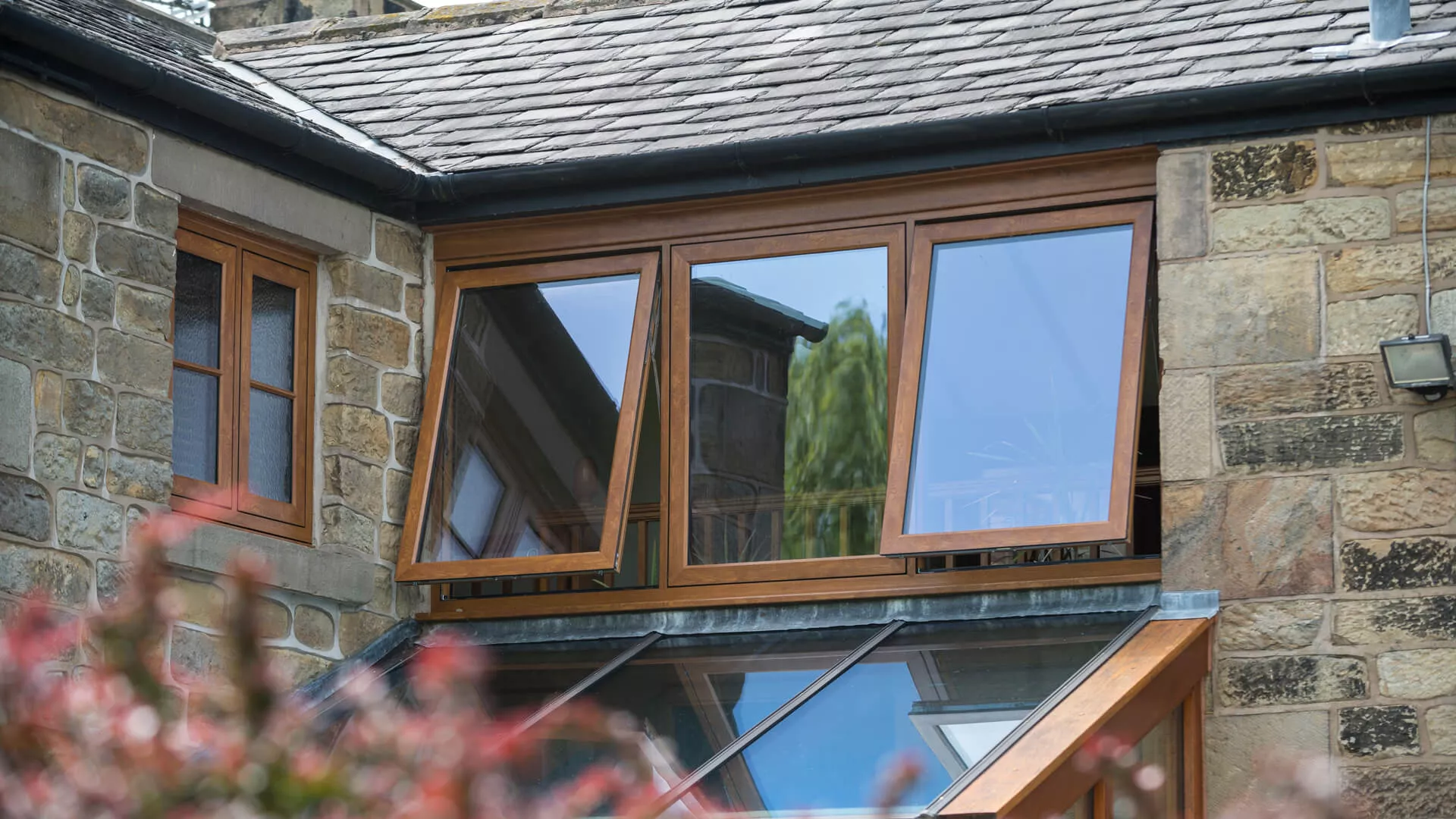
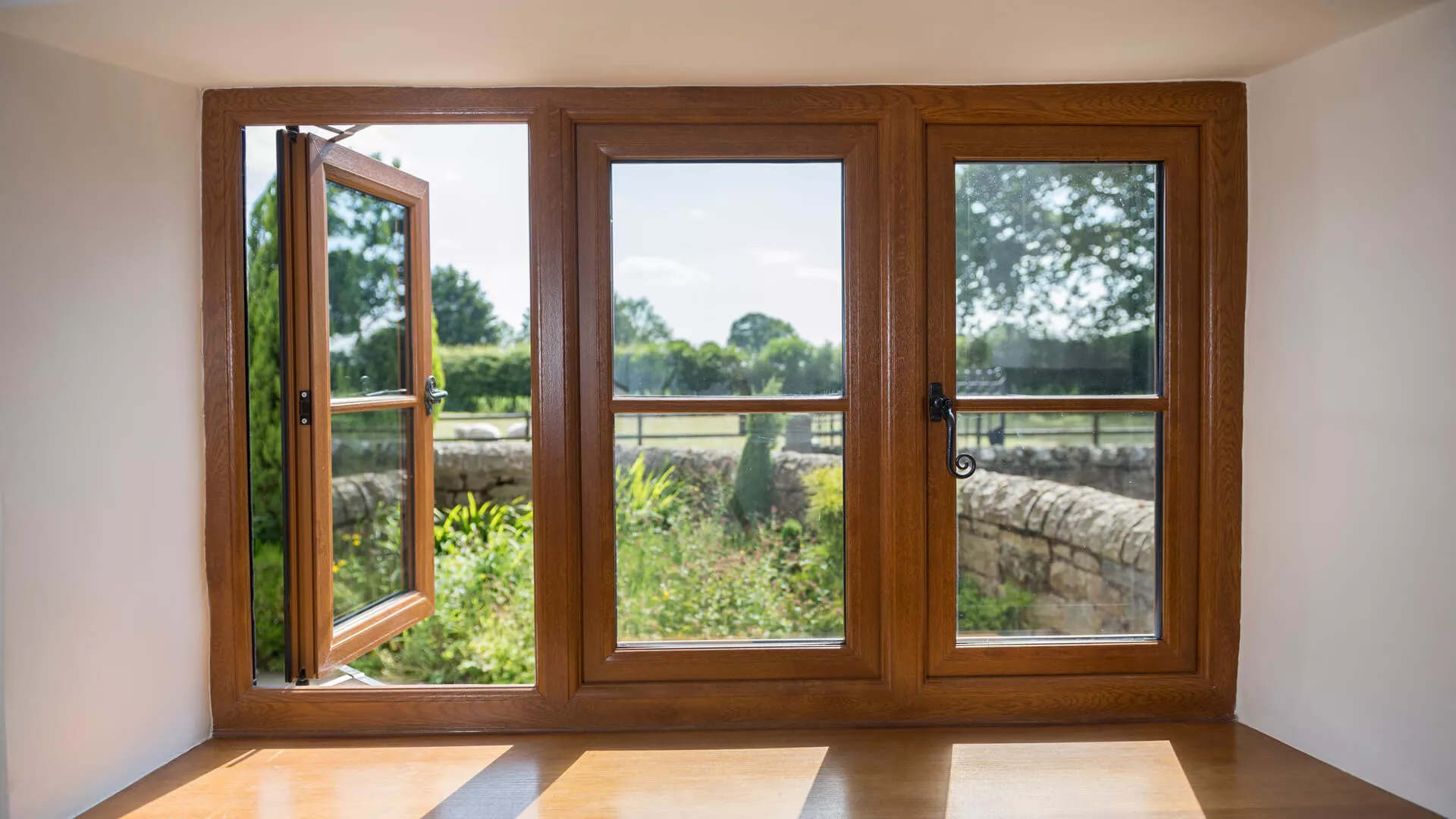
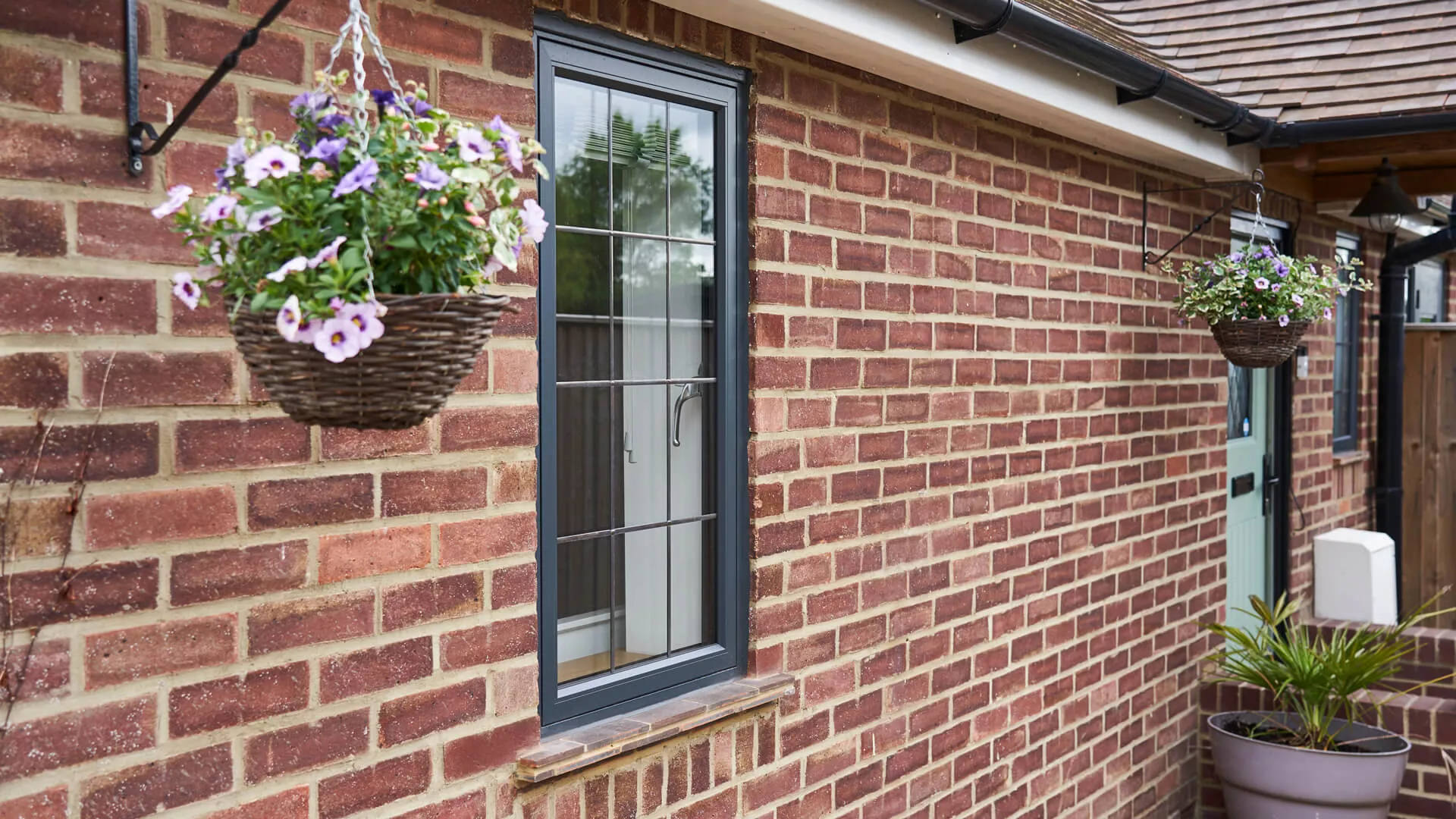
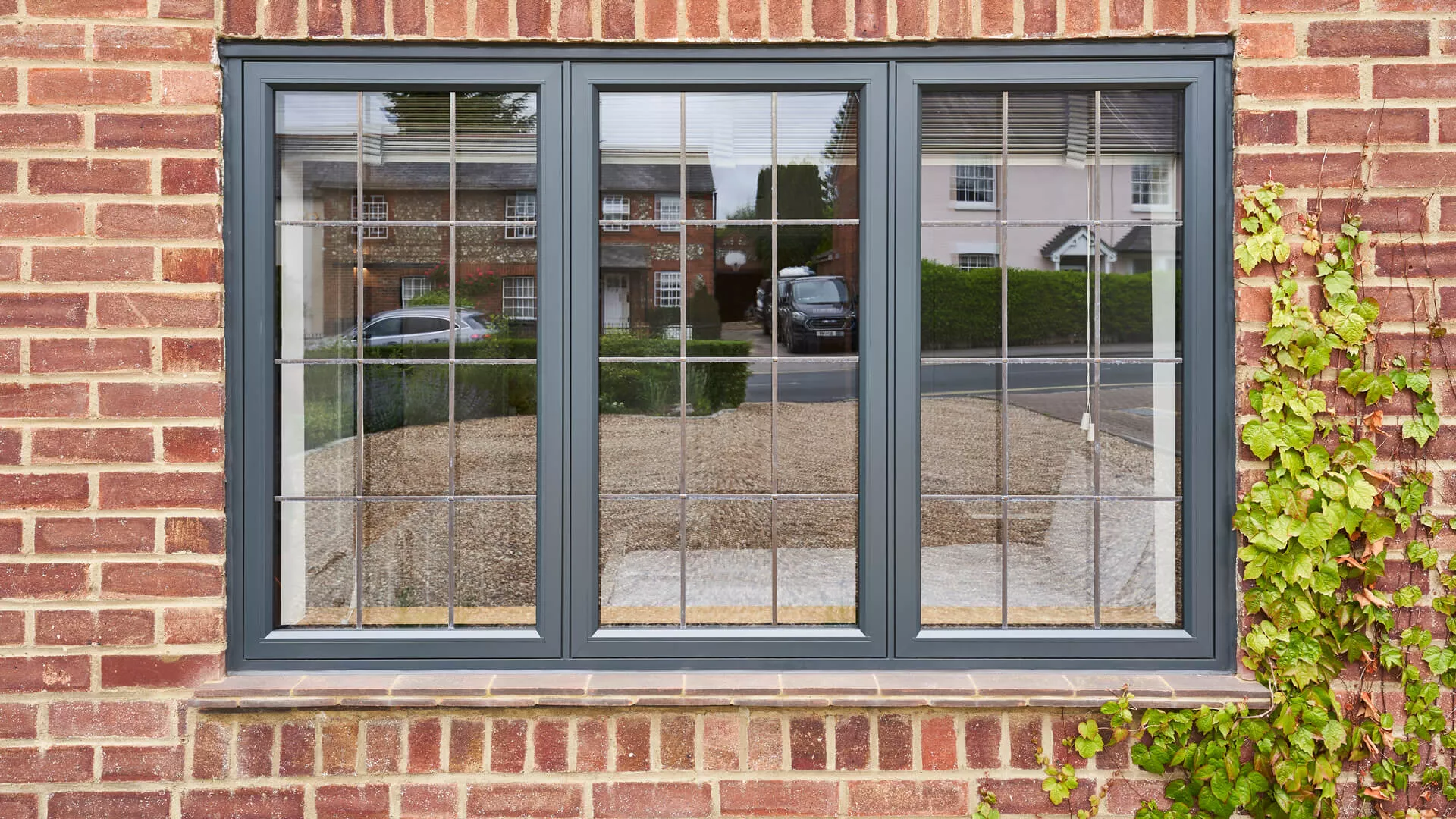
Flush windows are designed to lie flat against a wall, exhibiting a beautifully external aesthetic. As opposed to stormproof or lipped casement windows, flush casements and flush sash windows feature a frame that doesn’t protrude past the glass, generating a neat, modern finish. Put simply, a flush casement window is defined as a window where the sash sits completely flat within the frame with no overlap, and the same can be said of flush sash and flush fit windows. A flat-to-frame design magnifies attractiveness and is a big reason behind the rising demand for flush frame windows. Most styles are available in UPVC and aluminium and not long ago, we put together a guide to aluminium vs upvc windows.
Flush Casement Windows Explained
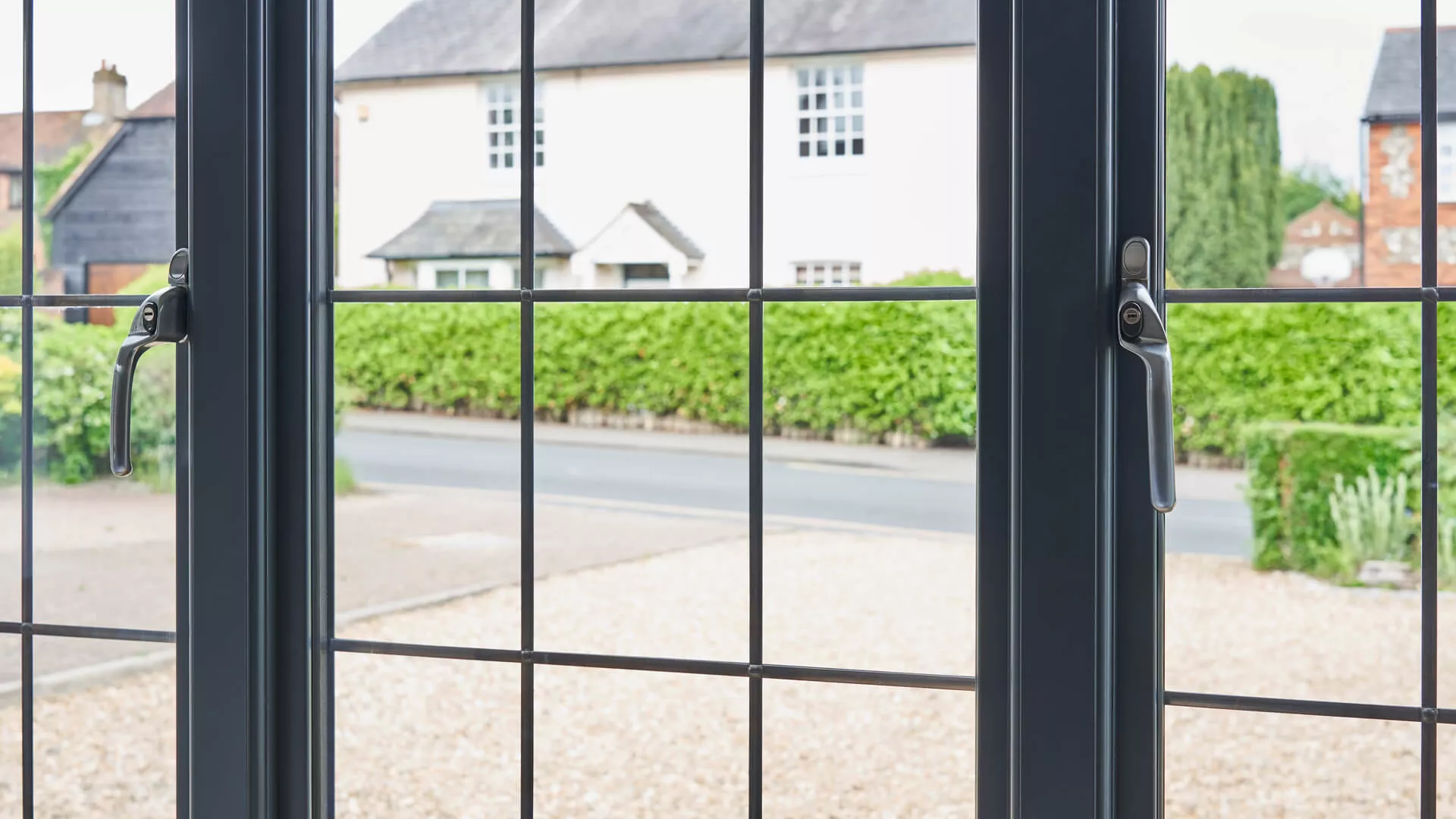
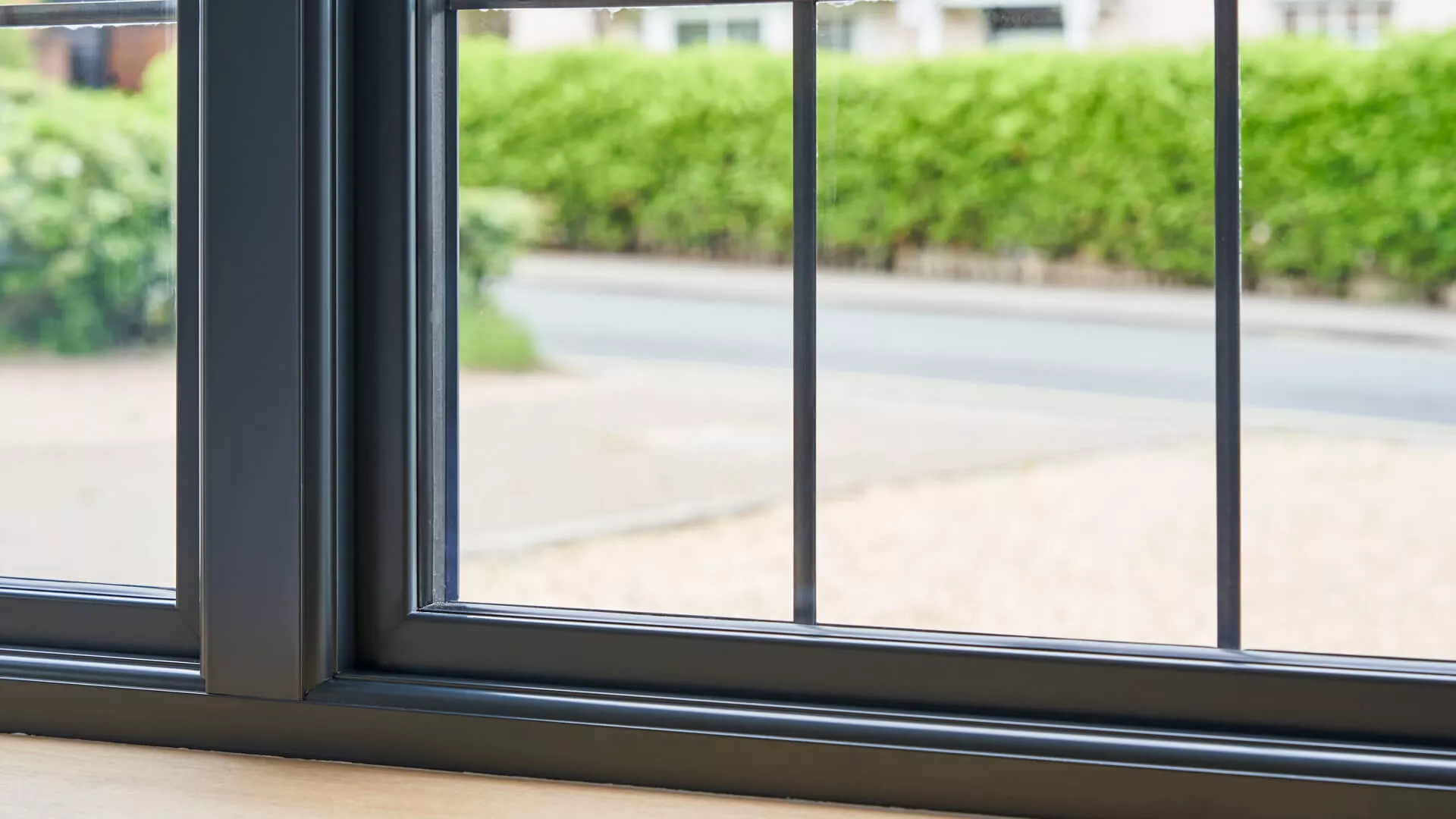
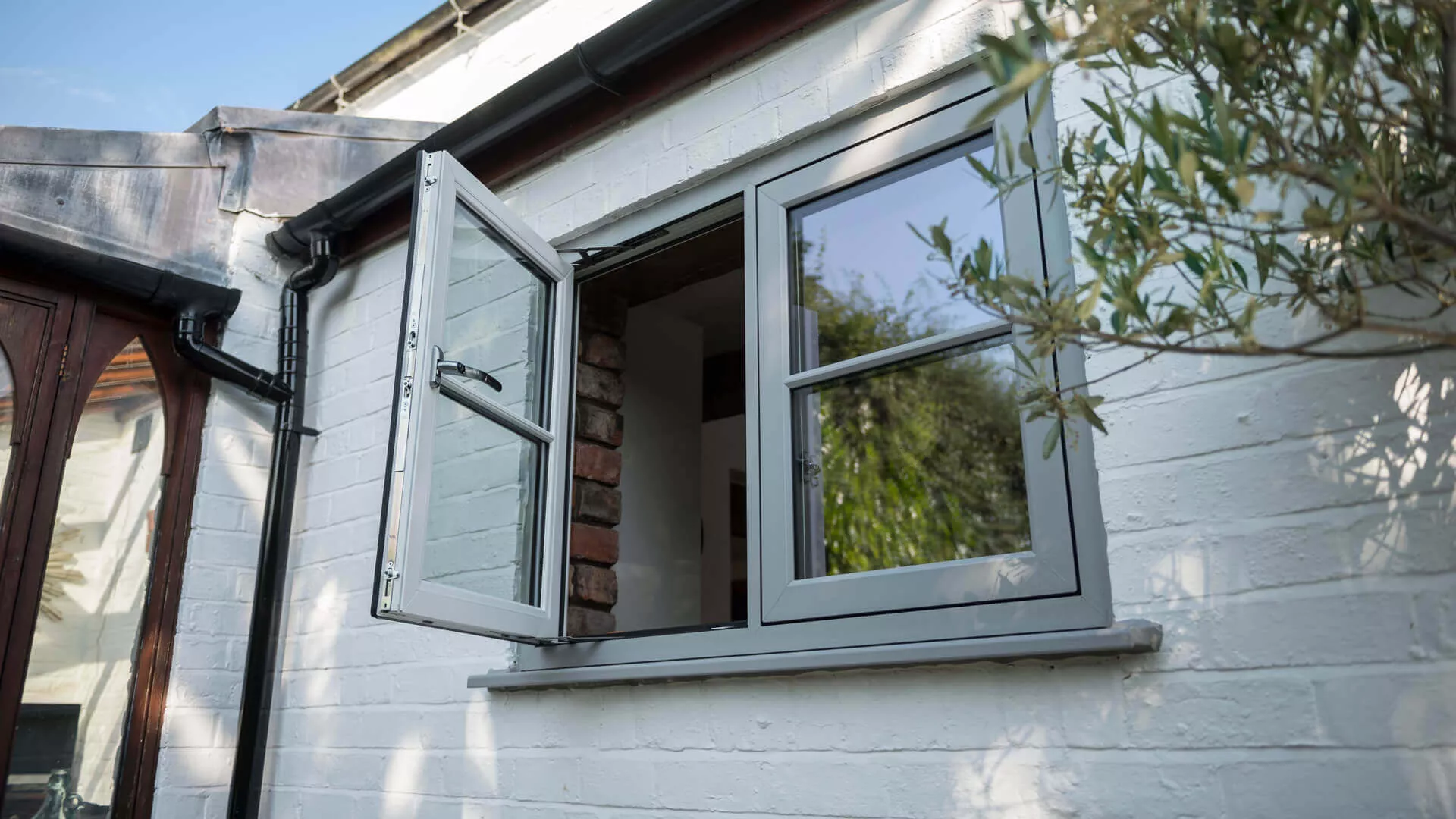
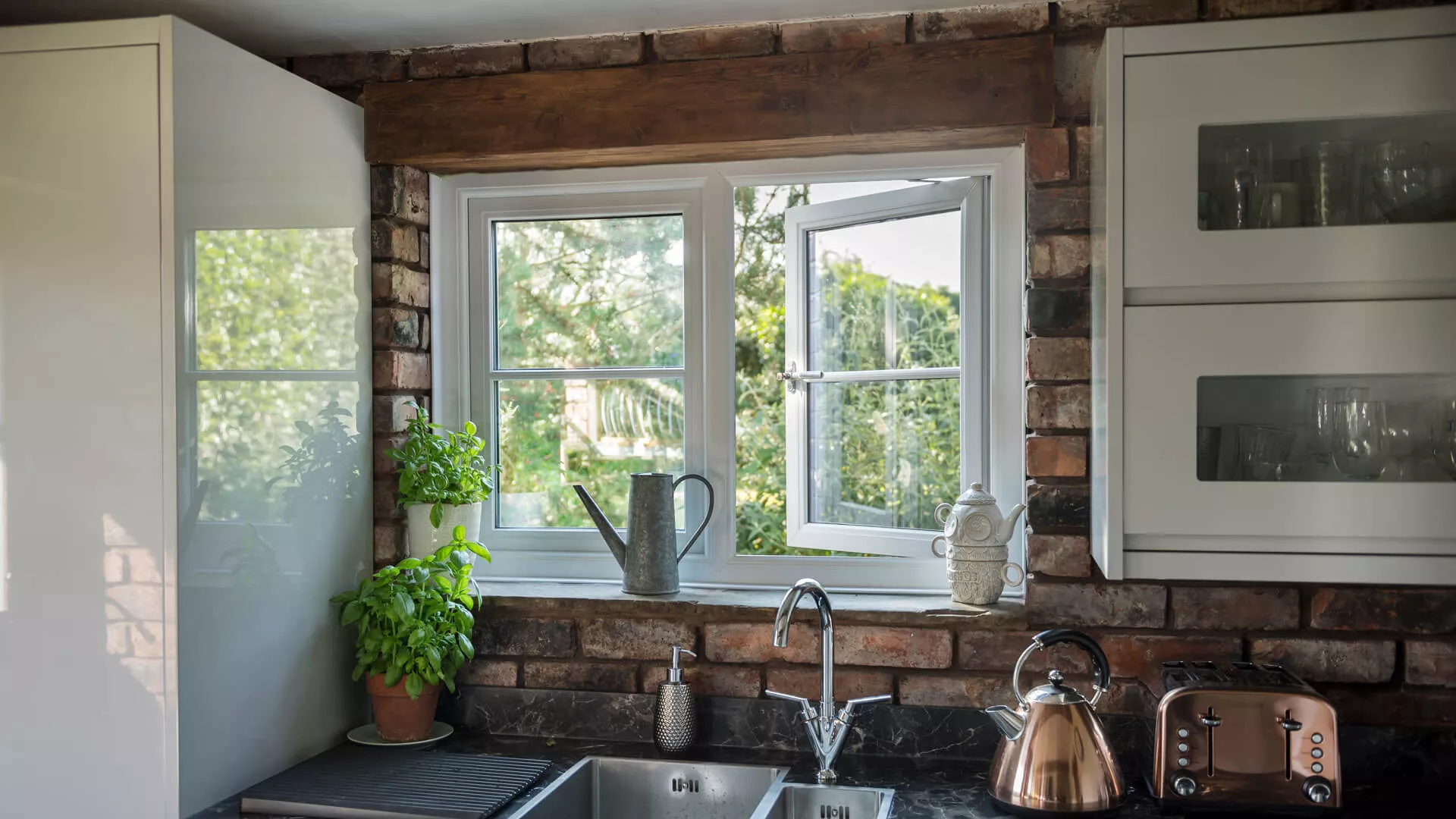
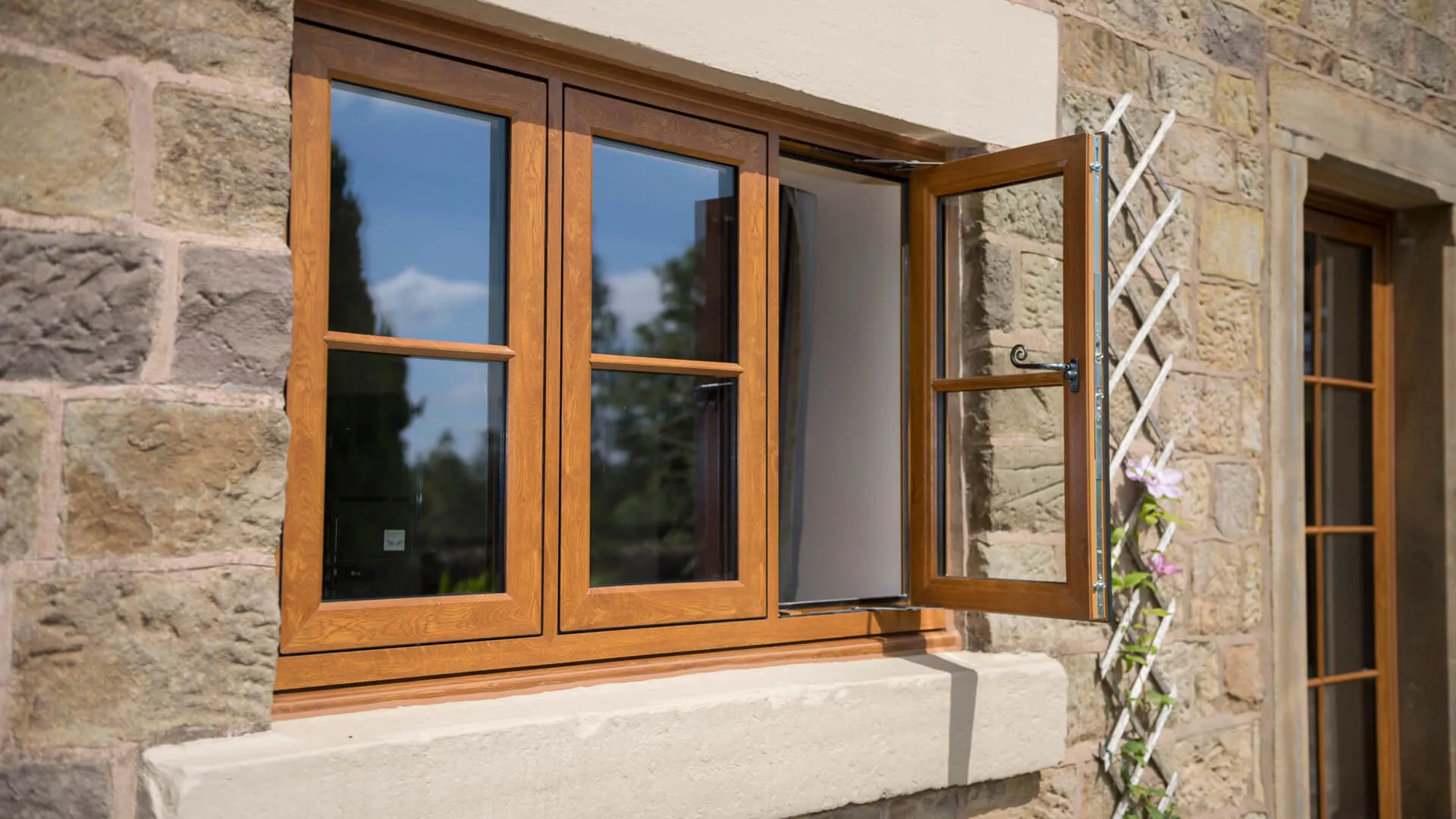
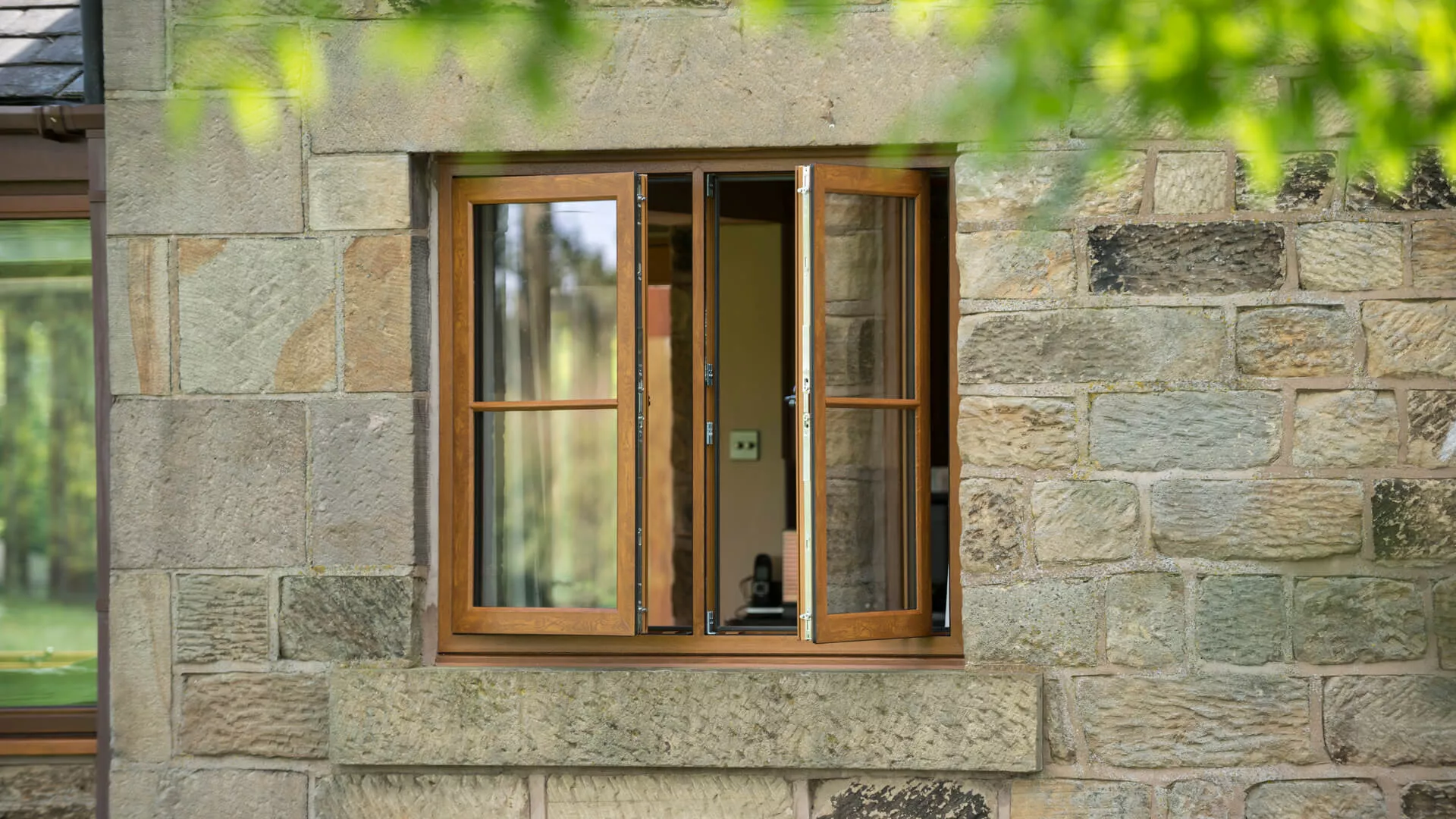
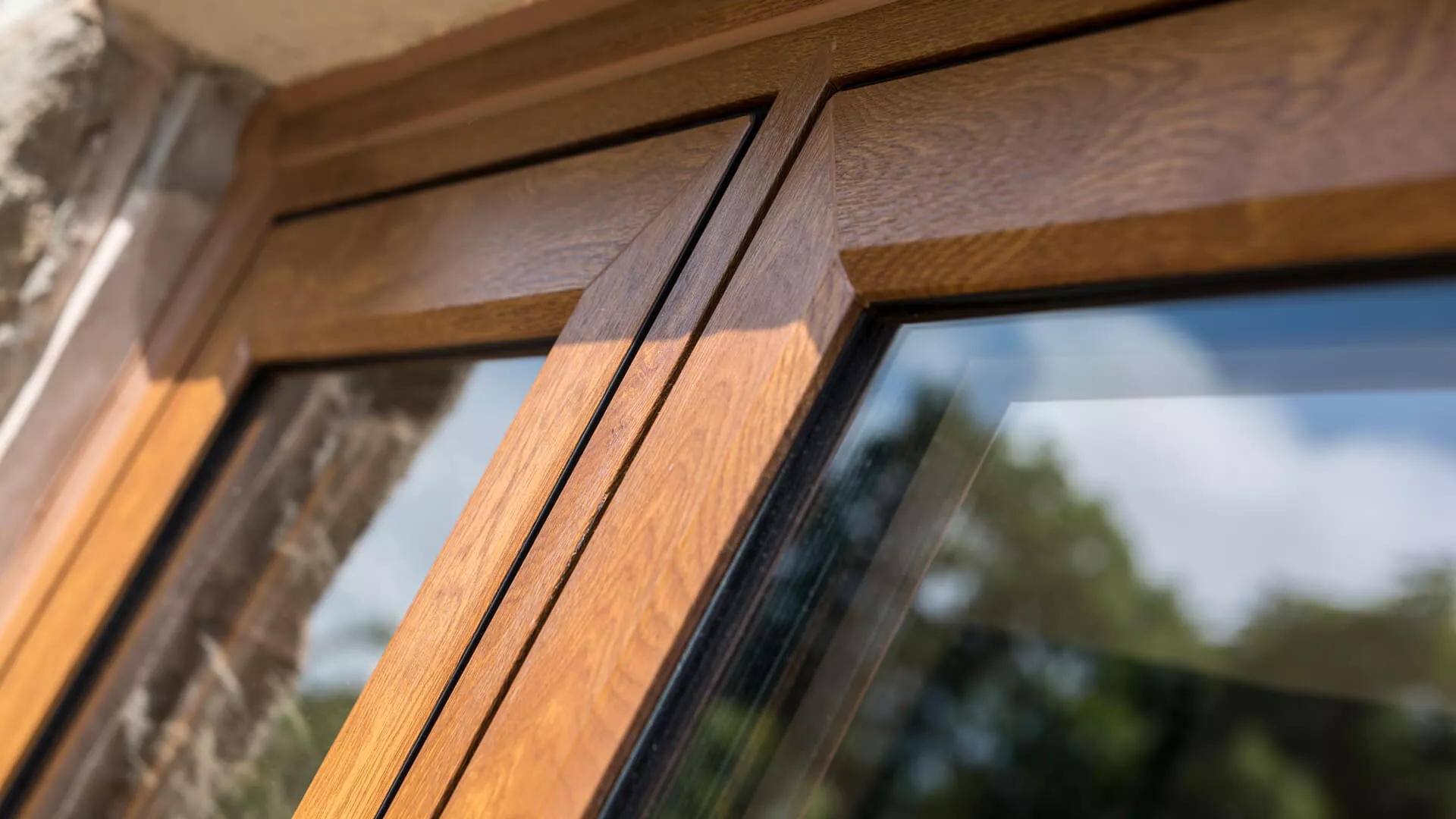
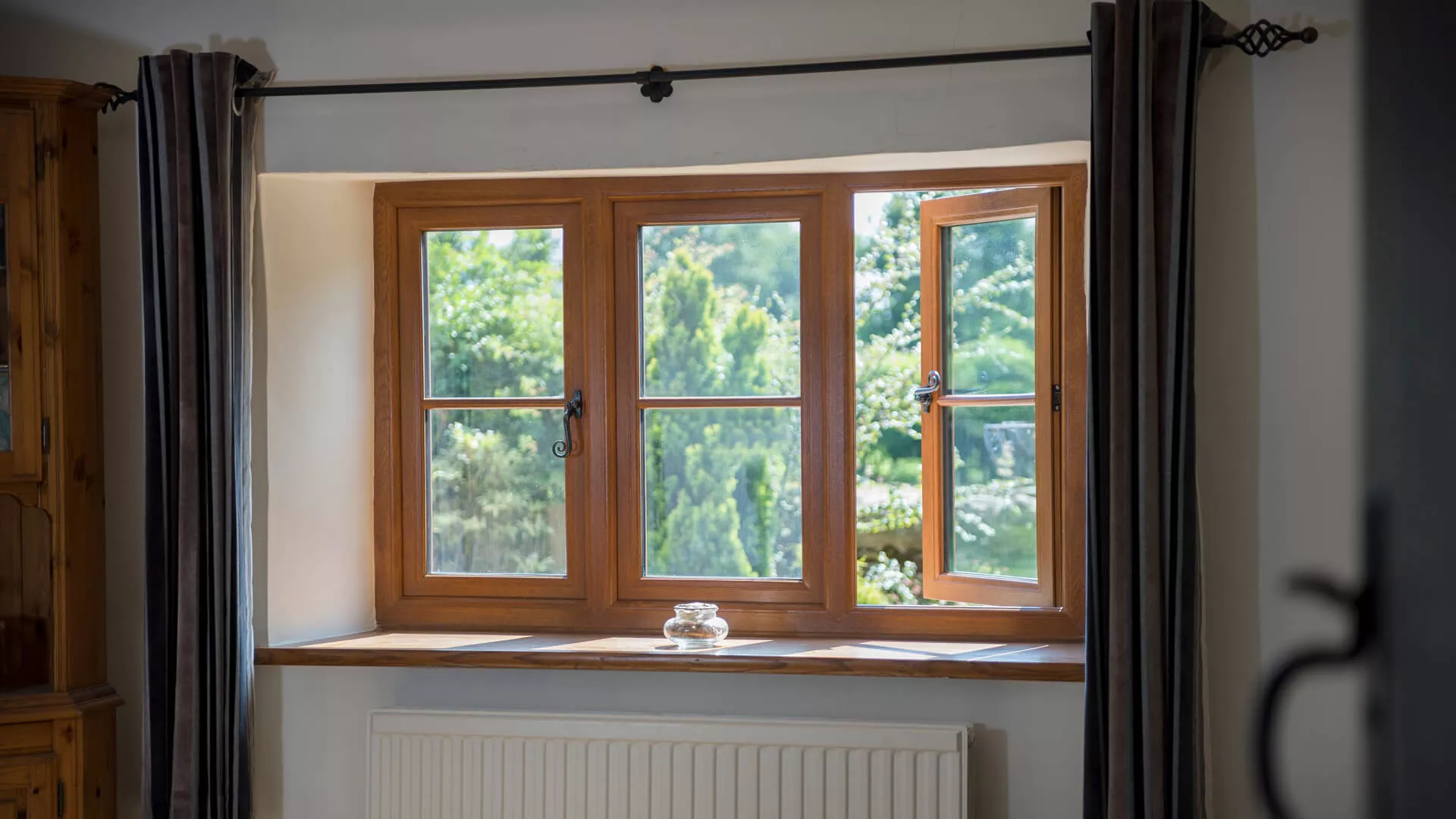
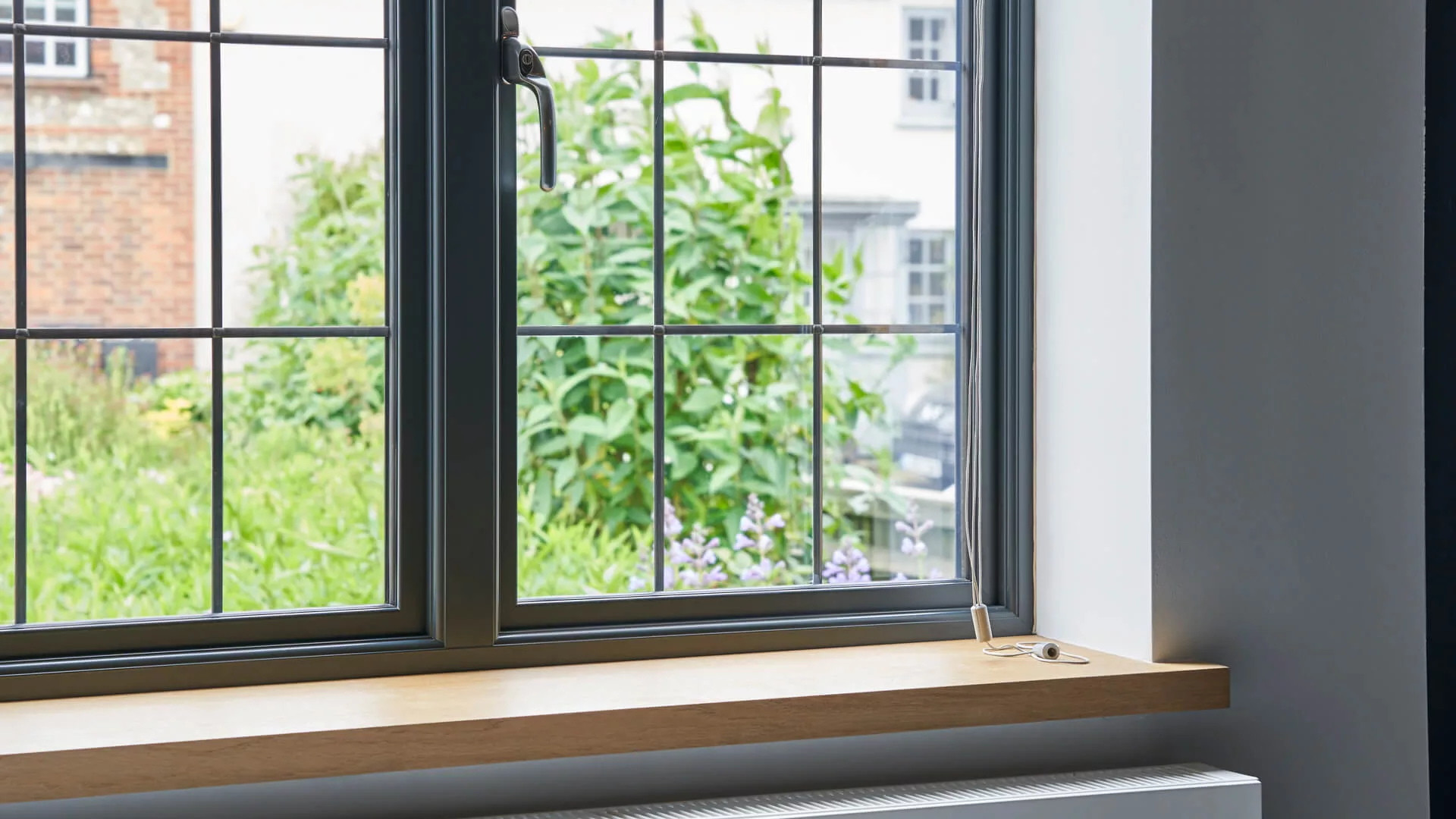
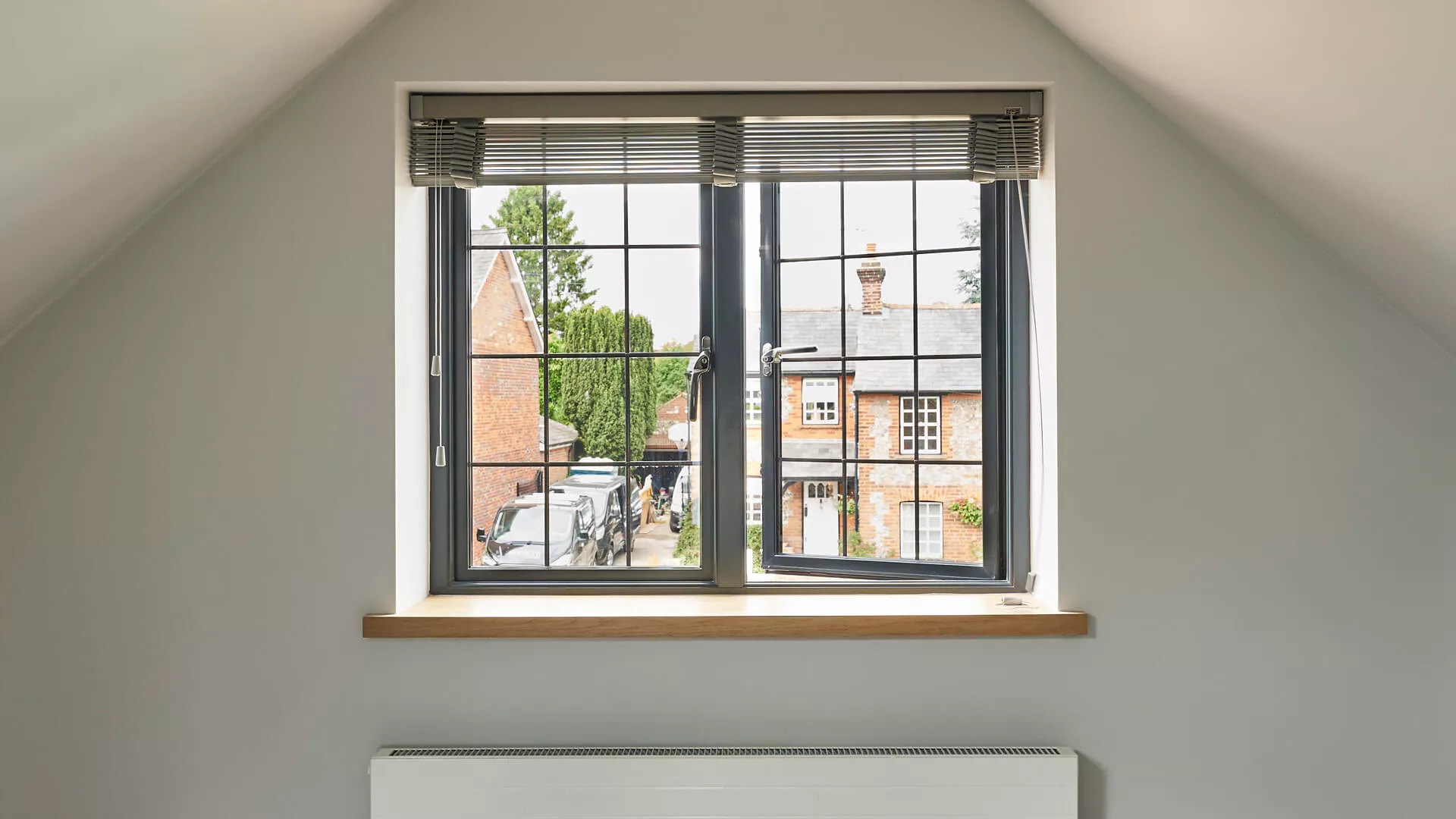
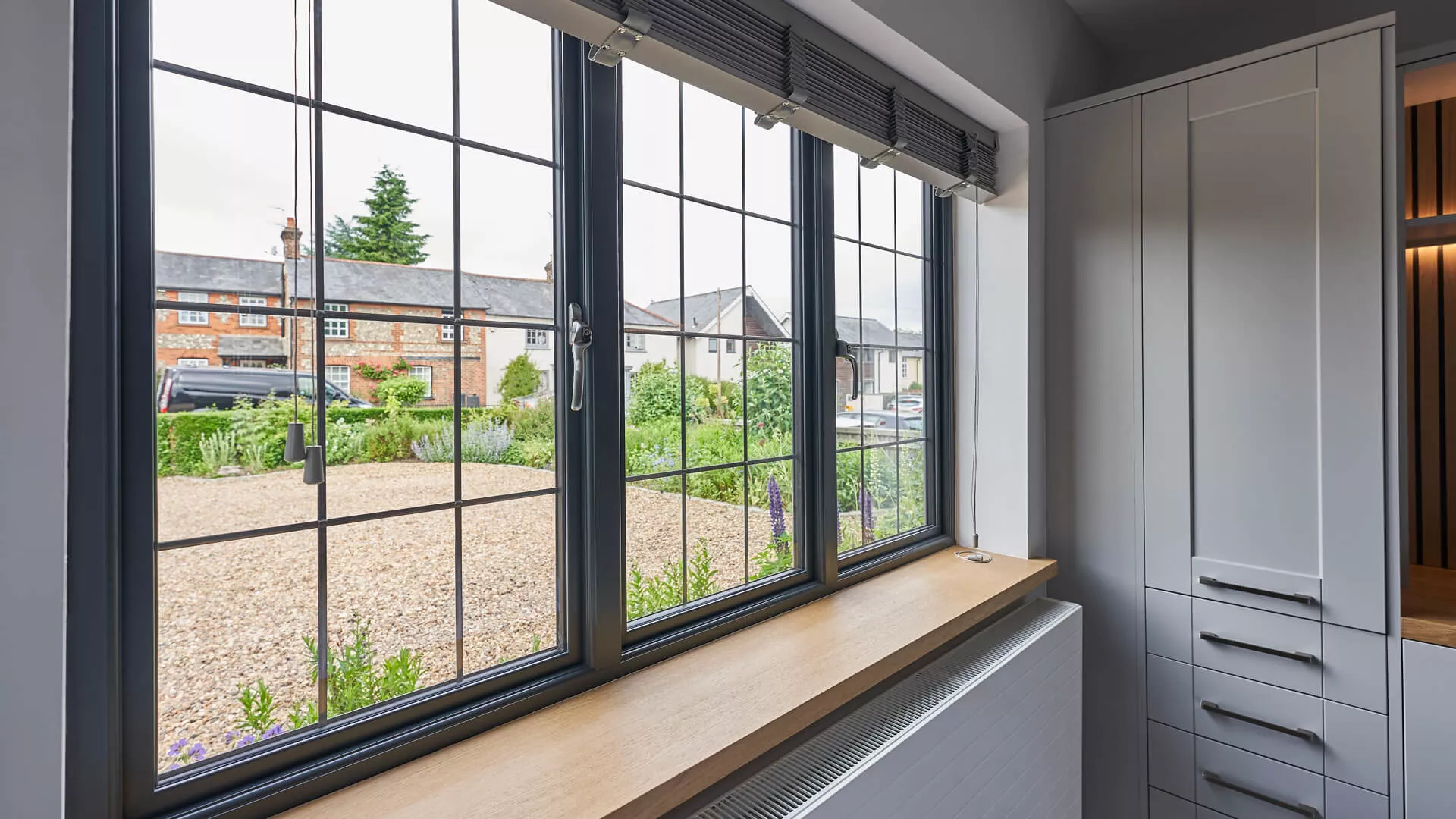
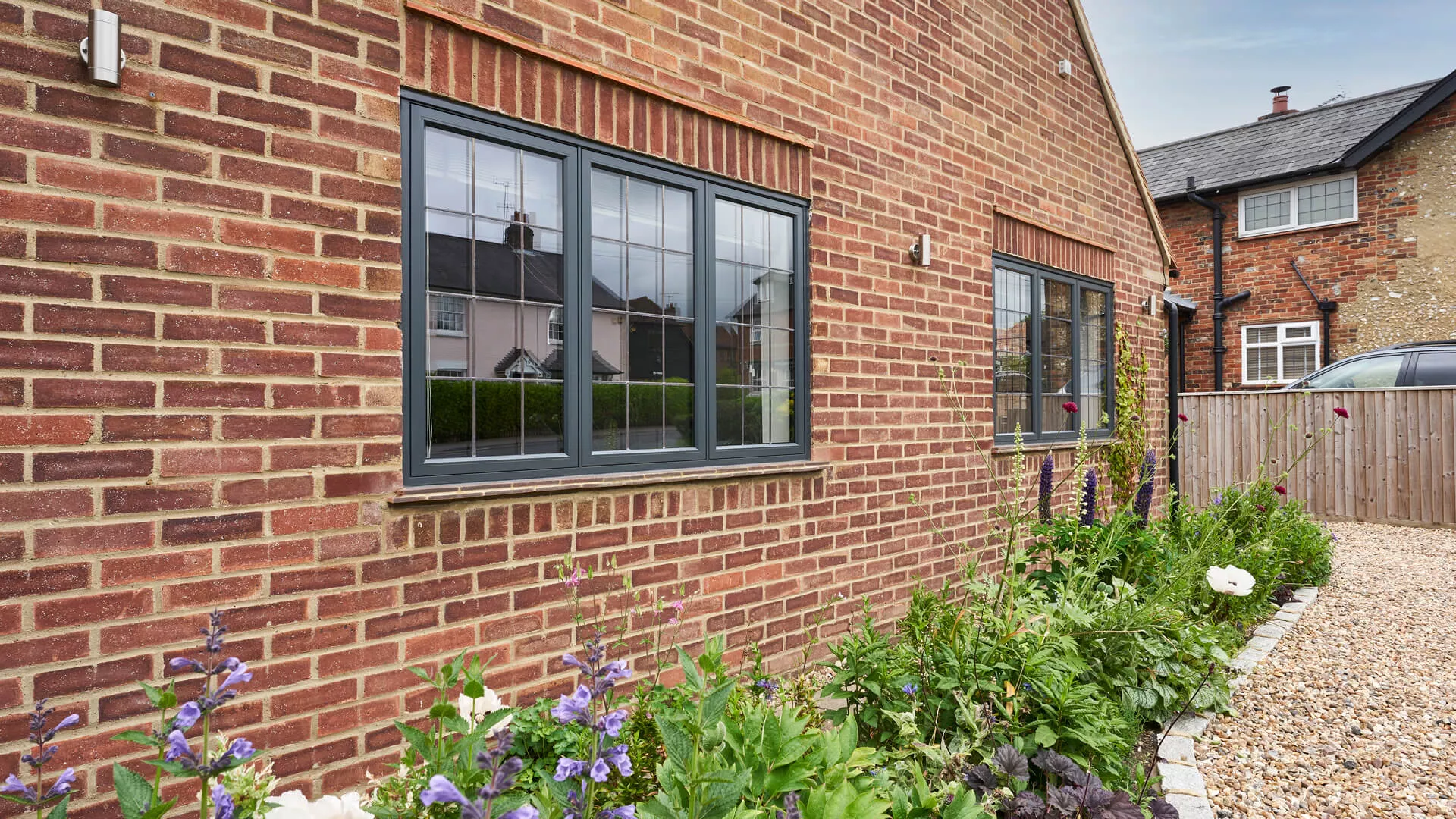
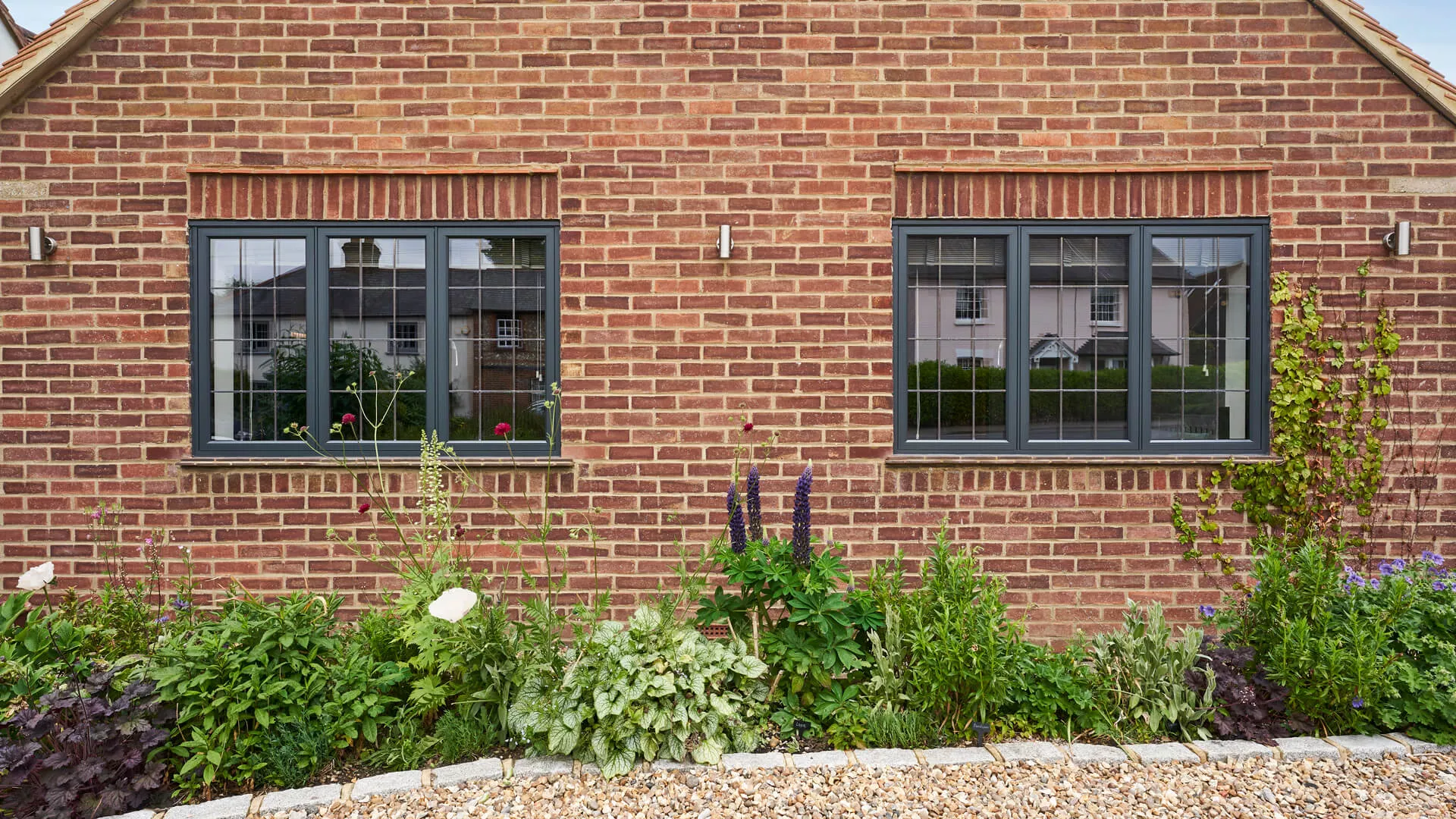
A flush casement window is side-hinged and sees the sash close flush into the external frame for perfect alignment with the face of the frame, prompting a faultlessly flat finish. There’s no visible lip on the outside like you get with standard casements, making flush casement windows sleeker and less obtrusive. In contemporary flush casement UPVC windows and flush-fit UPVC casements, there’s mechanical jointing of sashes, deep bottom rails, and a standard co-extruded gasket weather seal, ensuring resilience, thermal efficiency and seamless operation.
Flush Sash Windows Explained
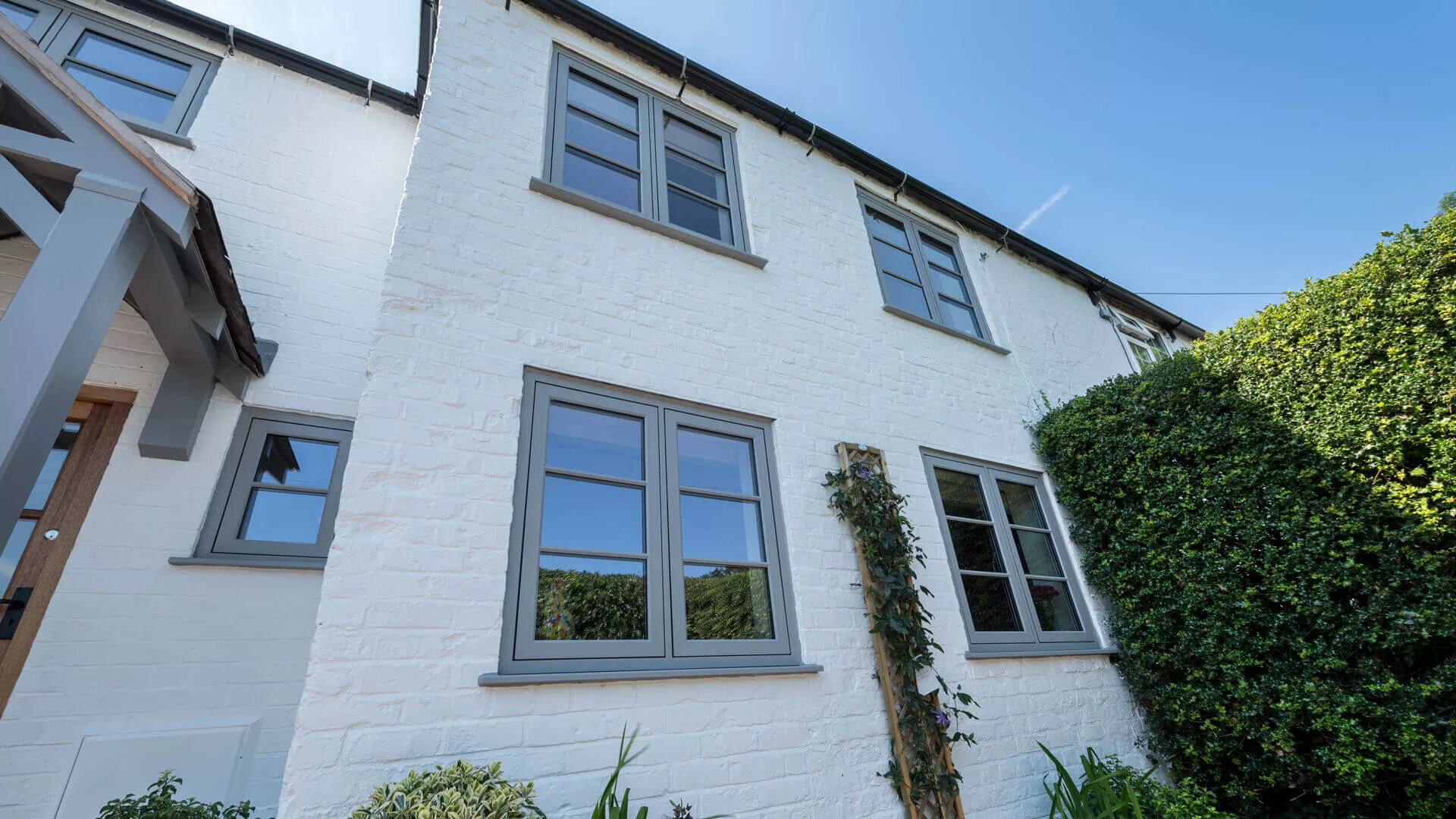
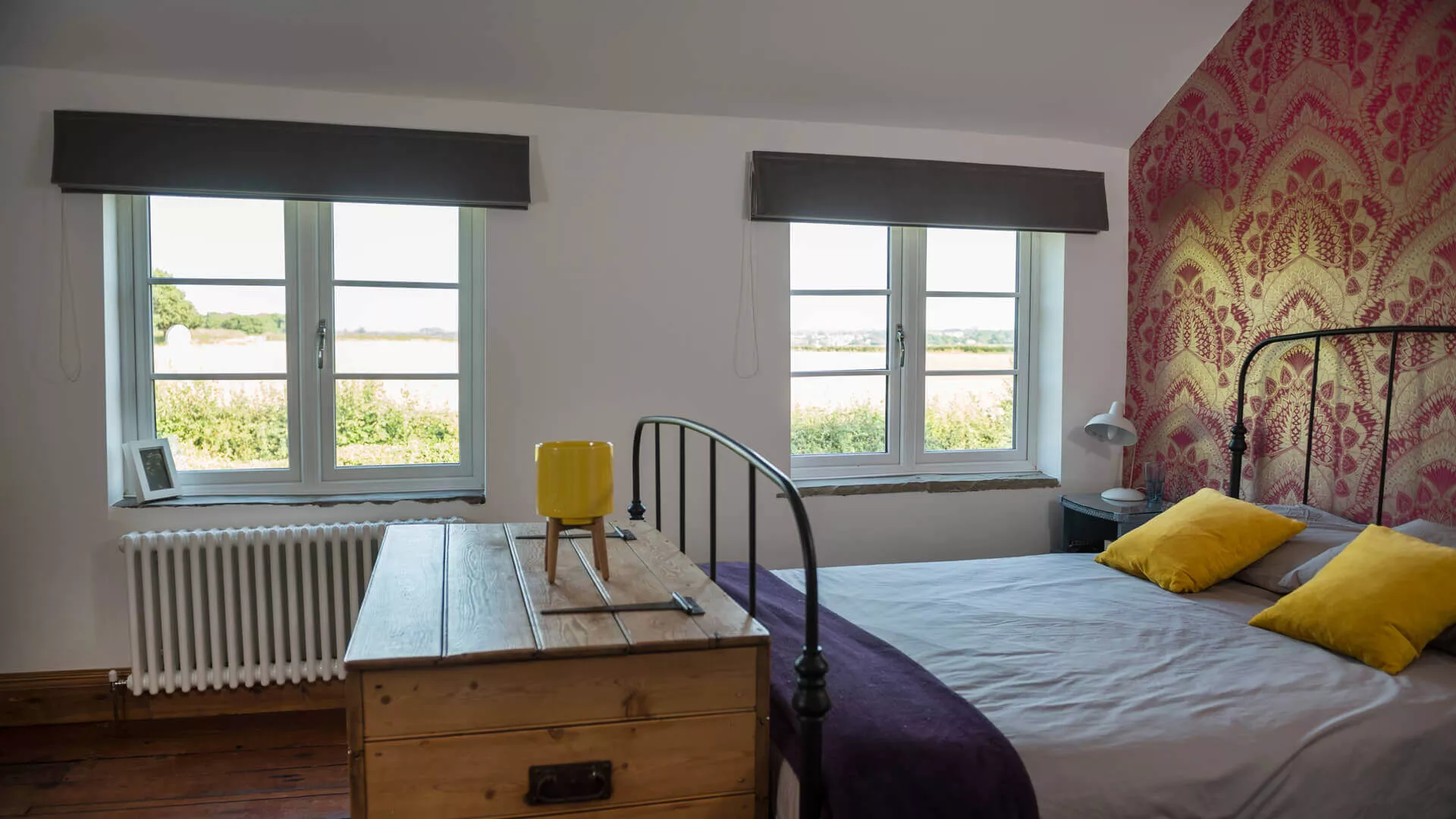
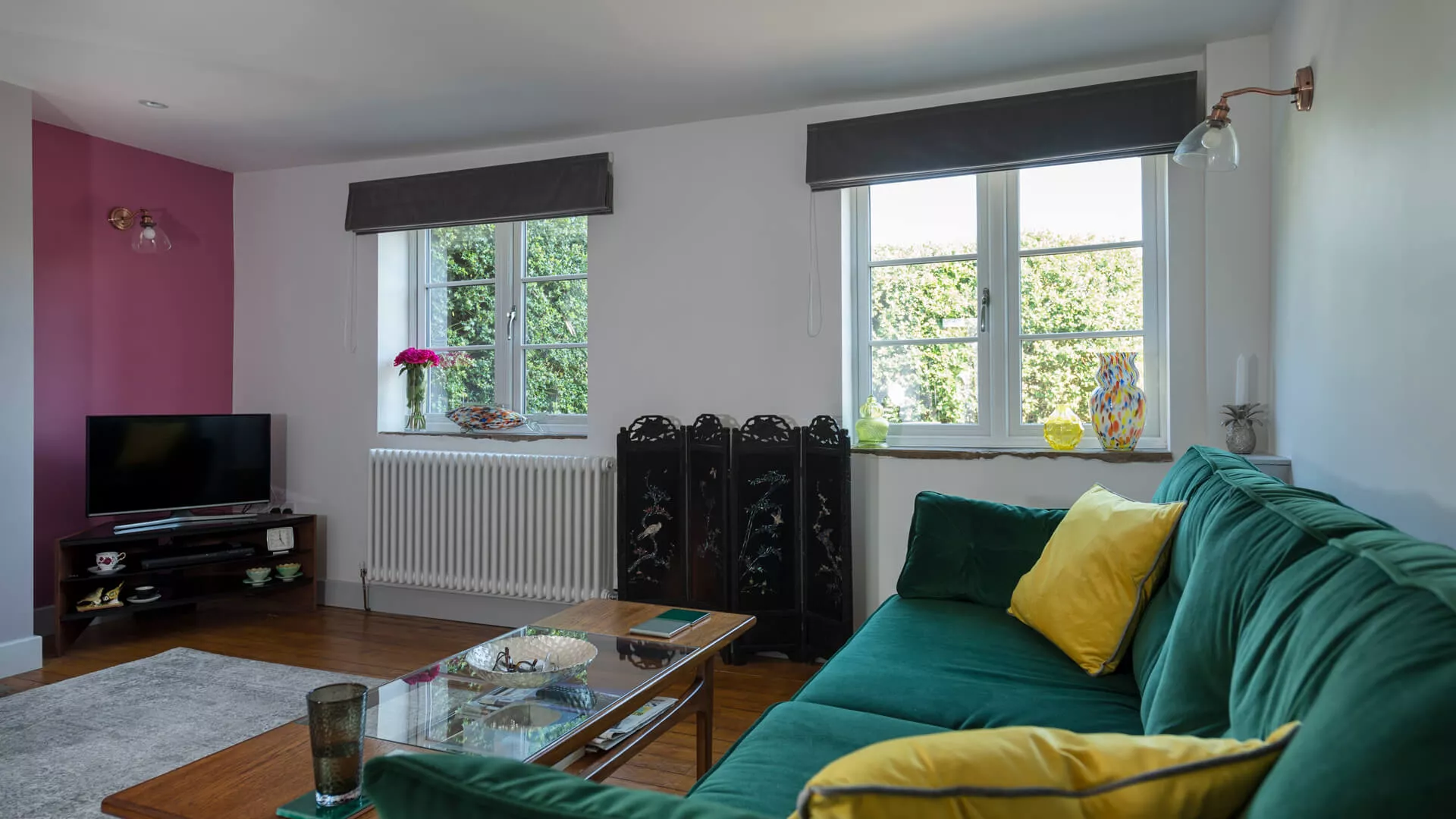
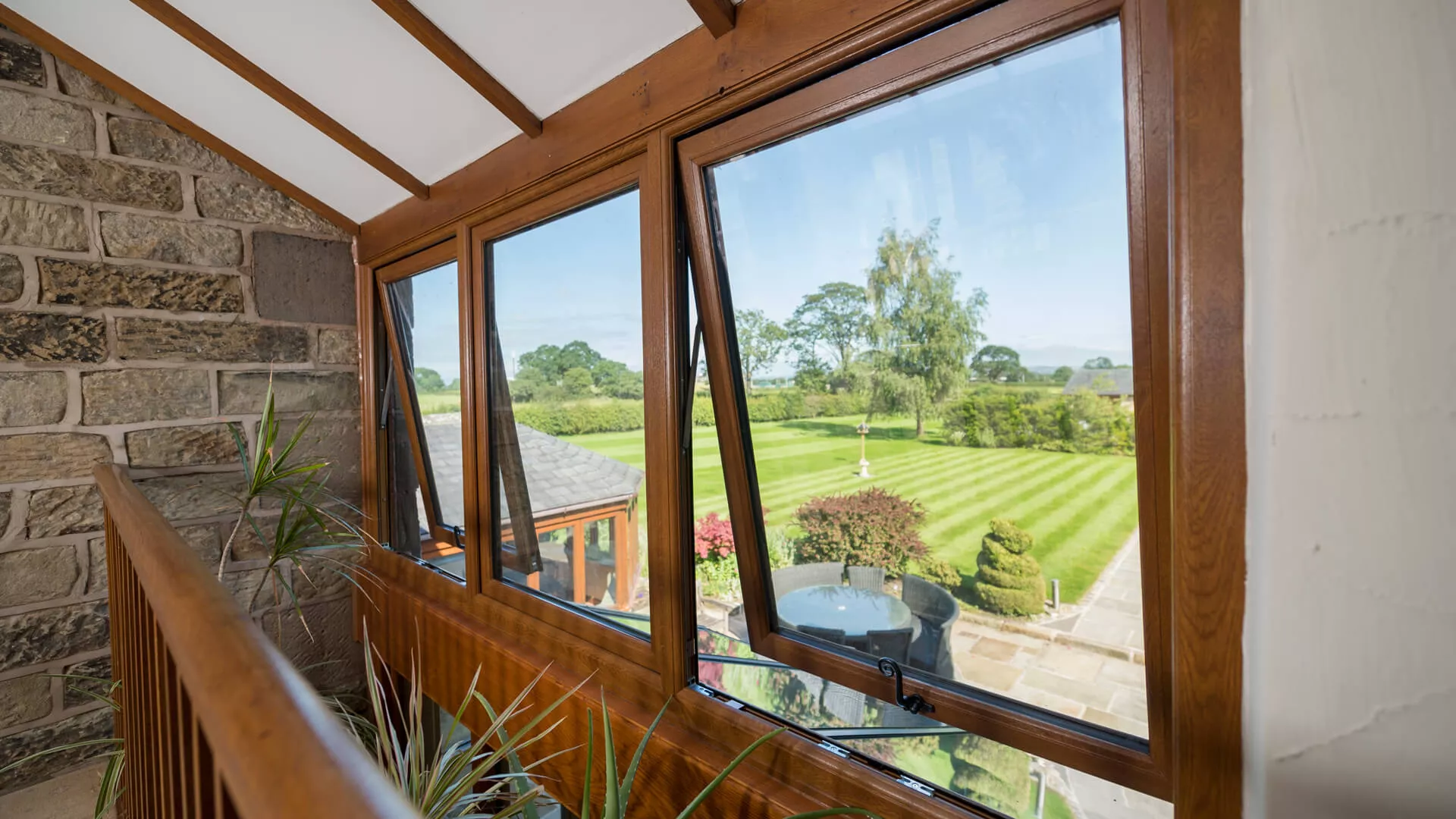
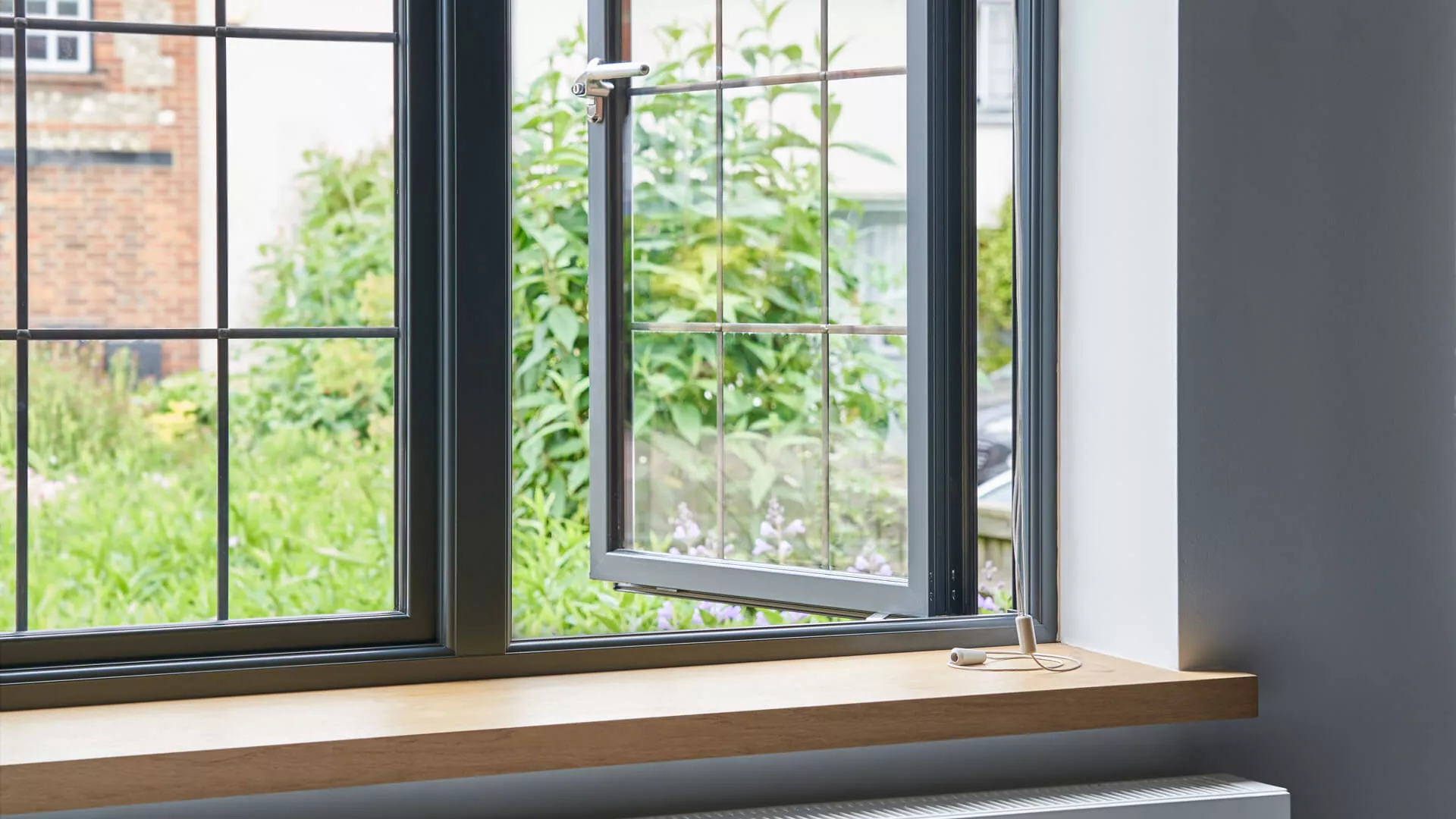
Flush sash windows have a sash that sits flush in the frame, again with no external overlap, delivering a smart, levelled profile. This immaculate aesthetic underlines the versatility of flush sash casement windows, UPVC flush sash windows and flush sash aluminium windows and is central to how effortlessly they complement traditional and modern property types. Intelligently designed flush sash windows will satisfy homeowners searching for energy efficient windows with olde-worlde charm that boast impressive performance and fashionable looks.
Flush Windows vs Non-Flush Windows
The primary distinction between the two styles is how each window sits within the frame.
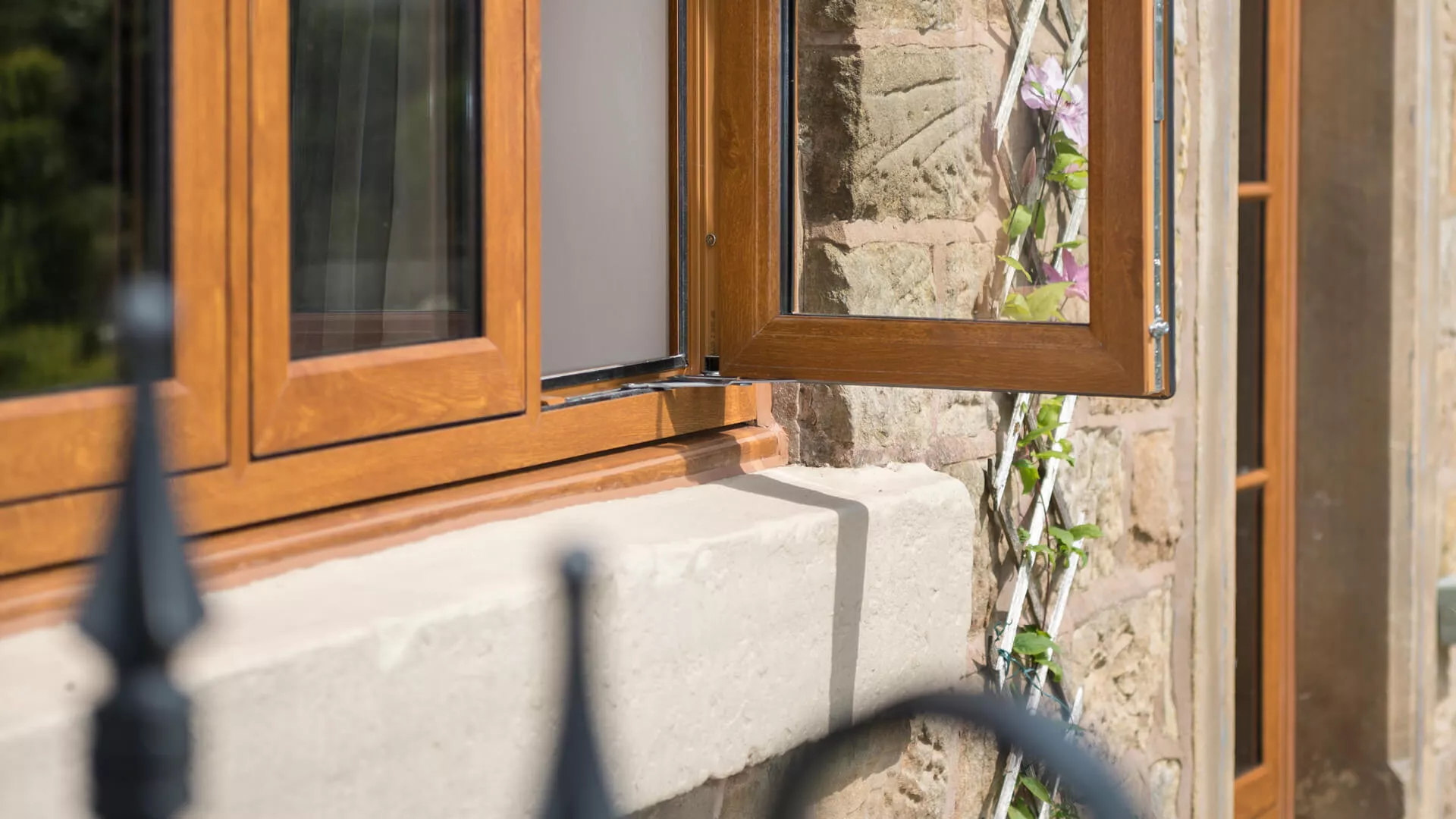
Non-flush windows, including storm casement windows (sometimes called lipped casement windows), have openable parts that project outwards from the frame. Their sash sits proud of the frame, with a visible lip overlapping the external edge, enhancing weather resistance.
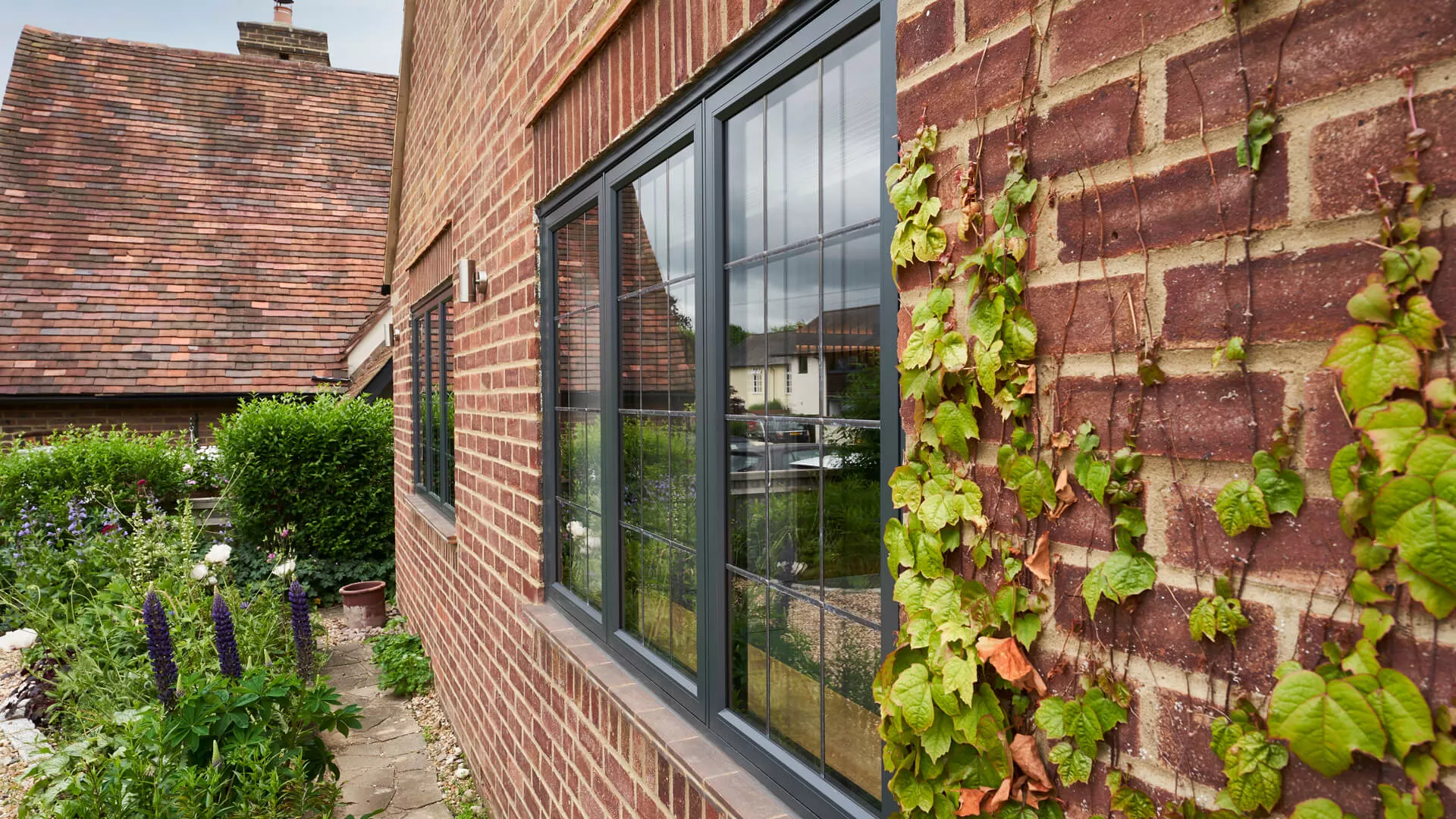
On the flip side, a flush window sits dead level with the frame, resulting in a smooth, flat effect with zero overlap. Although non-flush UPVC casement windows and alternative non-flush windows tend to come in a broader selection of designs, including mixed frame profiles and hardware options, flush windows are predominantly focused on realising a pristine, streamlined appearance.
They’re evenly matched from a performance standpoint, as non-flush windows are very energy efficient and contemporary flush alternatives similarly so. Aesthetics is the ultimate decisive factor: stormproof windows cater for tradition and functionality, whereas flush windows have a flawless finish perfect for modern and heritage-like residences.
As to which variety of window you should employ across your different rooms, our blog on window design ideas will help you uncover that.
Key Differences in Design and Appearance
You can identify flush windows, especially flush casement windows, by their sash, which sits completely flush inside the frame when closed, rather than overlapping. Stormproof (or lipped) designs, such as storm casement windows, are lipped and contain openable sections that protrude from the frame – thus, their sash sits proud.
Standard UPVC casement windows feature an external overlap of sash over frame, chiefly engineered for weatherproofing, yielding a more traditional and chunkier aesthetic. The absence of an overlap in flush designs is achieved through manufacturing techniques like Smoothweld joints to retain clean lines and a sophisticated finish.
Which Style Is Right for Your Property?
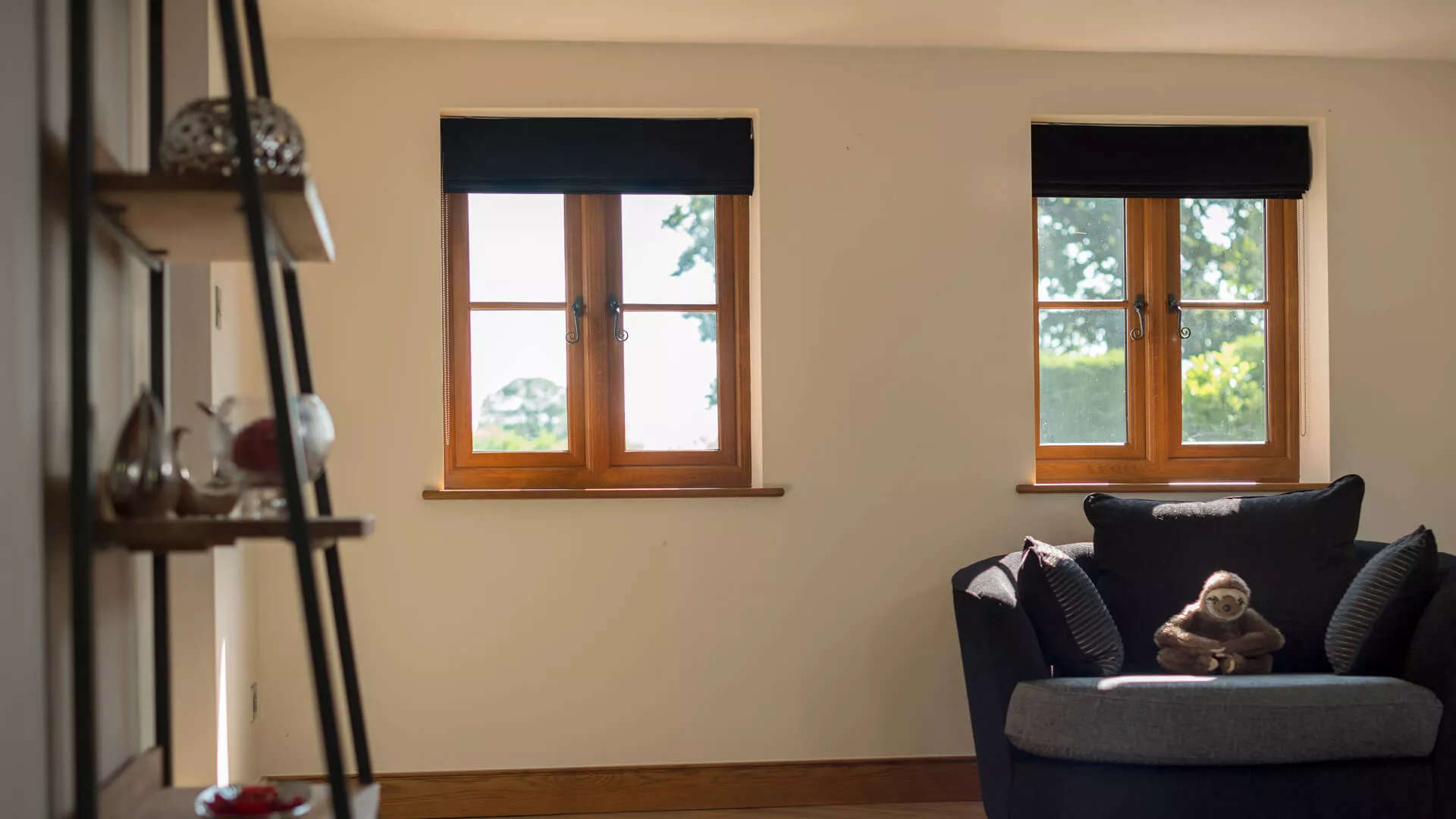
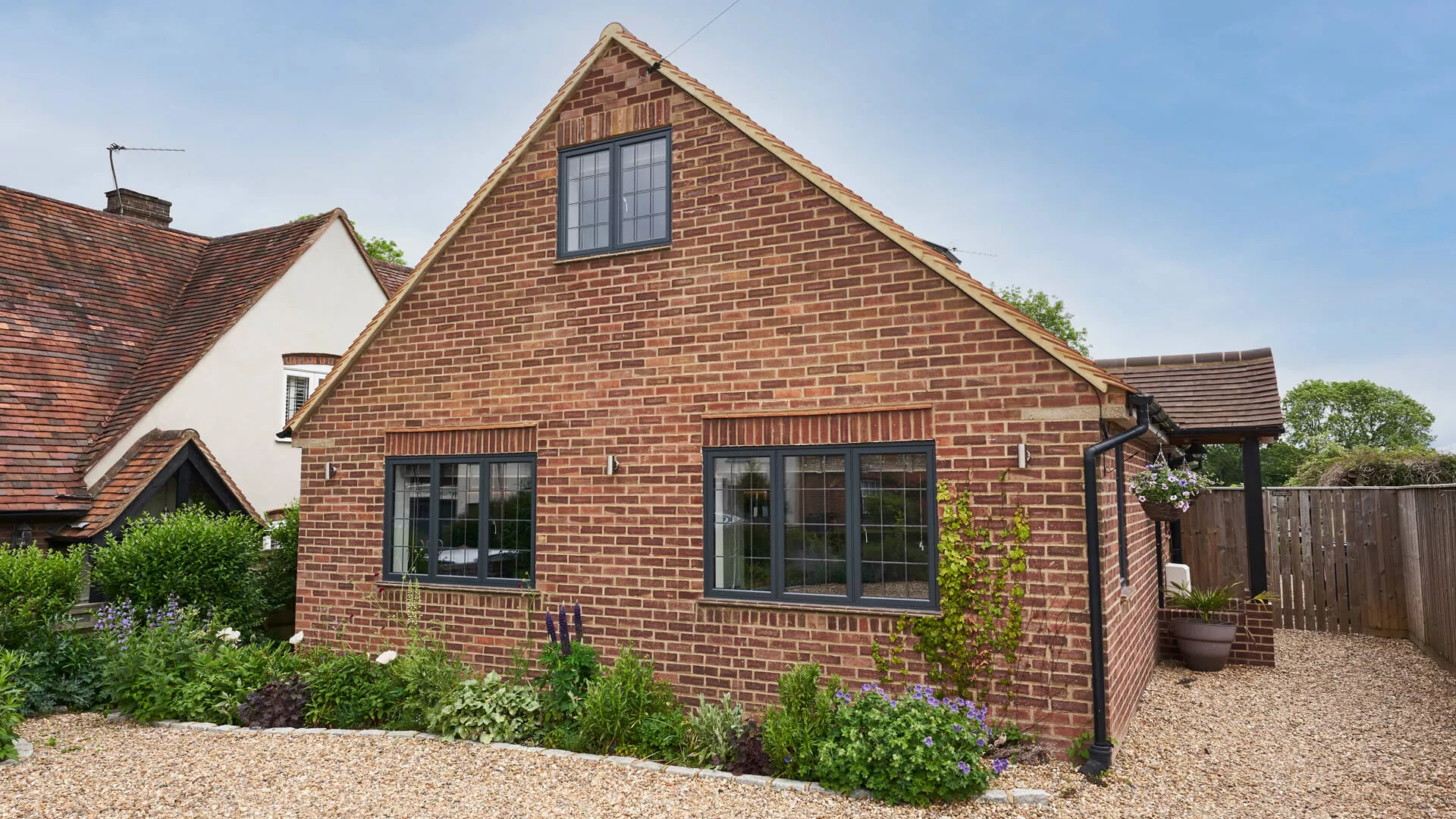
Flush windows, including types of windows such as flush sash windows and flush casement windows, beautifully suit period dwellings, traditional abodes and residences either classified as ‘listed’ or situated within conservation areas. Their resemblance to classic timber designs is why. Flush sash windows fit perfectly in listed and period homes, with flush casement windows a fantastic choice for period properties, listed buildings and conservation areas to uphold heritage aesthetics.
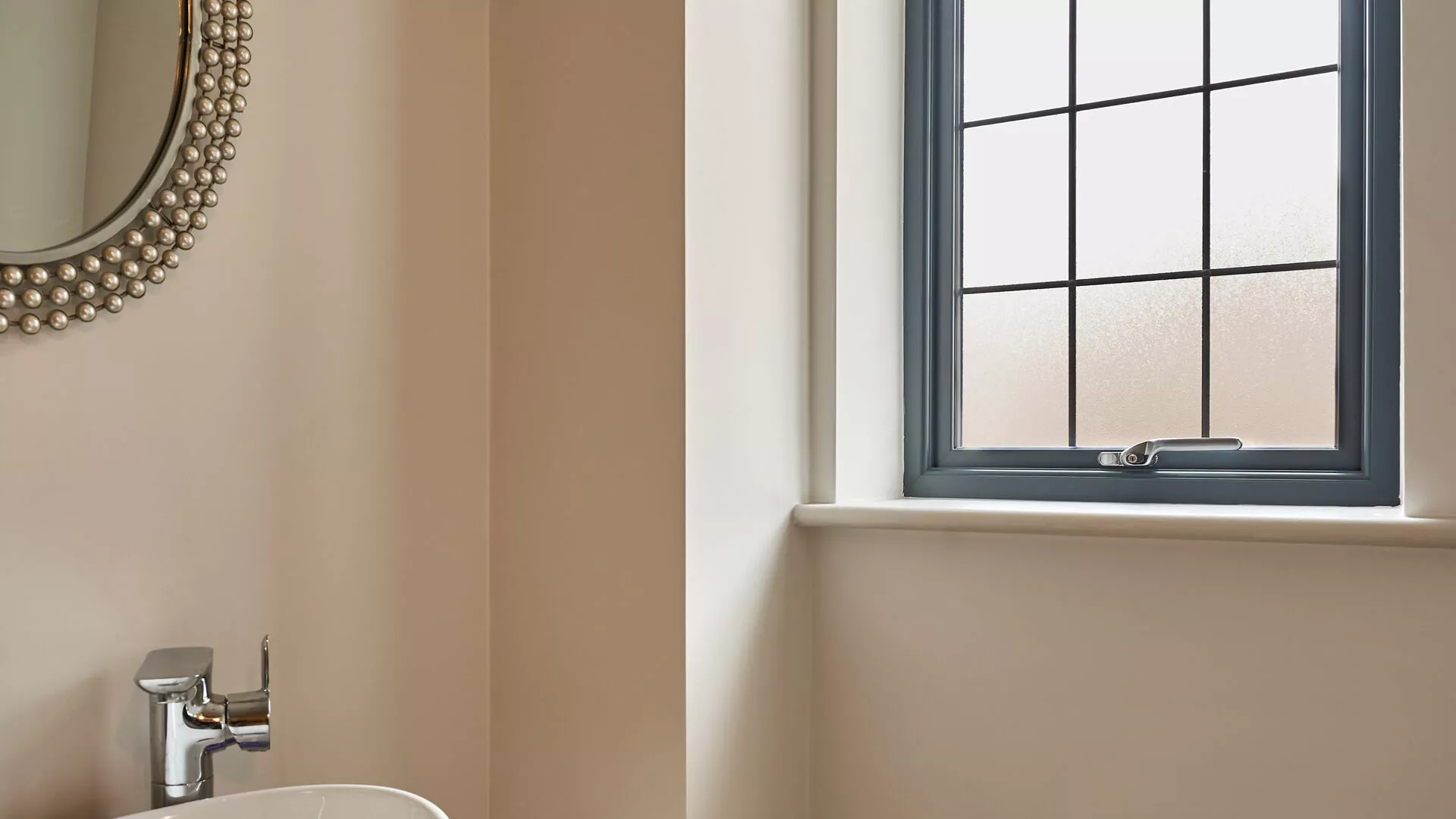
Crucially though, flush innovations aren’t exclusive to traditional settings. Aluminium flush casements get chosen a lot for contemporary homes, namely when a homeowner seeks to imitate period features while preserving a polished, modern finish.
Non-flush styles are recommended if flexibility is deemed important as a broader variety of frame designs, finishes and hardware choices allow a wider range of practical needs to be met.
Thermal Performance and Energy Efficiency
Impressive thermal performance is a certainty with flush windows, as is elegant style. Standard window configurations can manage a windows U-value as low as 1.1 W/m²K, keeping heat loss minimised to foster a cosy indoor temperature all year-round.
Most contemporary systems contain double glazing as standard and offer A-rated energy efficiency. Allied with tight seals and an advanced frame construction, flush designs provide superb insulation across an array of property types.
With flush windows, heat insulation will markedly improve and initiate a reduction in energy costs. Whether renovating a long-standing house or new build home, their energy performance makes them a solid contender for engineering comfort and cost savings.
Gather advice on how to insulate windows for tried-and-tested methods of escalating the insulation provided by energy-efficient designs.
Security Features of Flush Windows
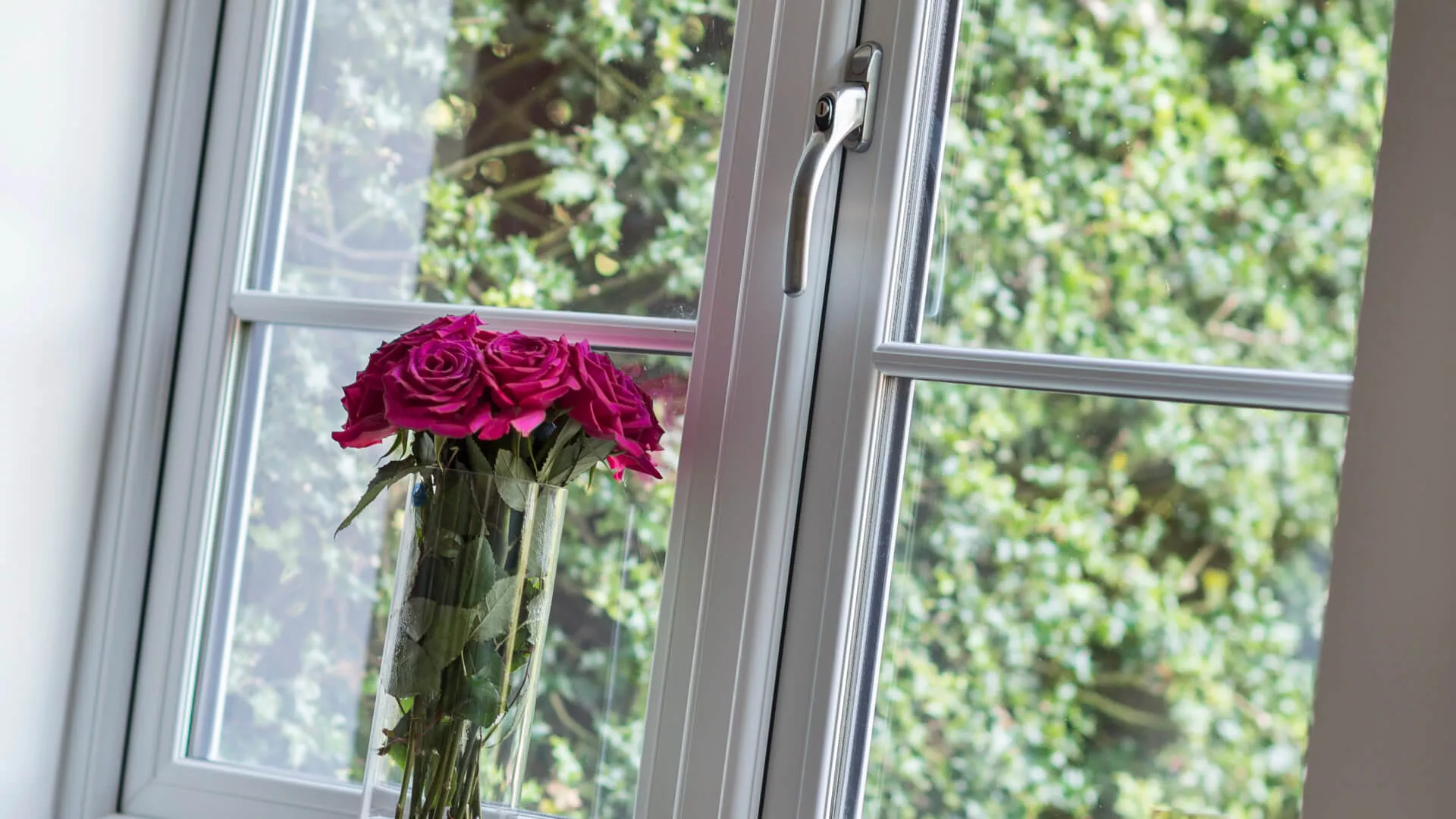
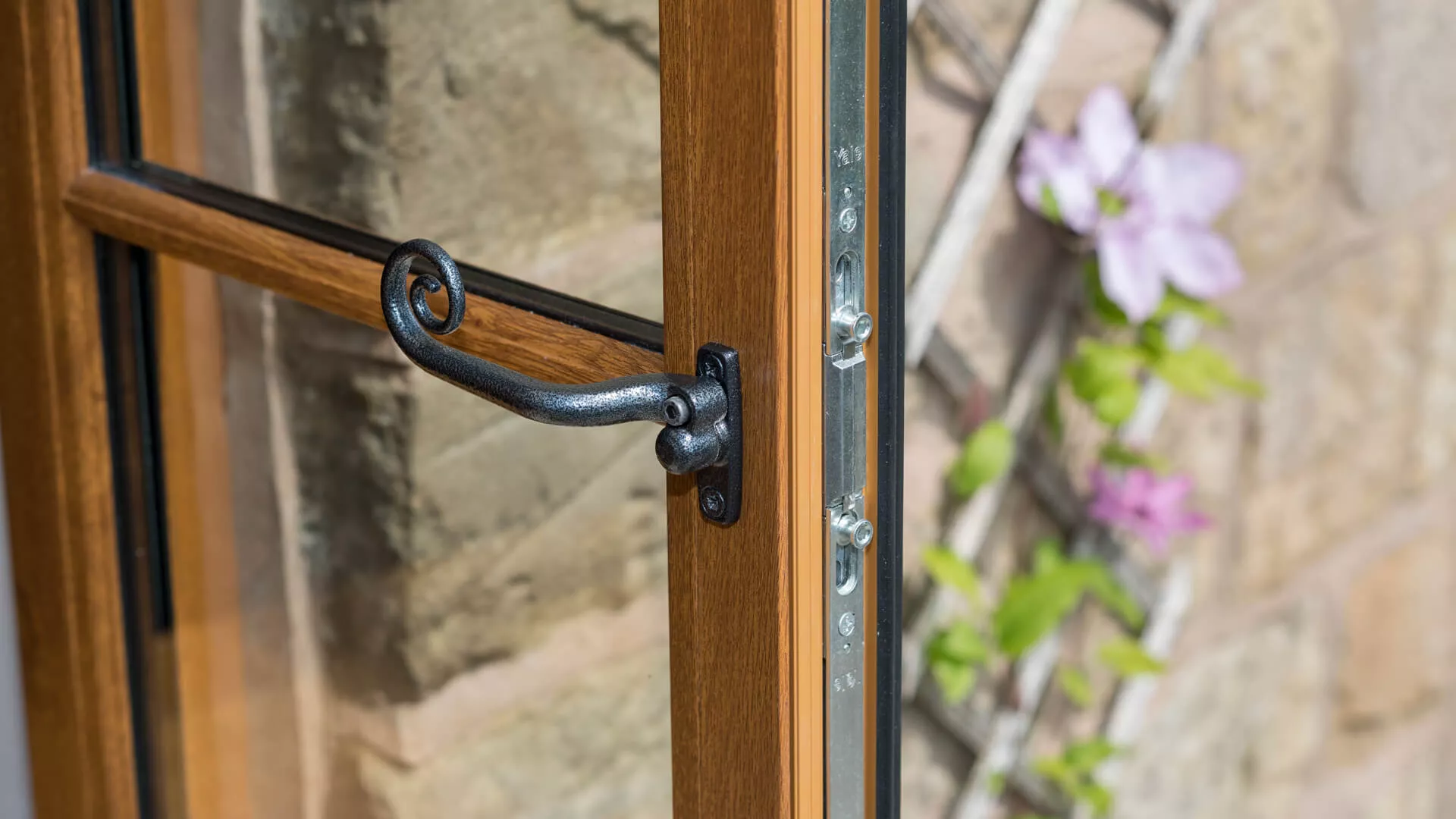
Feeling protected in your home is essential and security is well accounted for in modern flush designs. Most incorporate multi-point locks, securing the sash at multiple points along the frame, vastly reducing the chances of a forced entry occurring. Always look for multi-point locking as it is a fundamental security component in flush window security.
Locking systems normally satisfy PAS 24 approved security requirements, confirming they have the resistance to combat typical intrusion tactics. High security locking is also a constituent of flush casement windows, assuring you of reliable protection.
To amplify security, internal beaded glazing (preventing the removal of glass from the outside), hinge protectors and anti-lifting blocks are often present in flush windows. Added to that, you can also get key-locking handles, secure night vents and child safety restrictors to solidify the security supplied by flush windows.
Long-Term Value and Cost of Ownership
Don’t get too consumed with the initial cost of flush windows and instead focus on the value they’ll bring (we’ve answered how long do windows last in a separate article). UPVC flush sash windows promise greater cost-effectiveness than timber windows over the long-term as they’re cheaper and easier to preserve.
Flush casement windows are competitively priced and offer an excellent price-to-performance ratio, combining supreme thermal efficiency and resilience. By lowering heating costs thanks to uplifted insulation, flush windows are an economical investment for homes old and new.
Conclusion
As a final summary of flush windows vs non-flush windows, flush windows are designed to lie flat against a wall, with no external protrusions, creating a sleek and contemporary aesthetic. No matter if you select flush casement windows or flush sash windows, you’ll get a clean, modest look that complements period and modern homes.
Determining between UPVC or aluminium flush windows should be dictated by your budget, house style and performance needs.
Alongside aesthetics, consider performance and security. Flush windows comfortably exceed modern thermal demands and will minimise energy costs, and most flush casement windows embrace high security locking, often supplemented by multi-point locking and child safety restrictors. Refrain from buying until you’ve evaluated security certifications and U-values, and in the case of listed buildings or homes in conservation areas, checked planning requirements. We’d also suggest getting up-to-speed with standard window sizes before proceeding with a purchase from Hazlemere.








REQUEST YOUR FREE QUOTE
Simply fill in your details for your free, no obligation quotation, and click "Get Quote"
Want to speak with an Advisor? Give us a call on 08000 825 825
Our friendly team will be pleased to help with any questions you may have.