
Request Your Free Replacement Roof Quote
Simply fill in your details for your free, no obligation quotation
Q1. How much does a conservatory roof replacement cost?
There’s no fixed price as the cost will be determined by the size of the conservatory, what roofing system is chosen (tiled or glass), and any design complexities involved. Generally, it’s less costly to update smaller coverings than larger roofs.
Q2: What are the main types of conservatory roof replacement and how long do they last?
You’ve got glass roofs, solid/tiled roofs and the traditional polycarbonate roof. Polycarbonate roofs have the shortest lifespan (10-20 years), while well-installed and well-maintained glass and solid/tiled roofs can last 20-40 years.
Q3: Do I need planning permission to replace my conservatory roof?
Most replacement conservatory roof projects come under permitted development rights, excluding them from planning permission. Approval from your local authority may be required though if restrictions are enforced on your house or the roof upgrade will entail a significant change.
Q4: How long does it take to install a replacement conservatory roof?
Some installations can be done and dusted within one day, but it tends to take up to three days. That can extend to around a week in the event of any weather disturbance or structural alterations.
Thermal and Comfort Red Flags
Just because a roof looks fine structurally, doesn’t mean you should ignore performance issues that materialise and delay in getting a solid conservatory roof replacement sorted. The insulating qualities of traditional conservatory roofs are often inadequate and at fault for insufficient temperature regulation.
A knock-on effect of a badly insulated conservatory letting heat escape is that you over rely on your heating system to compensate for the dearth of warmth, which drives energy bills up. Uncomfortable living conditions can make year-round use of such spaces impossible.
Benefits of Replacing Your Conservatory Roof
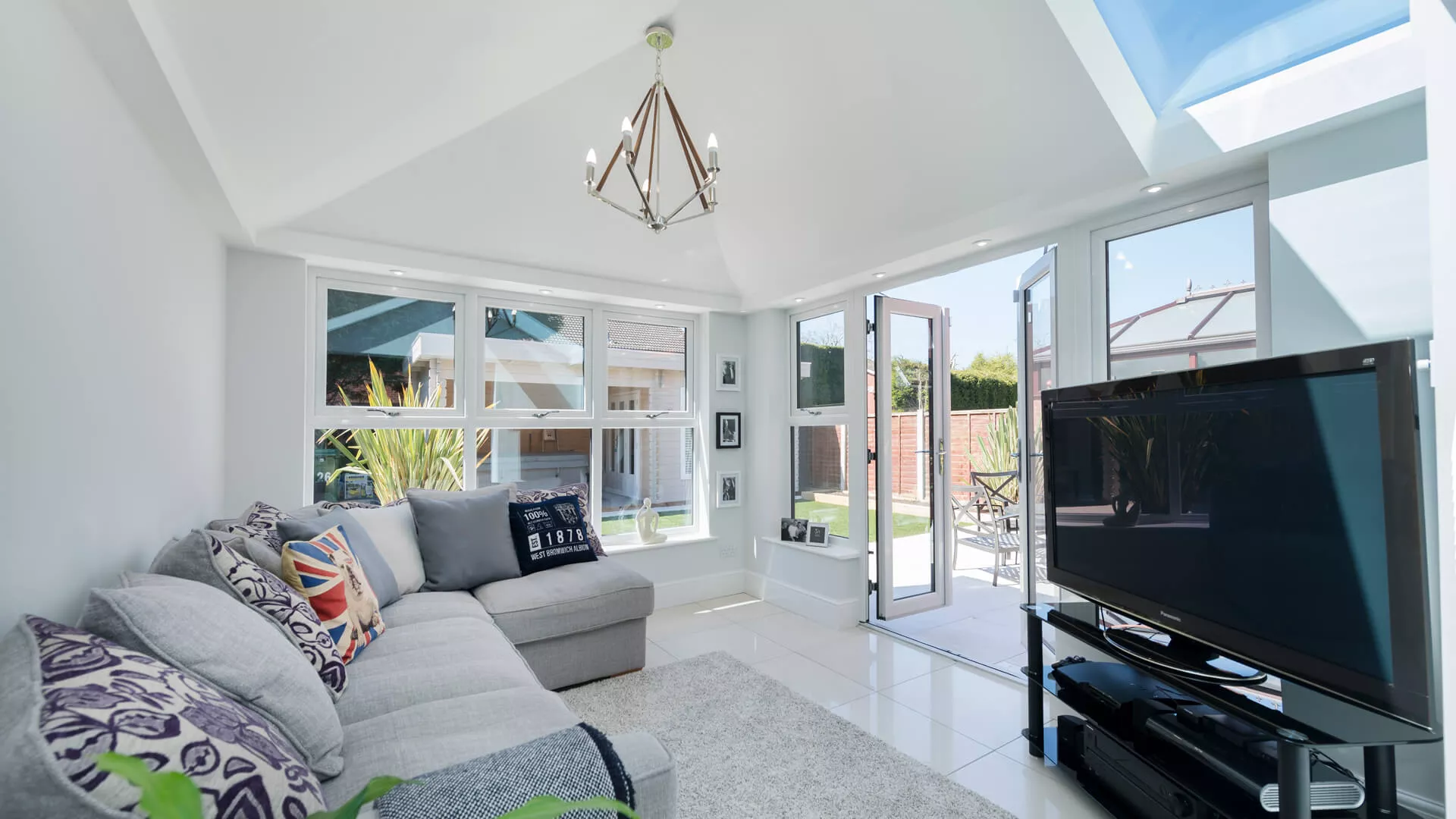
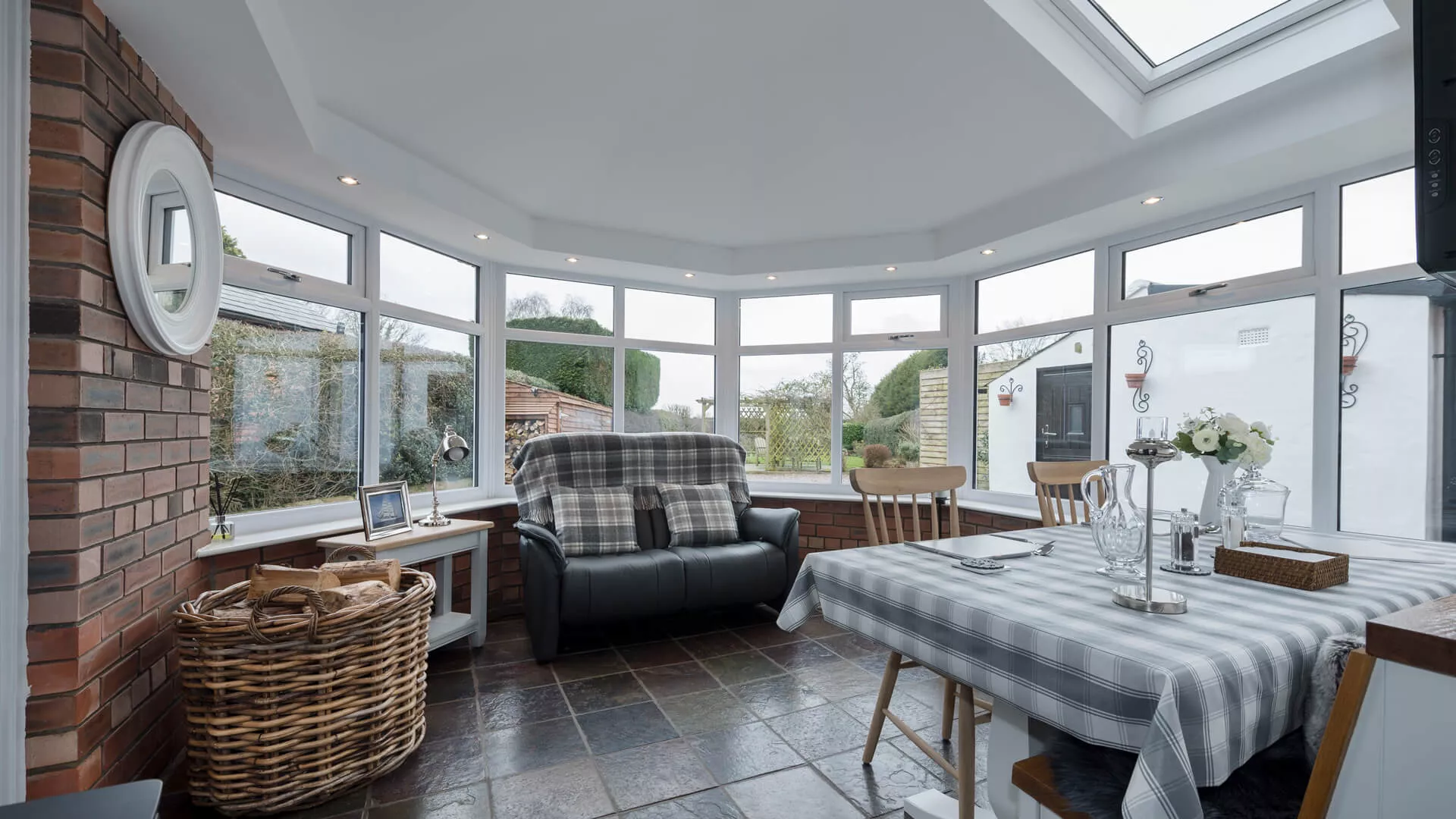
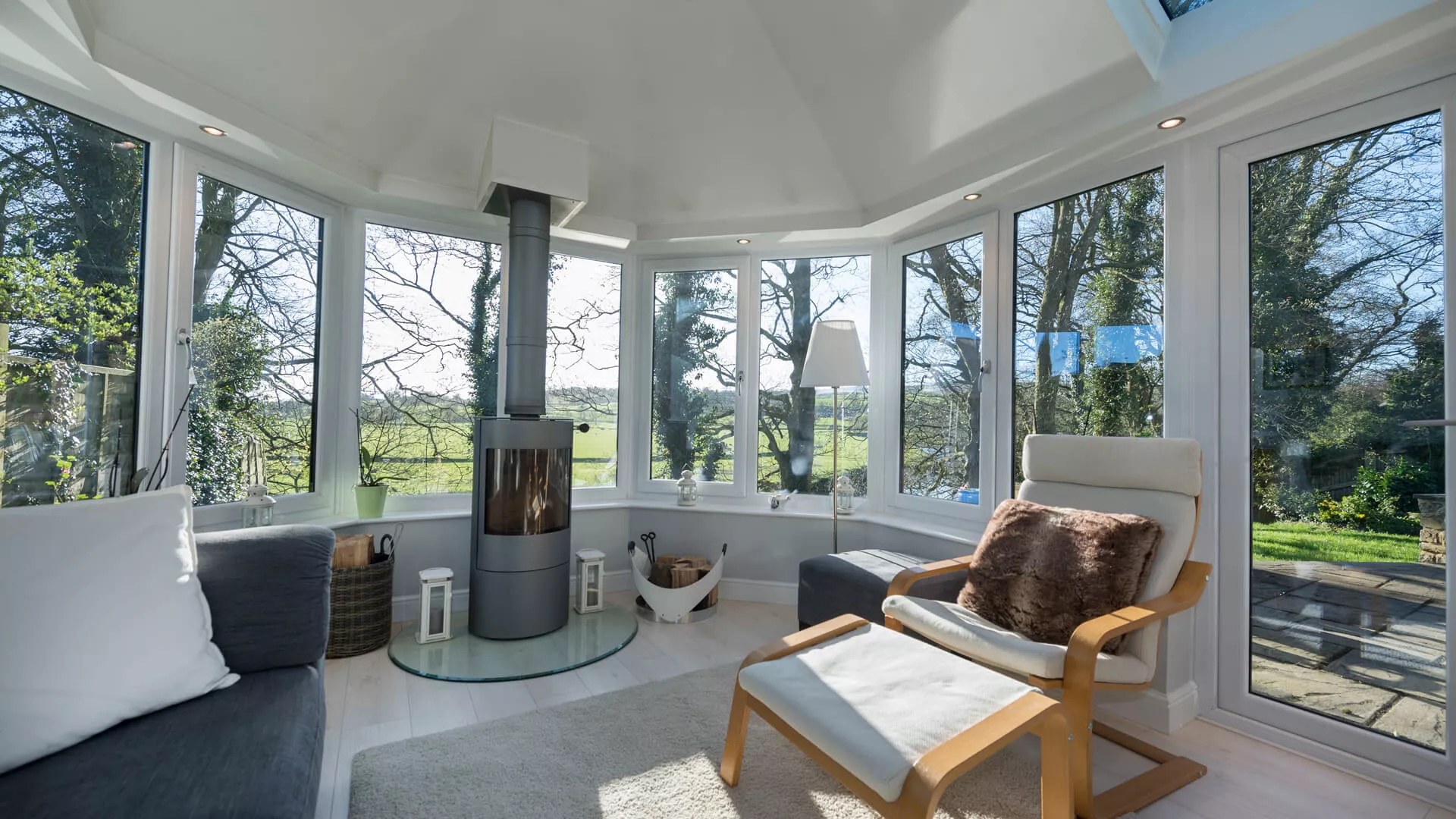
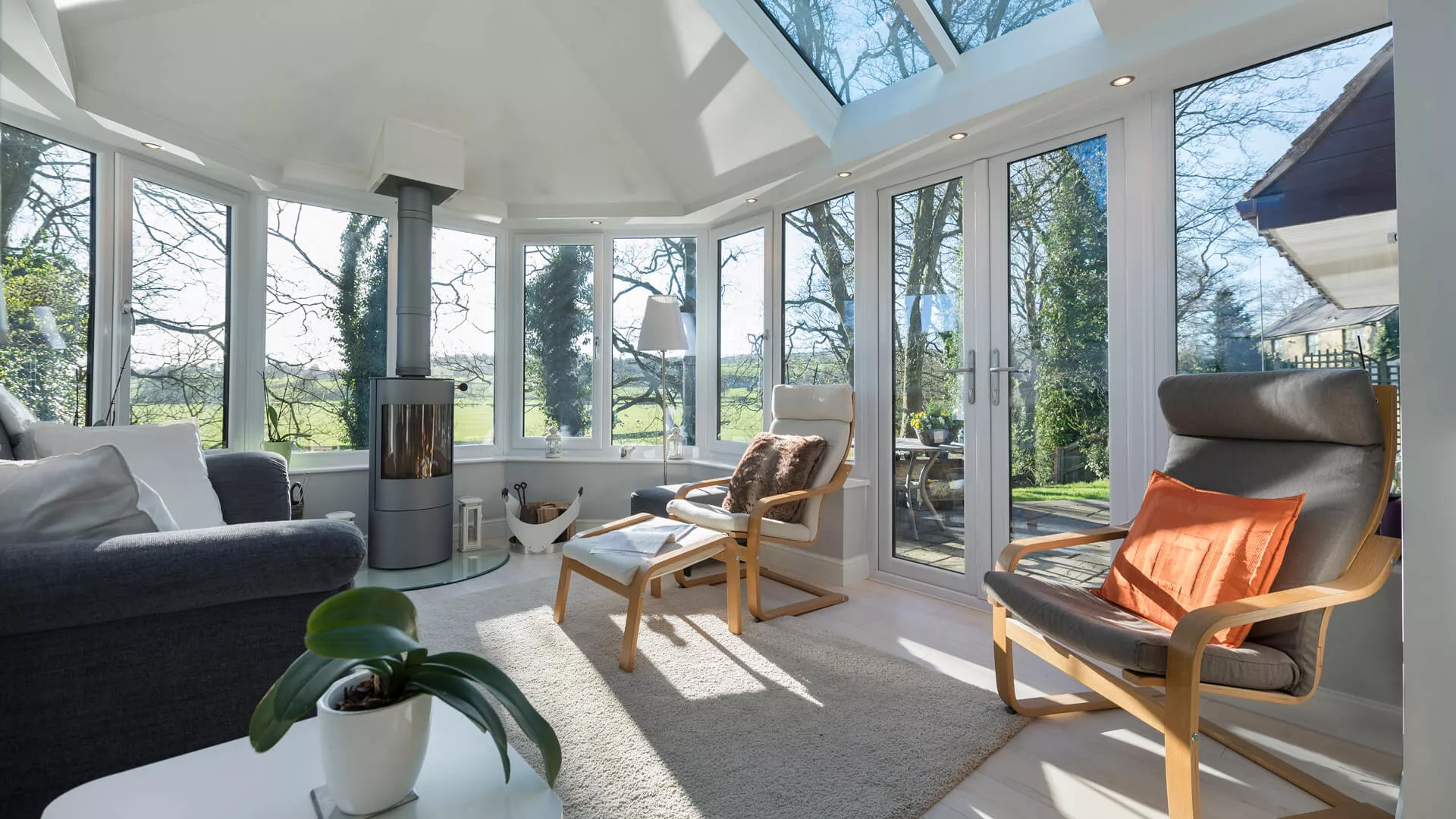
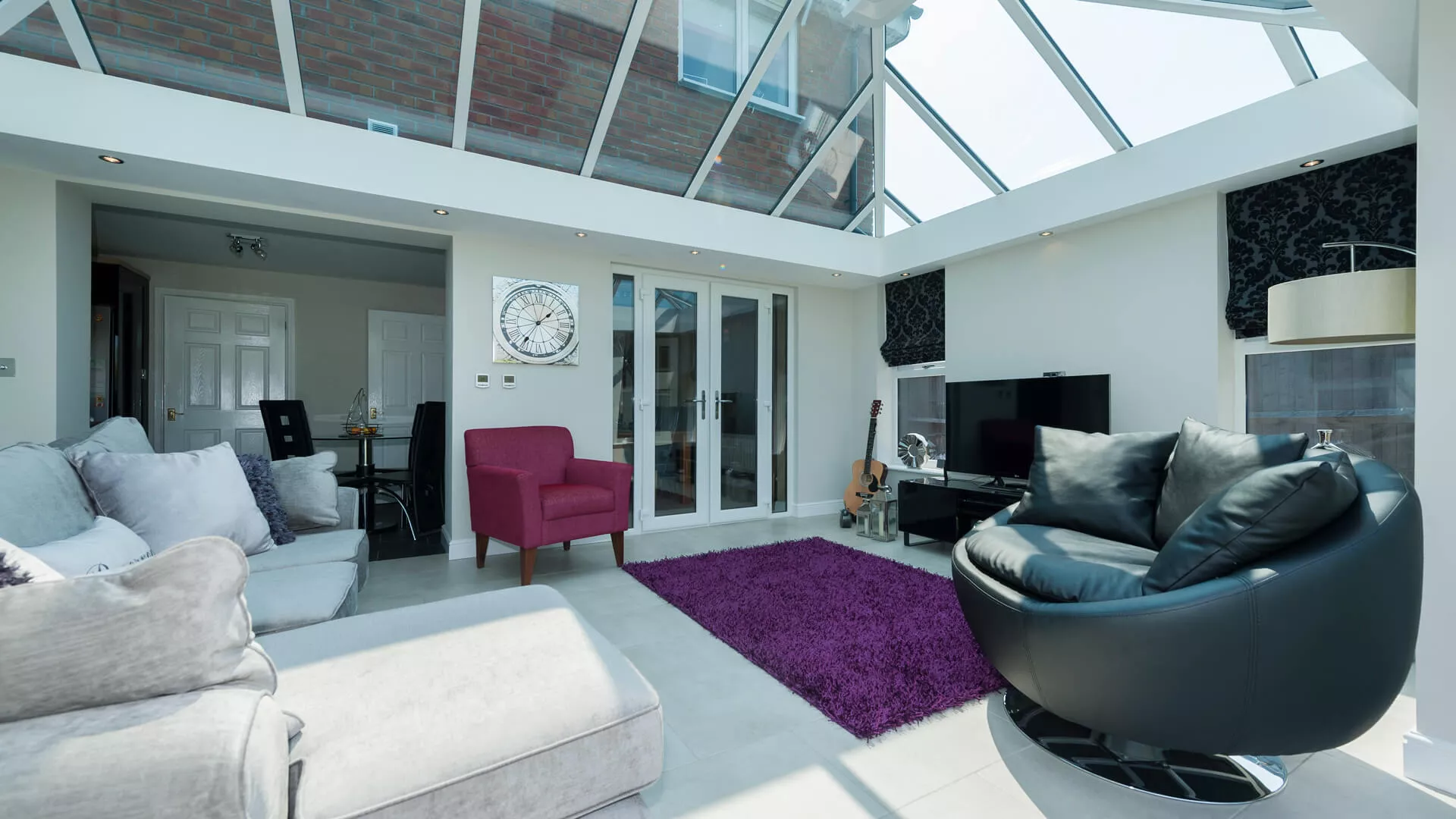
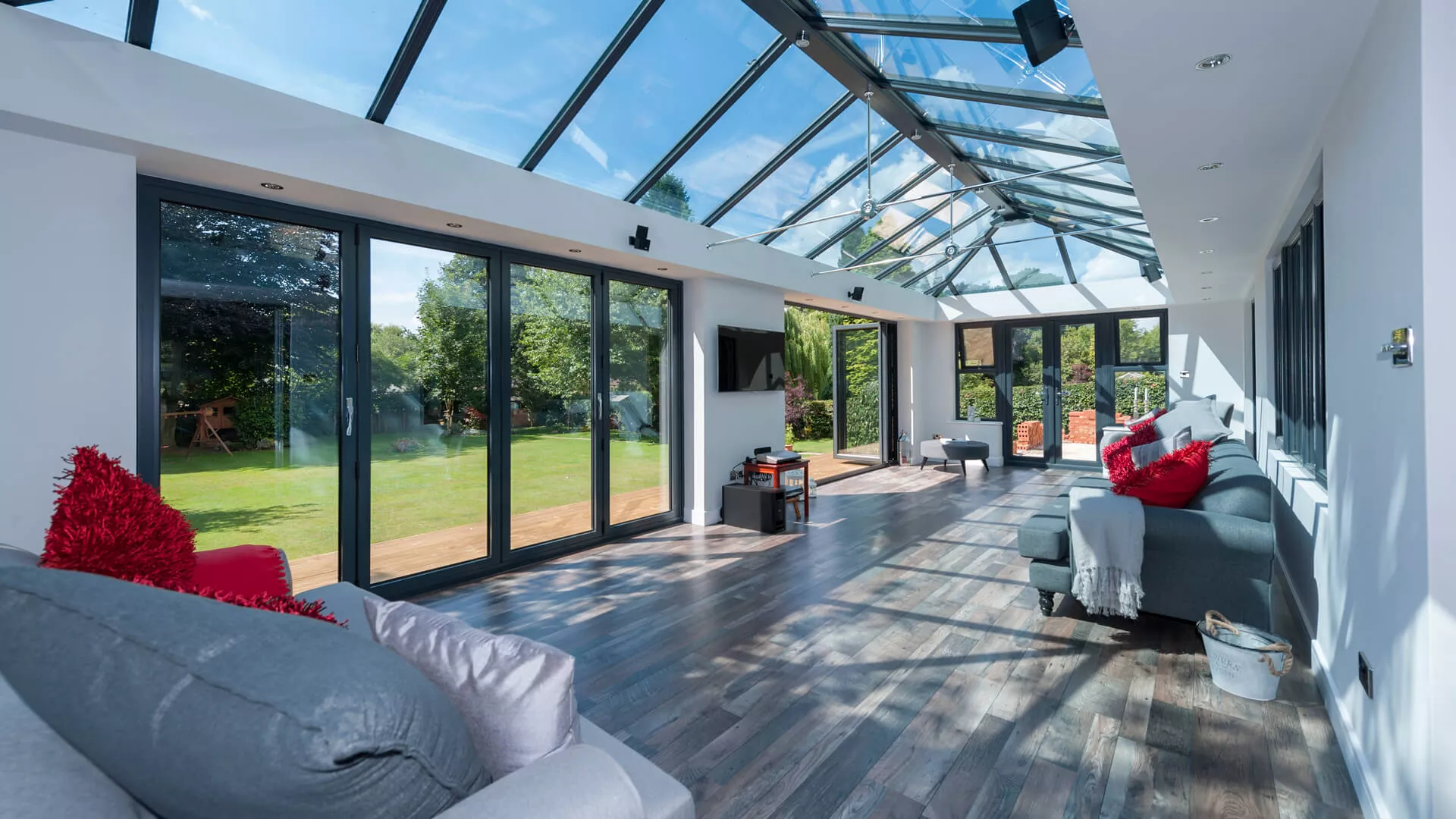
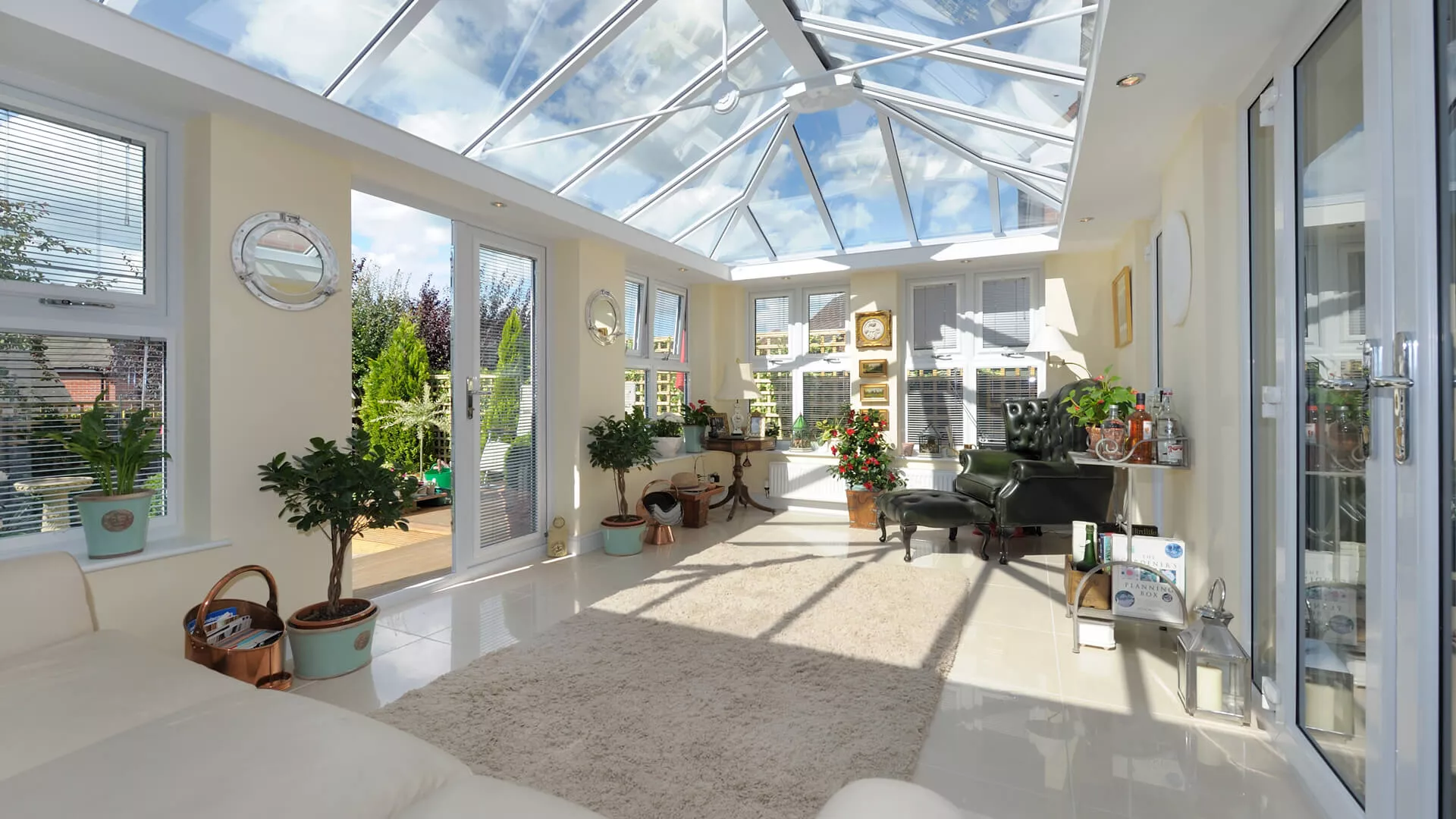
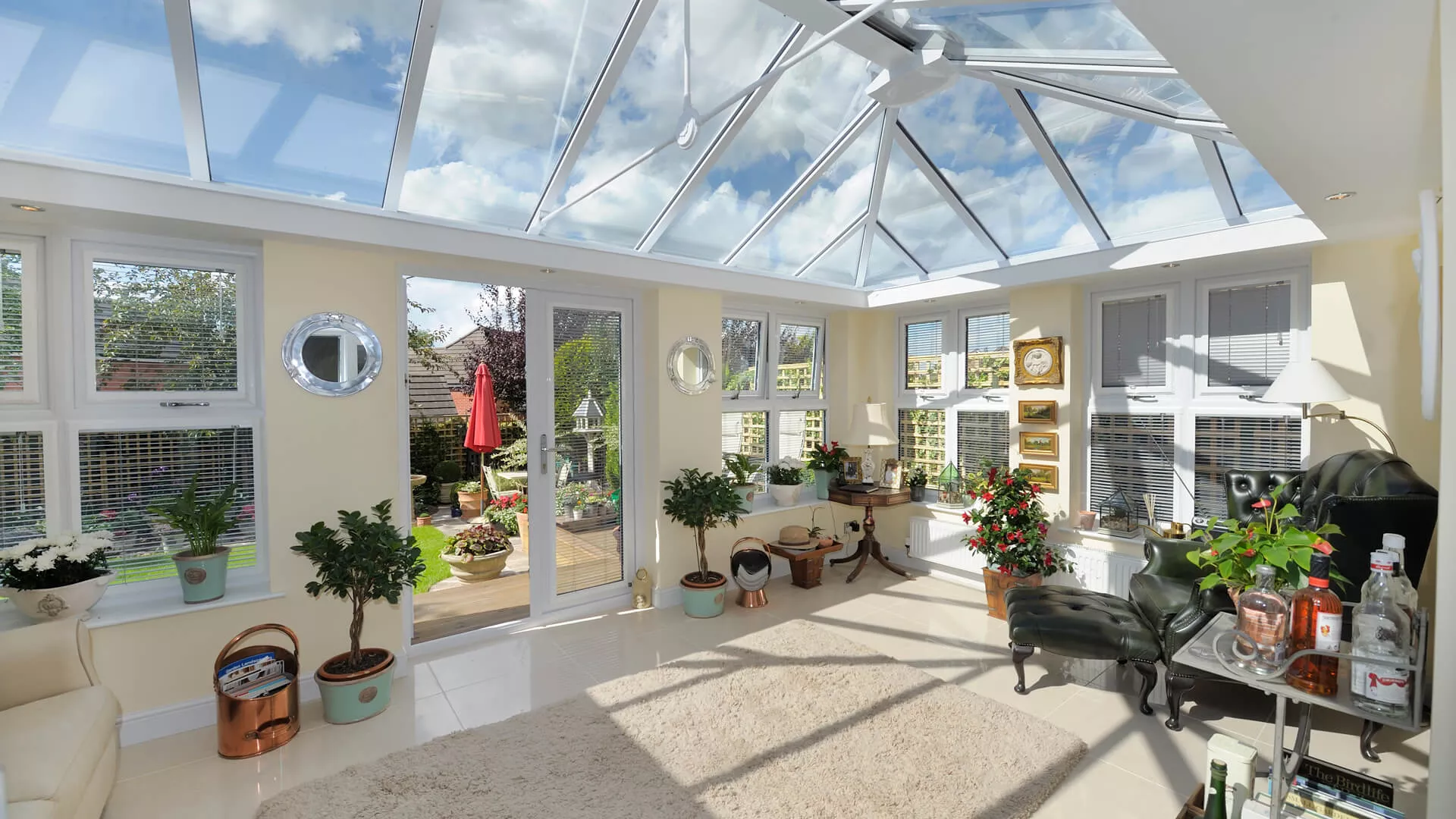
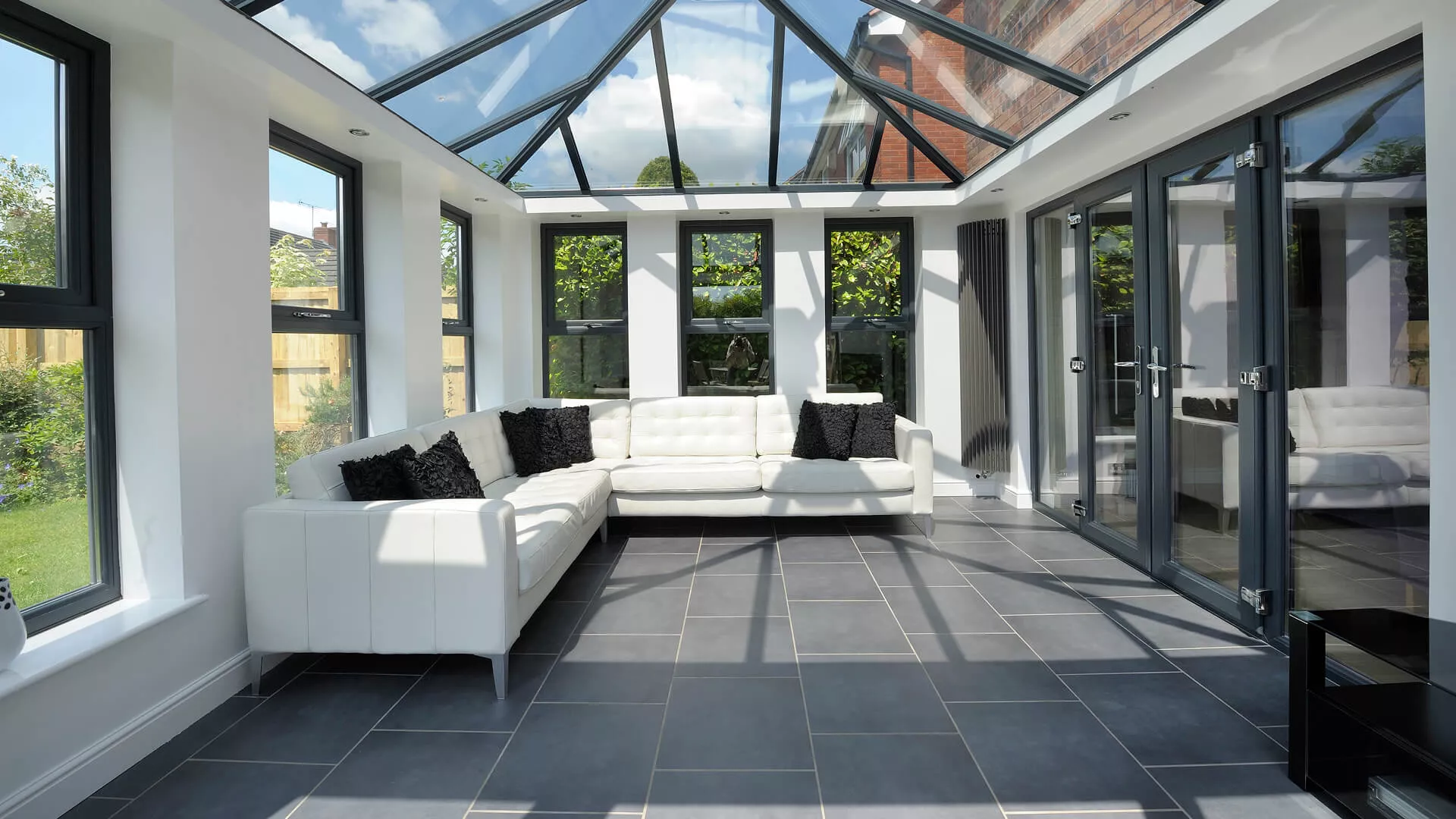
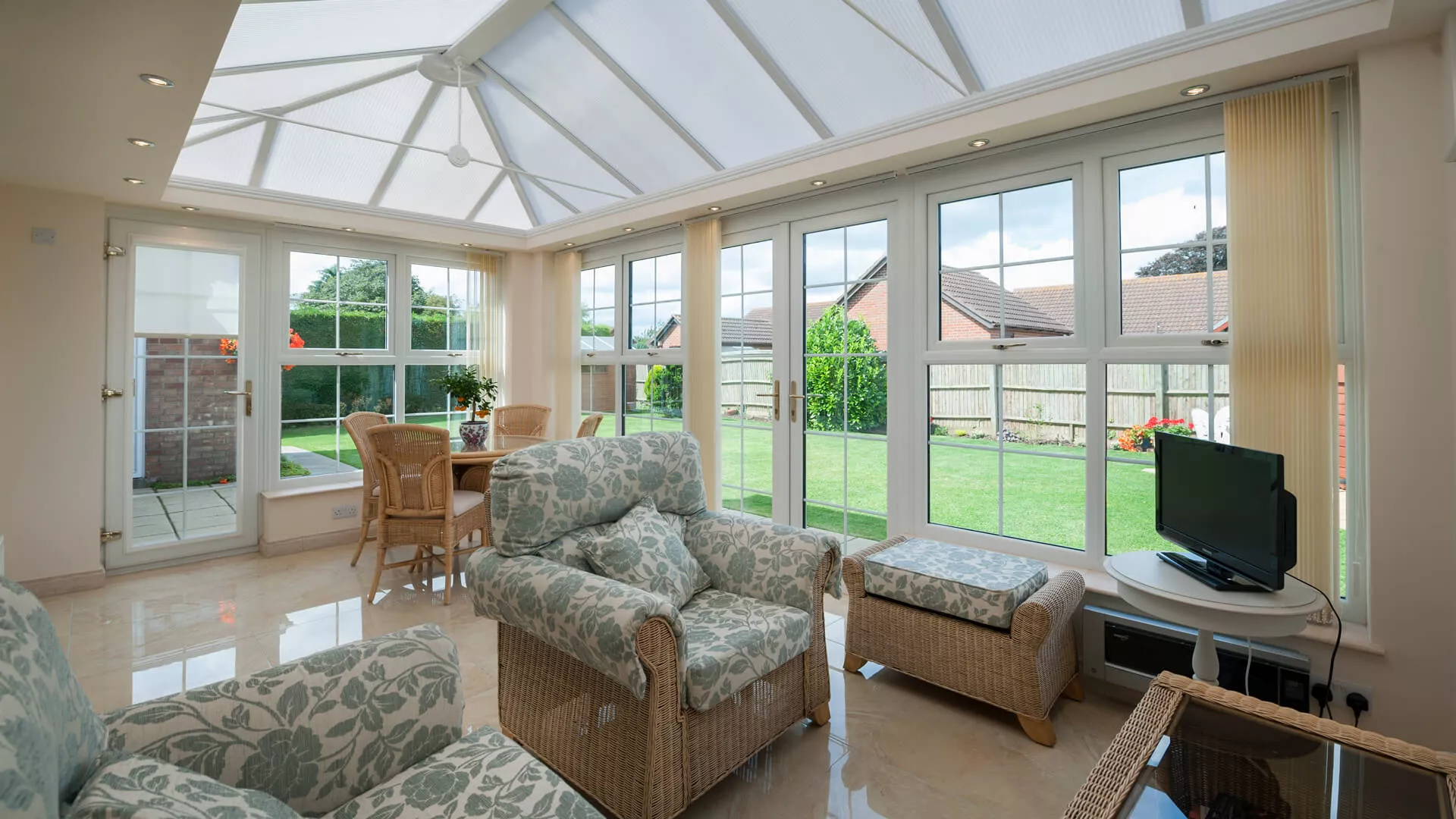
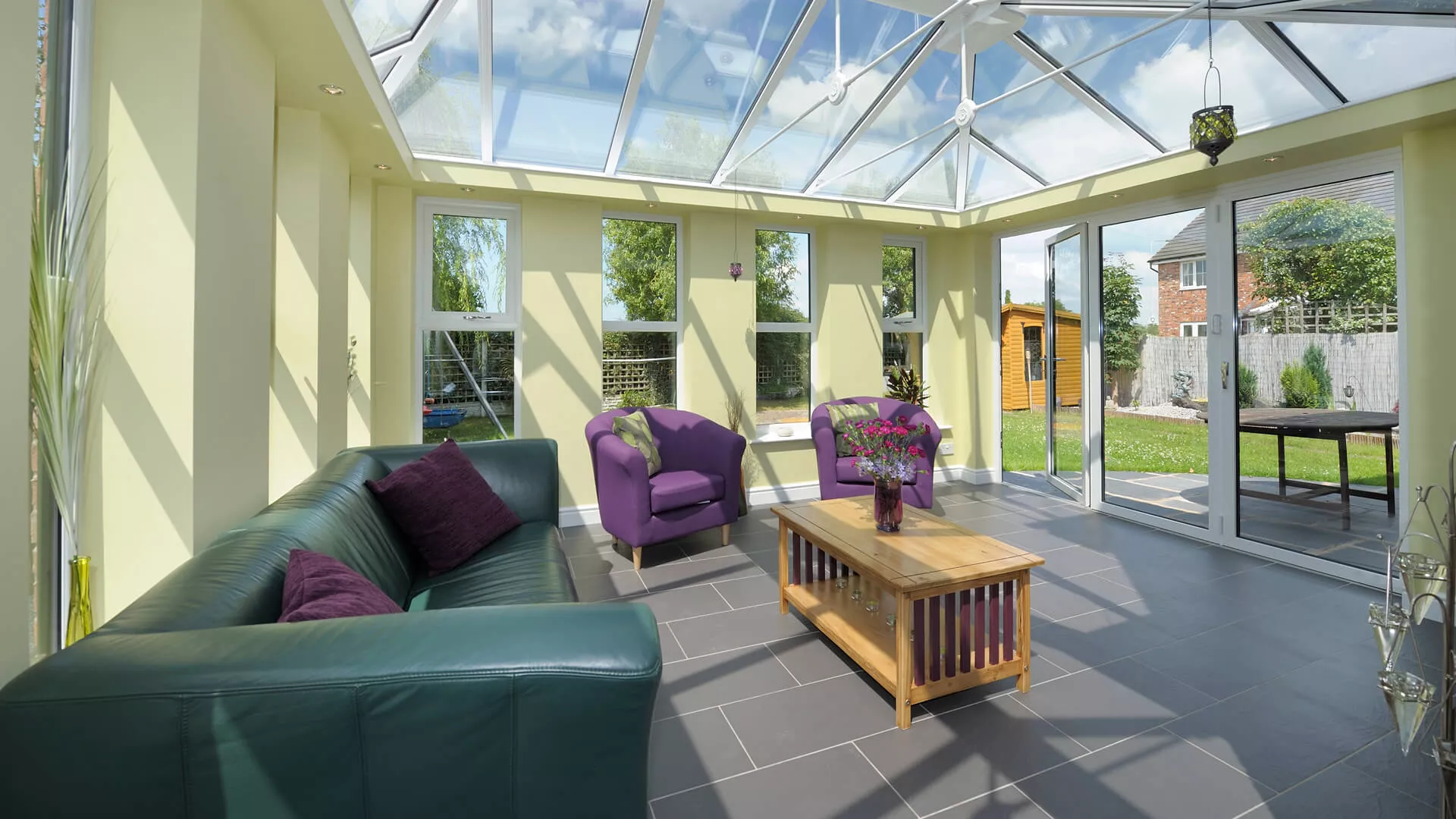
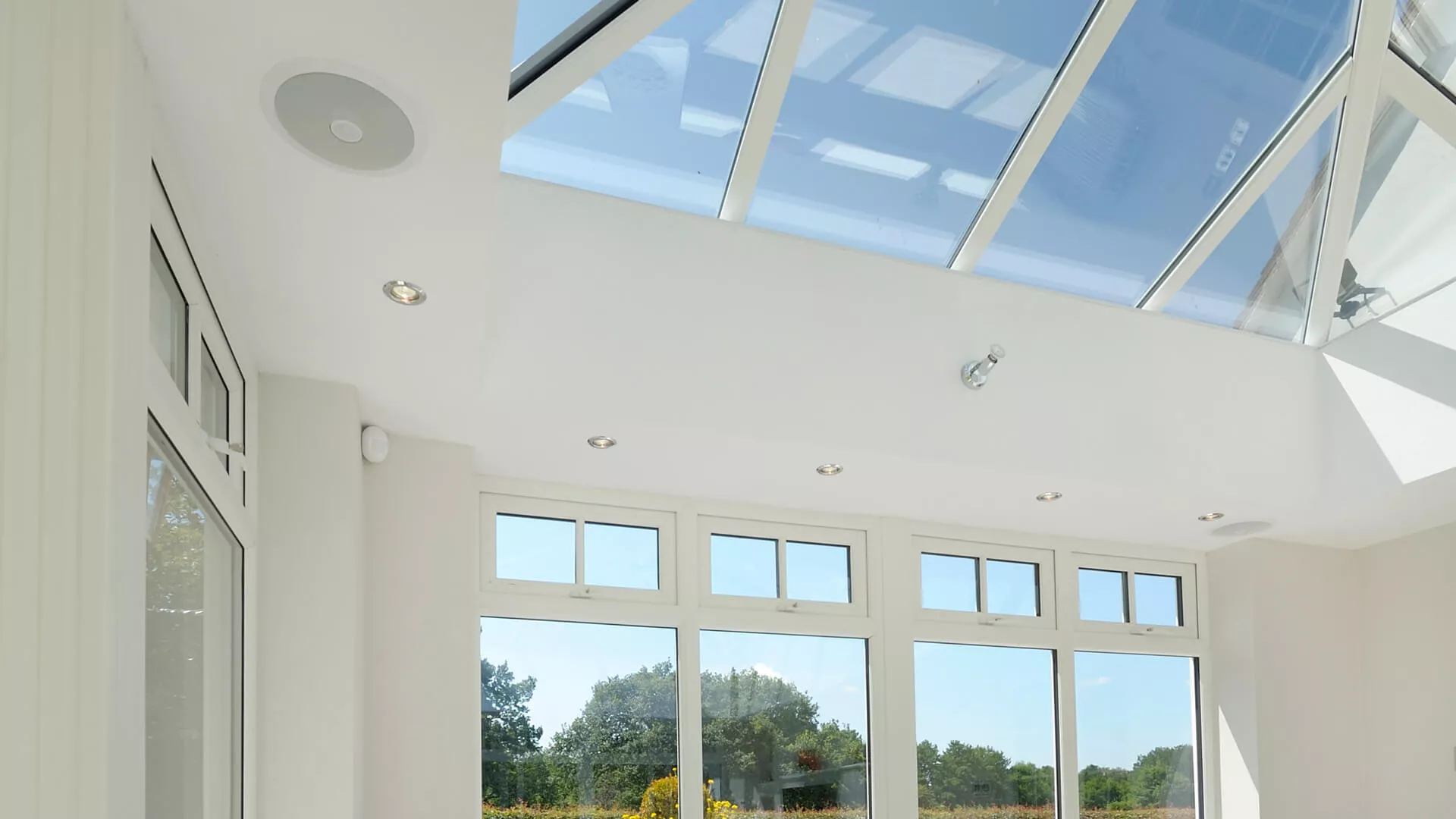
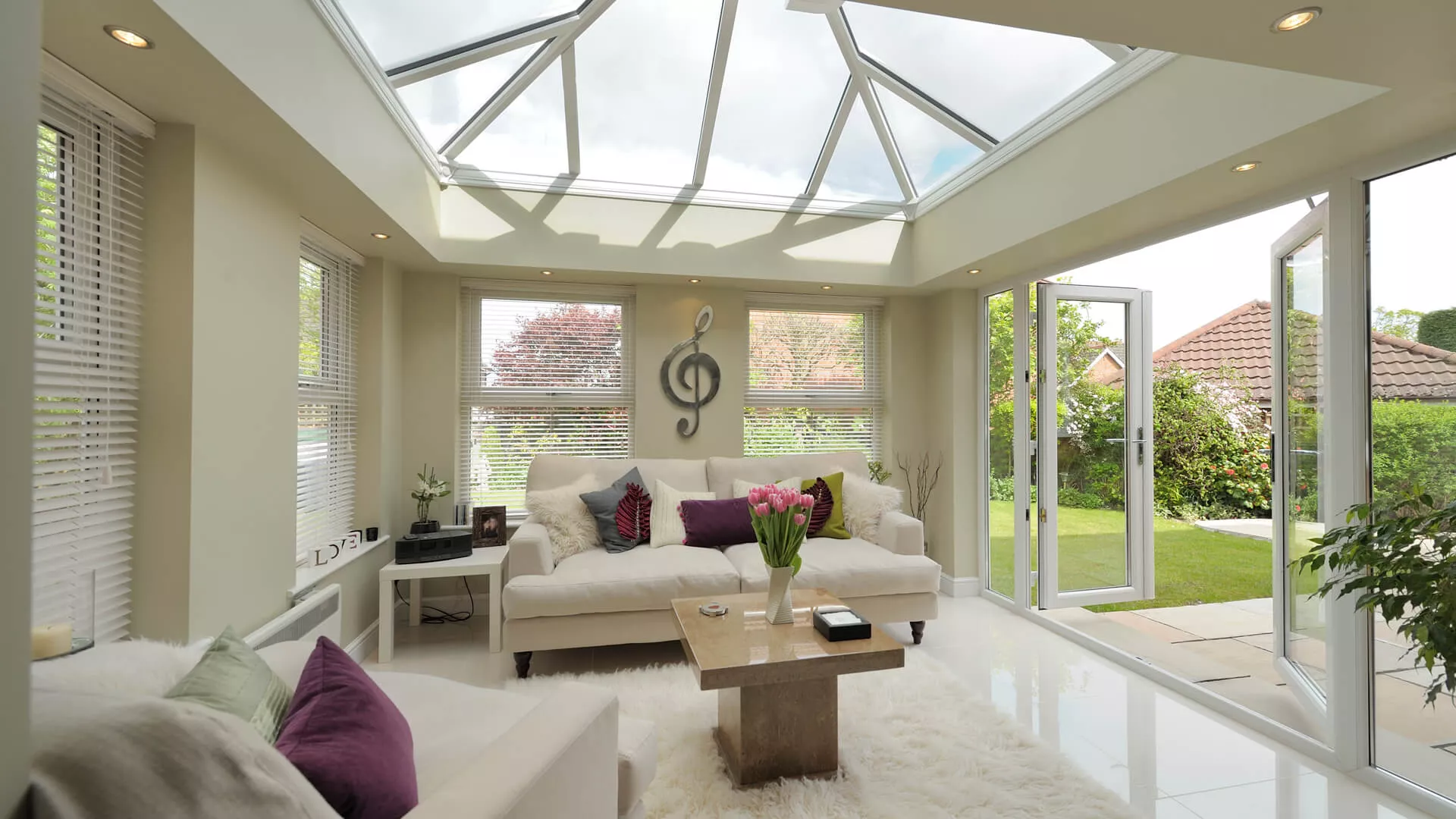
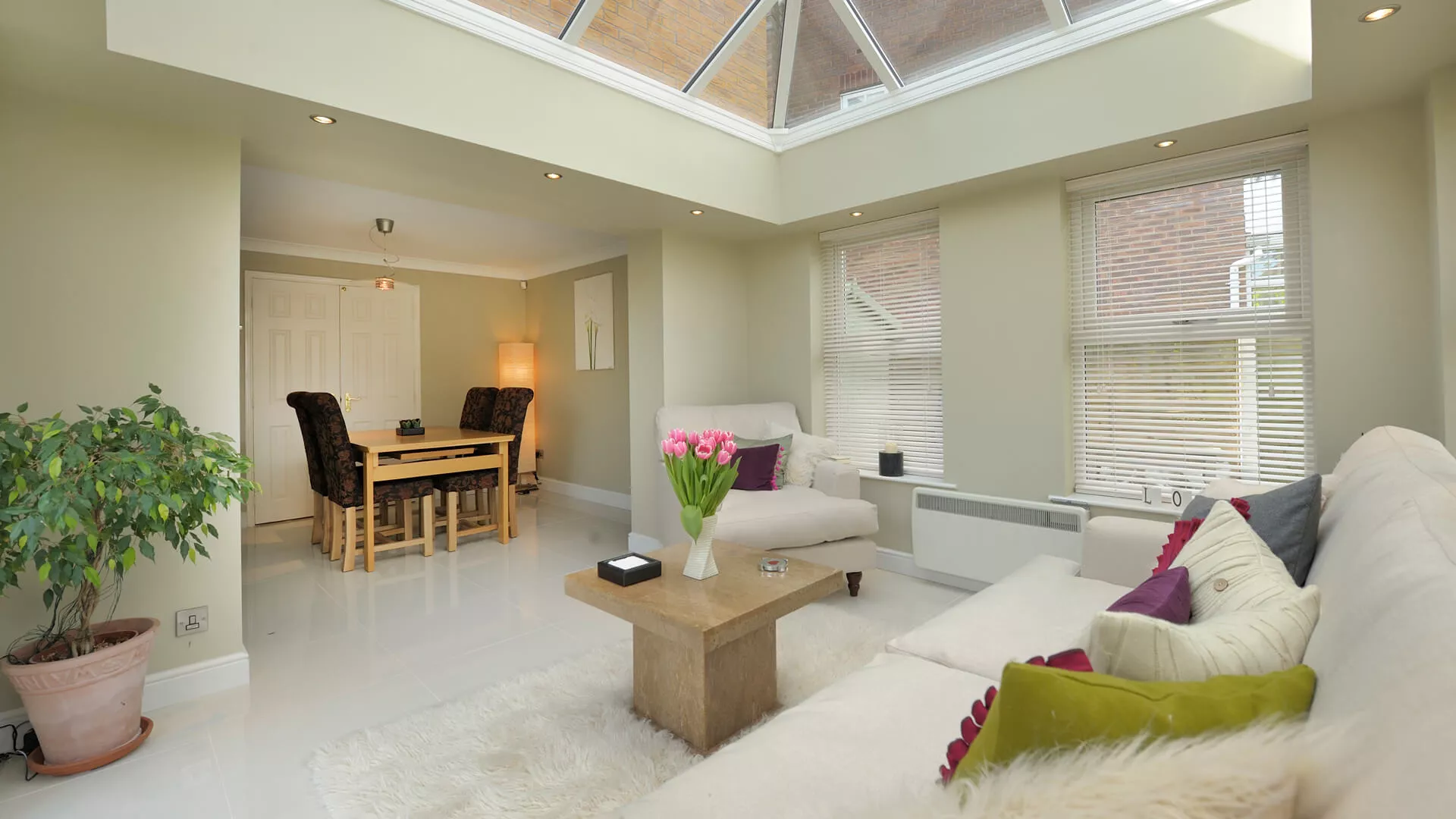
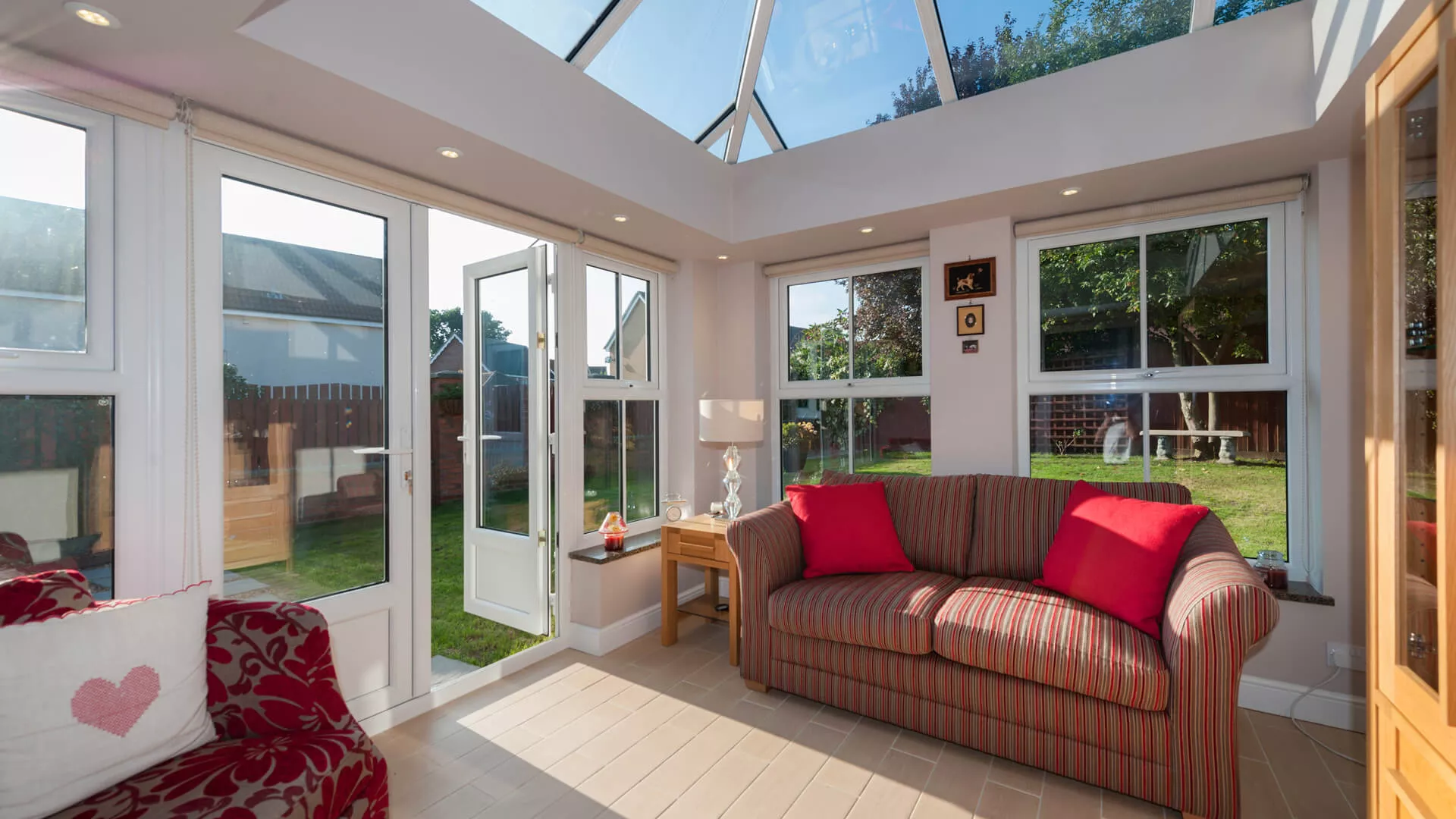
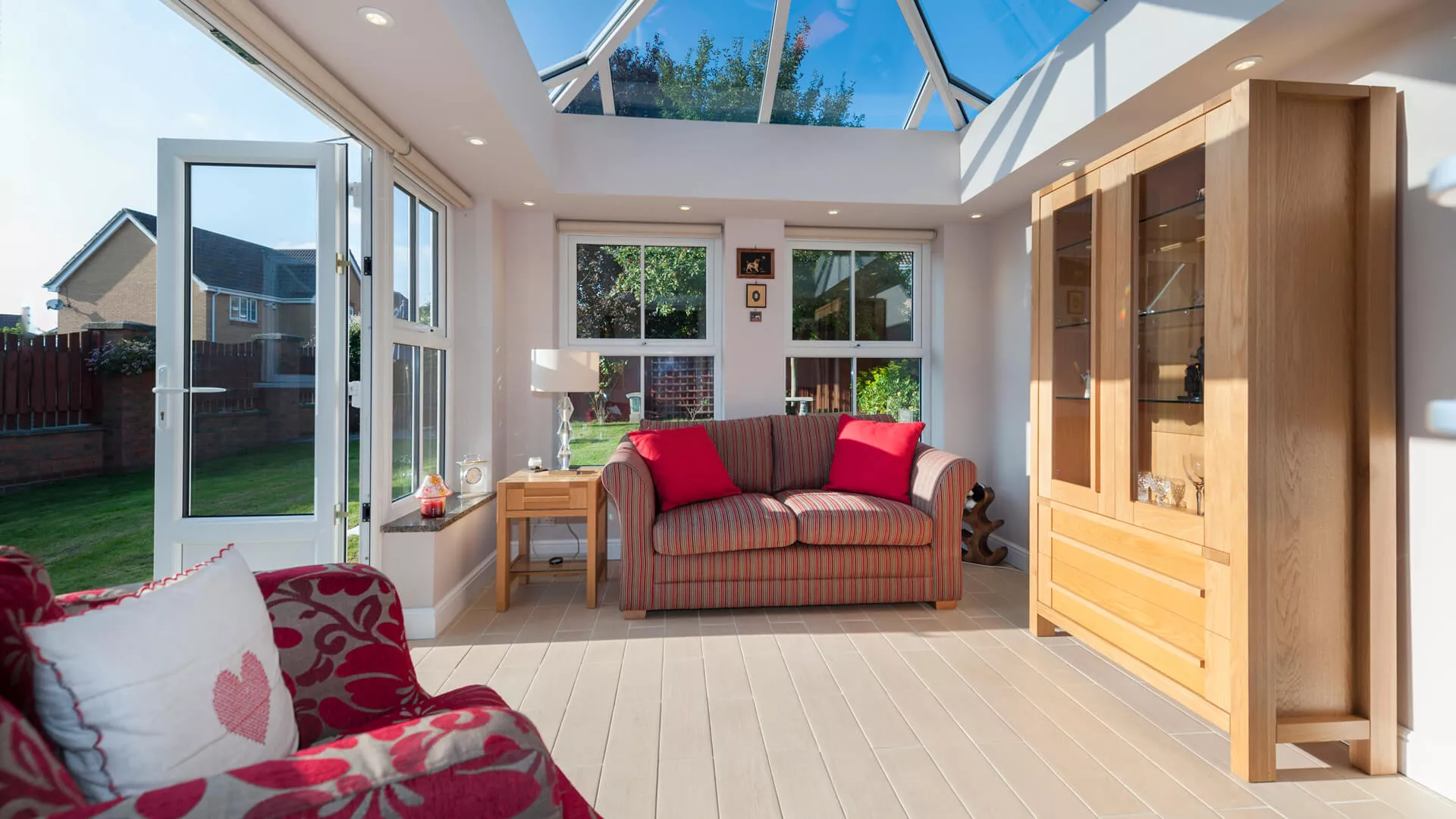
A primary benefit of investment into a new conservatory roof is how it will usher in non-stop comfort, so that whatever the time of year, you’re assured a cosy setting. Contrastingly to older roofs, modern roofing systems create steady indoor climates.
The reduction in heat wastage that stems from fitting tiled roofs is a money-saver because lowered dependency on heating to warm a room cuts energy costs. An improvement in ambient temperature will motivate you to retreat to your extended space at every opportunity you get.
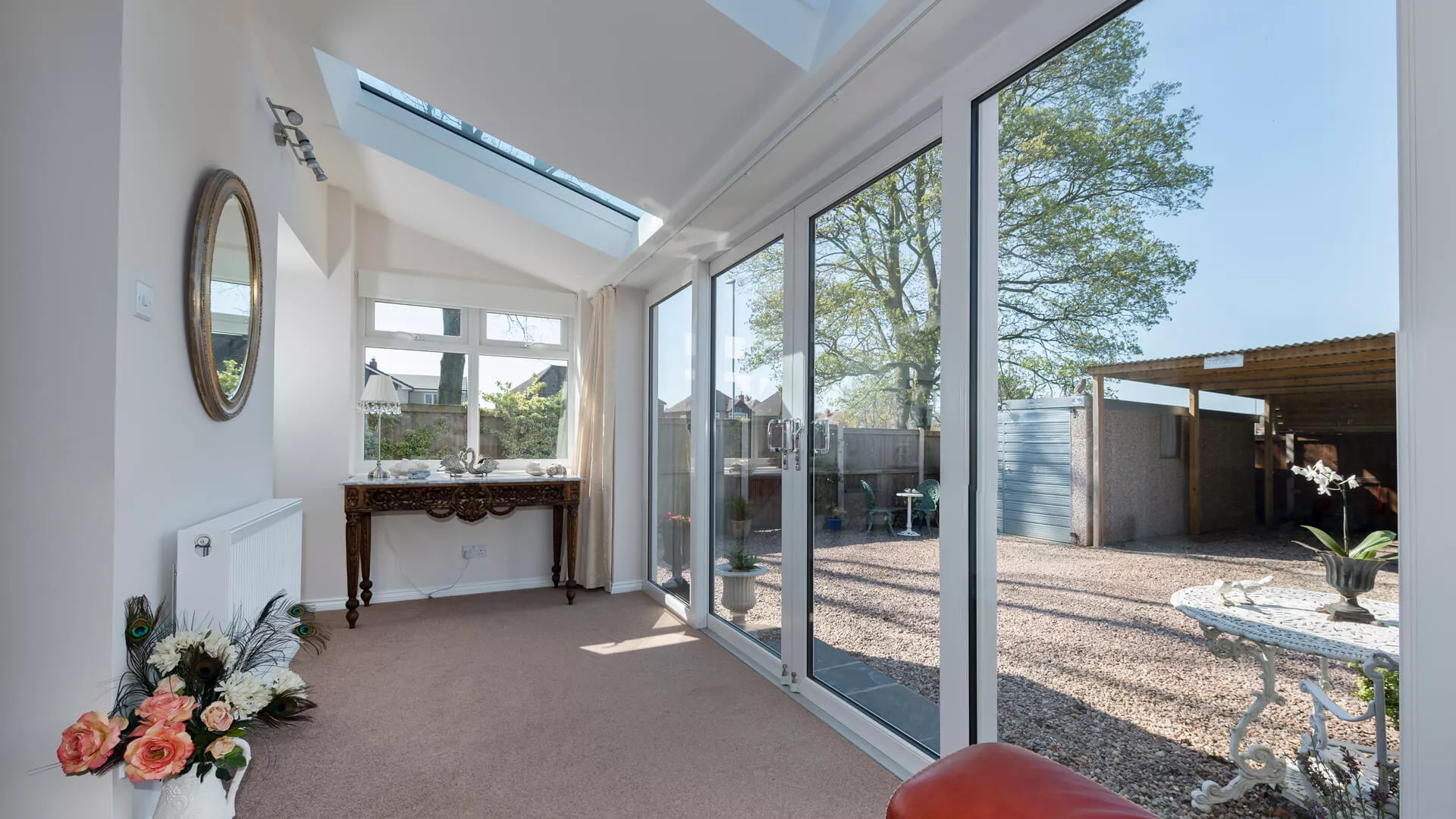
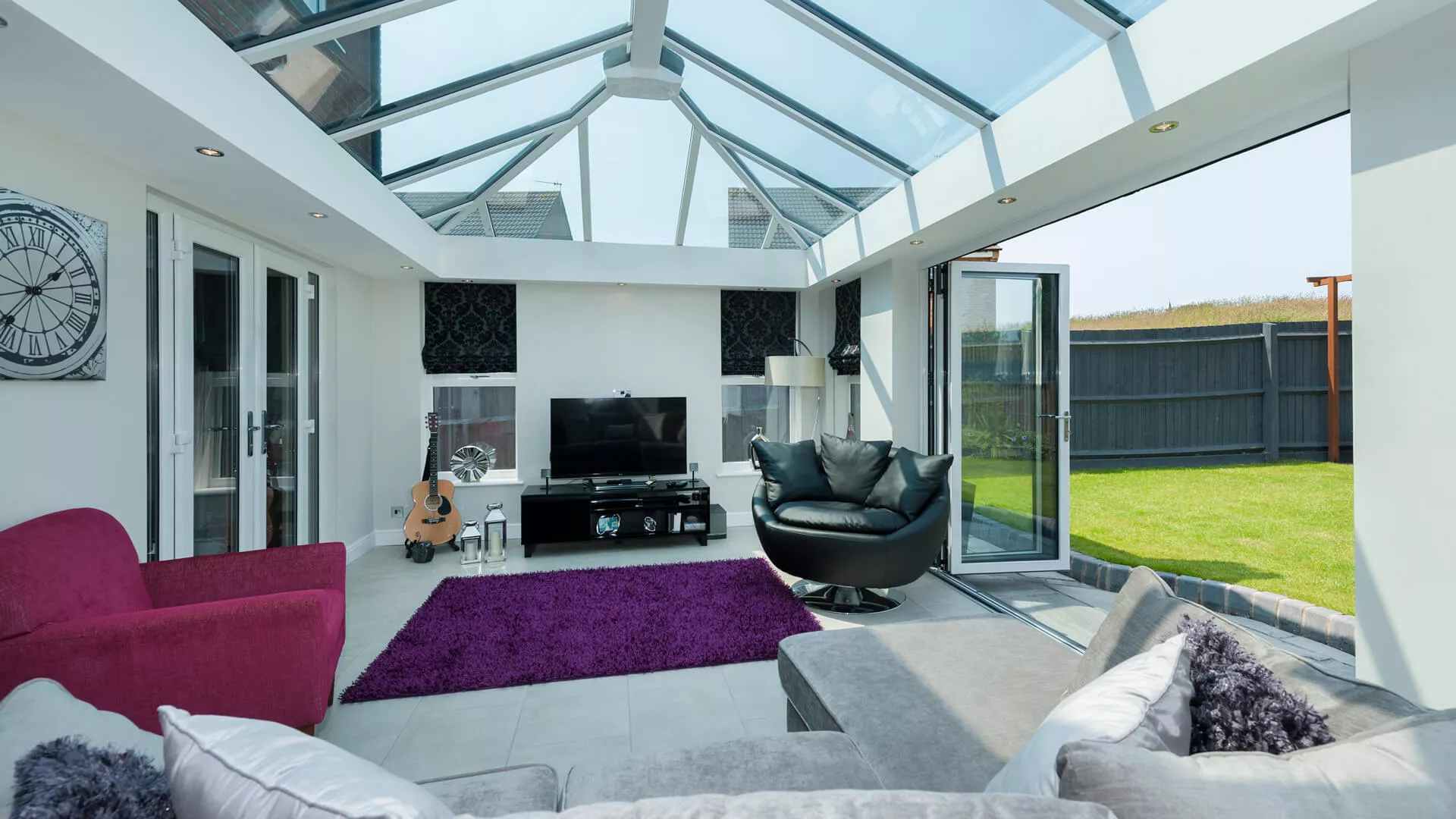
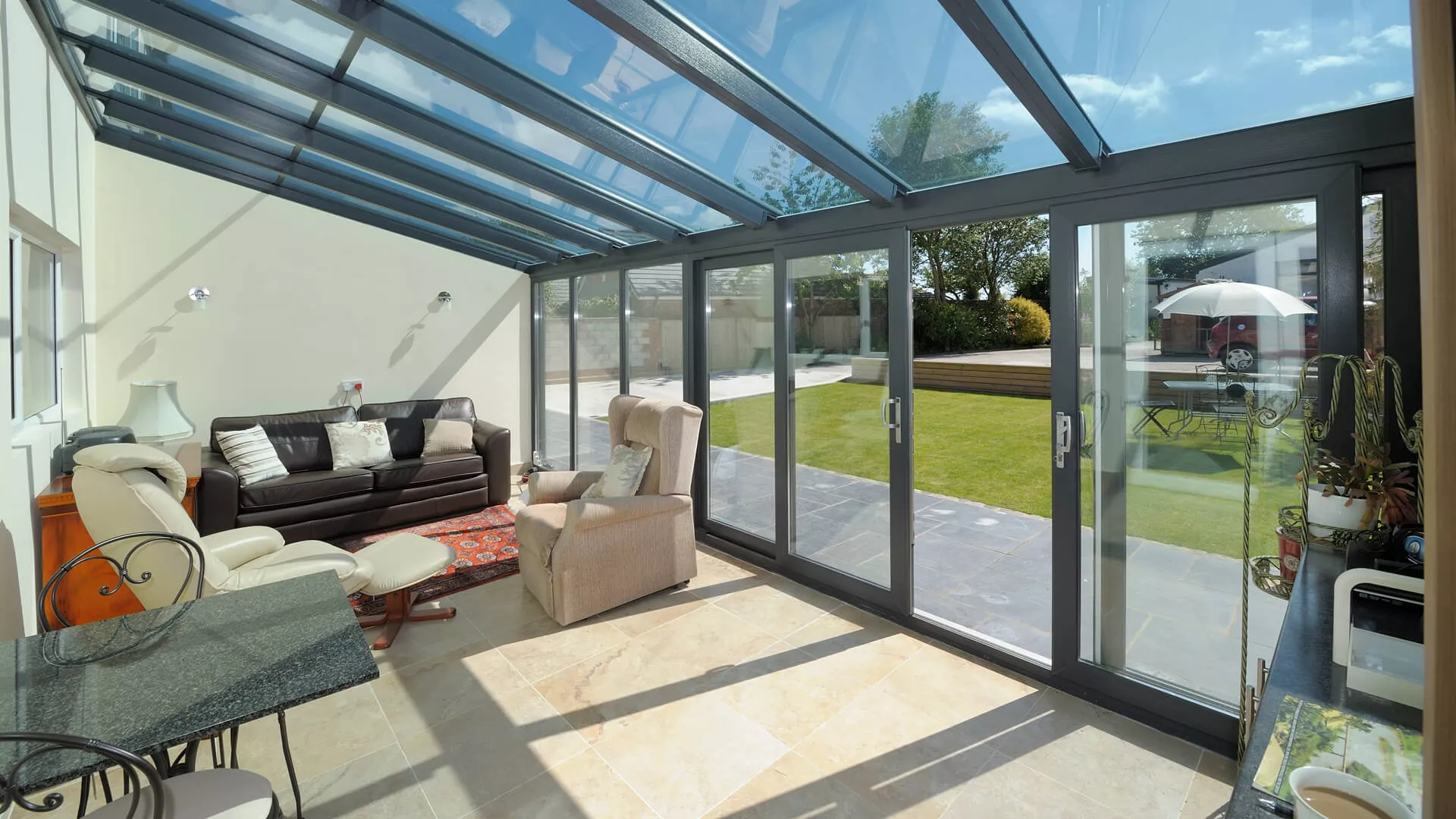
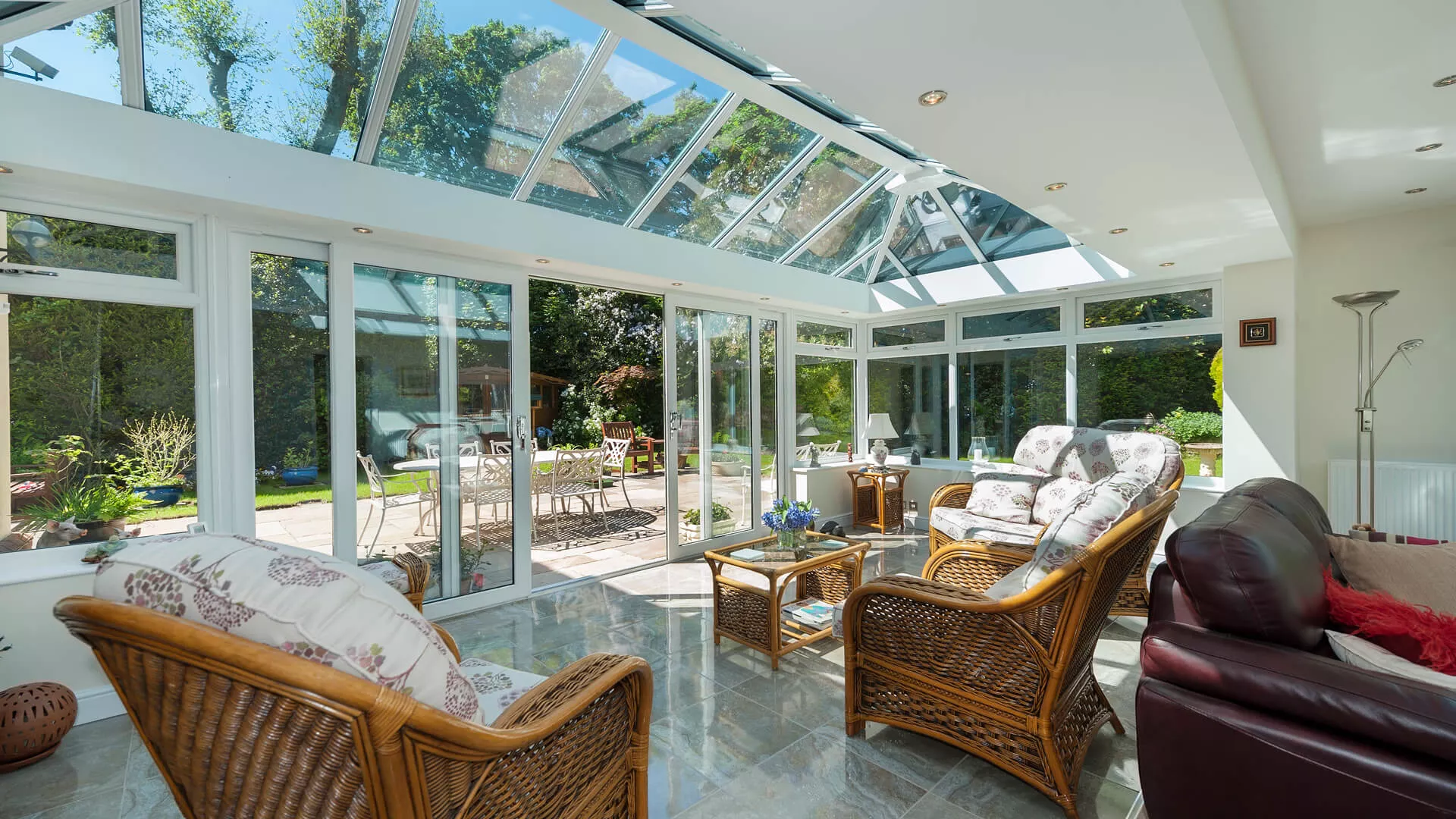
Certain roof systems can amplify acoustic performance if you want more peaceful conservatory living thanks to their insulating layers minimising disturbance caused by heavy rain and outdoor noise. At the same time, they’ll still attract natural light into the space so that it’s kept bright and airy.
Changing to a contemporary roof from a tired-looking glass or polycarbonate roof can also heighten home aesthetics and add value to the house.
Conservatory Roof Replacement Types and Materials
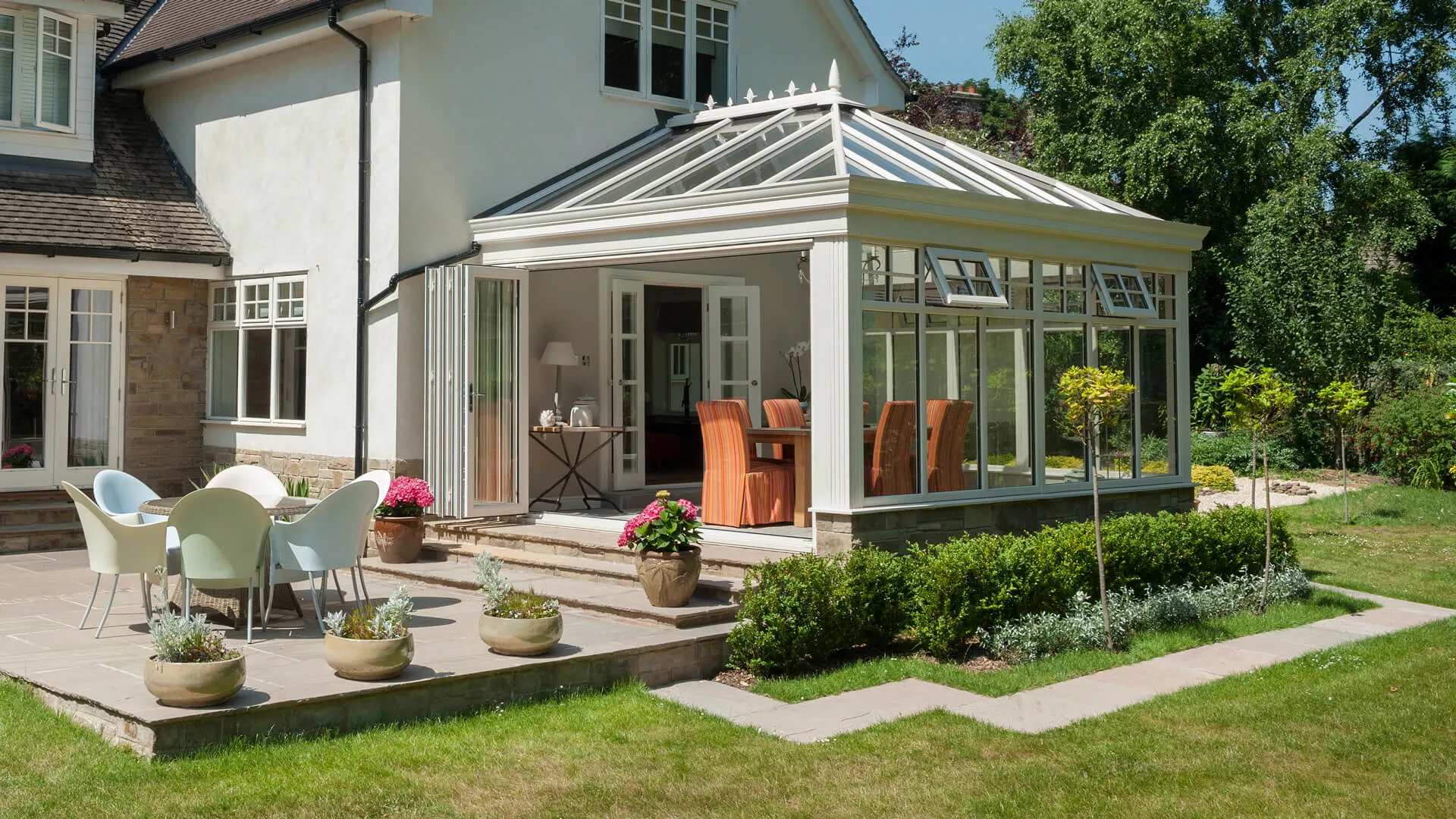
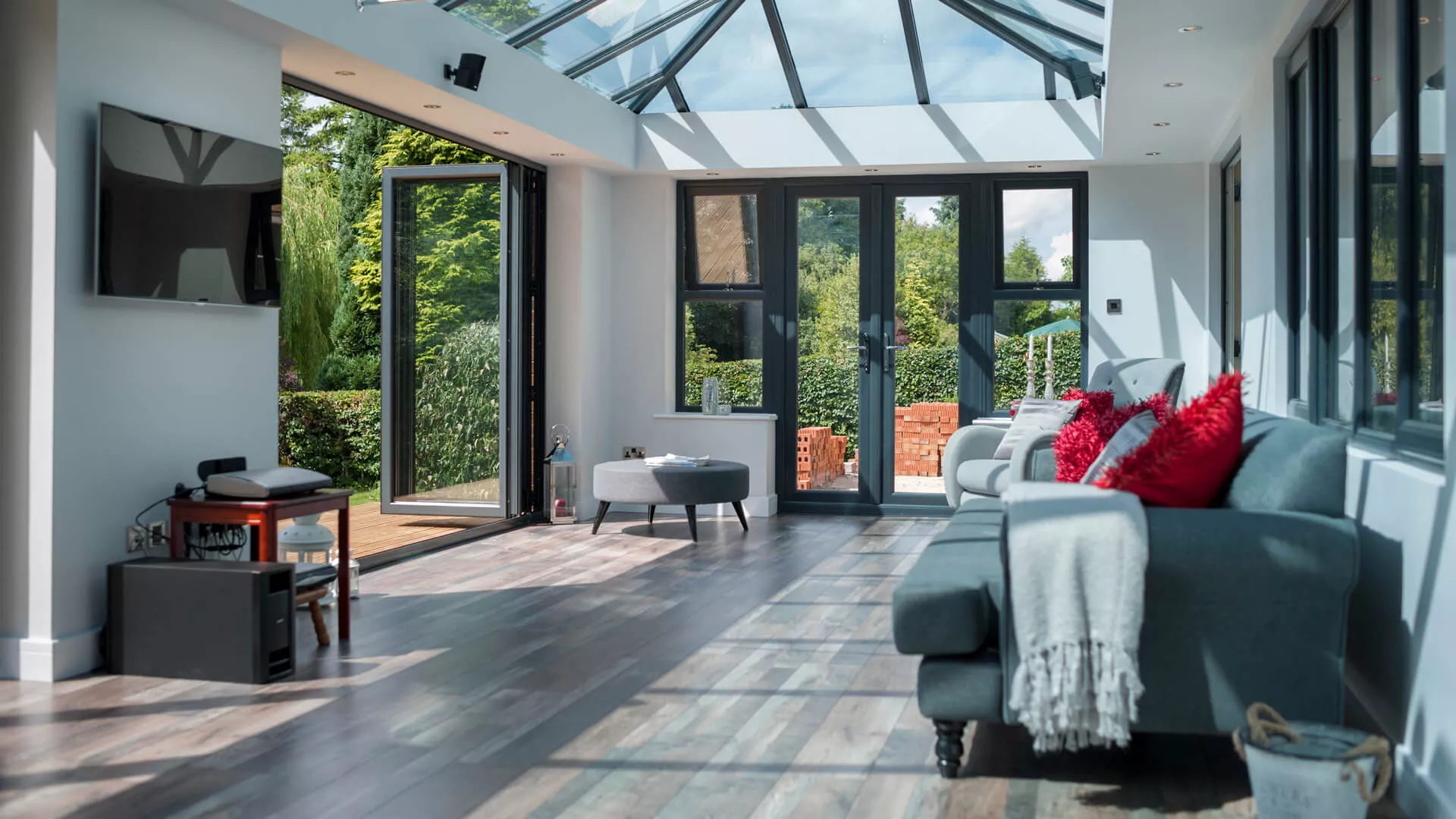
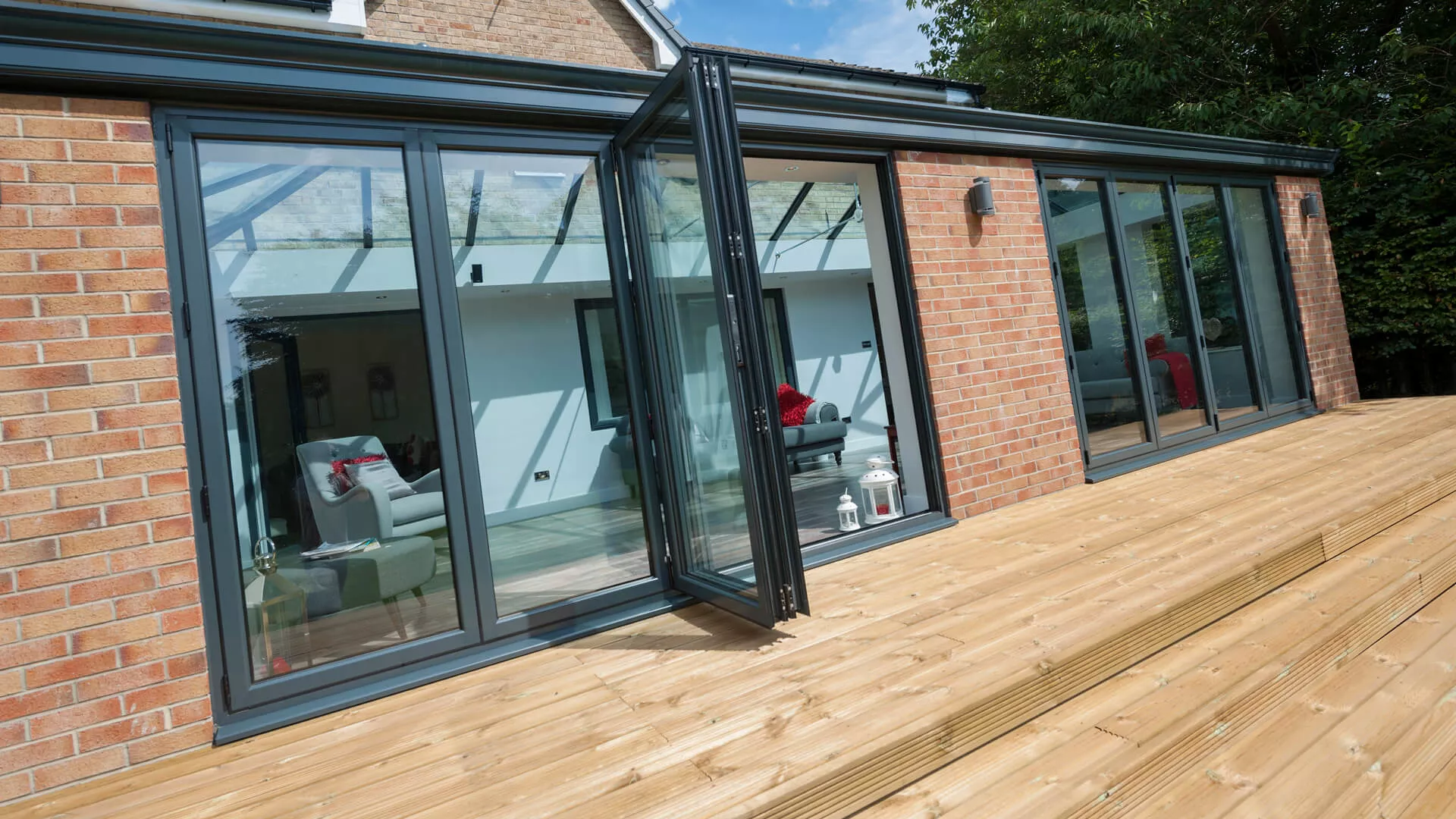
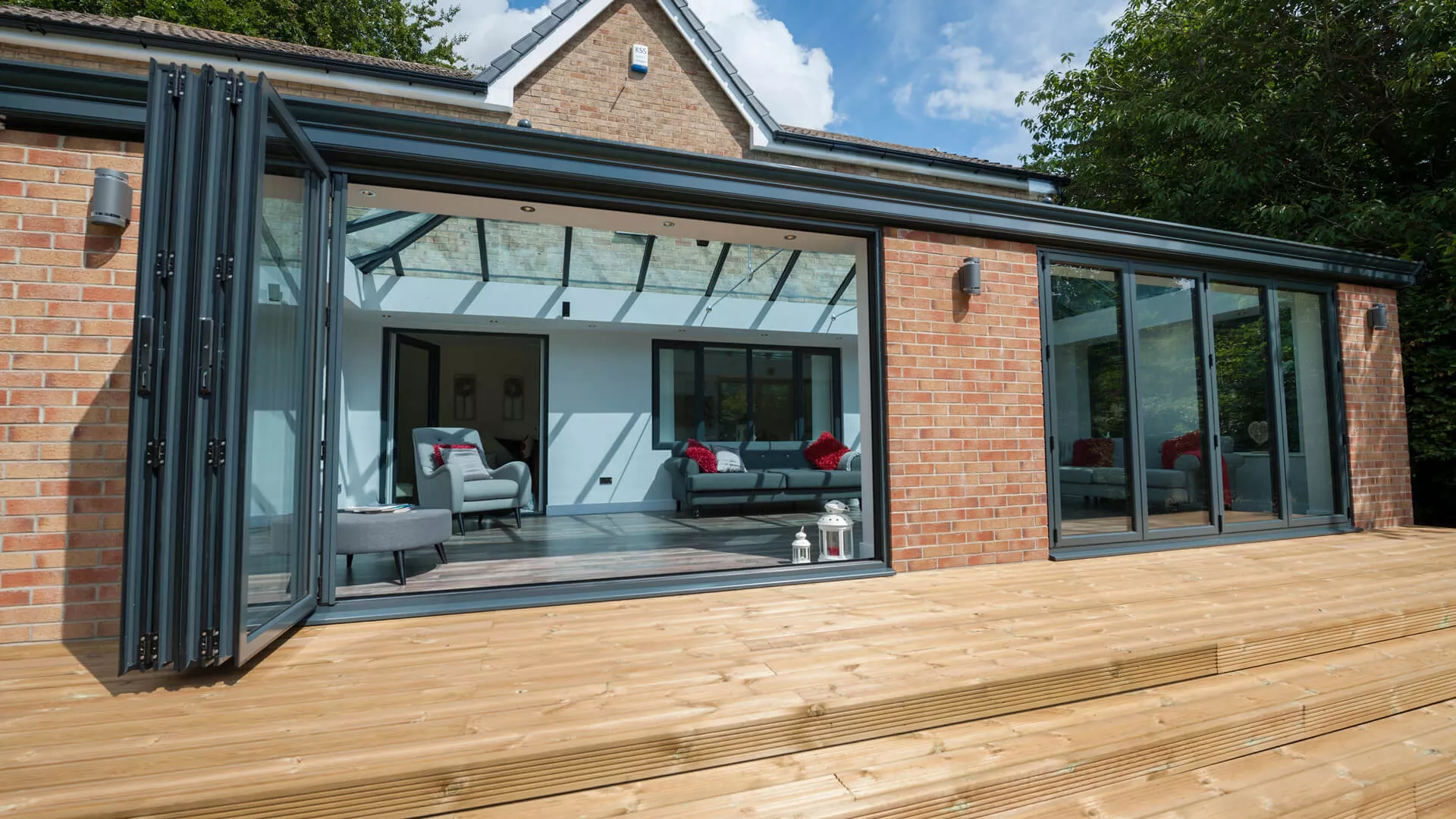
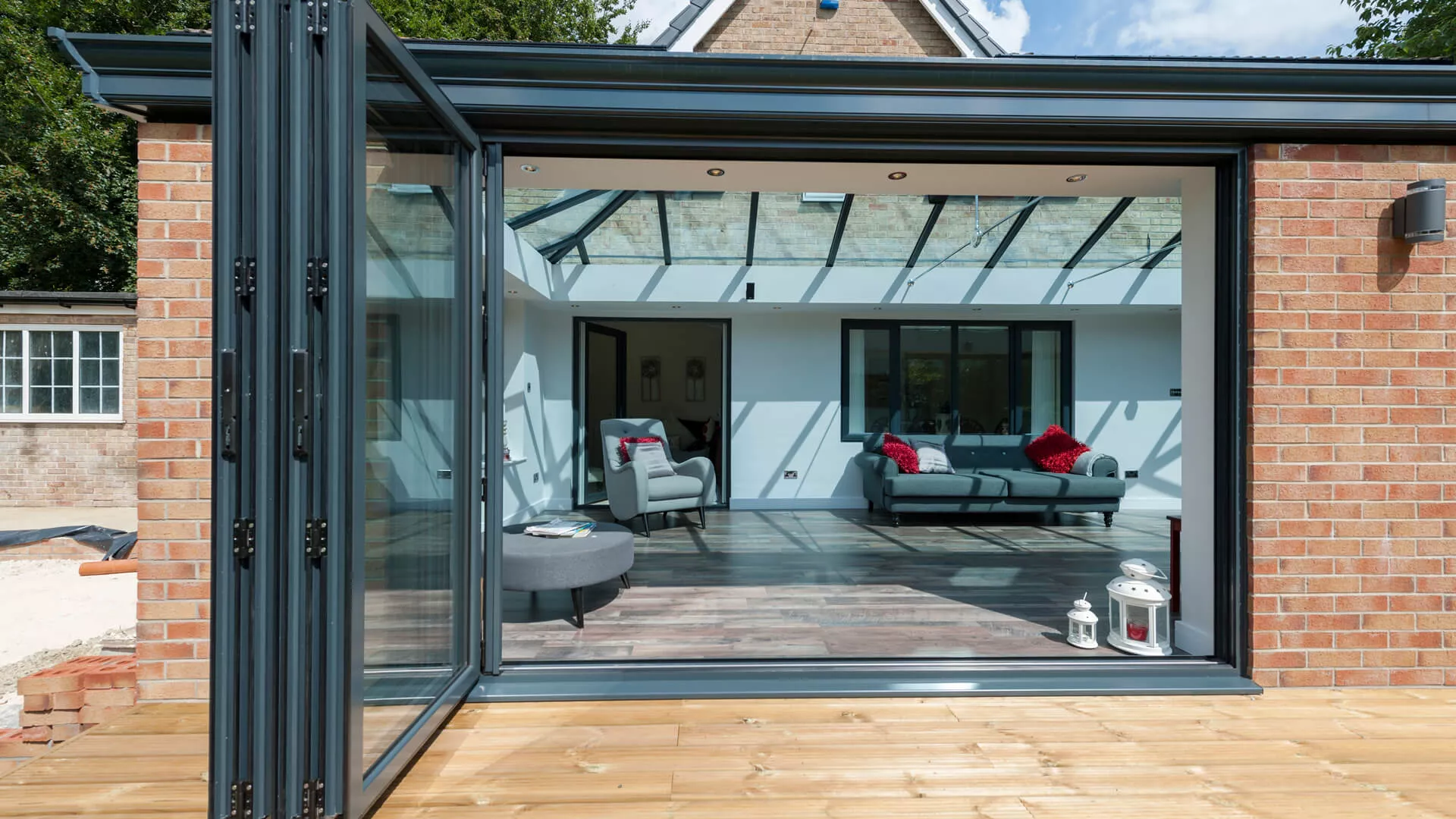
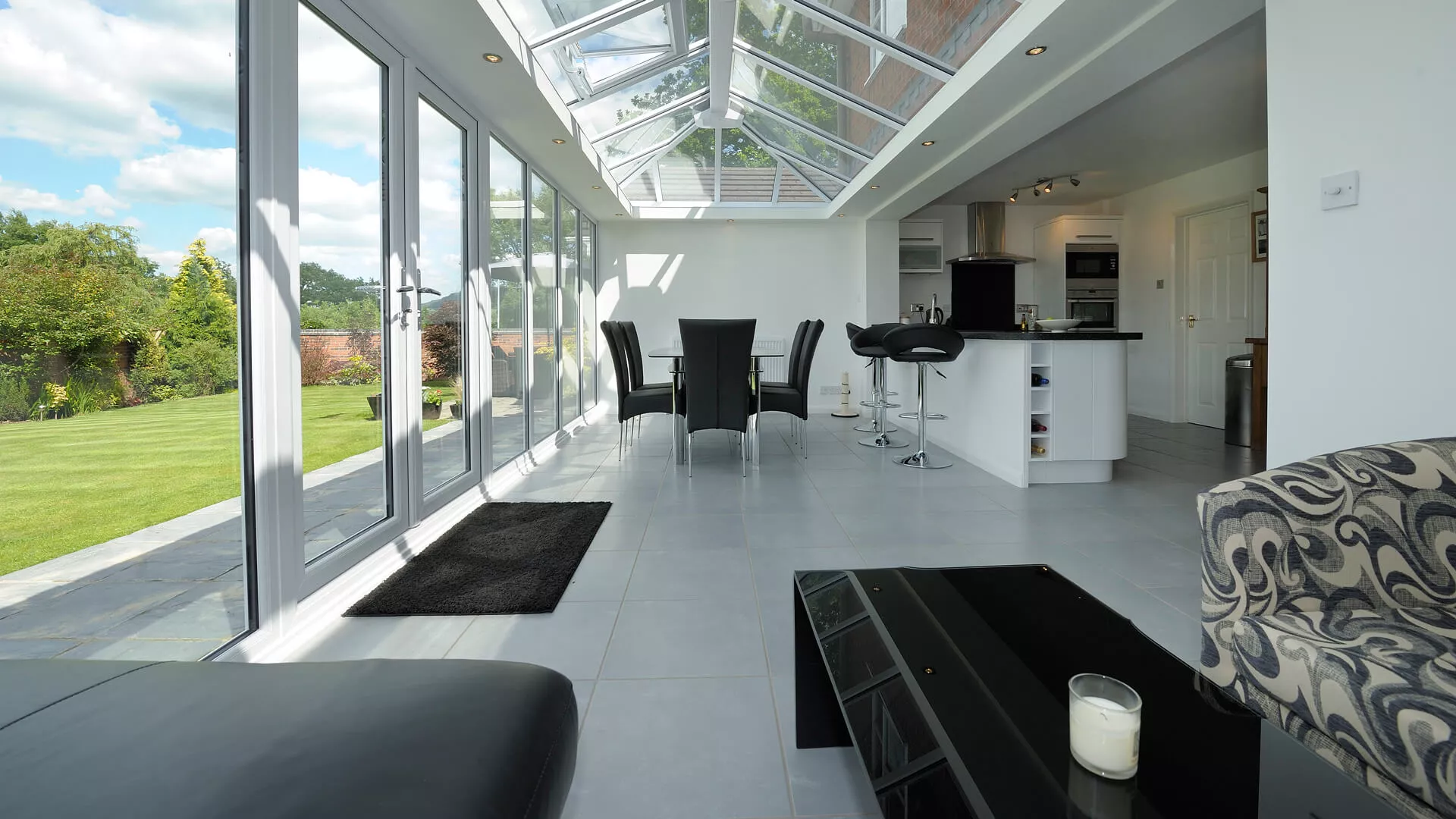
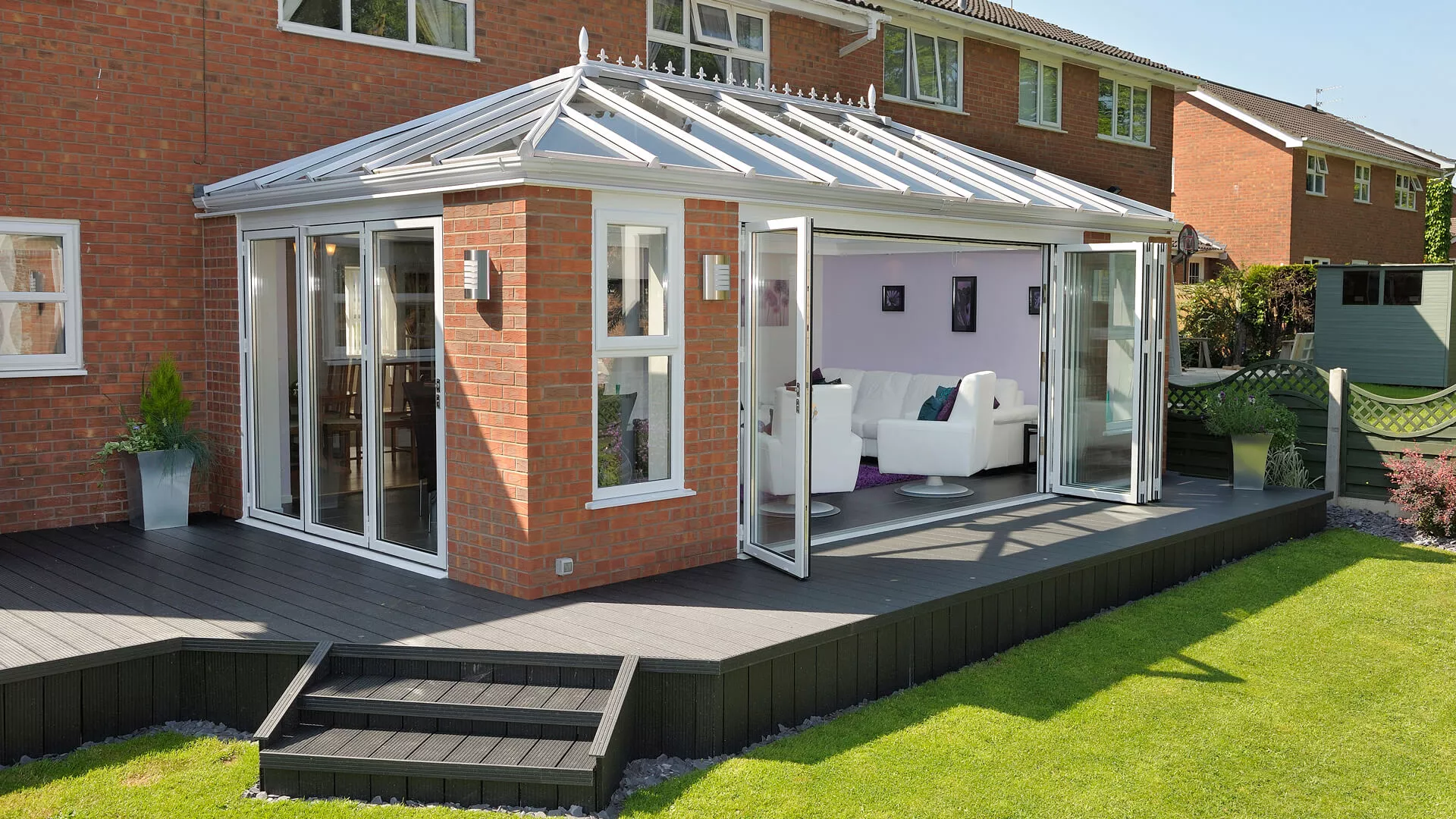
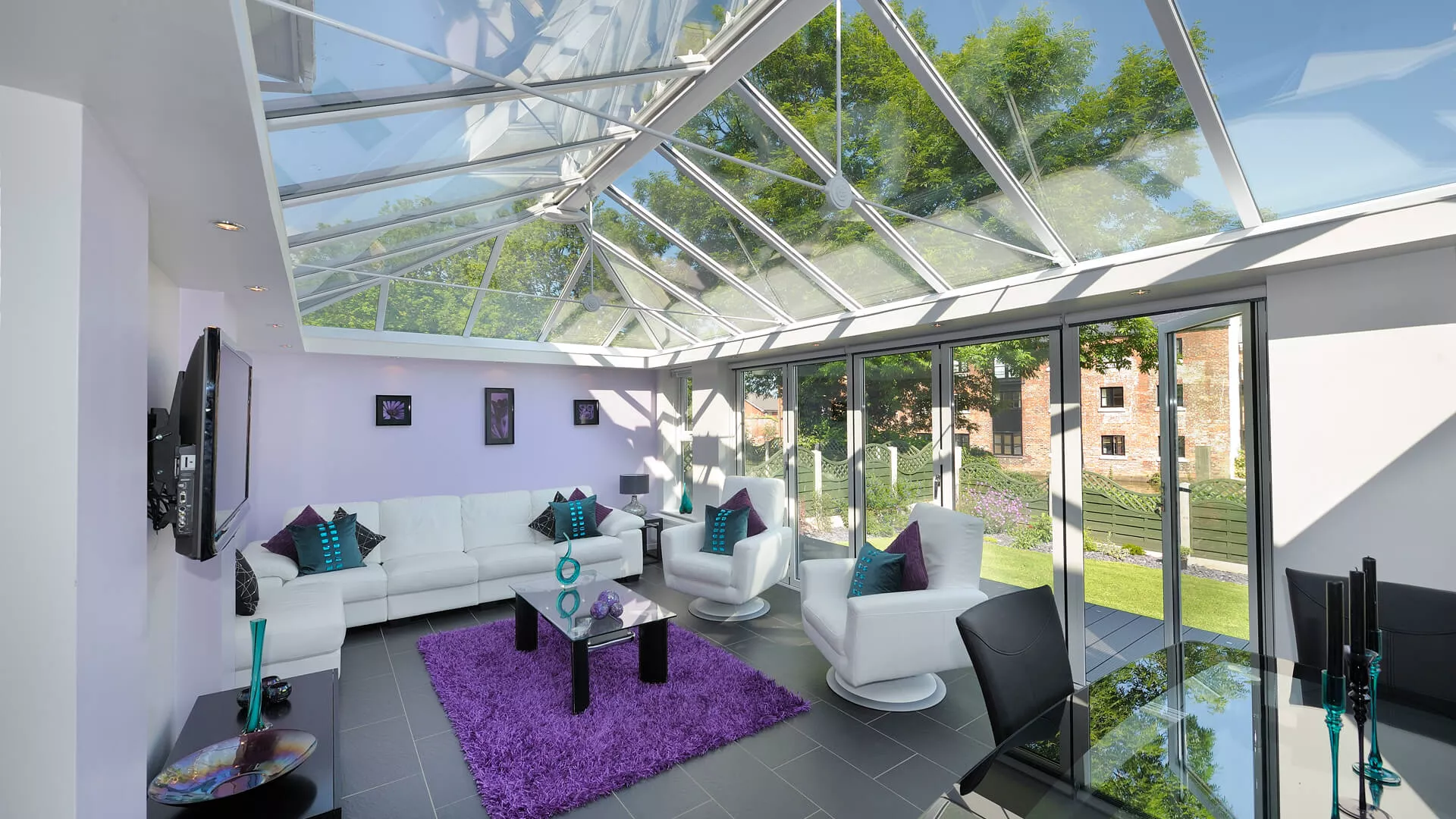
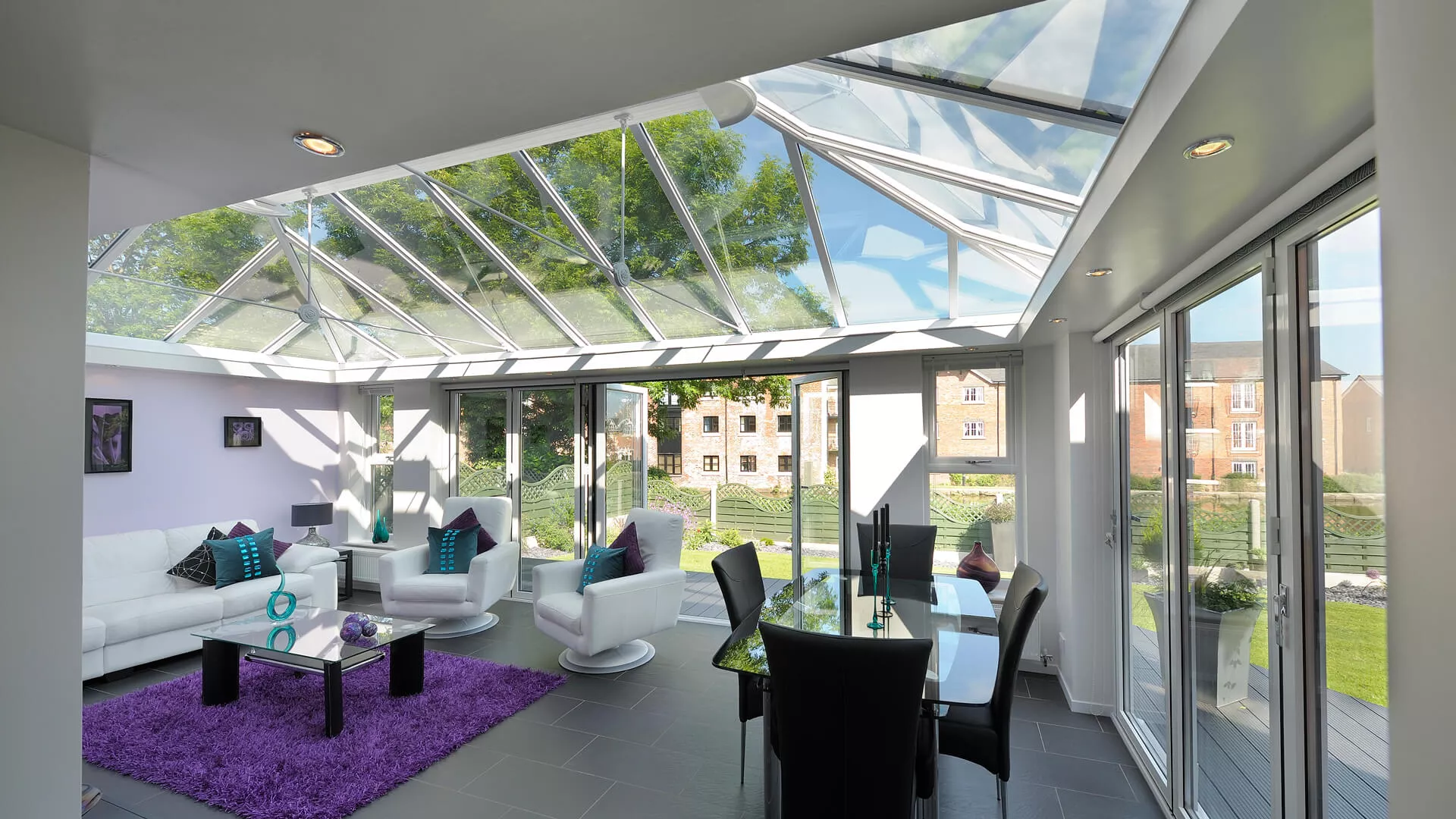
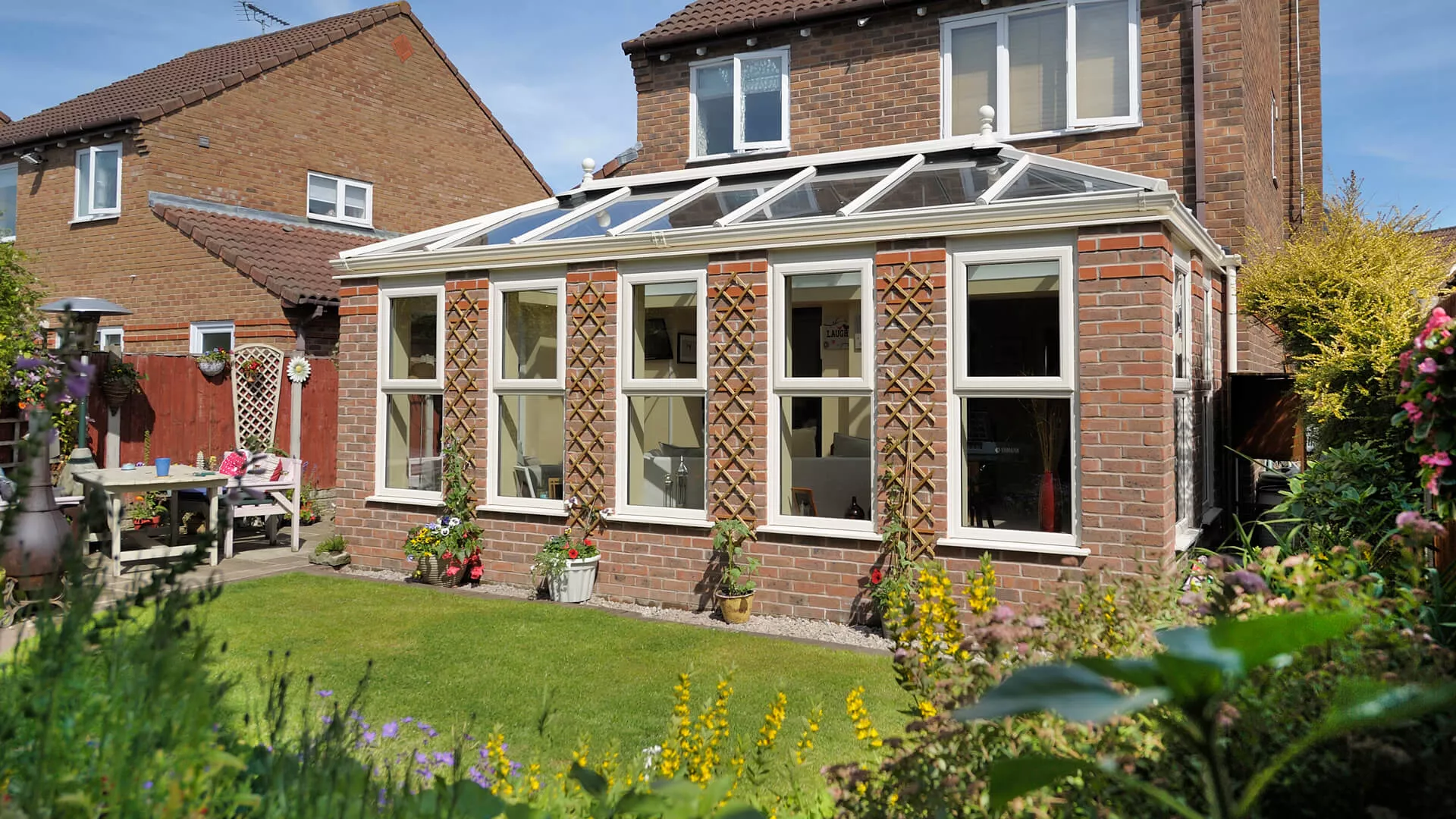
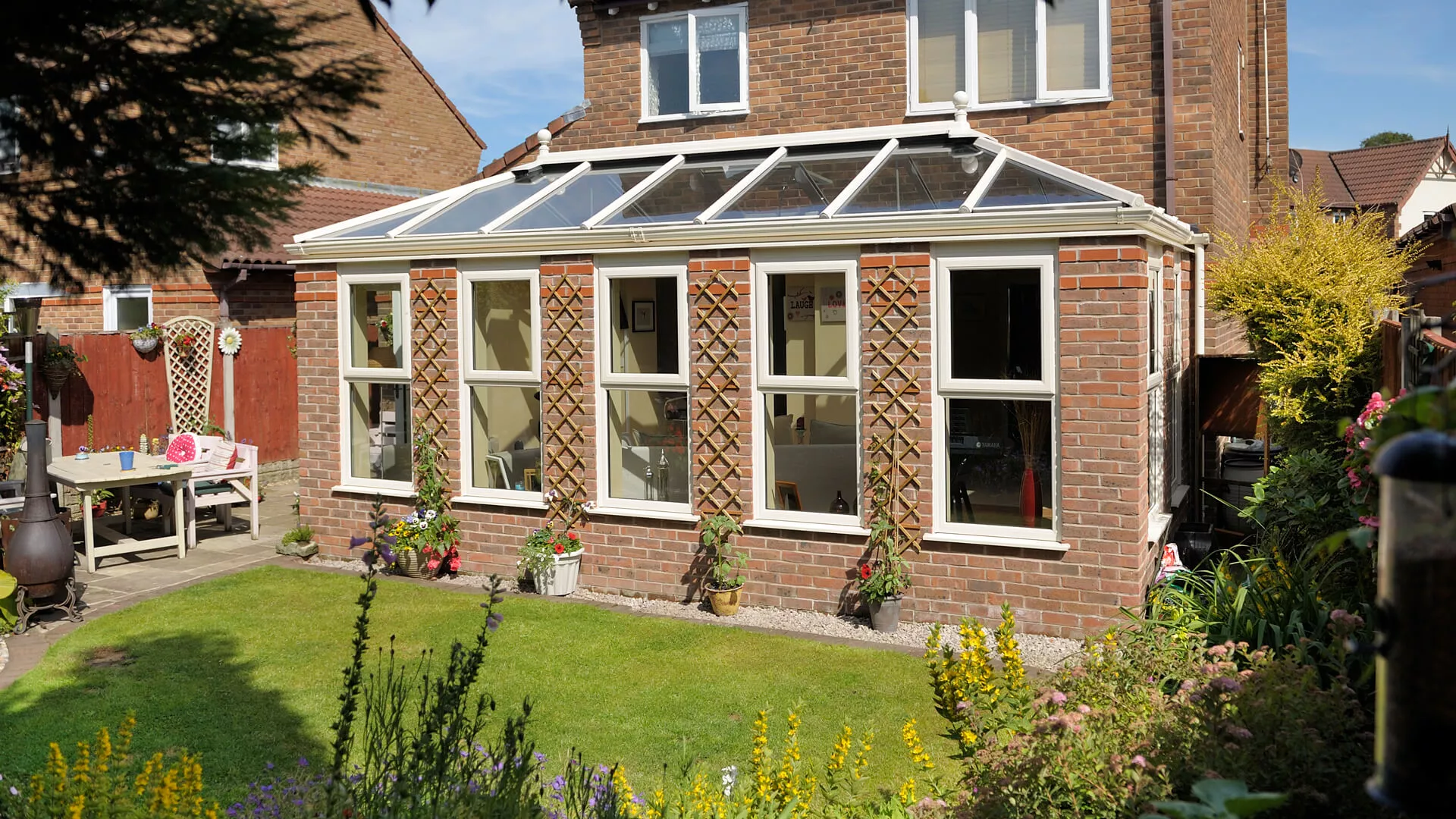
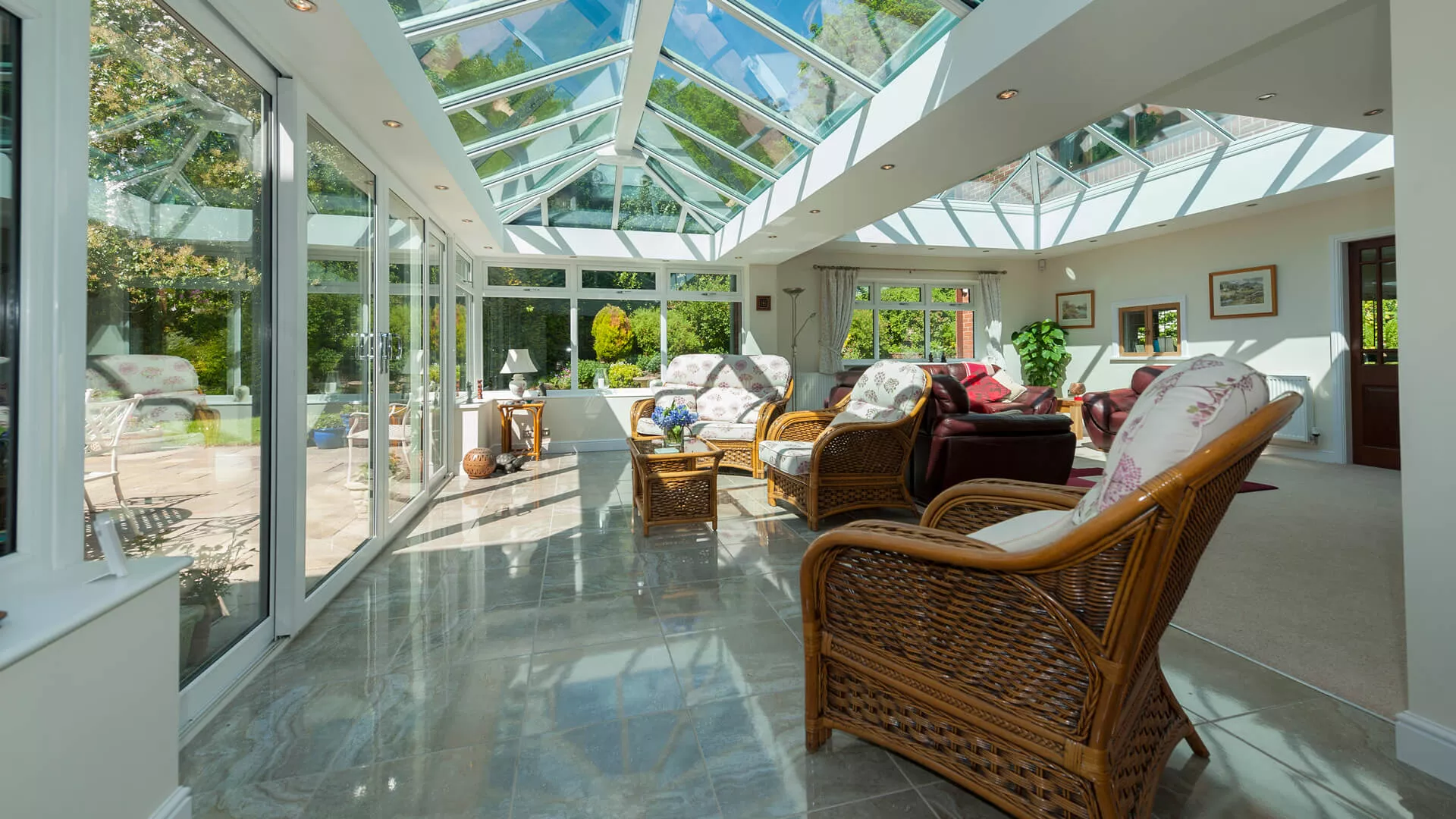
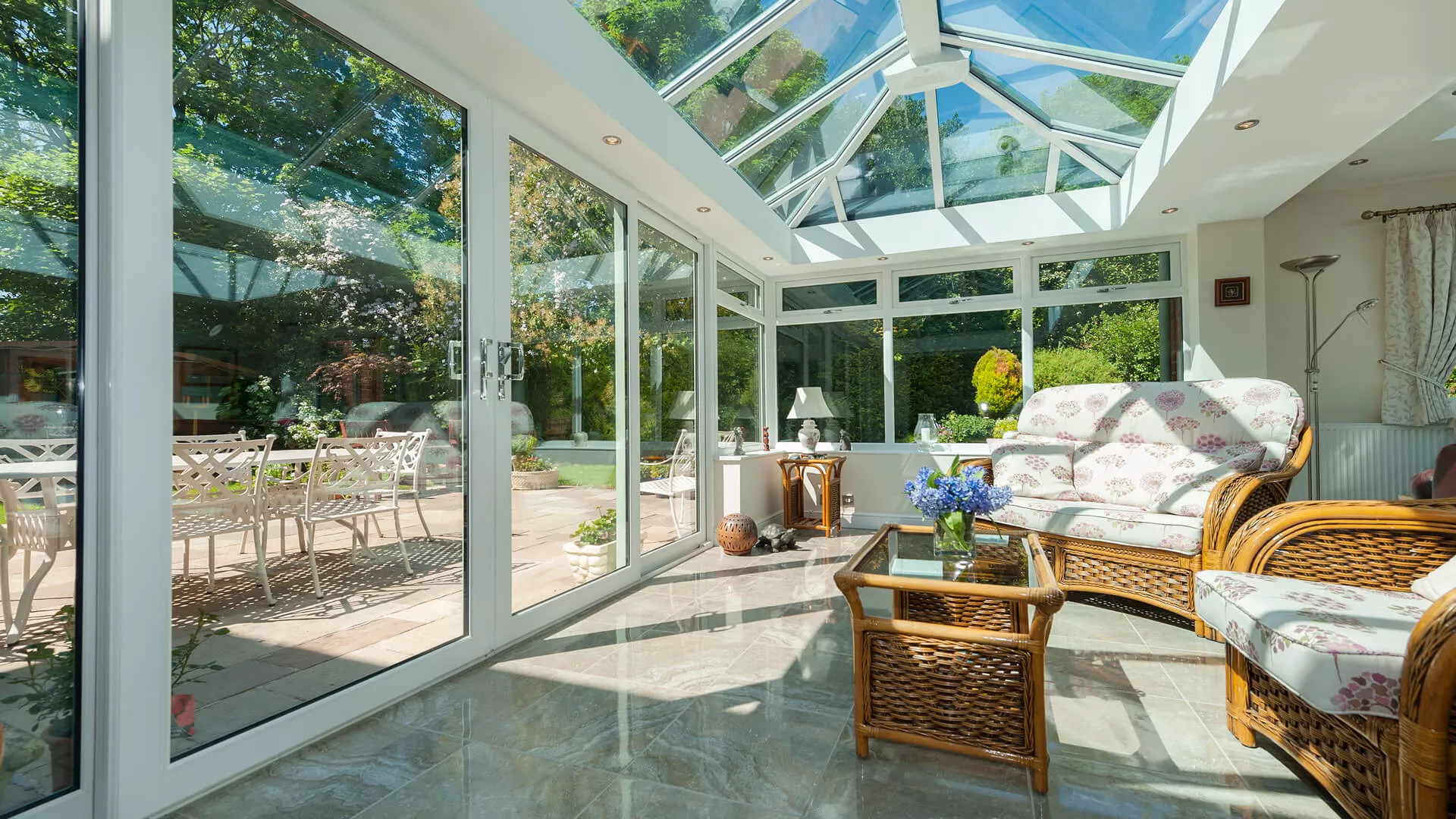
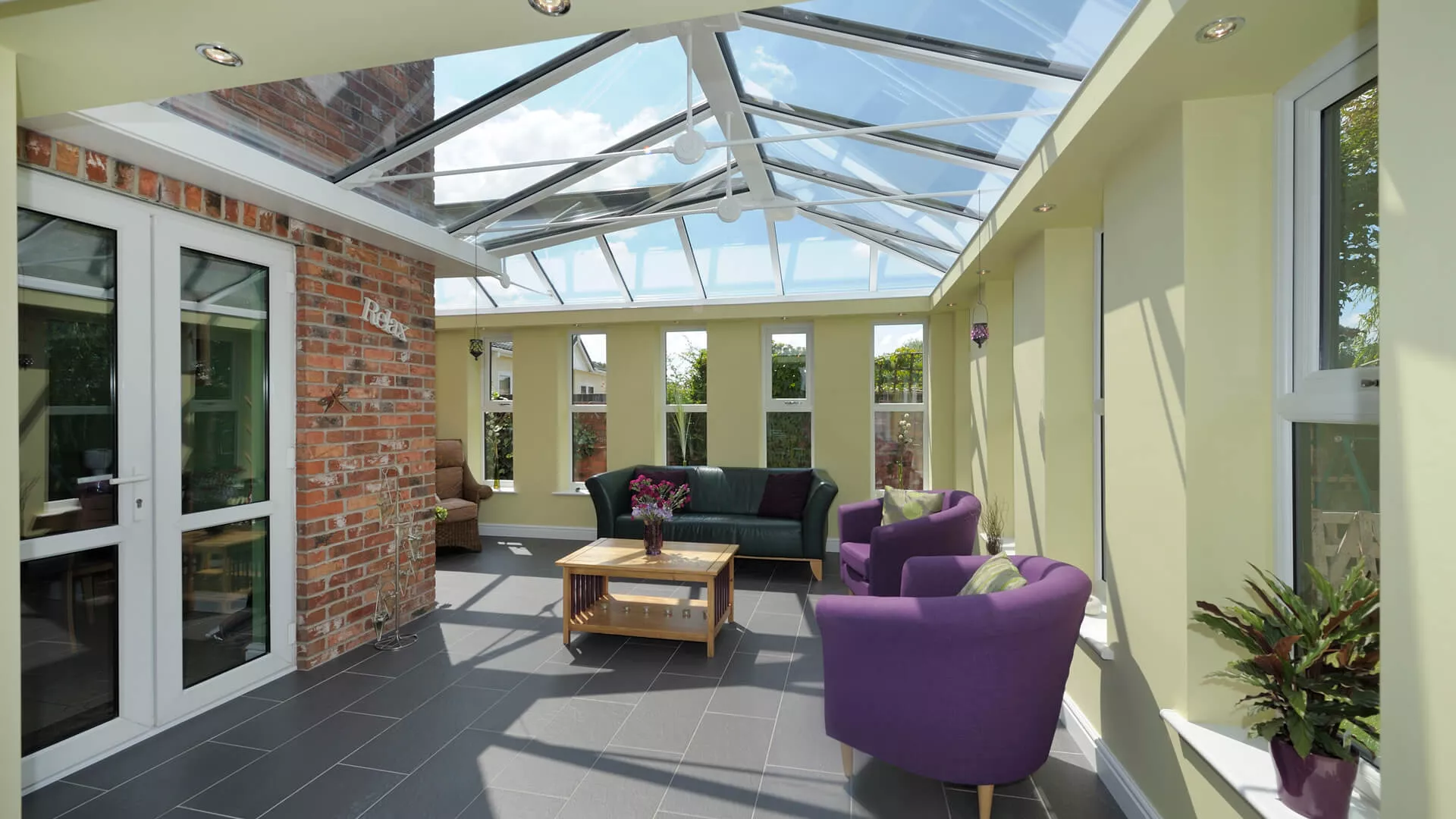
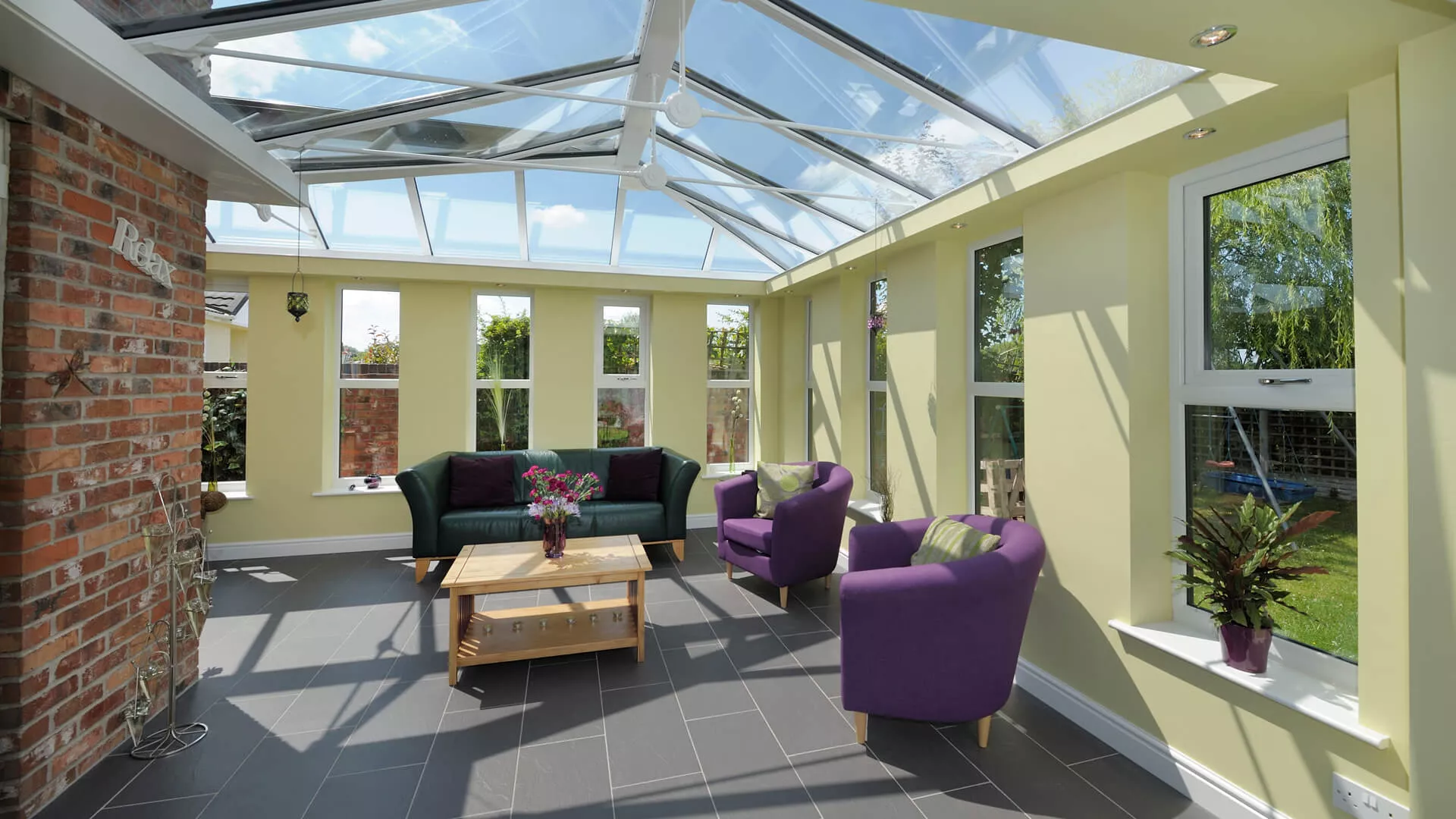
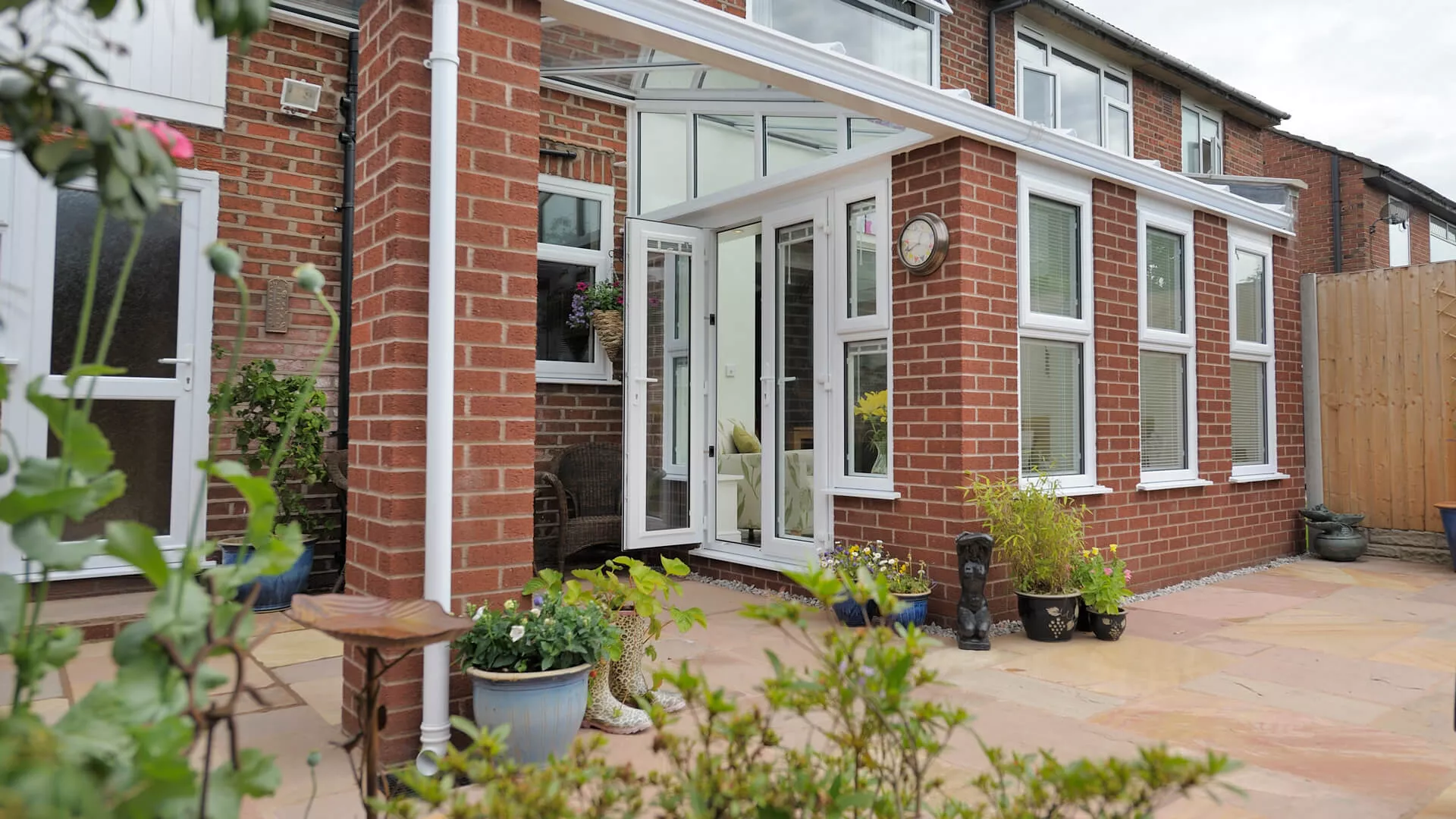
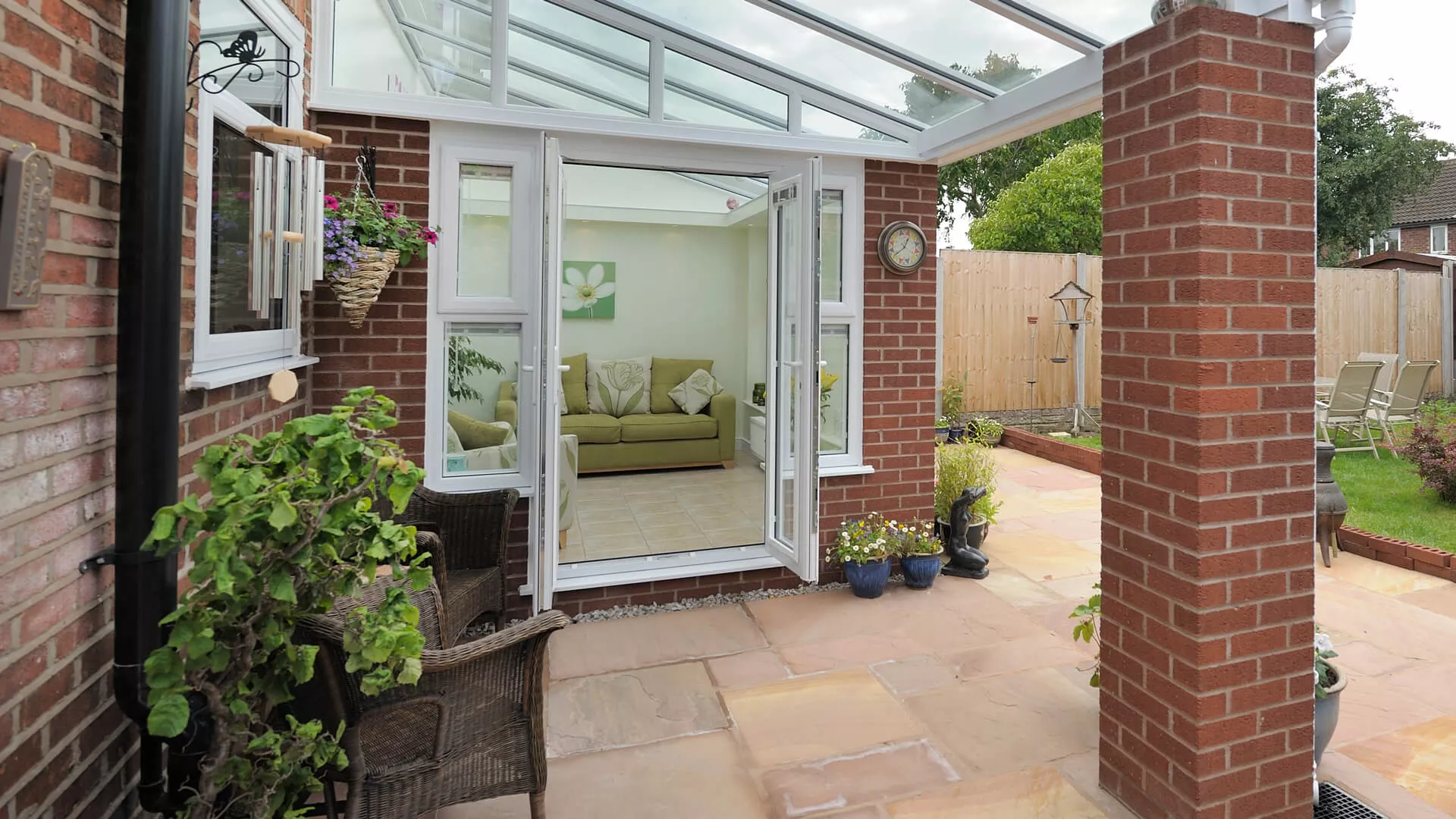
Conservatory roof selection hinges on things like cost, appearance and insulation. Contemporary systems are so cutting-edge and there’s different varieties you can buy.
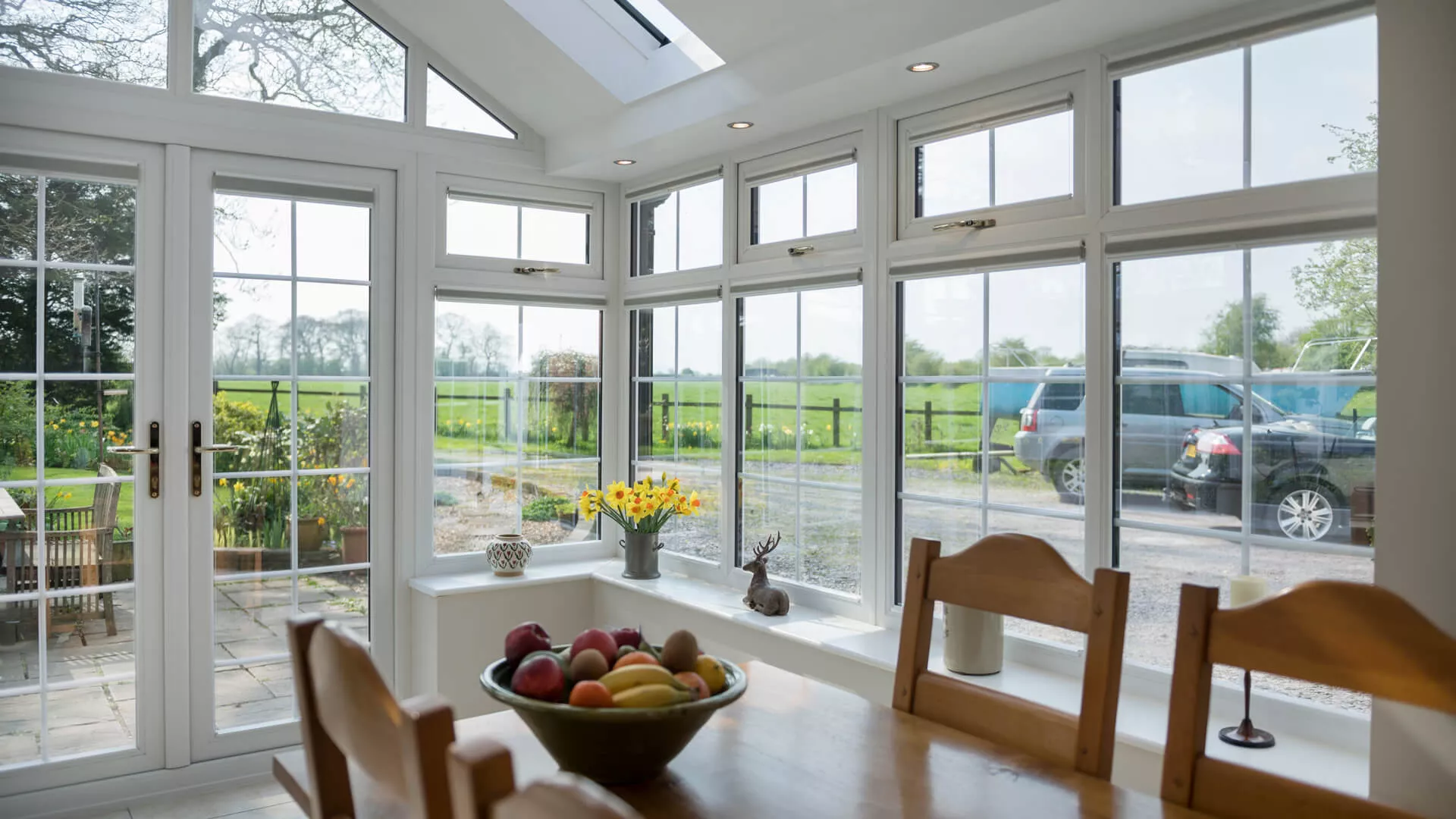
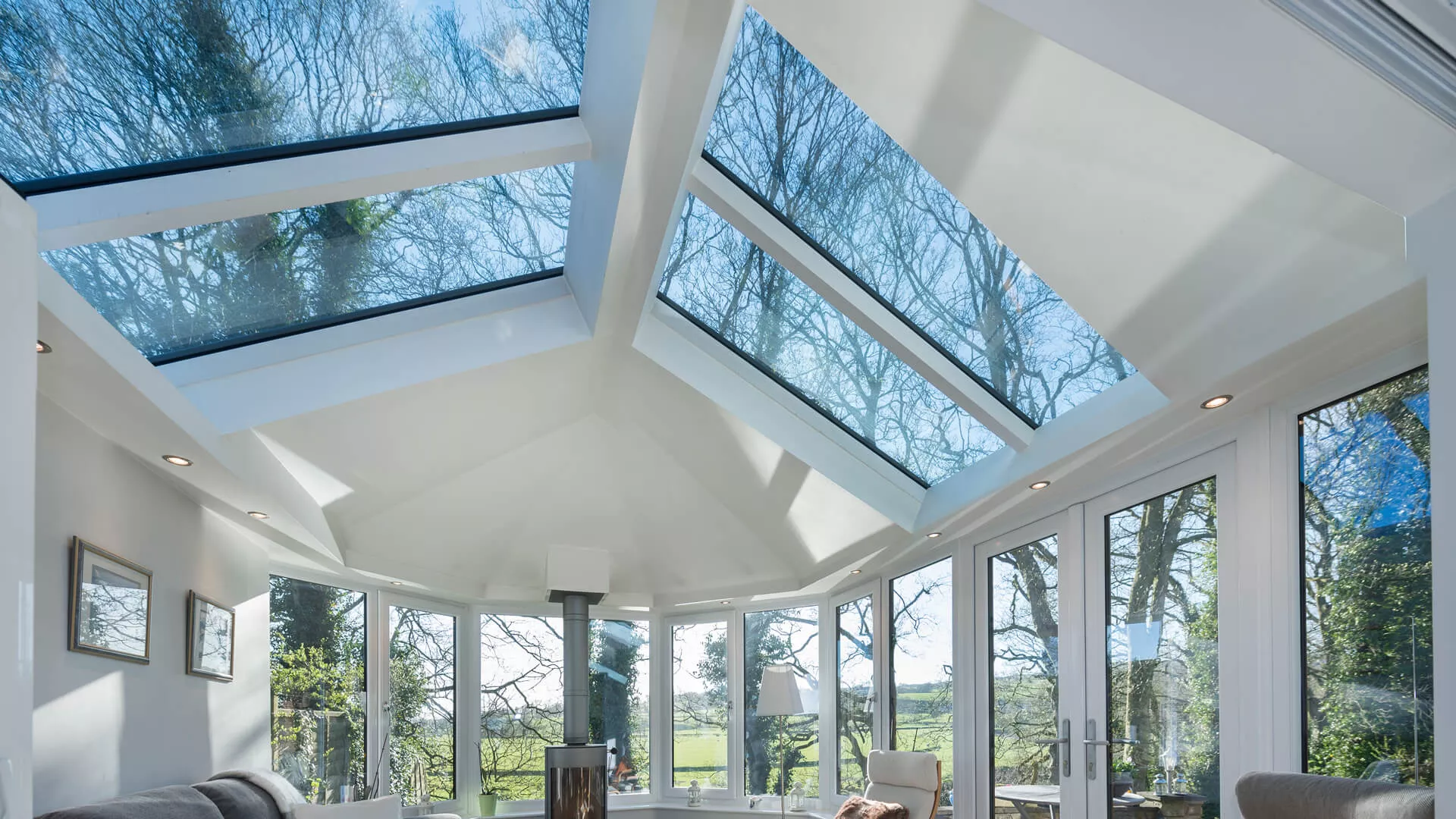
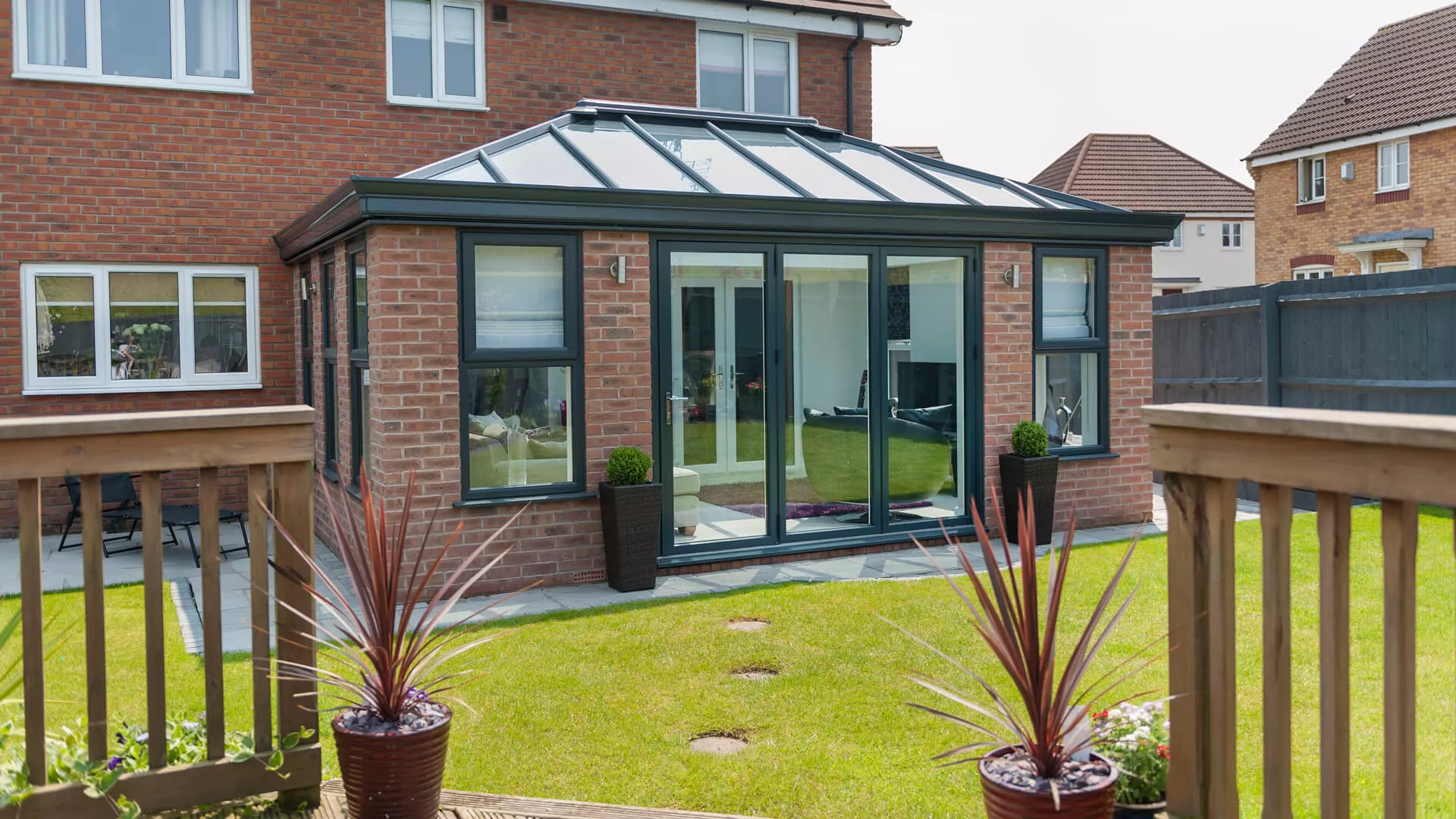
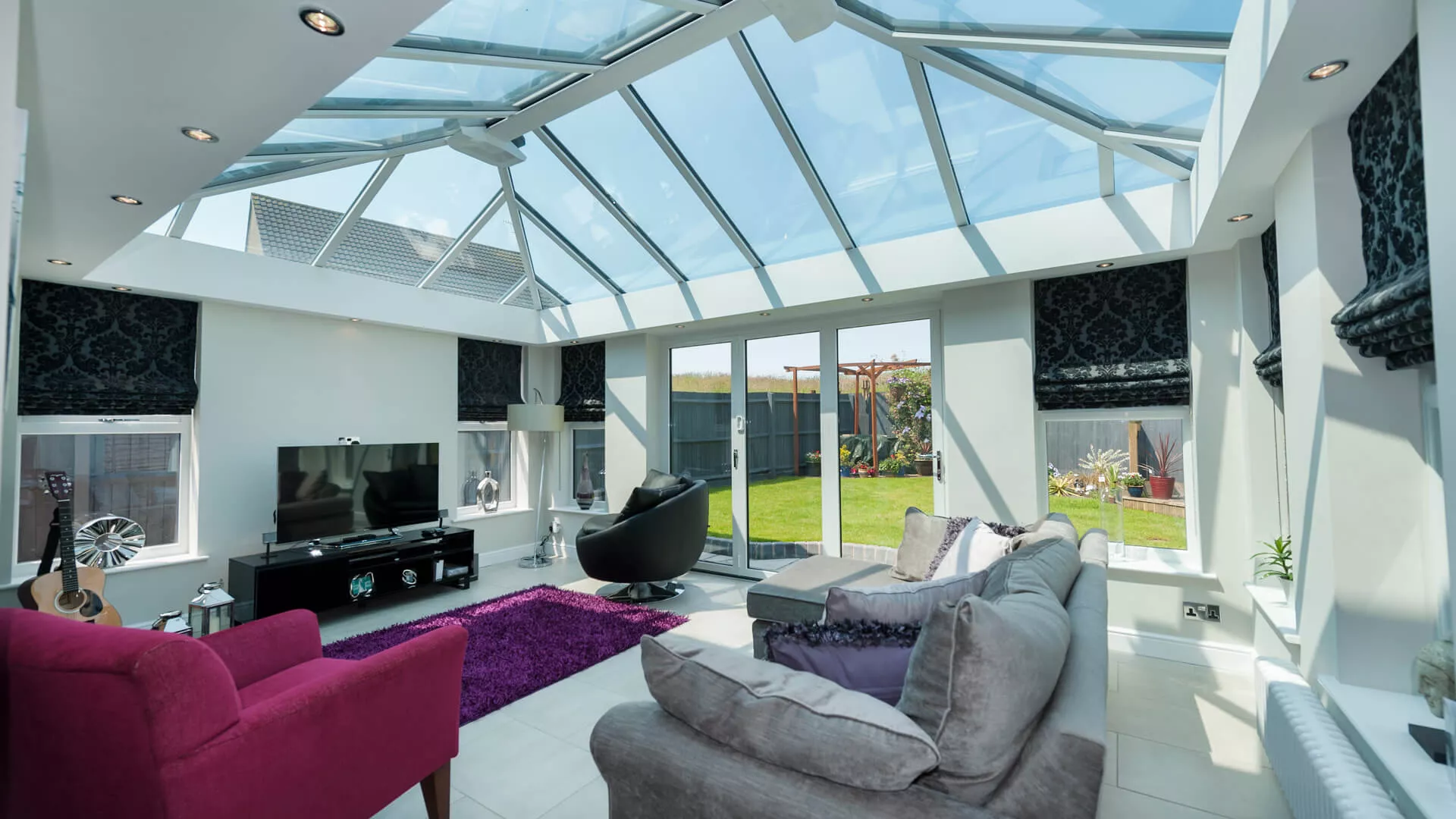
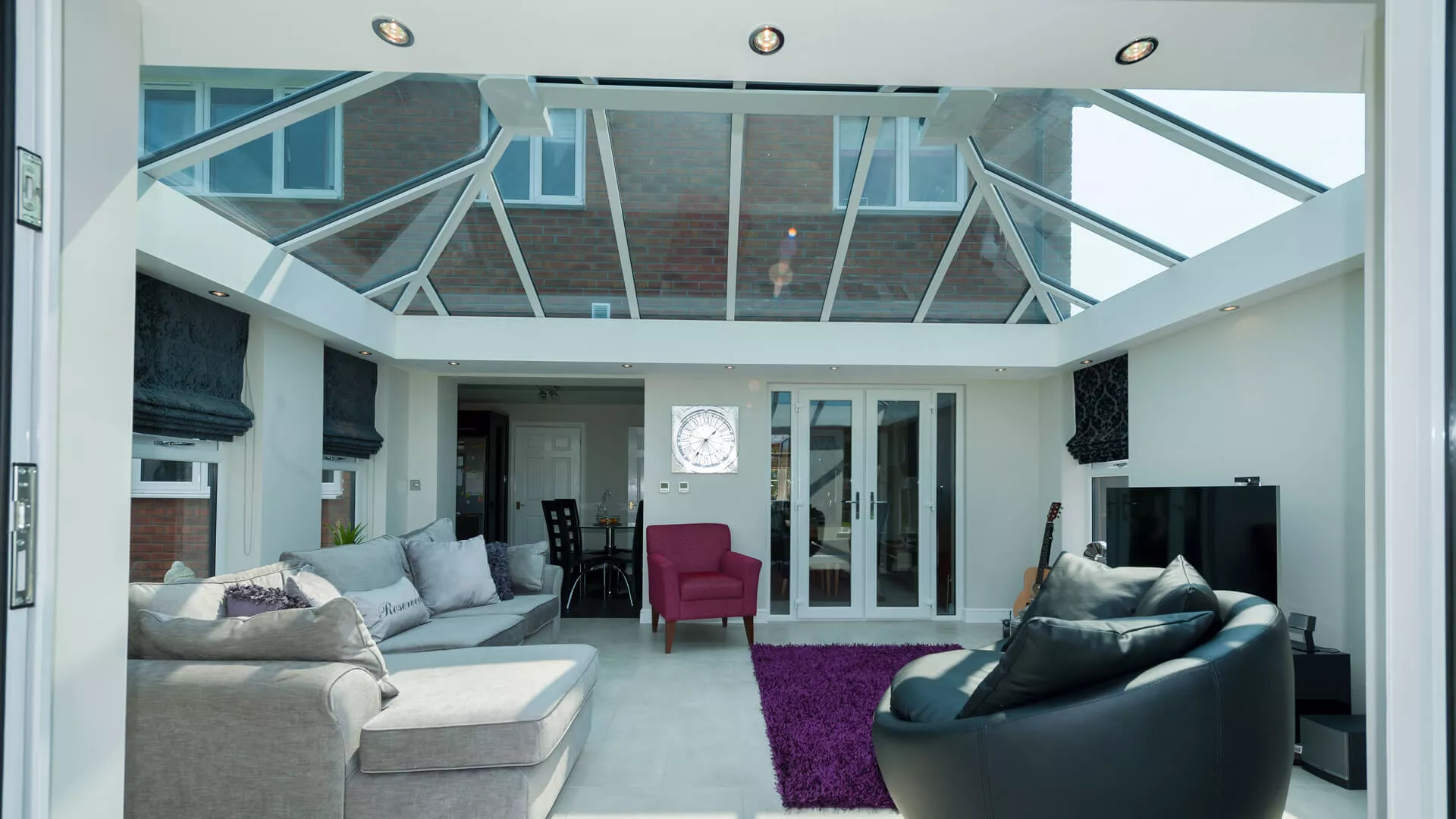
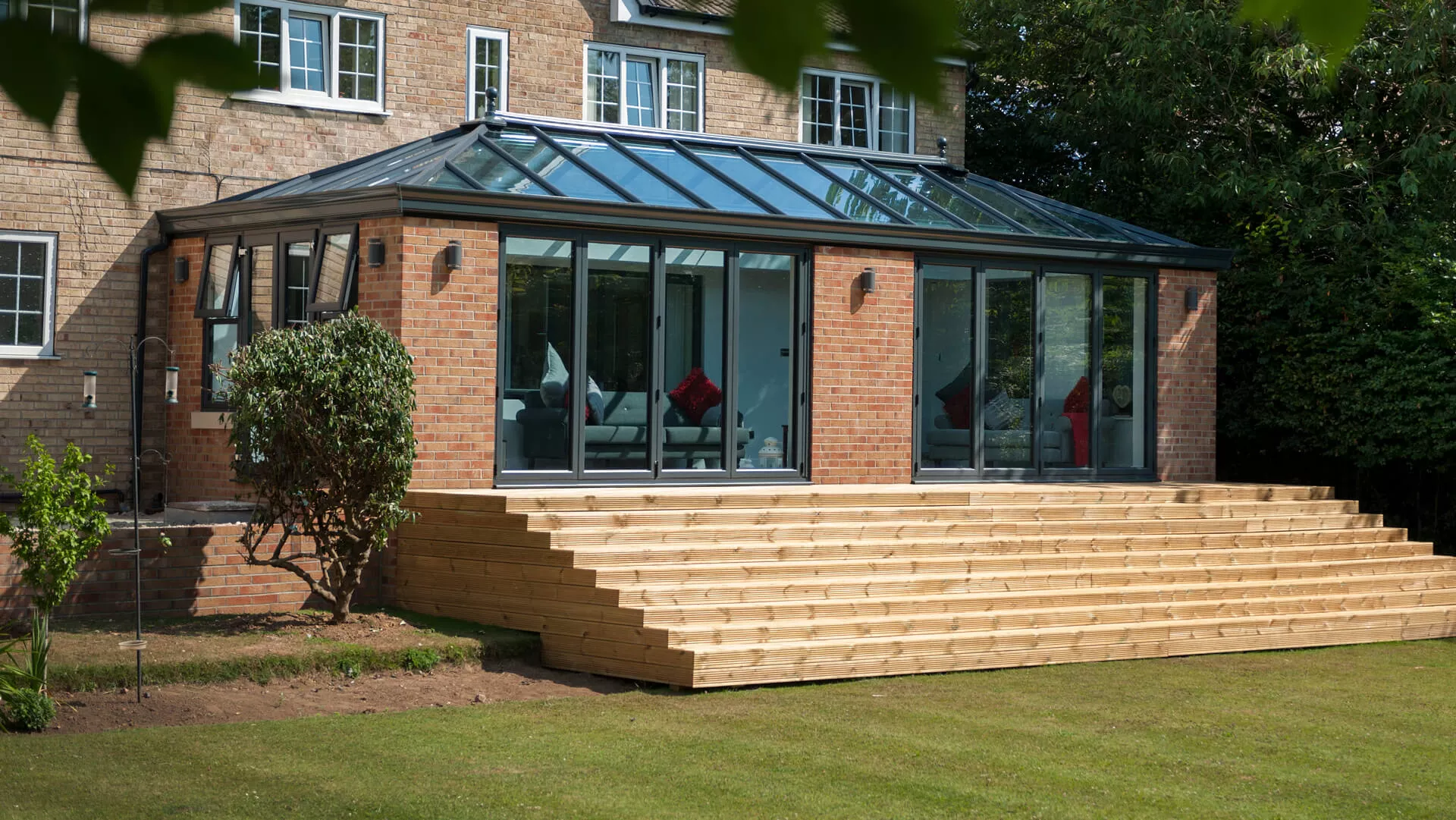
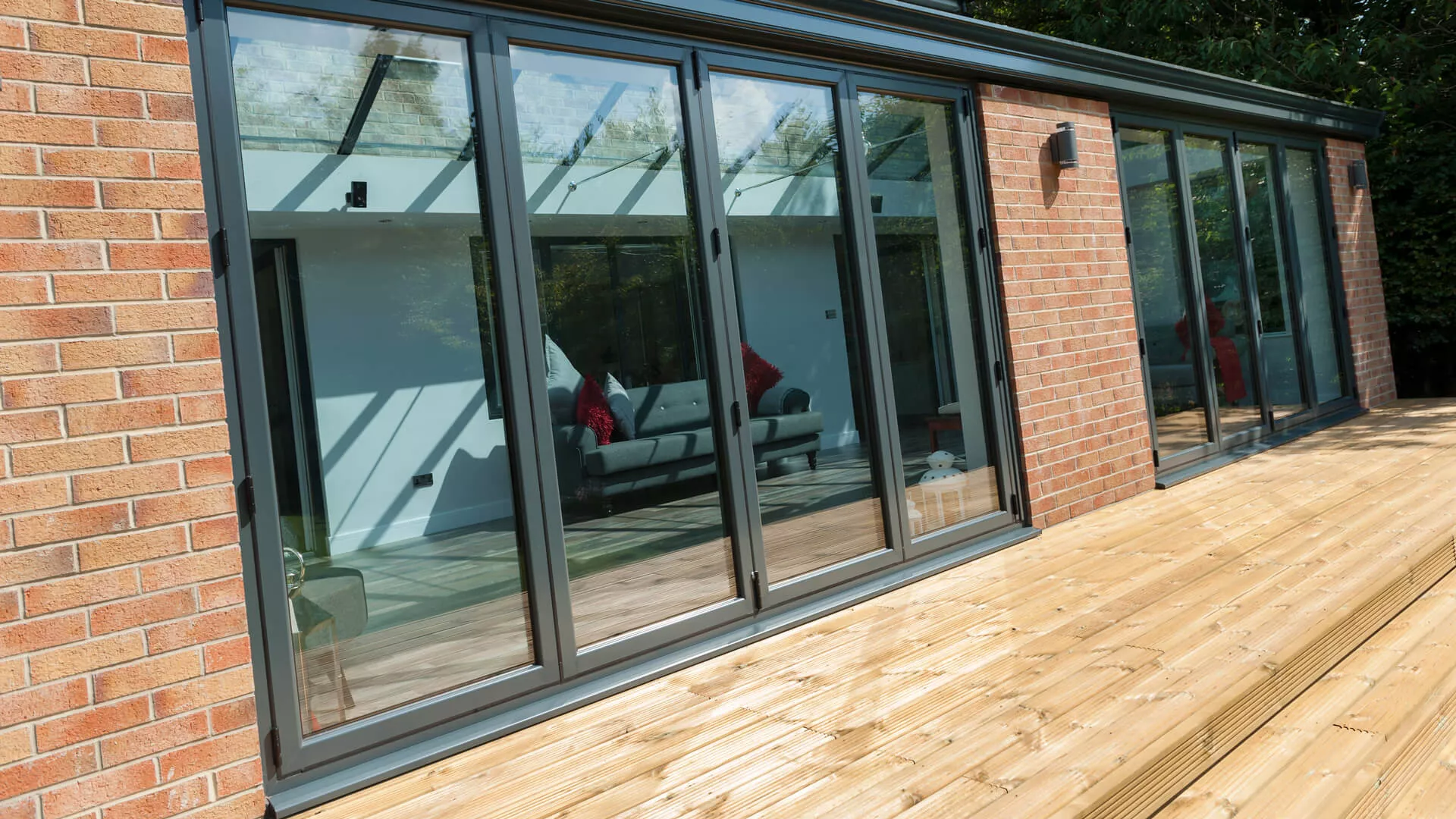
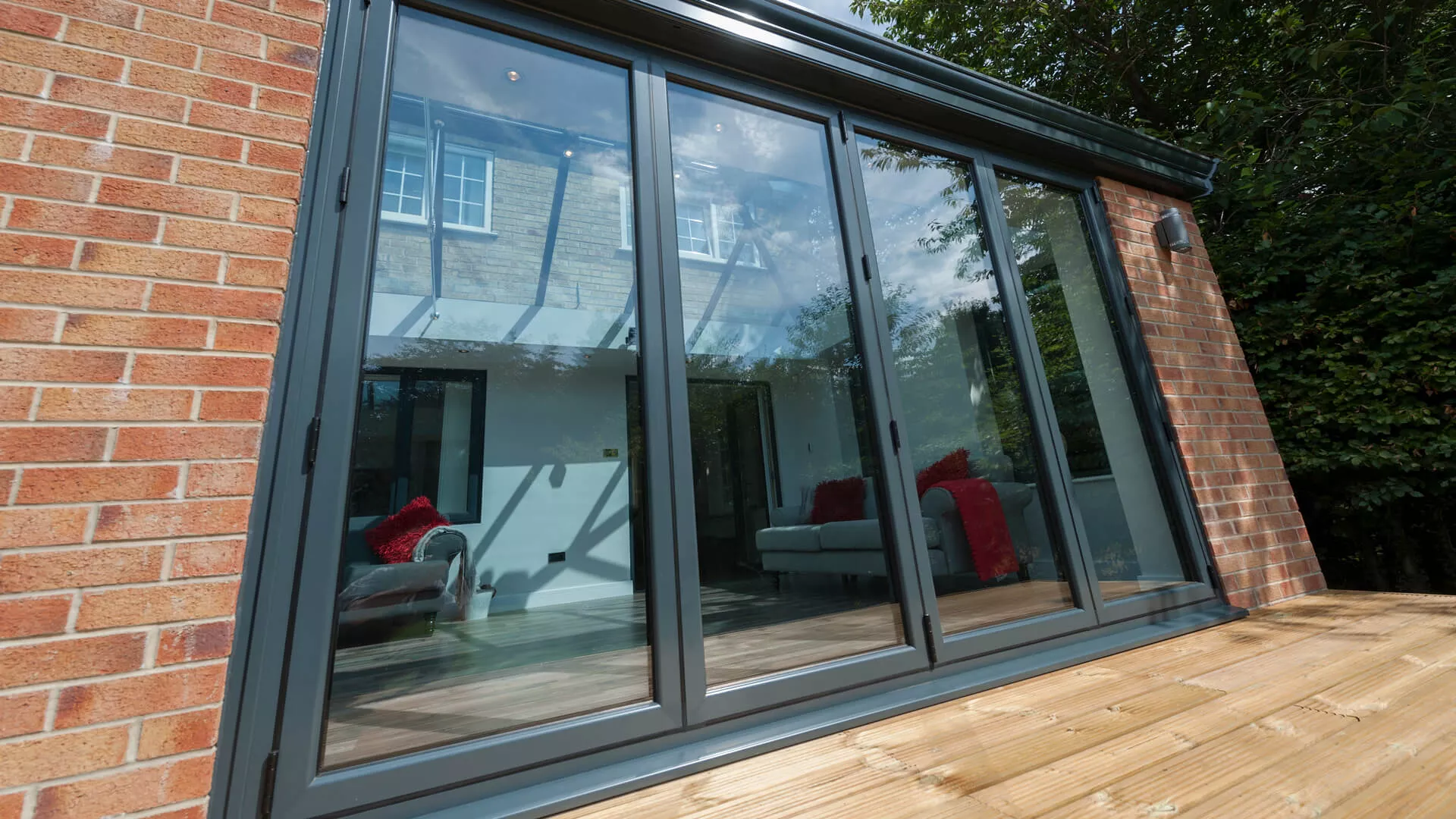
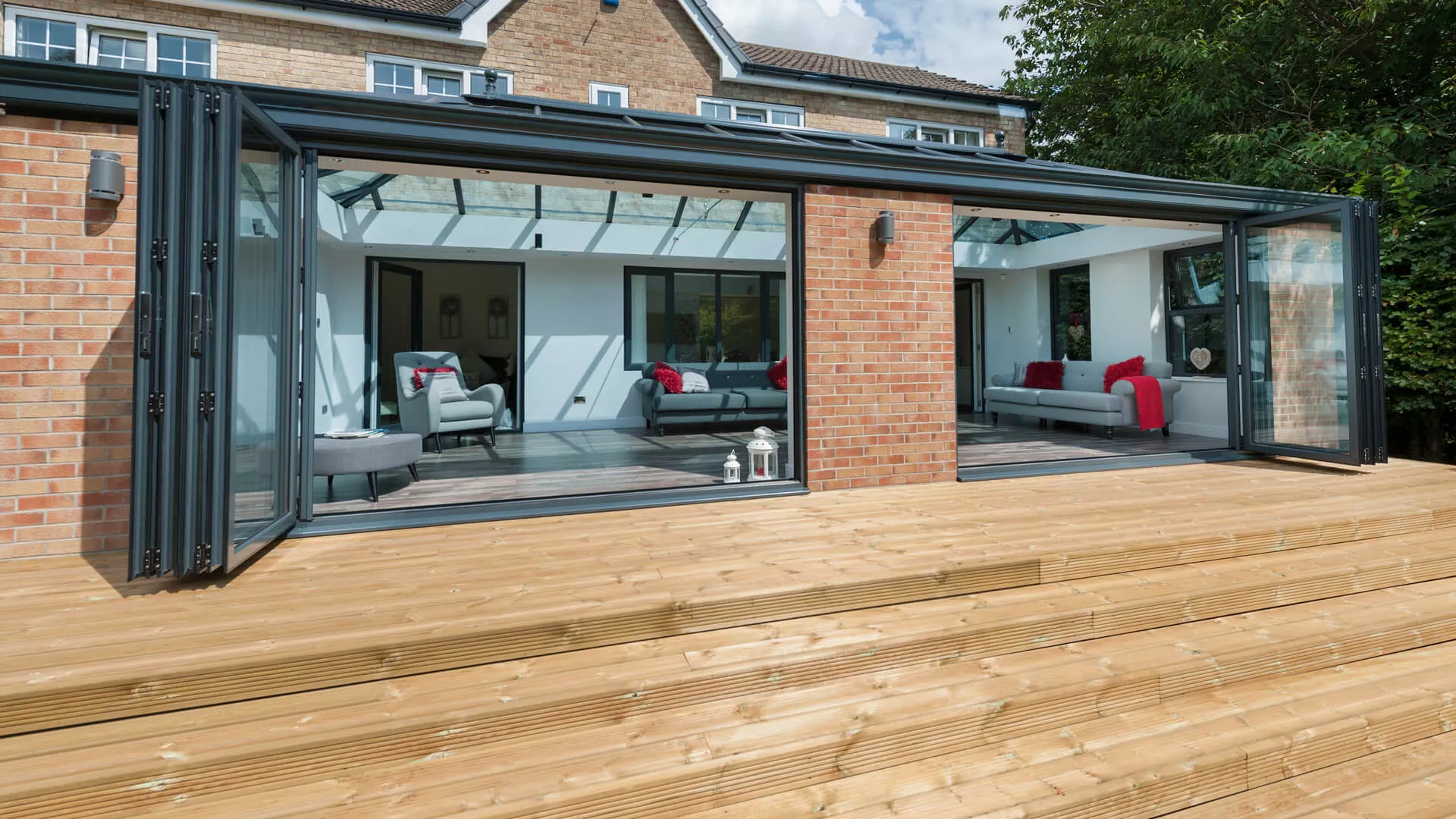
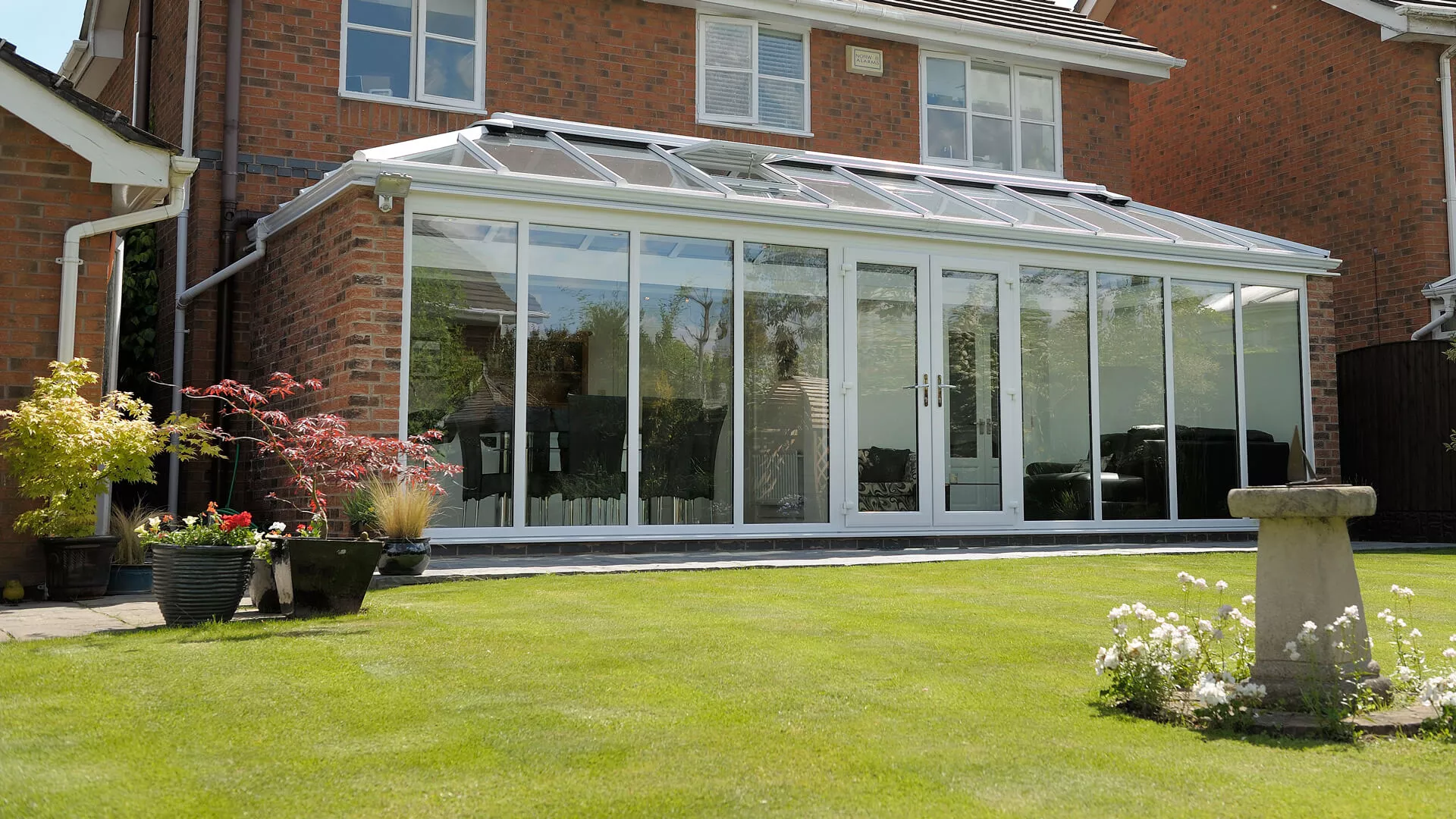
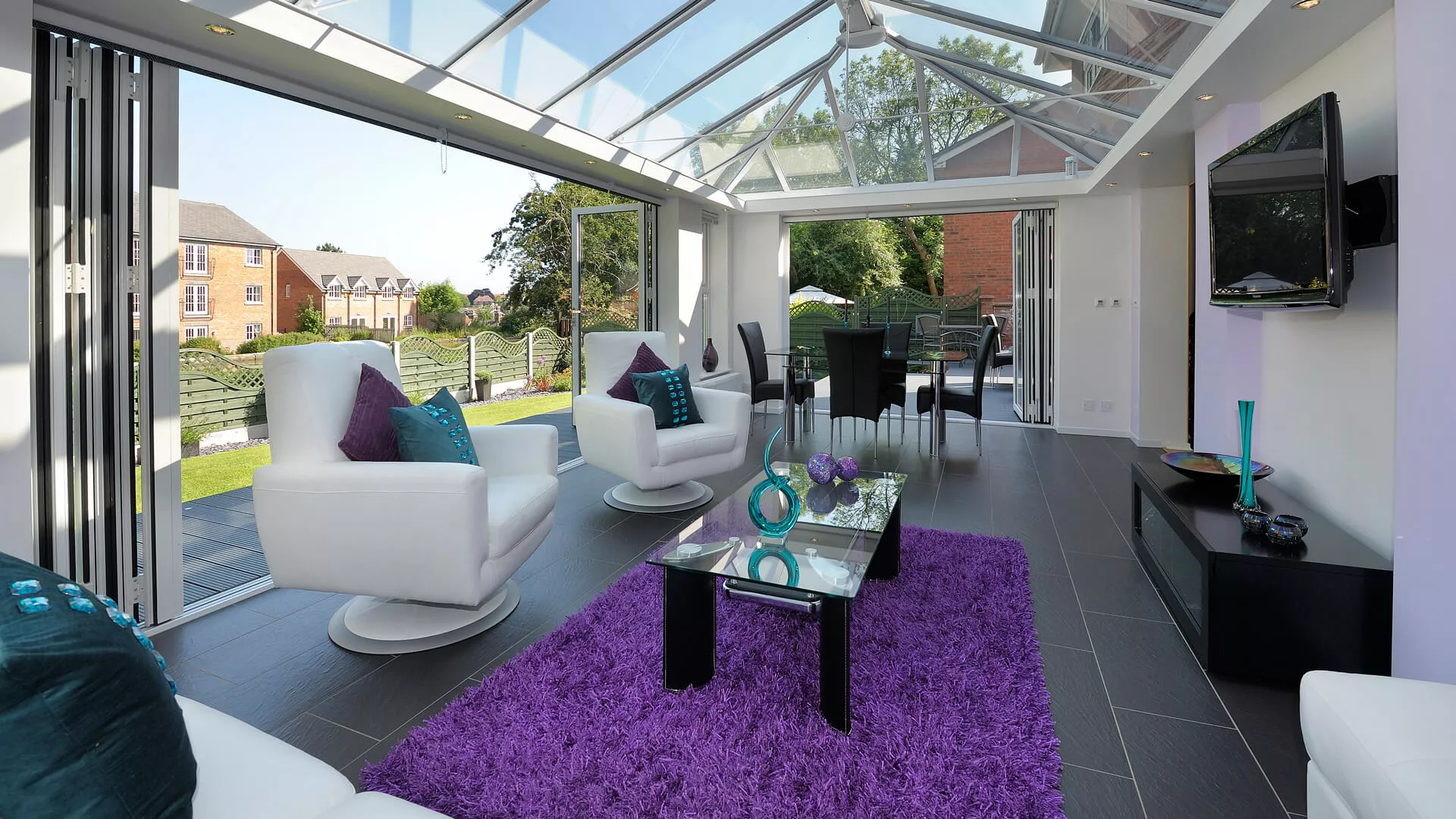
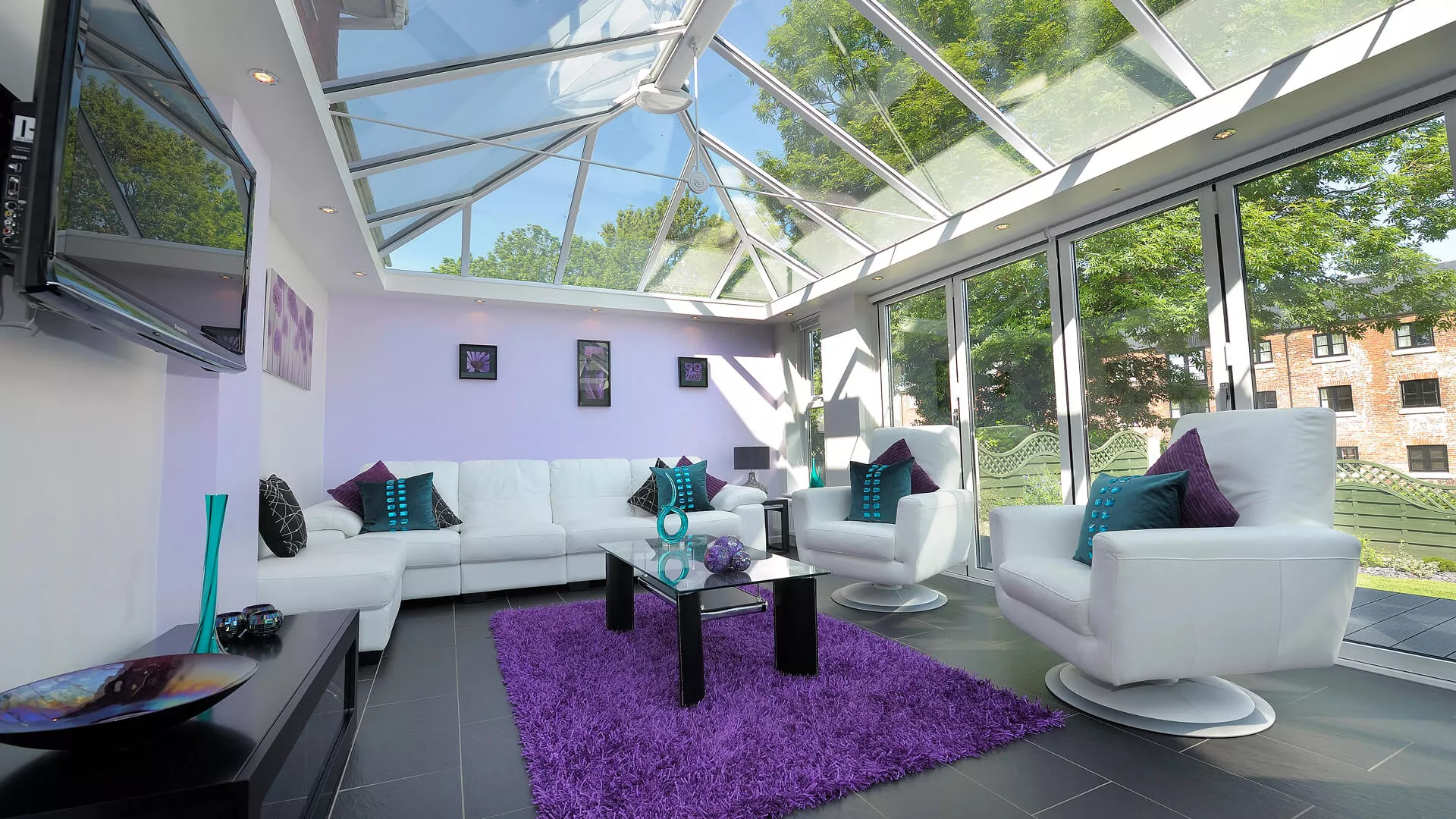
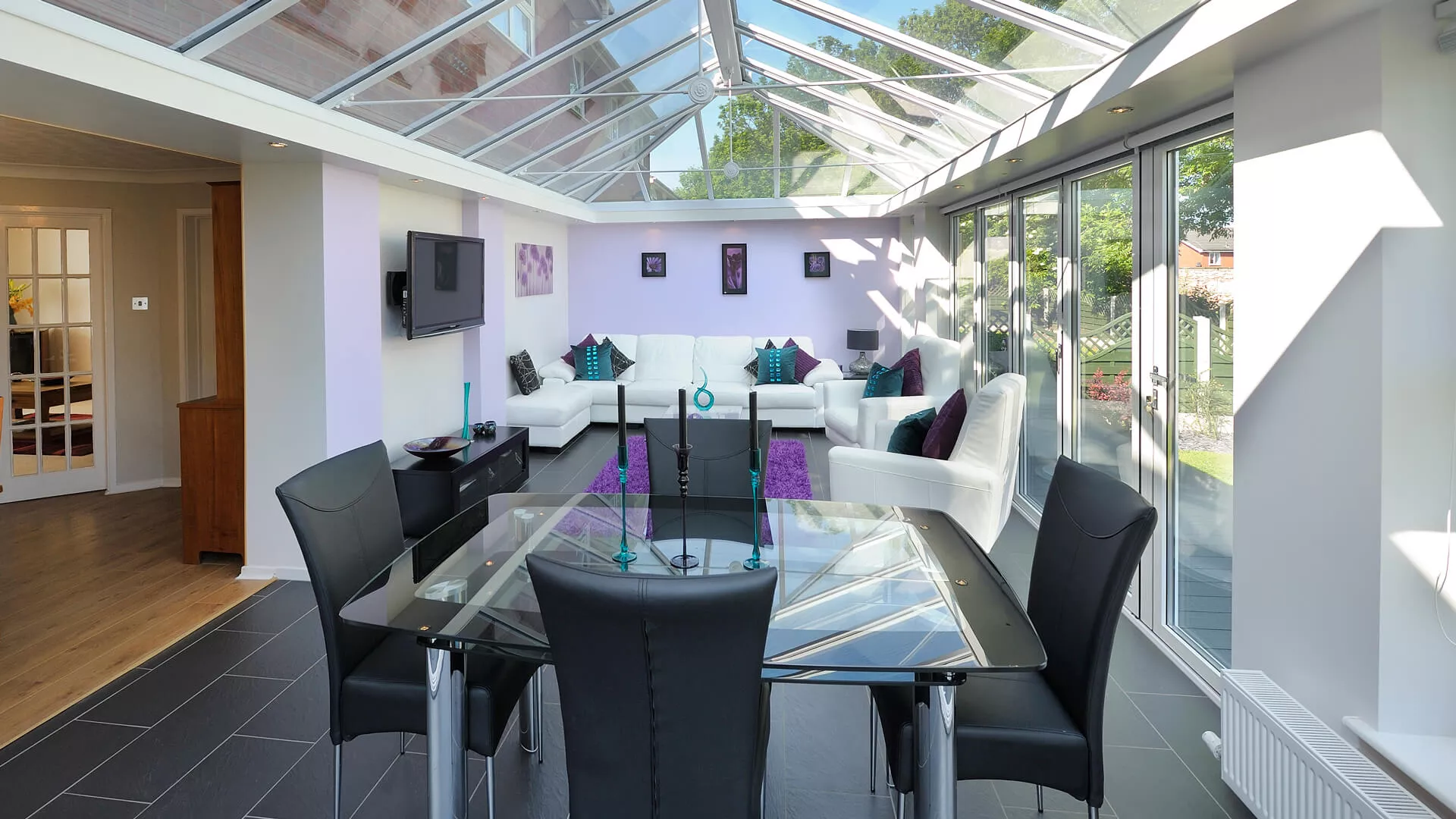
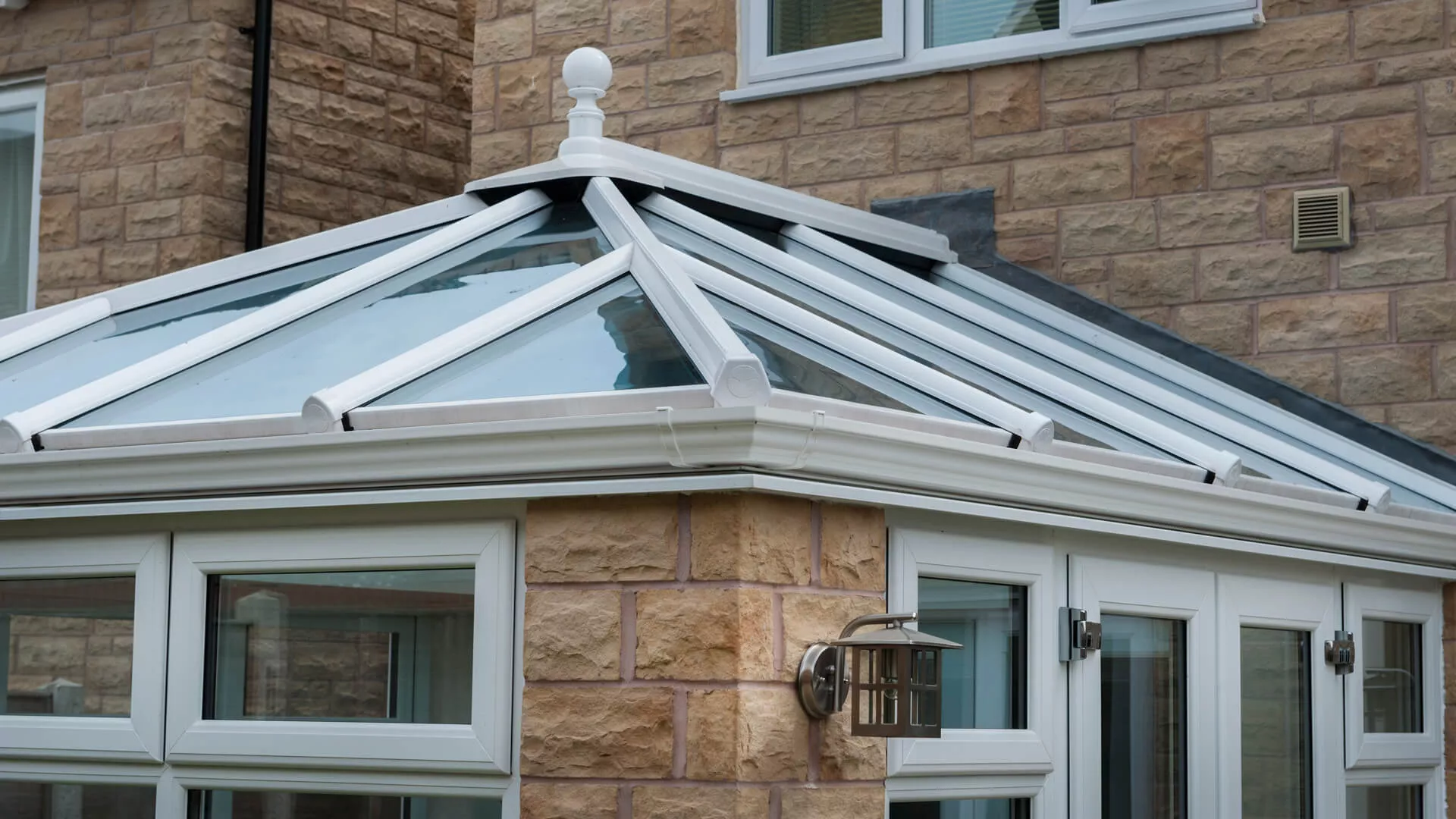
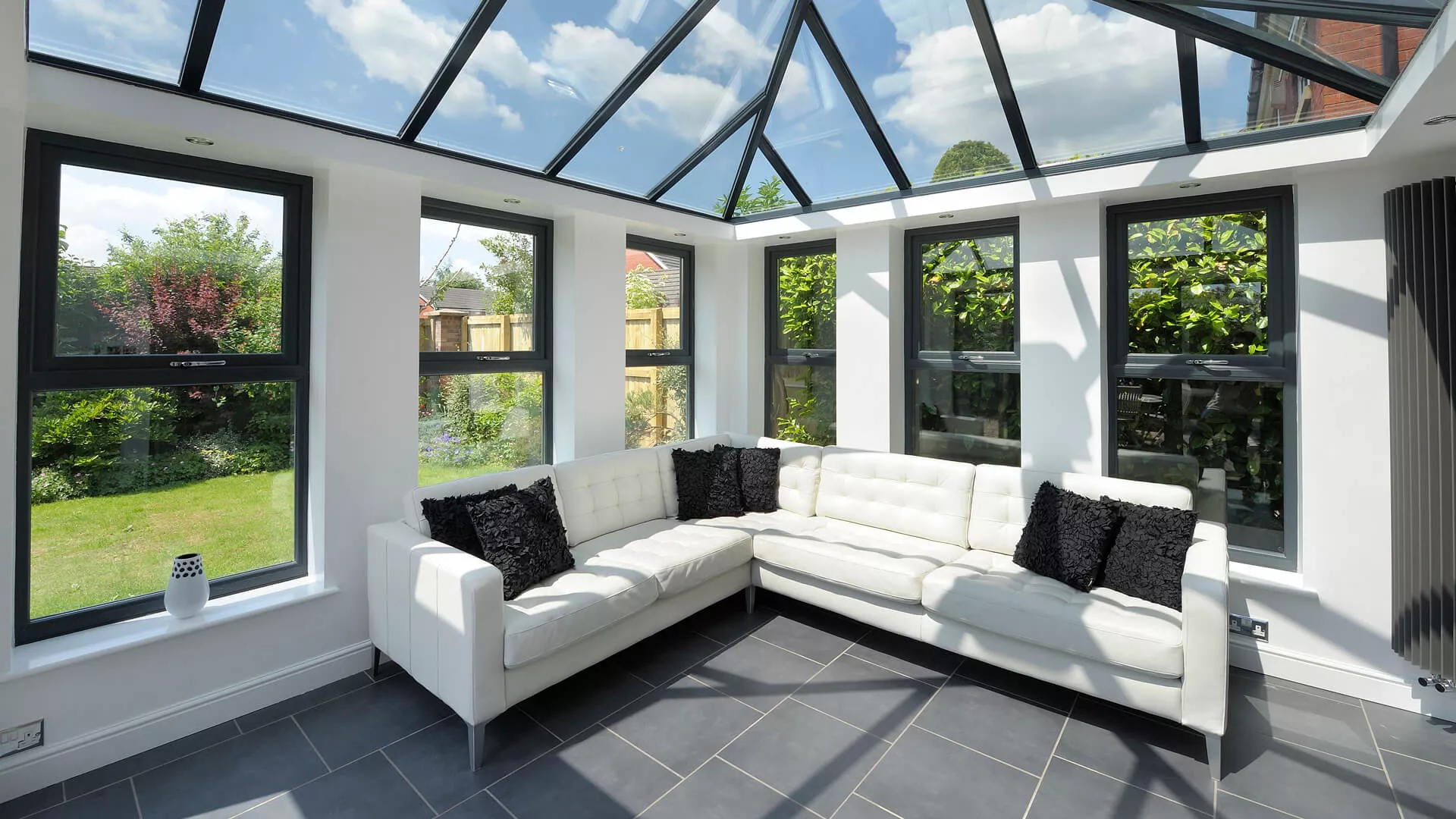
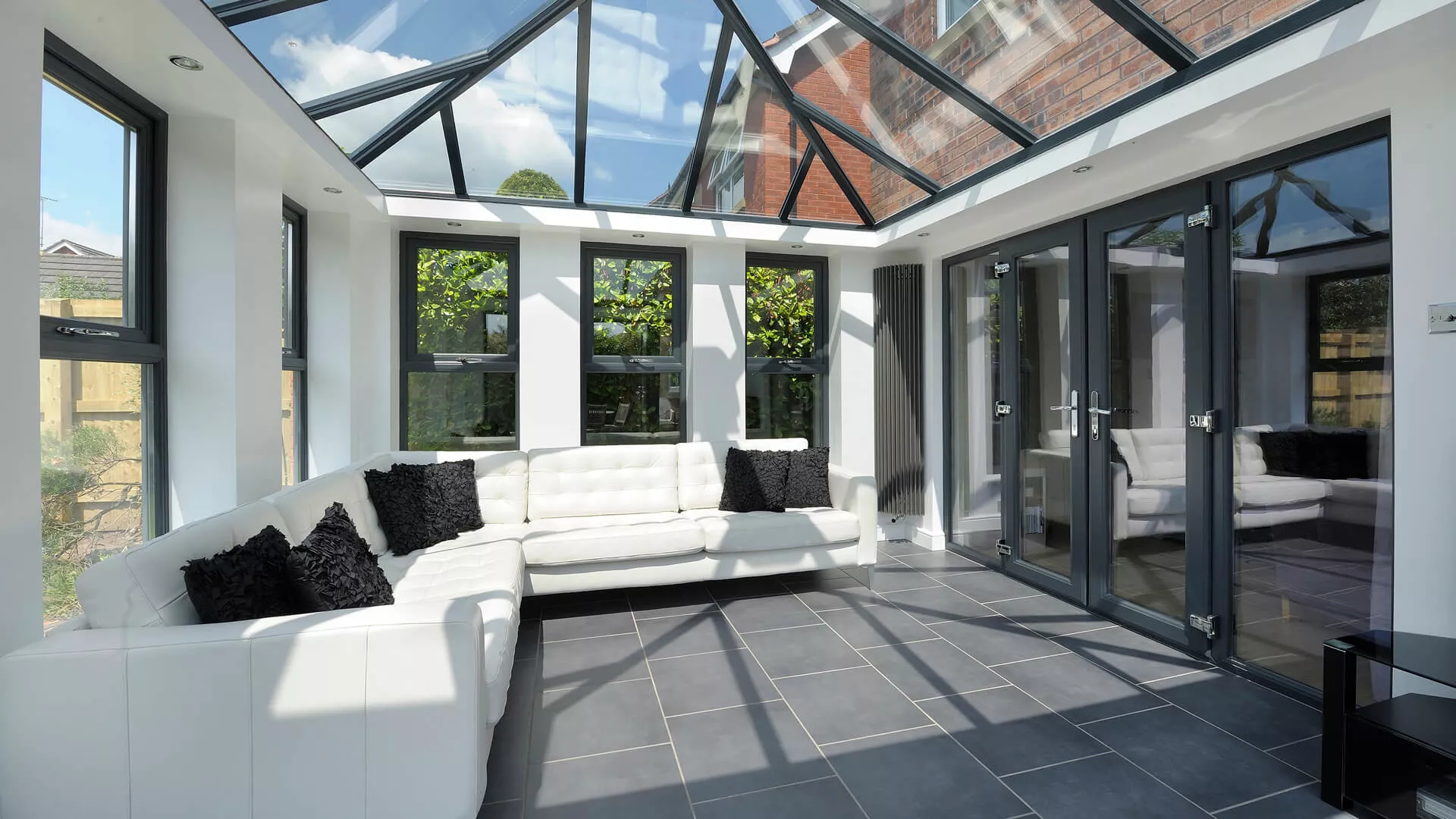
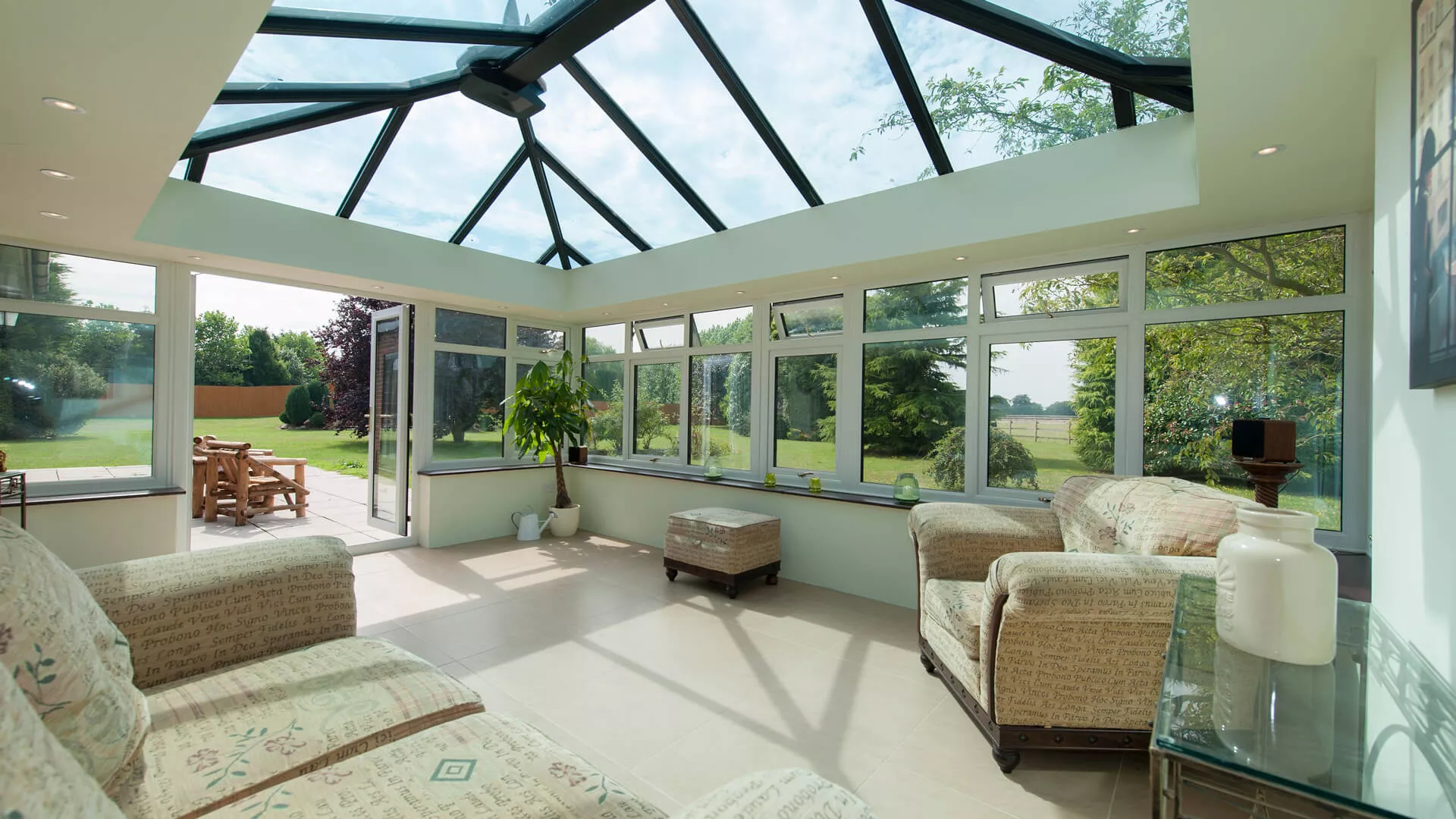
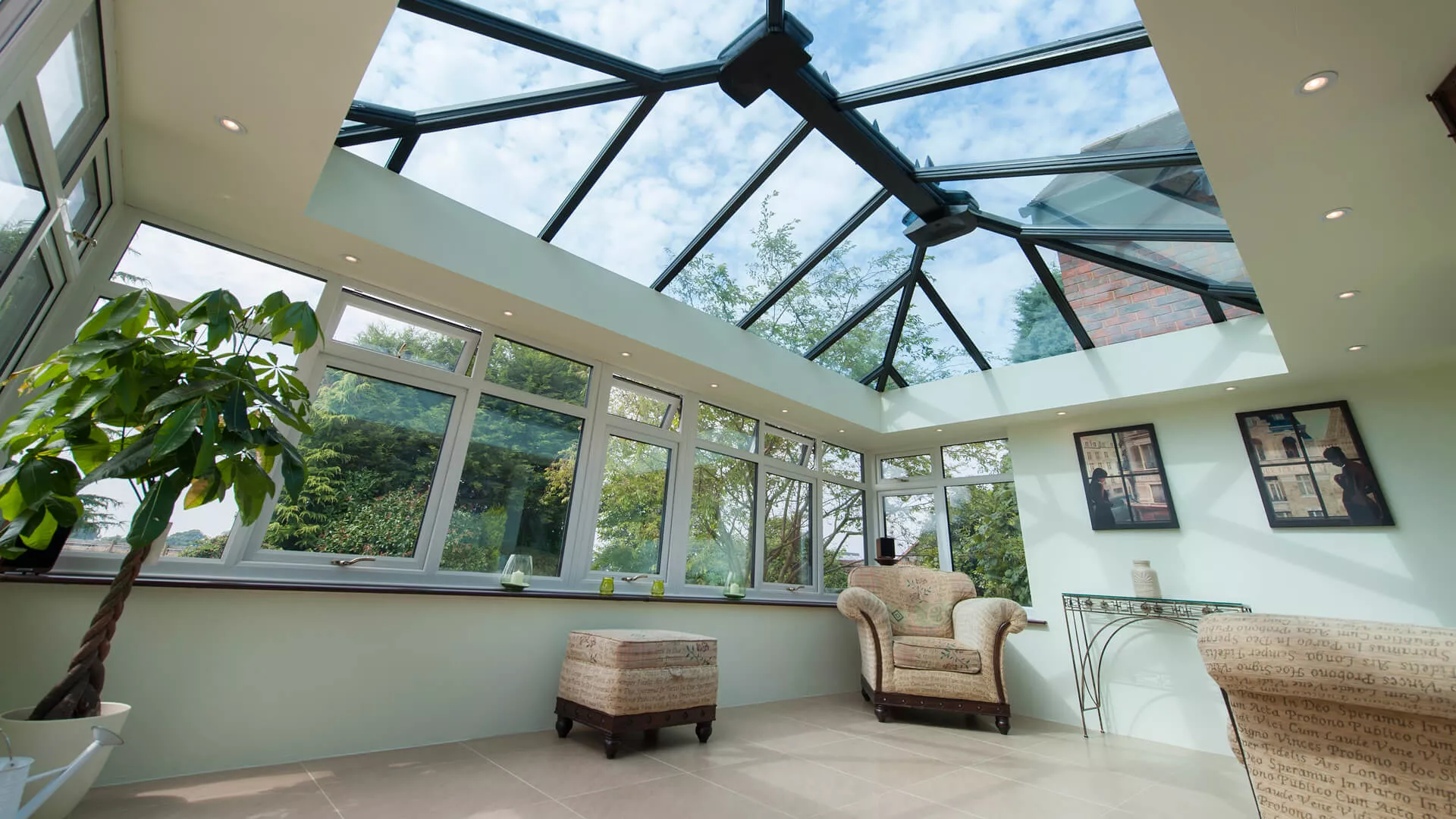
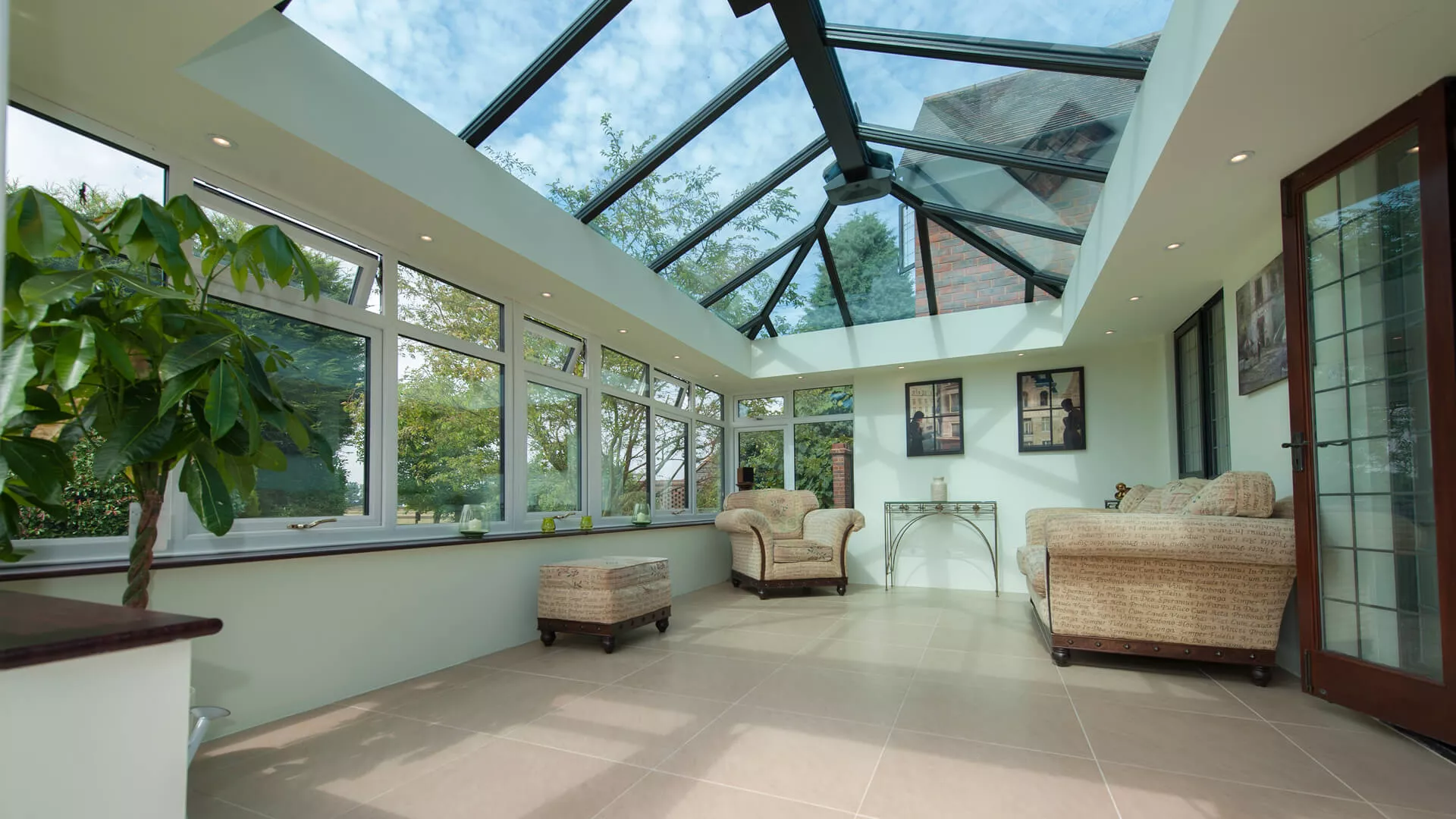
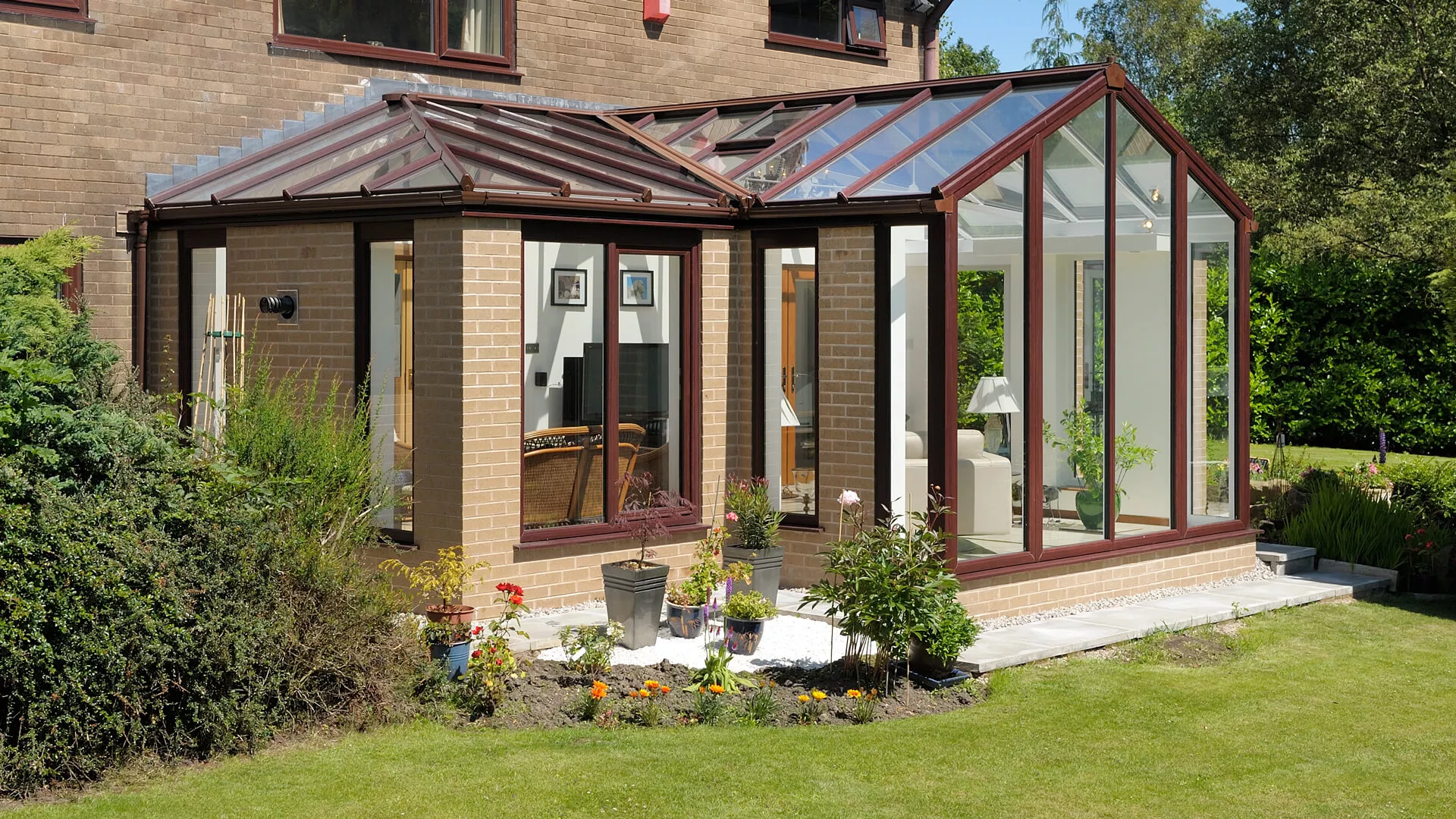
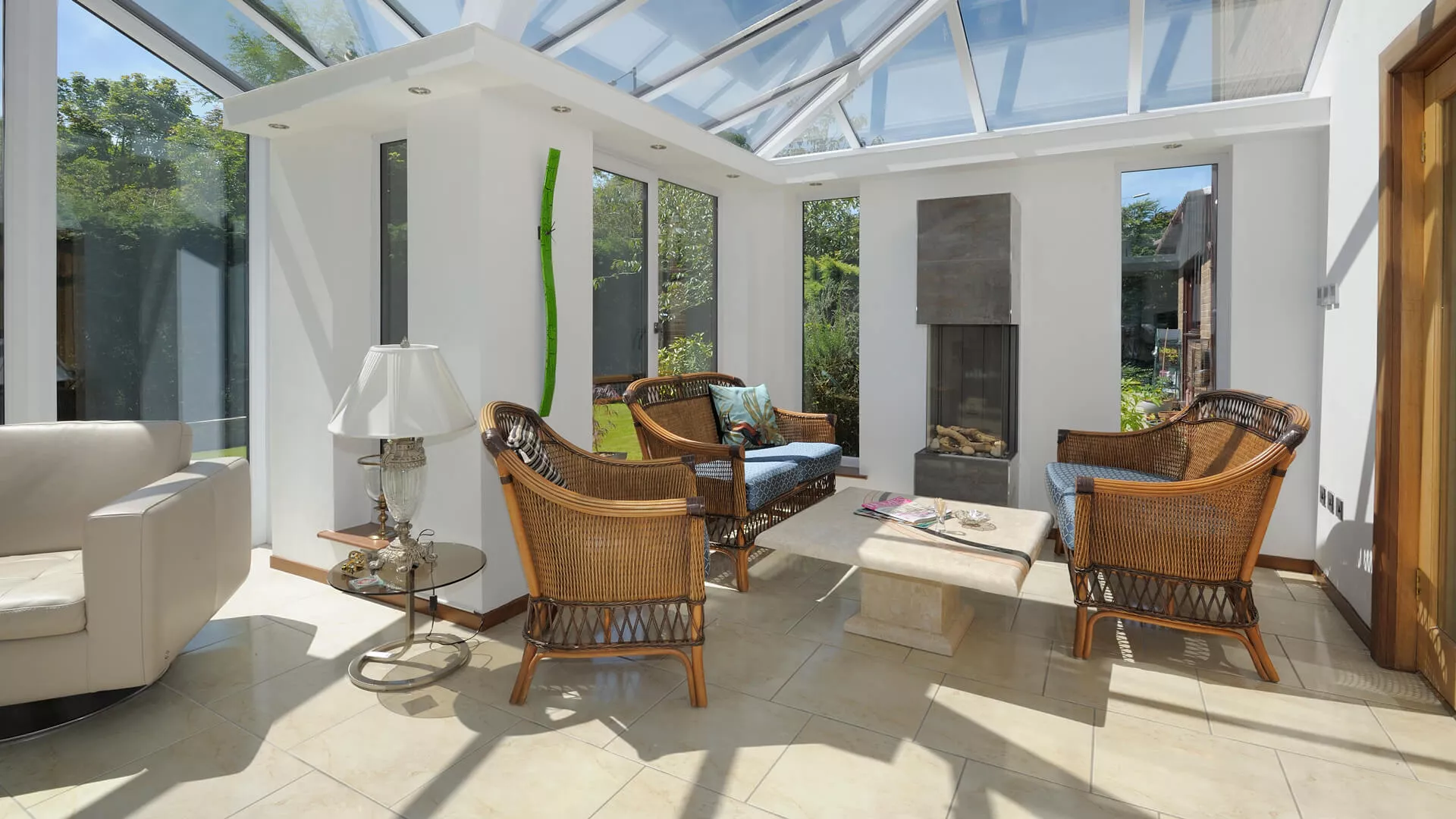
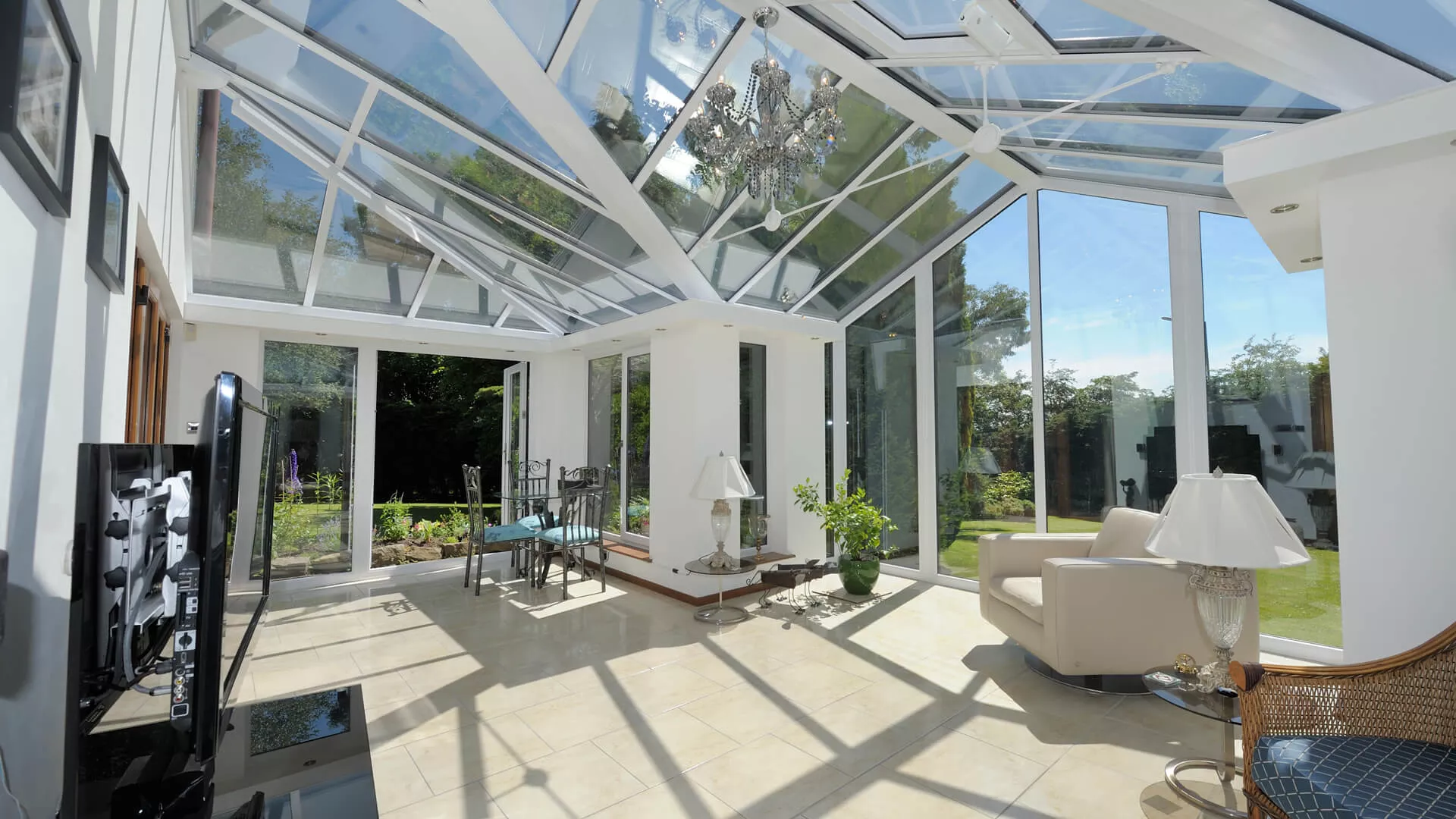
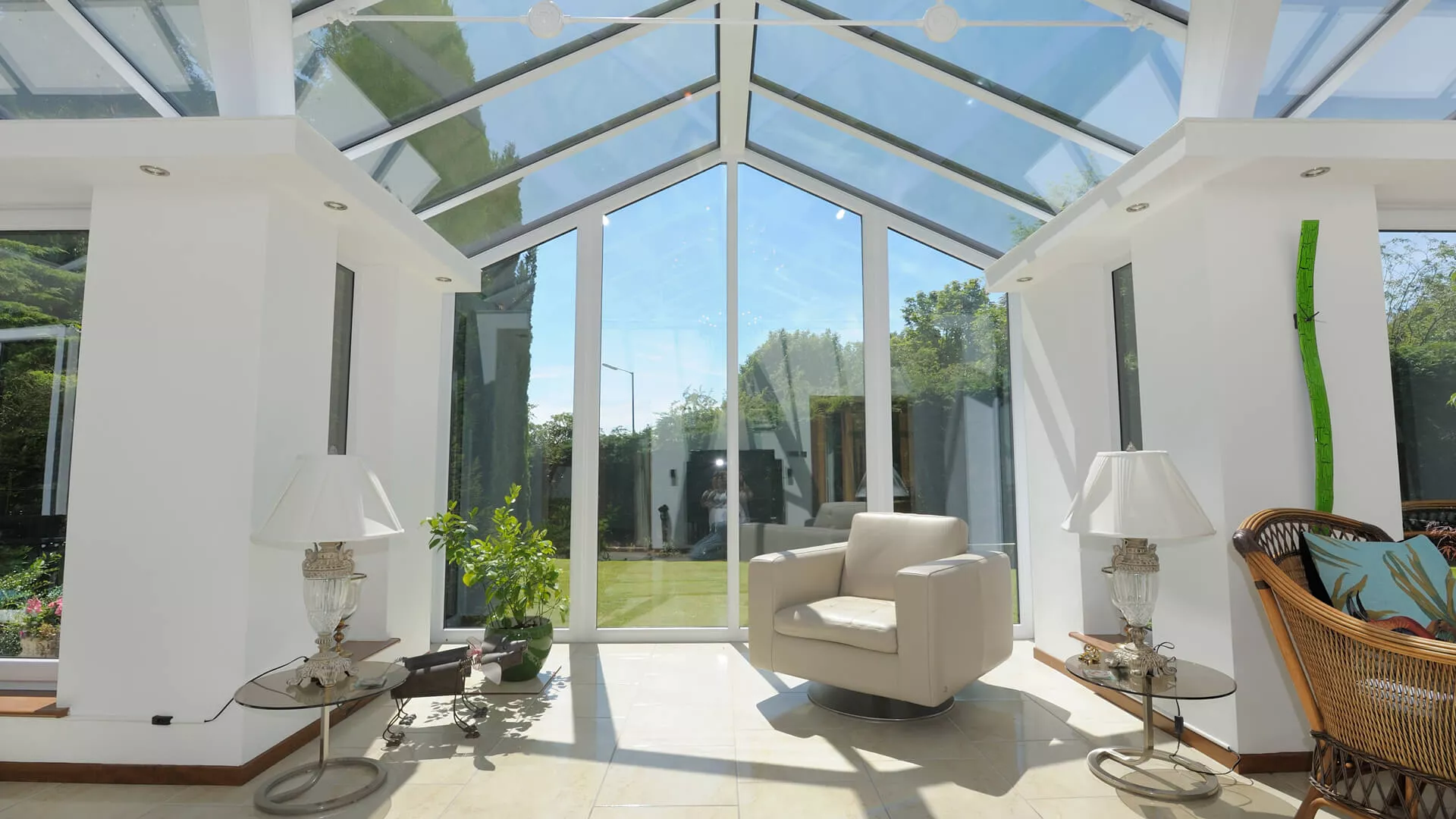
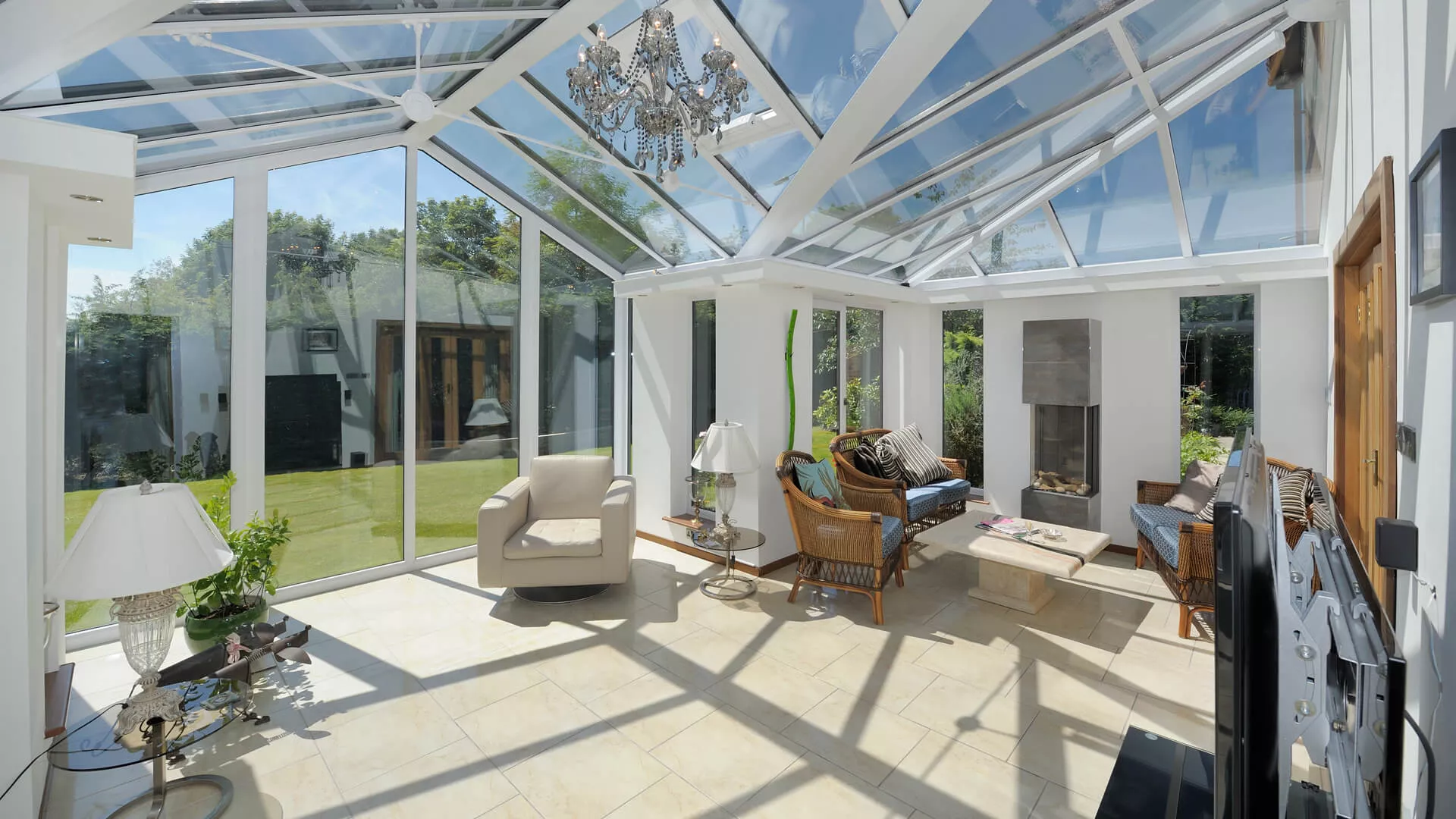
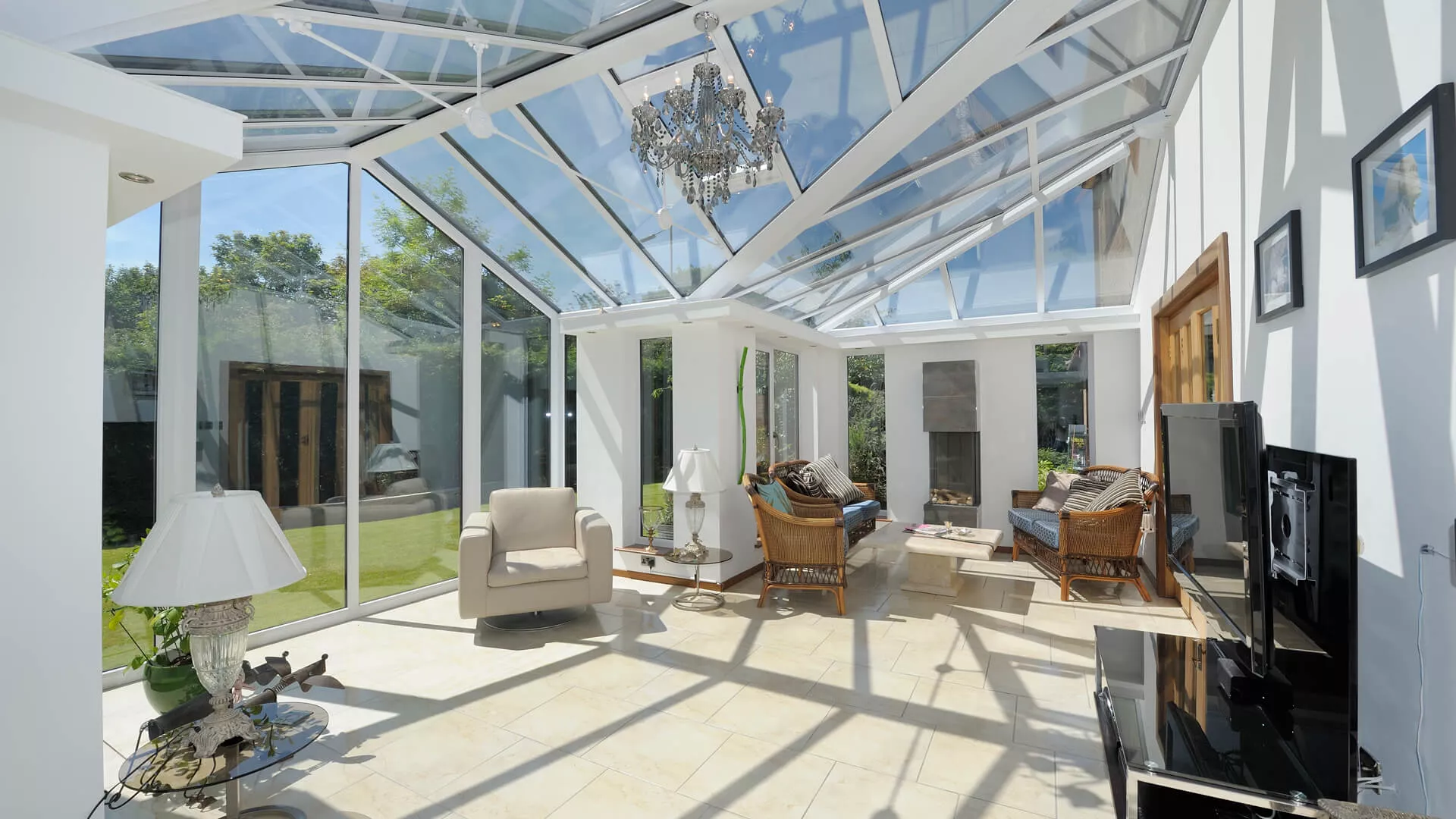
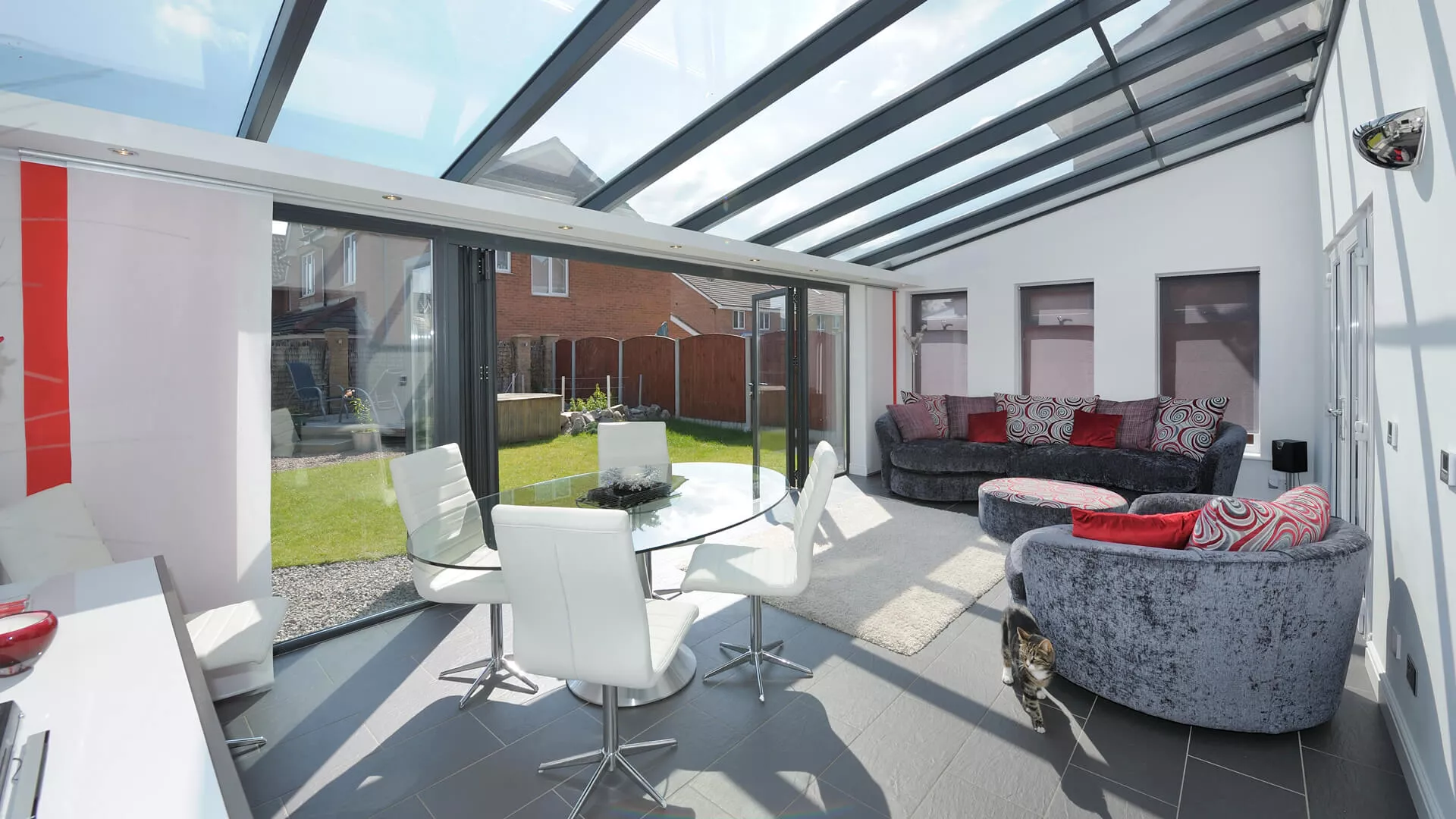
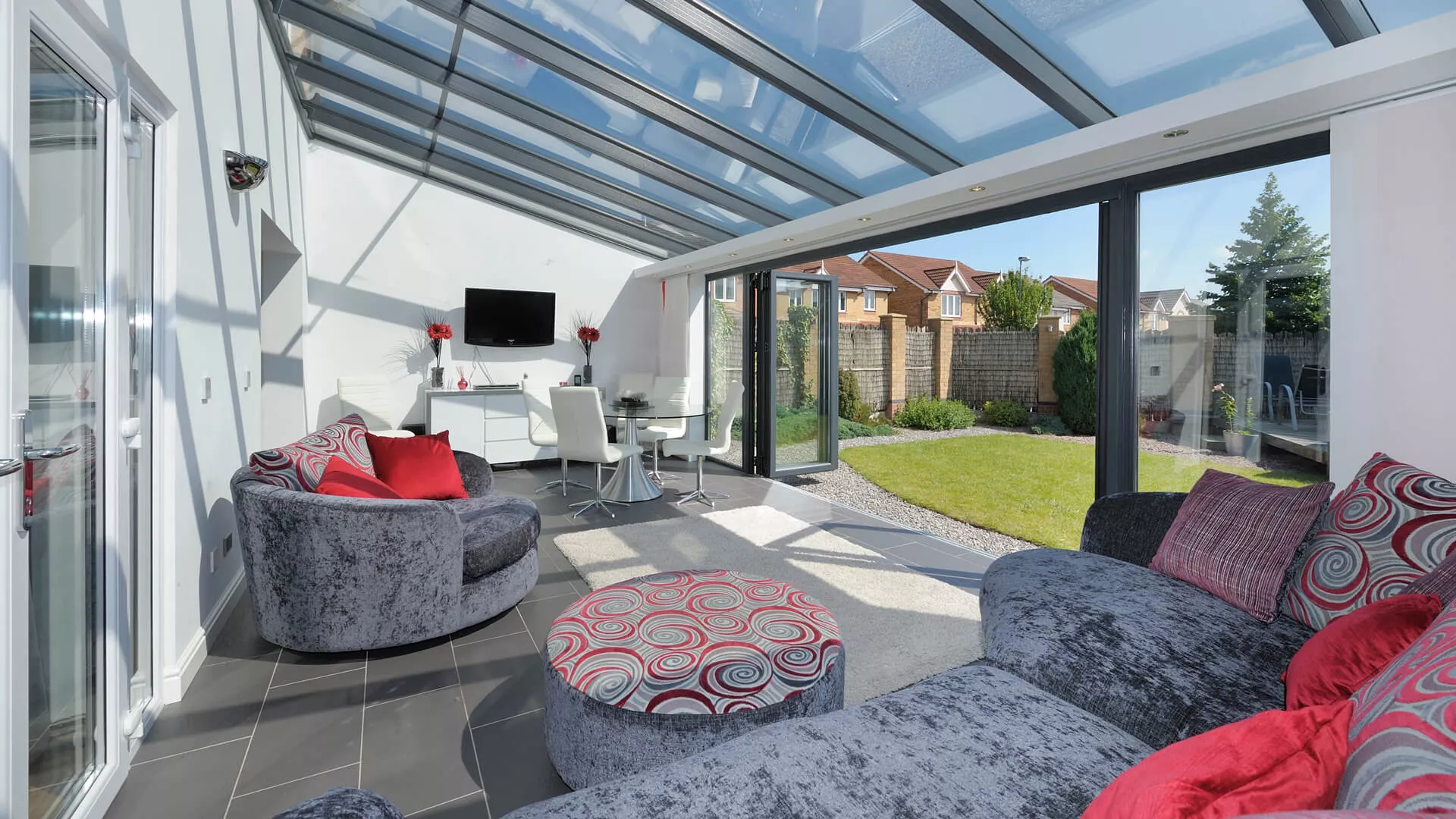
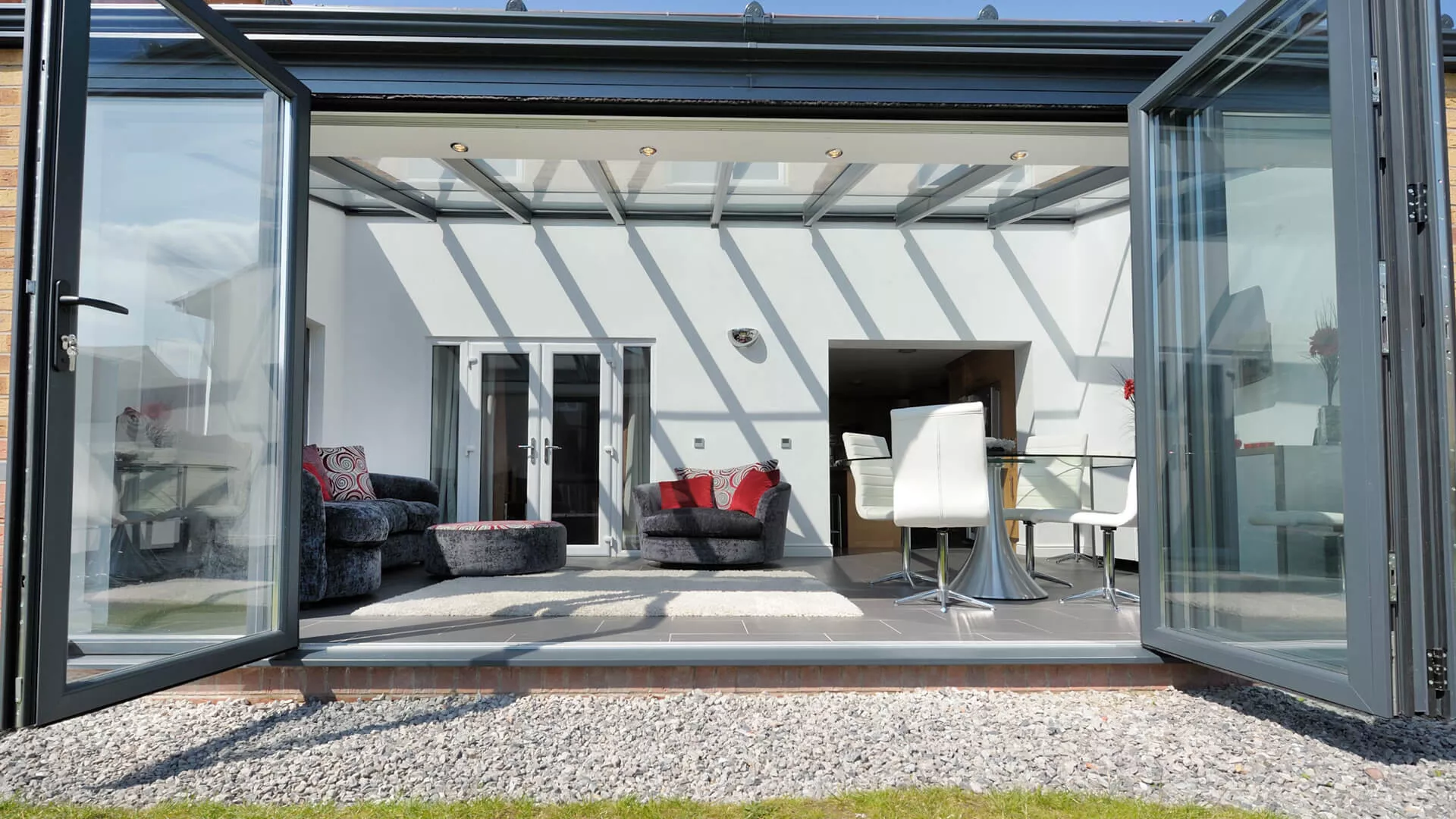
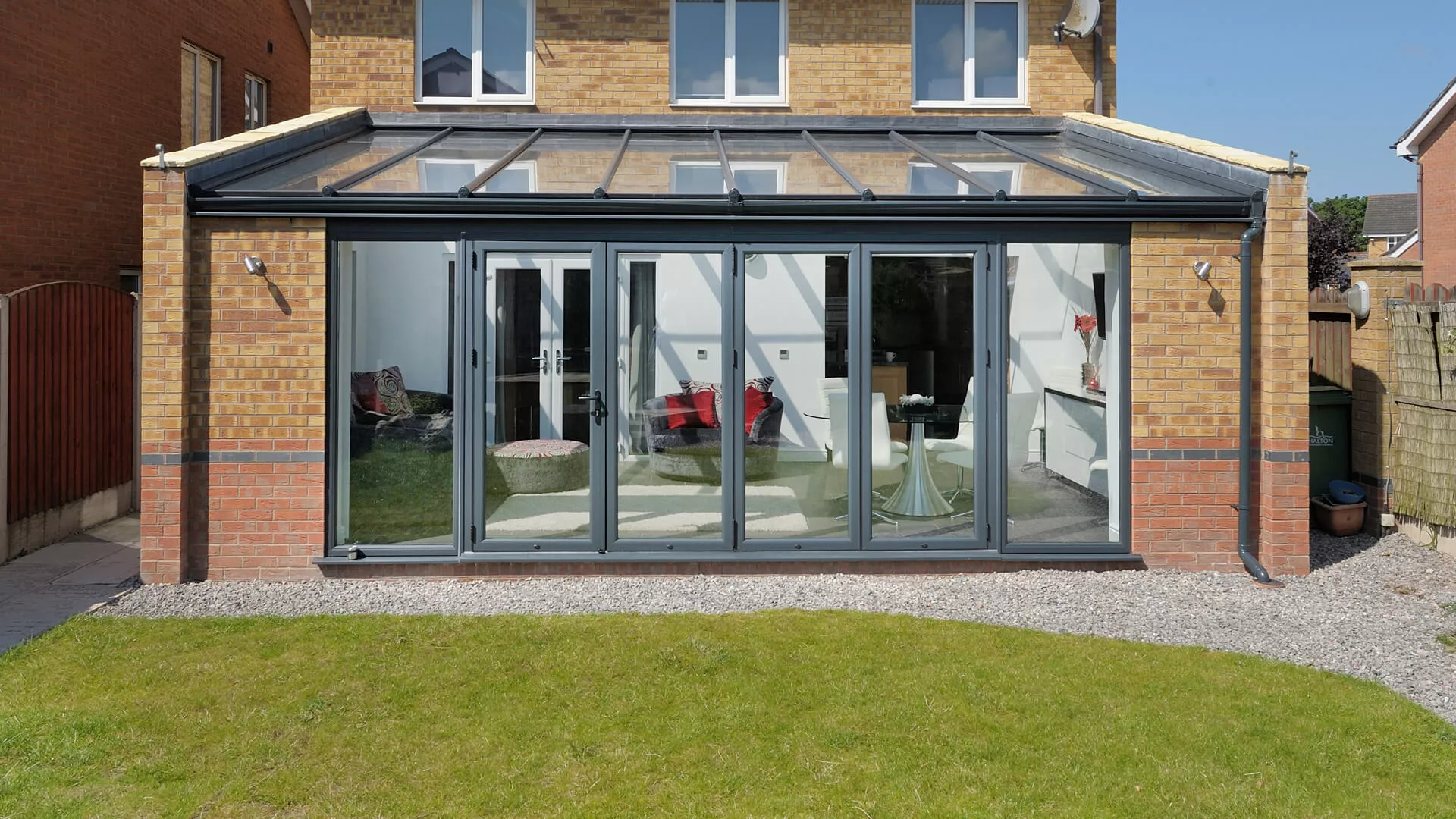
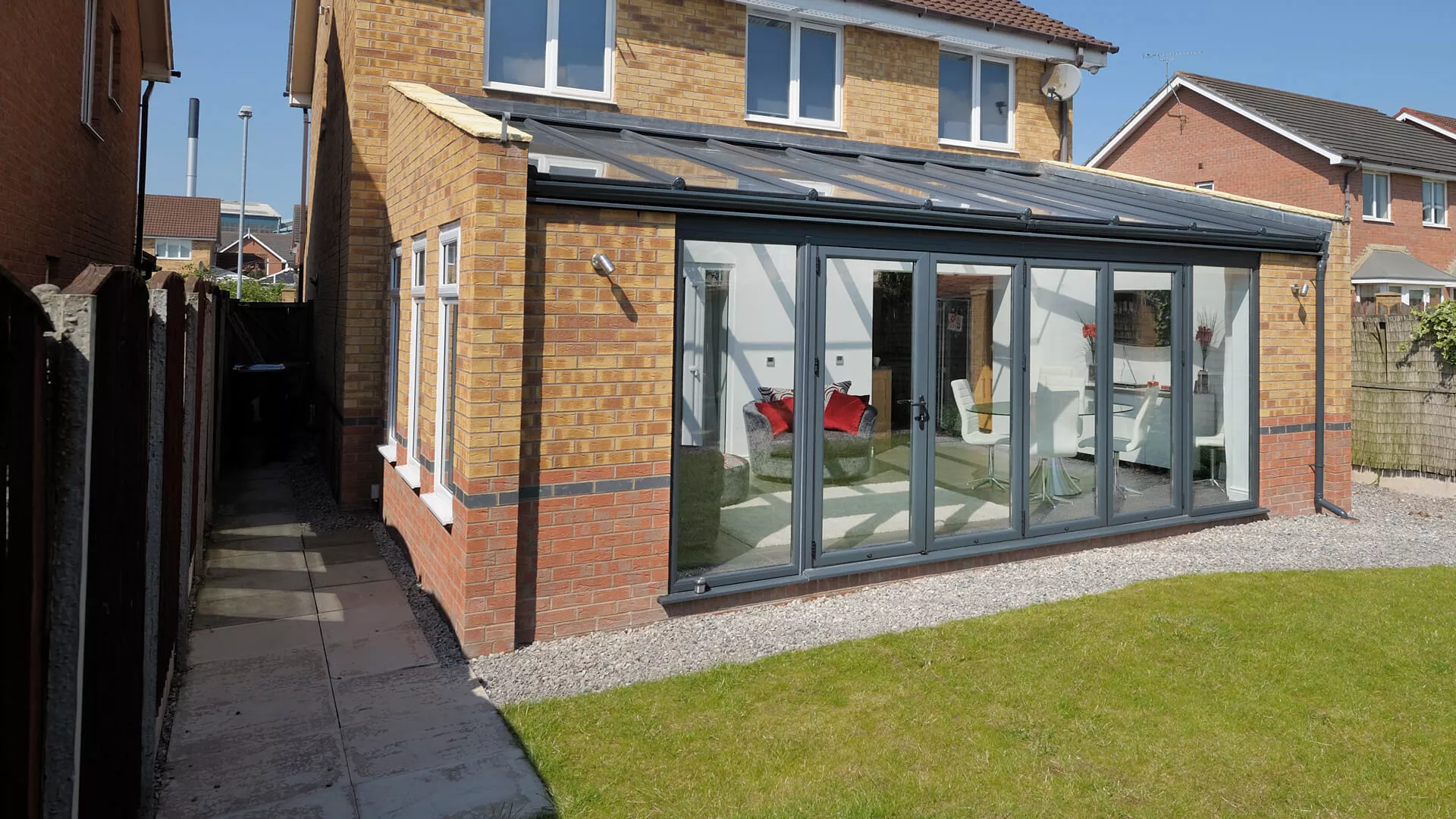
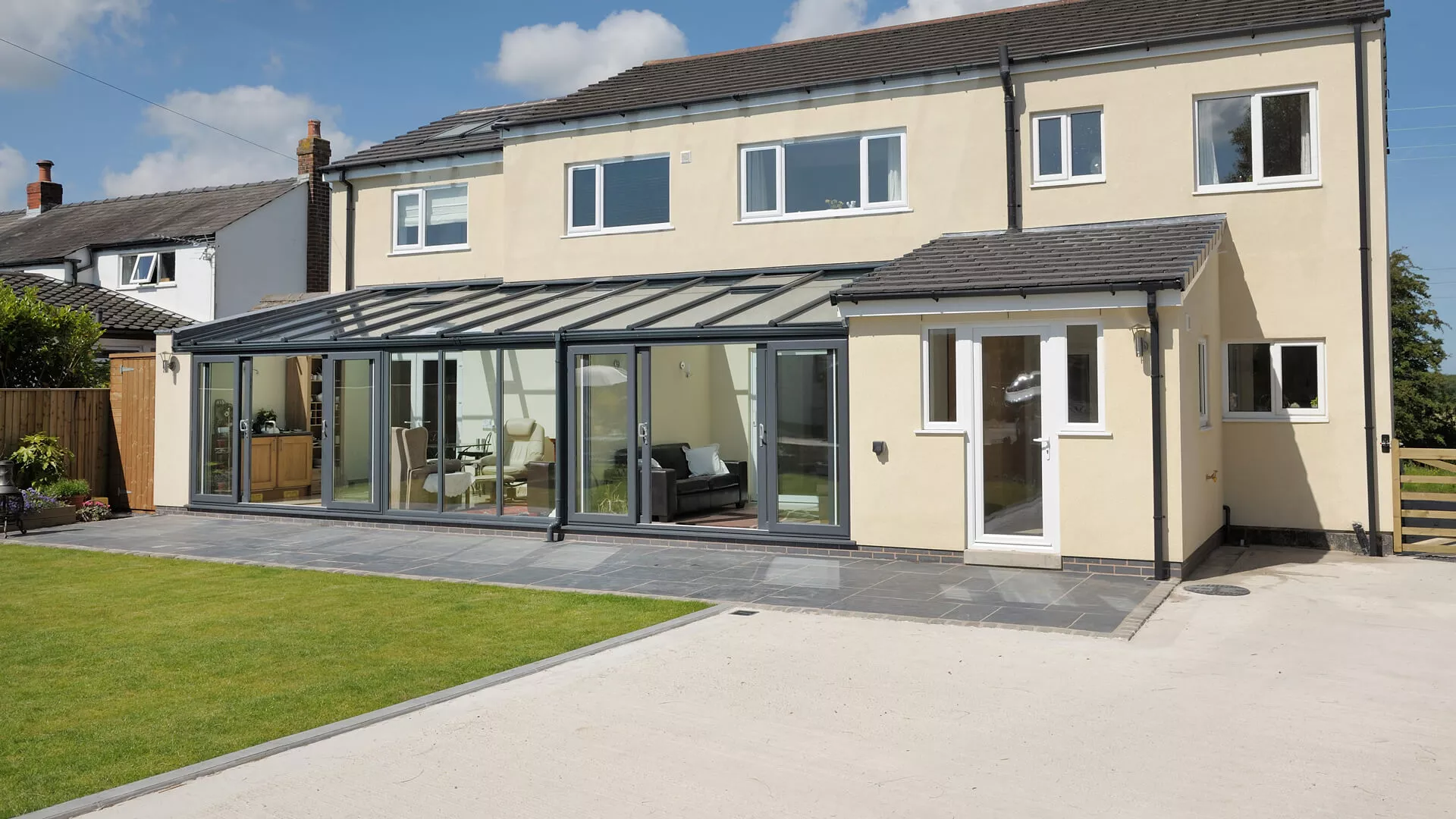
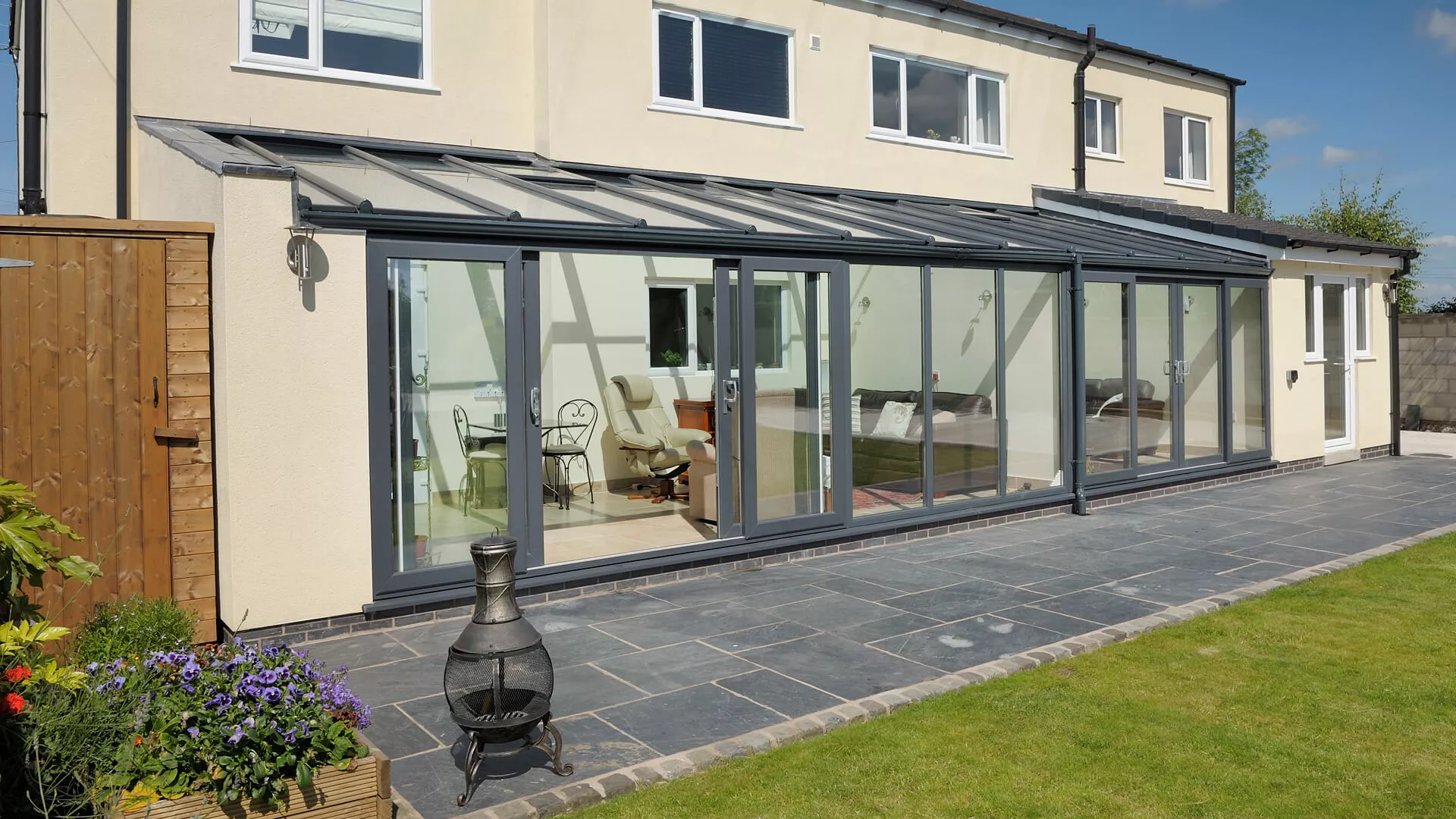
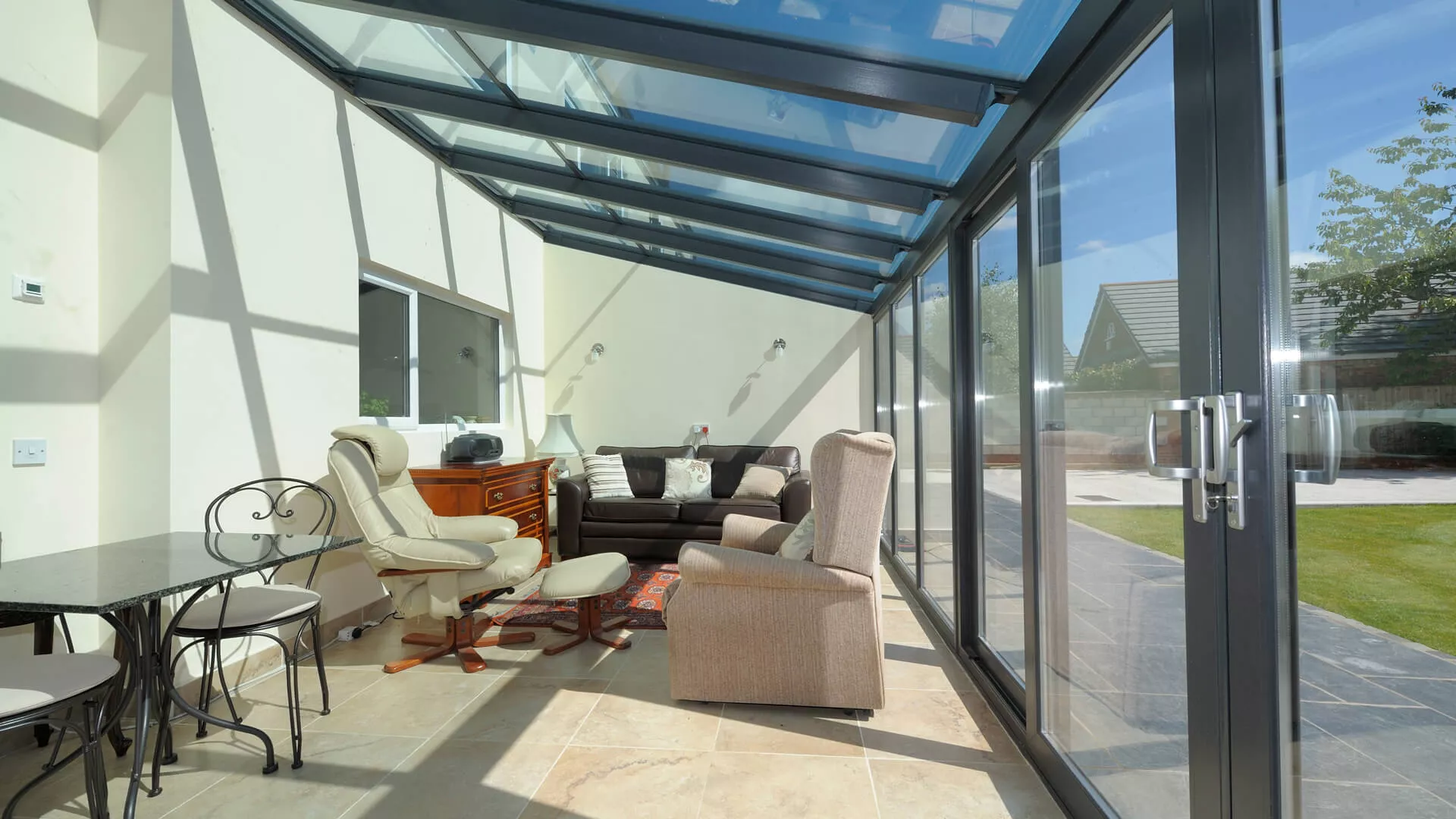
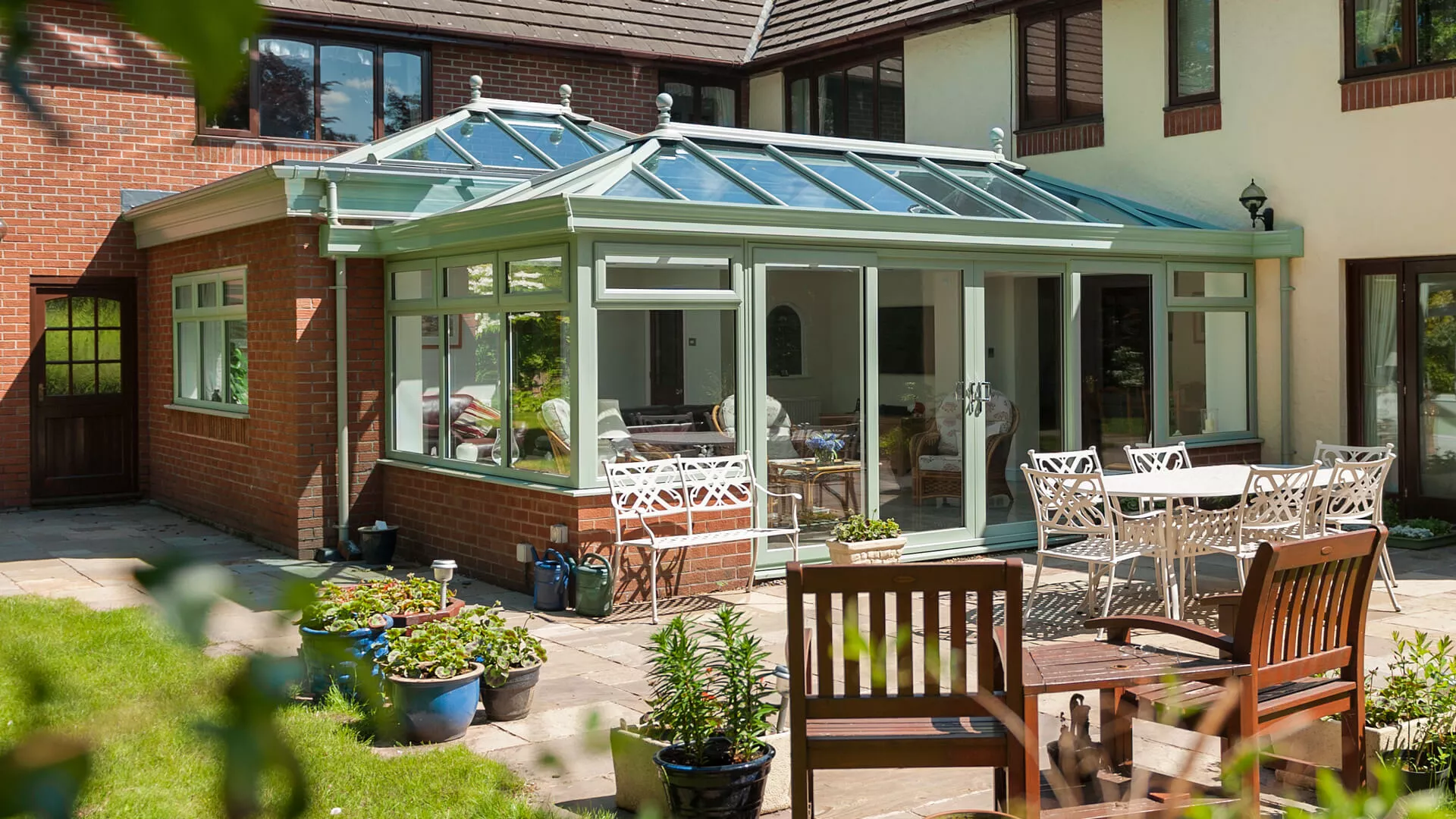
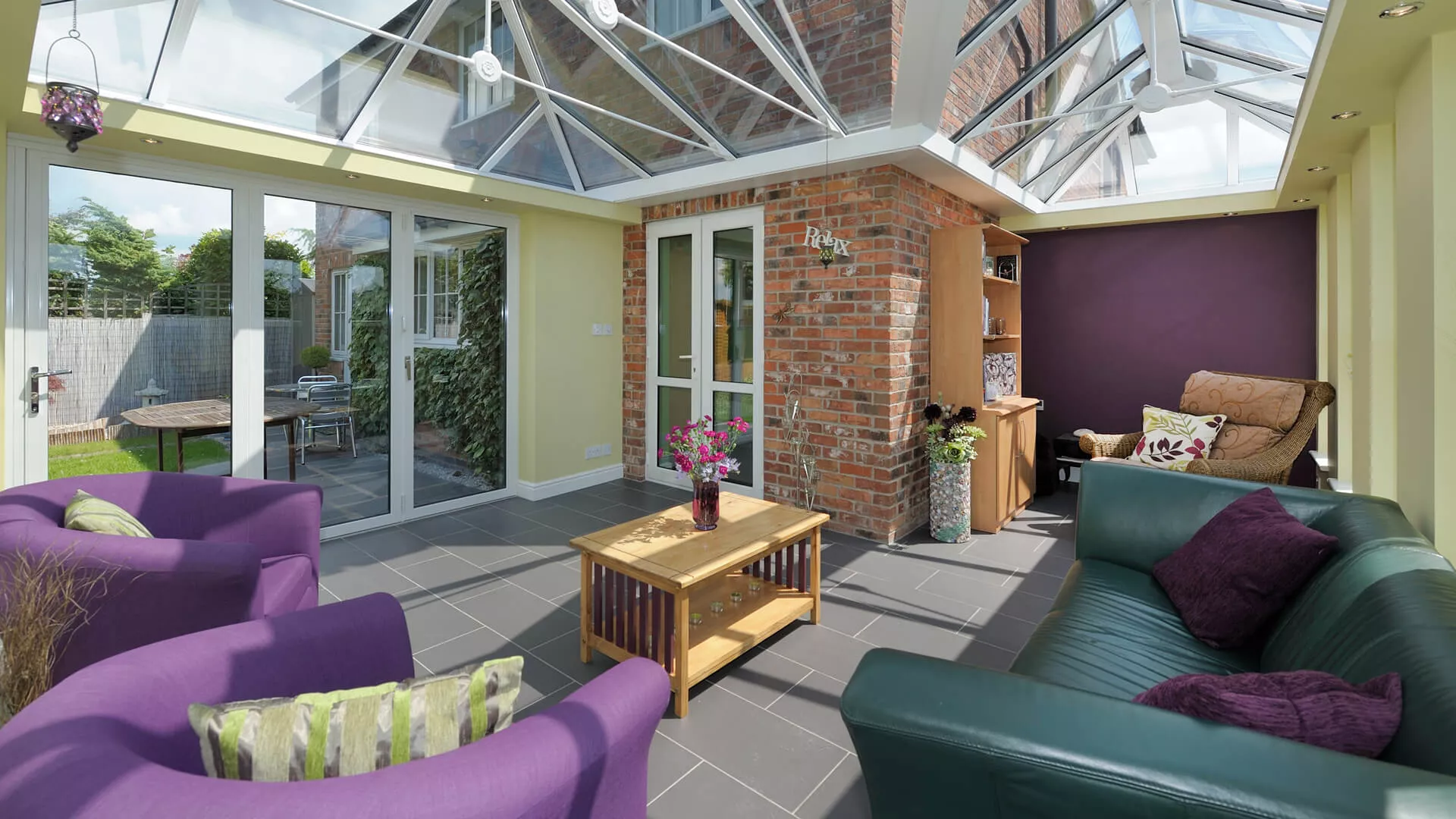
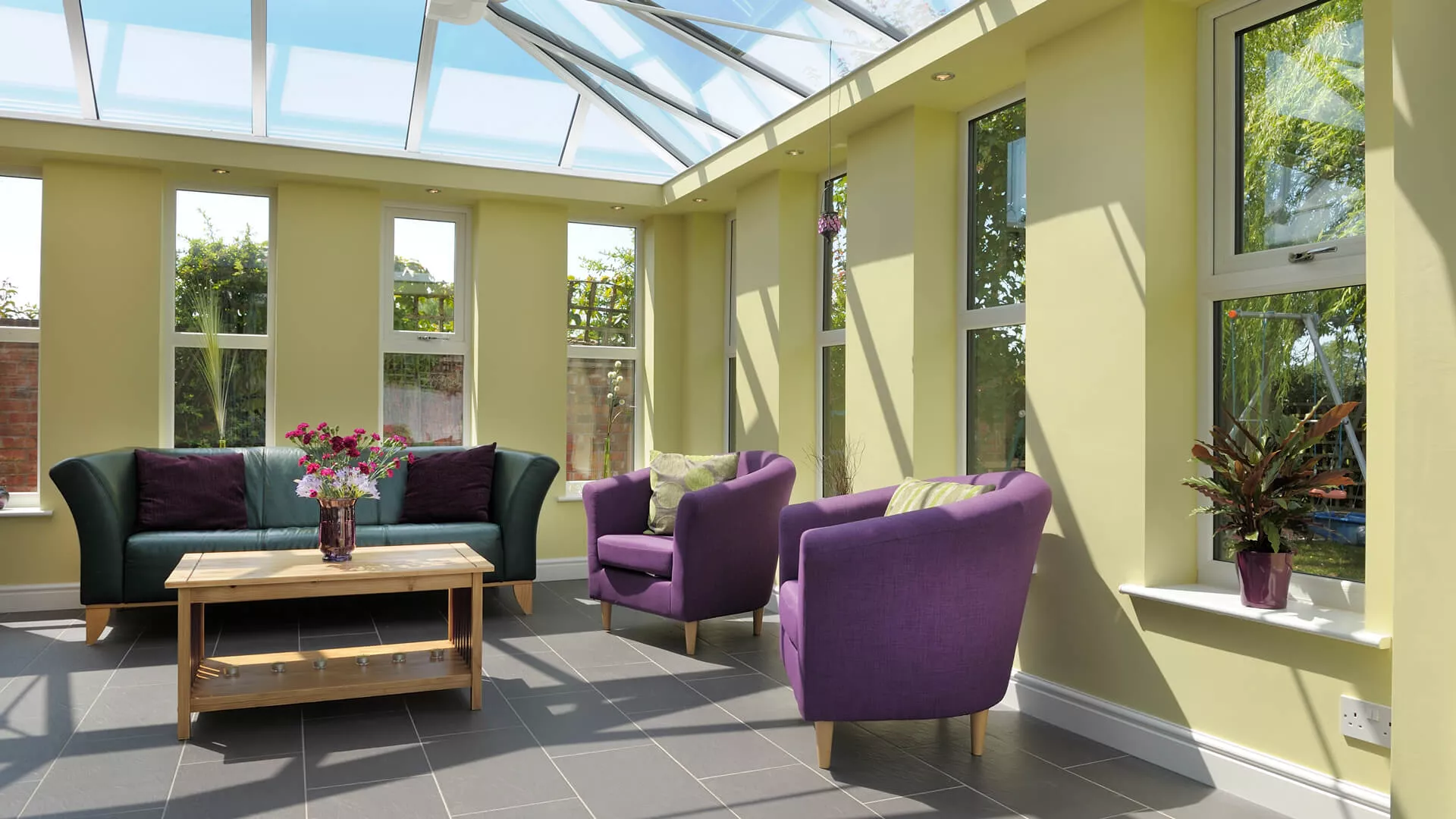
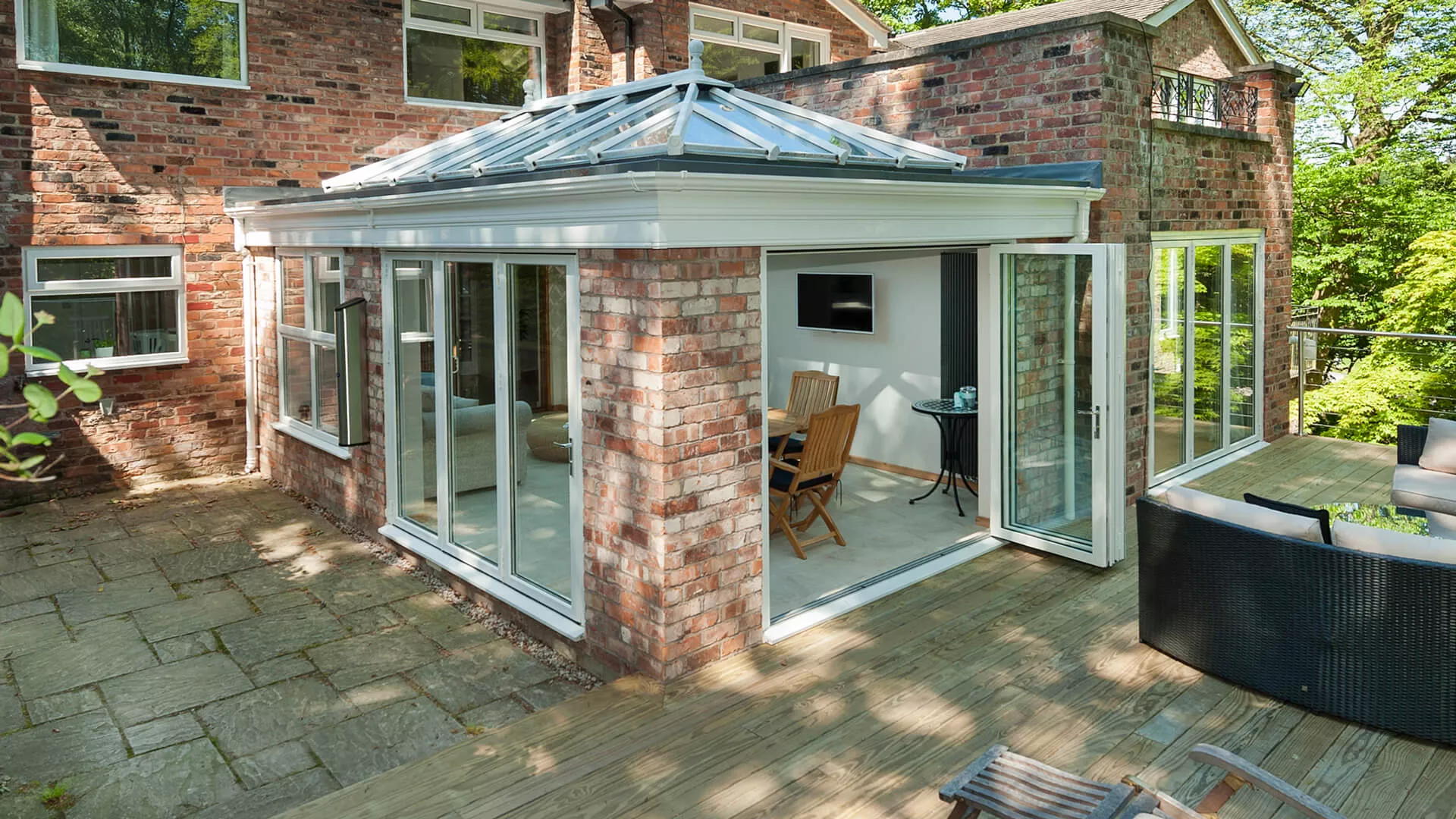
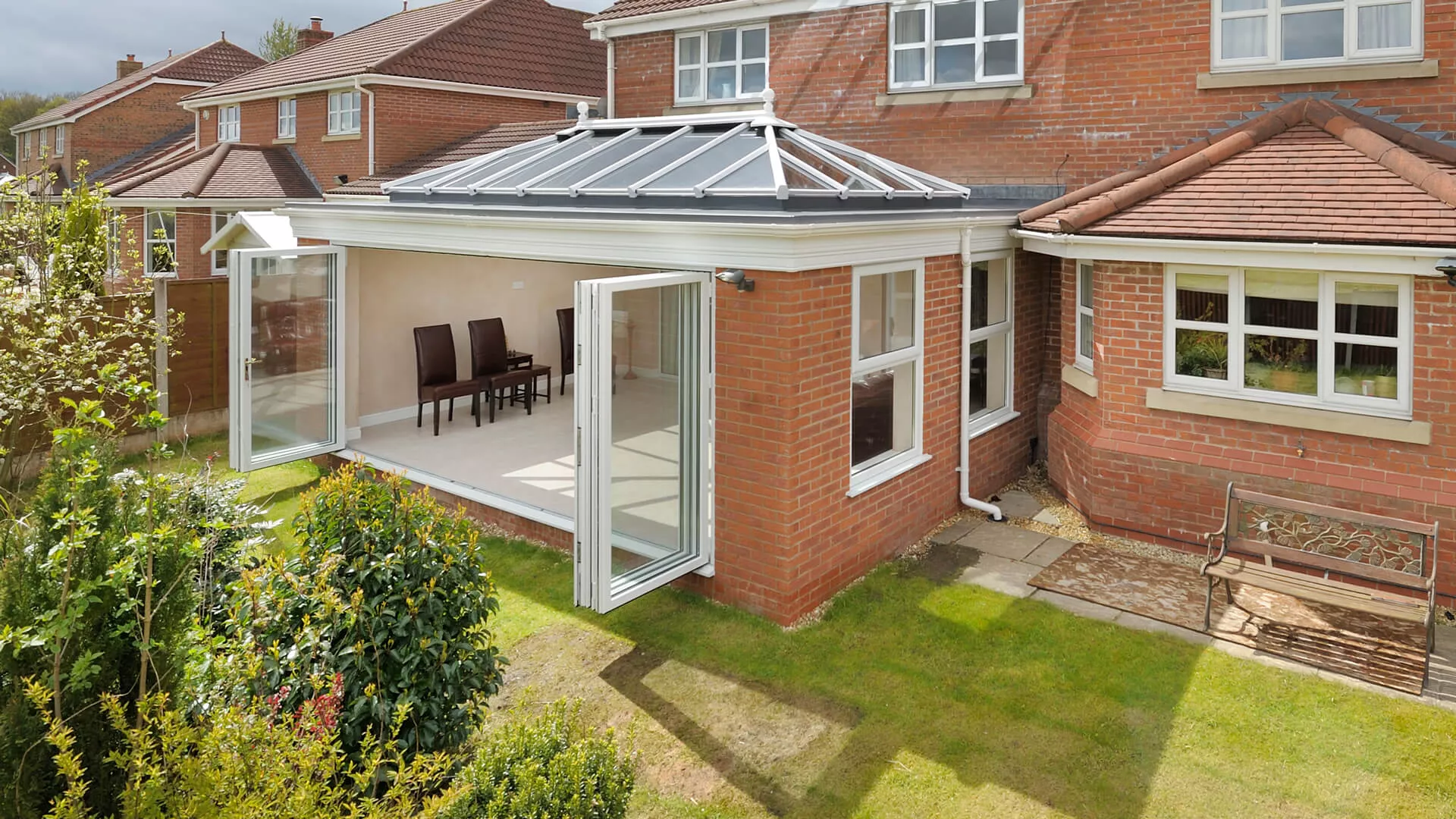
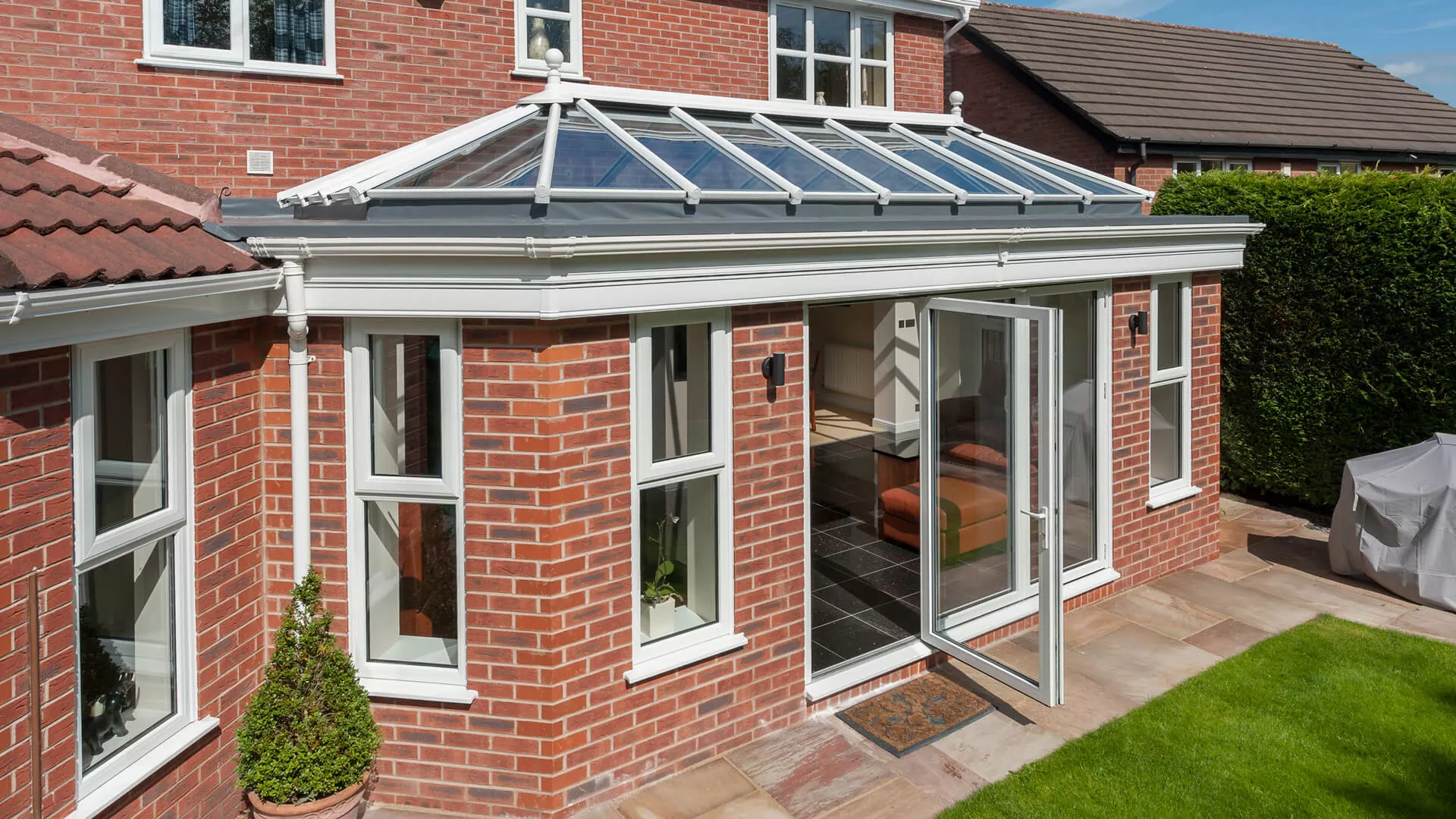
- Modern glass roofs. Advanced glazing is a staple of the modern glass roof replacement, and it realises incredible thermal standards, keeping conservatories cooler in summer and warmer in winter. Contemporary systems often possess self-cleaning coatings, while a low-emissivity glazed roof sometimes includes self-cleaning glass to minimise roof maintenance.
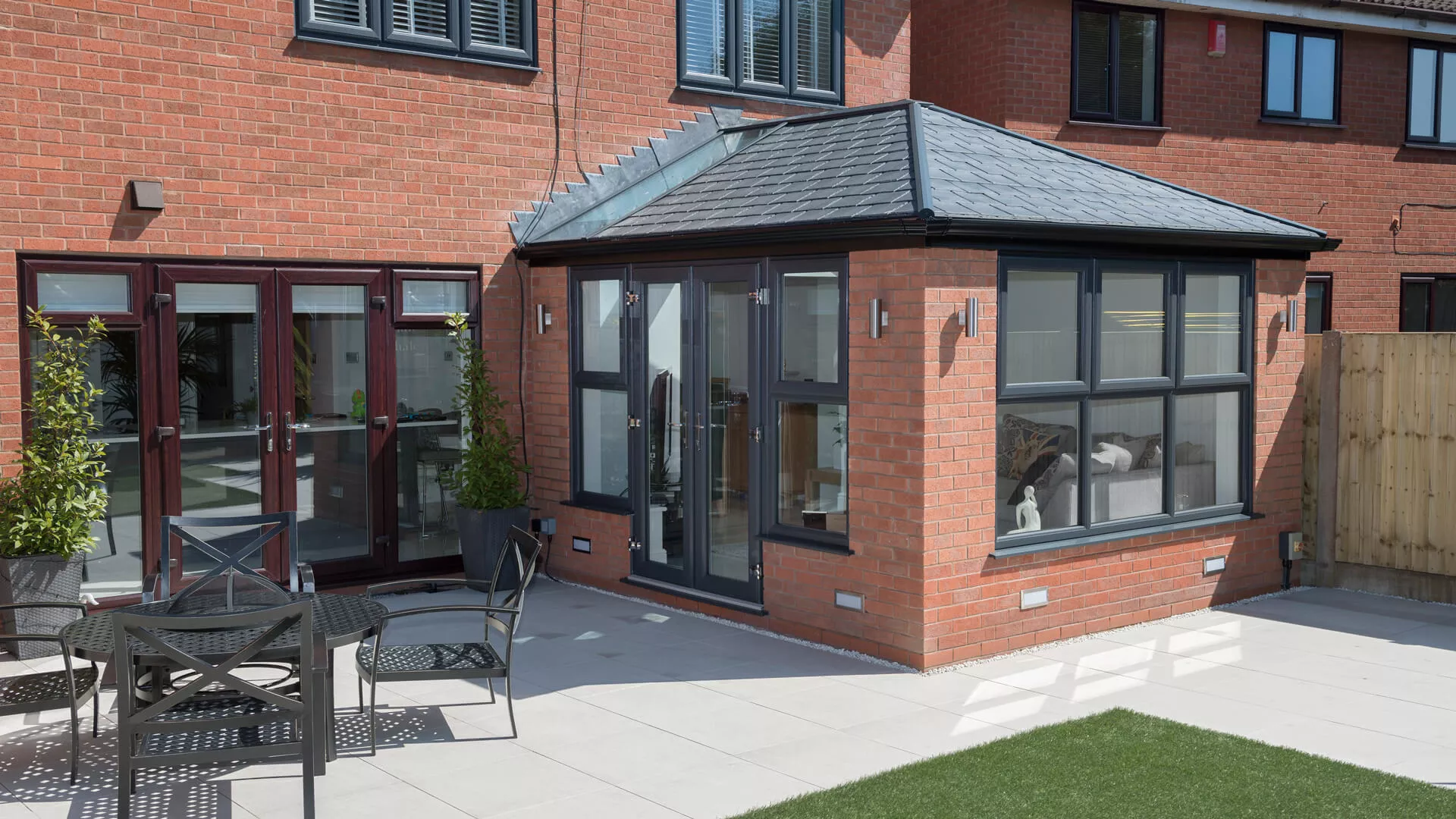
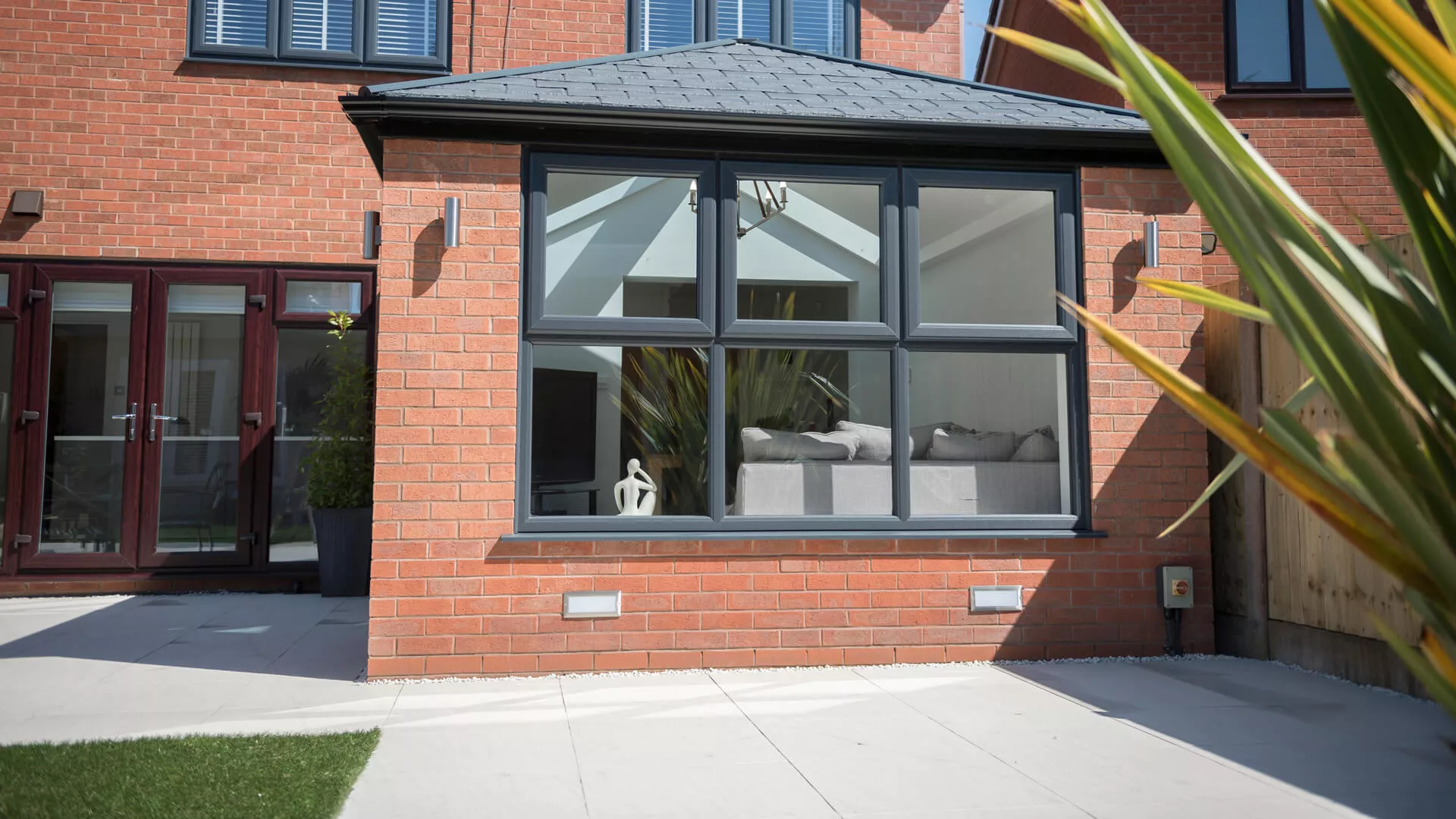
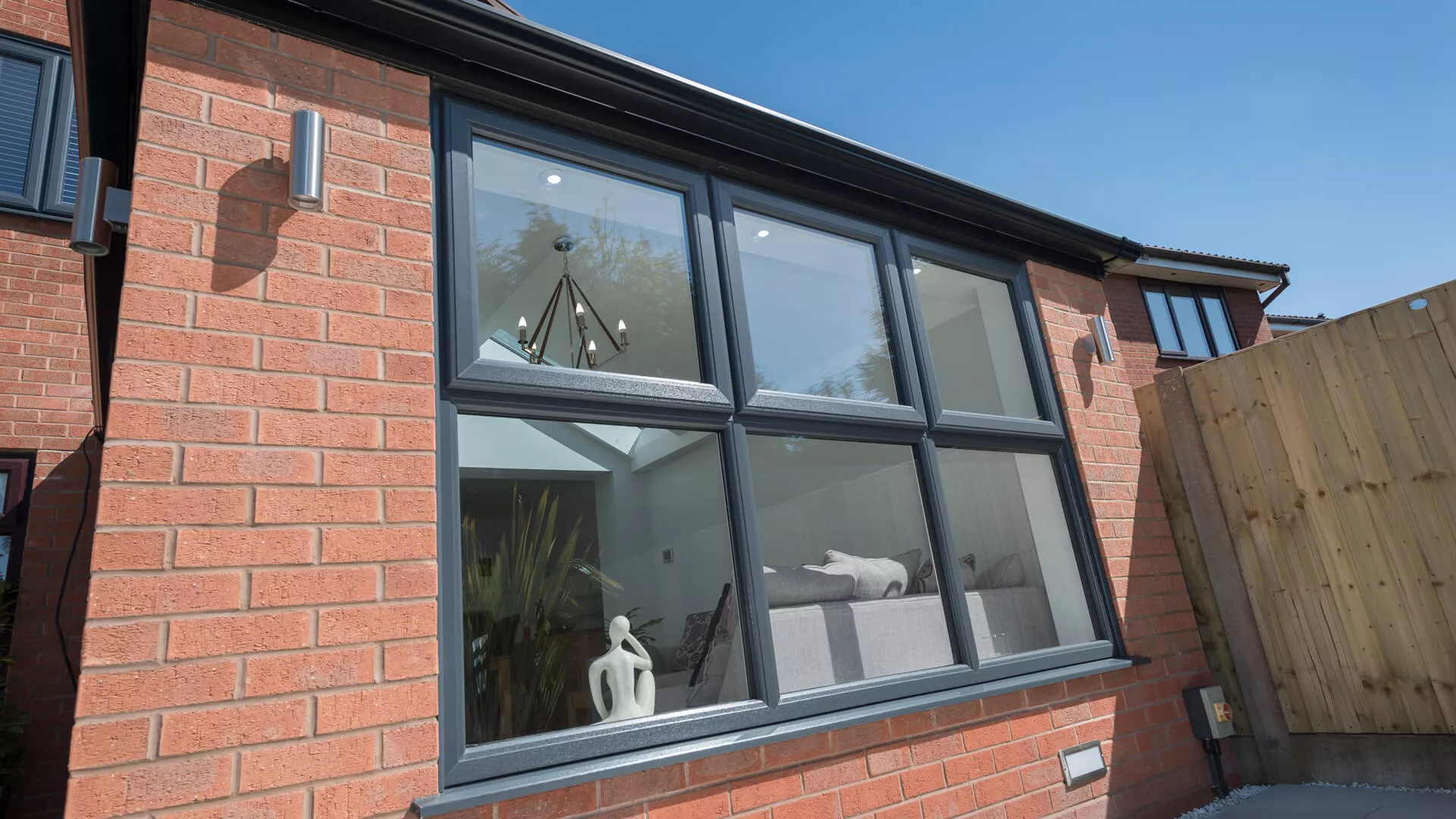
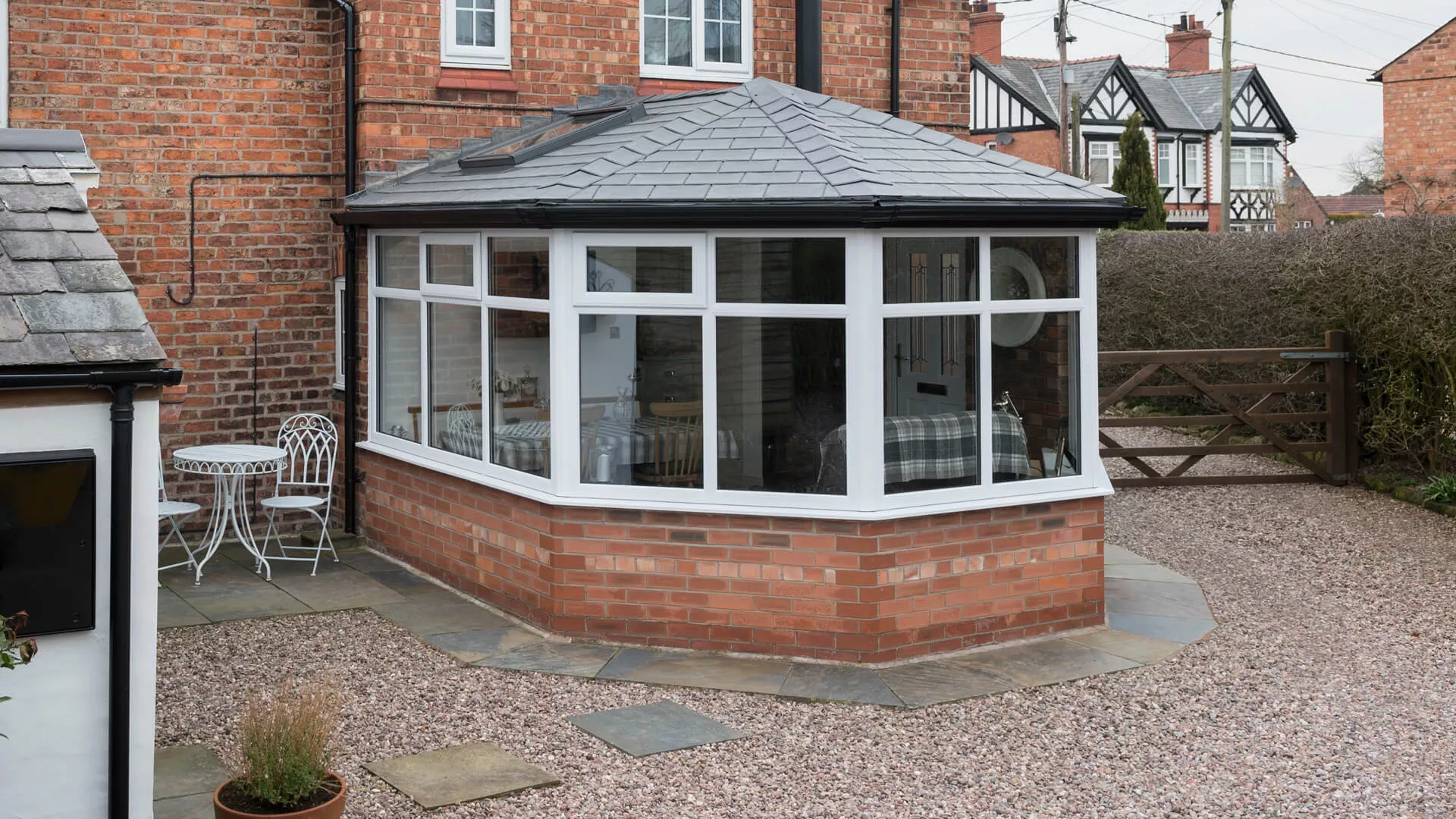
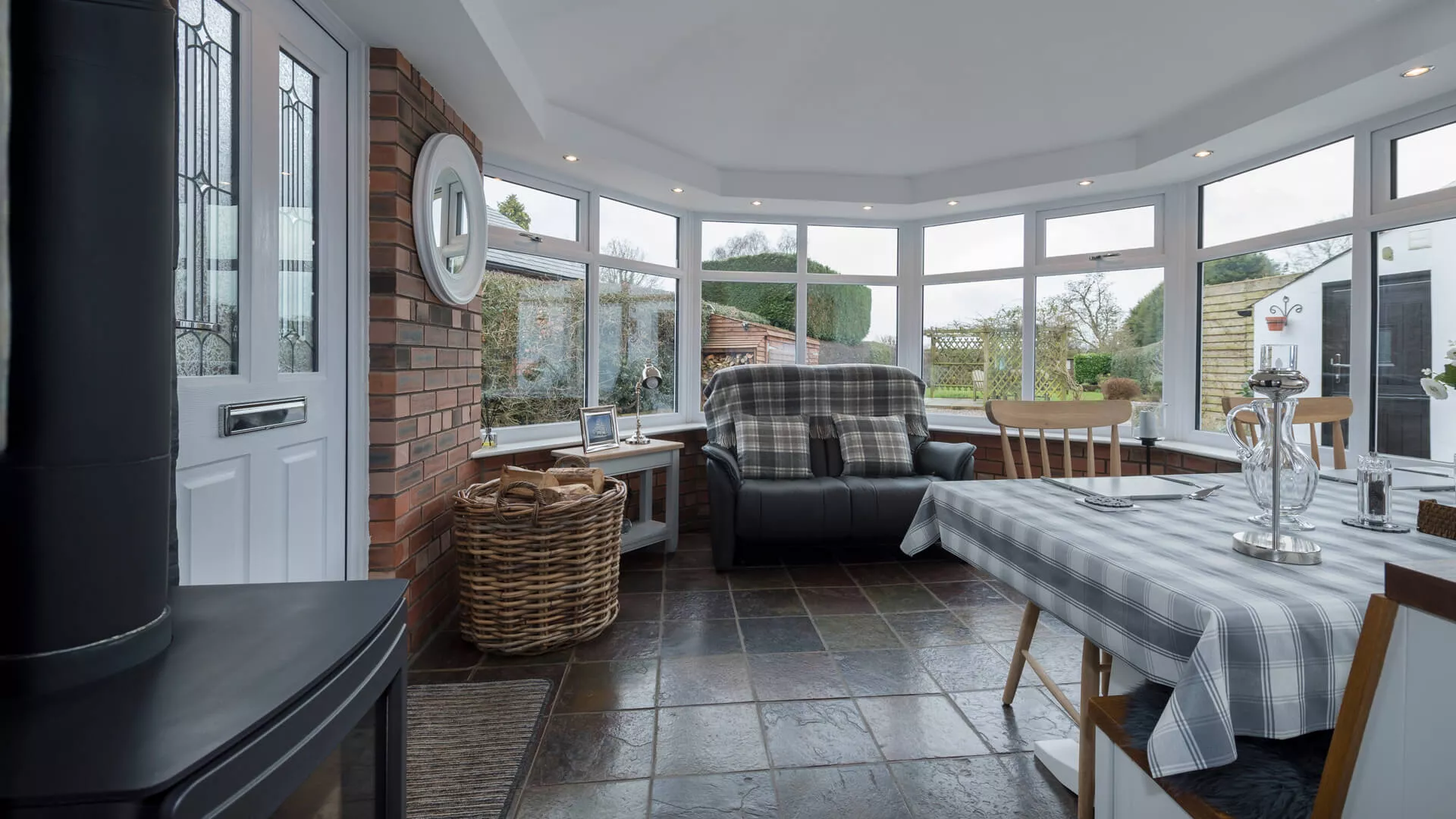
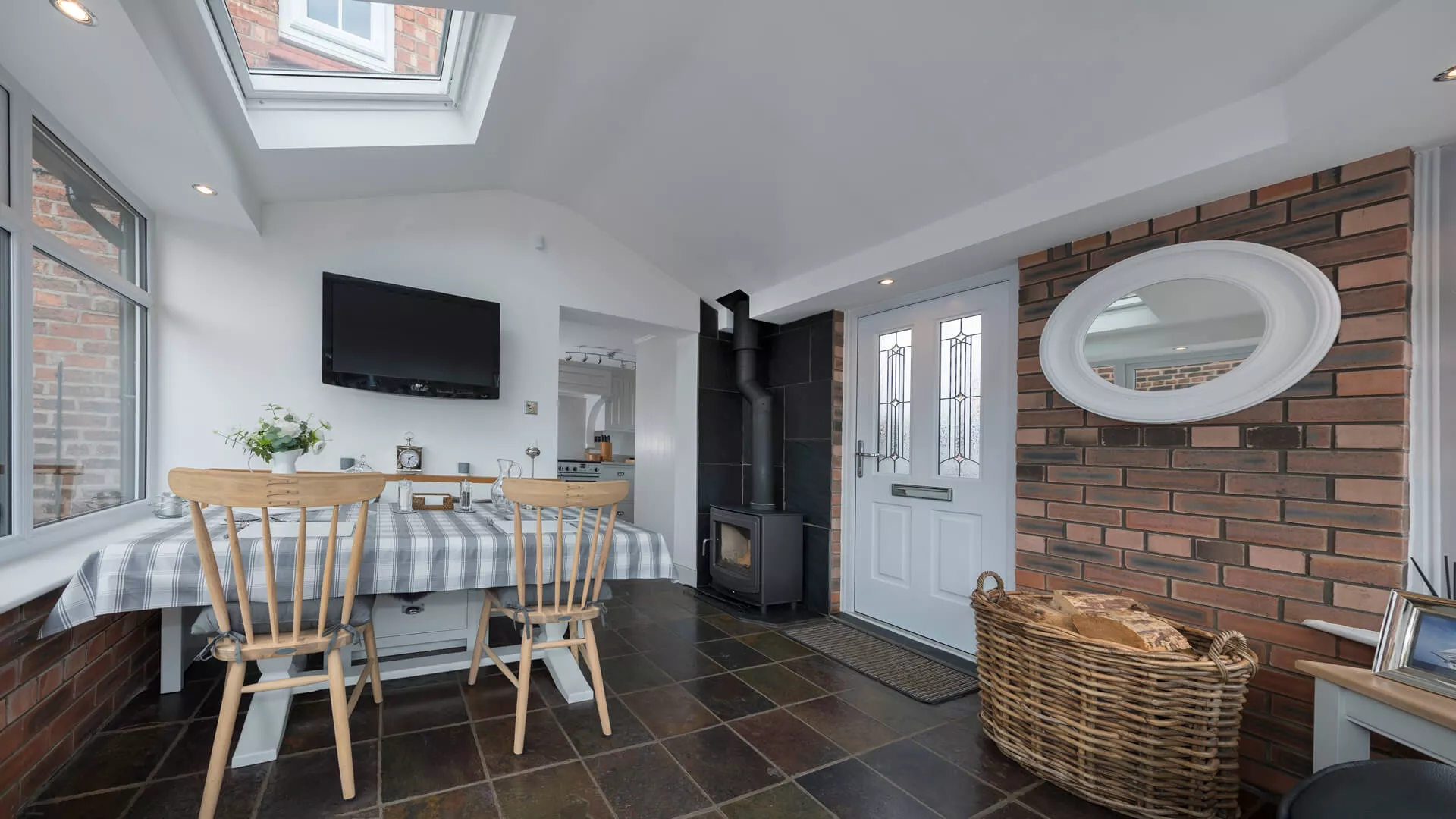
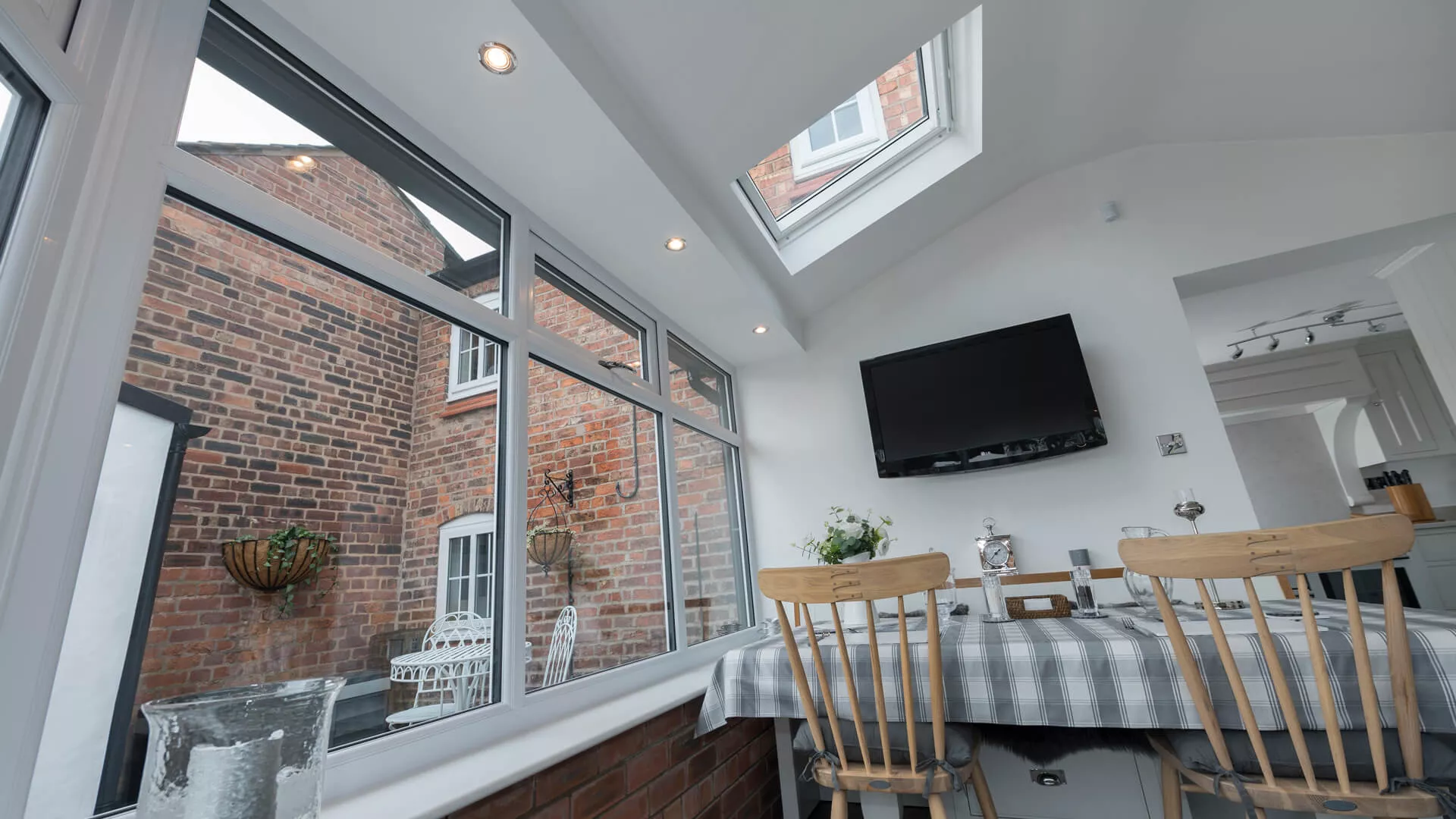
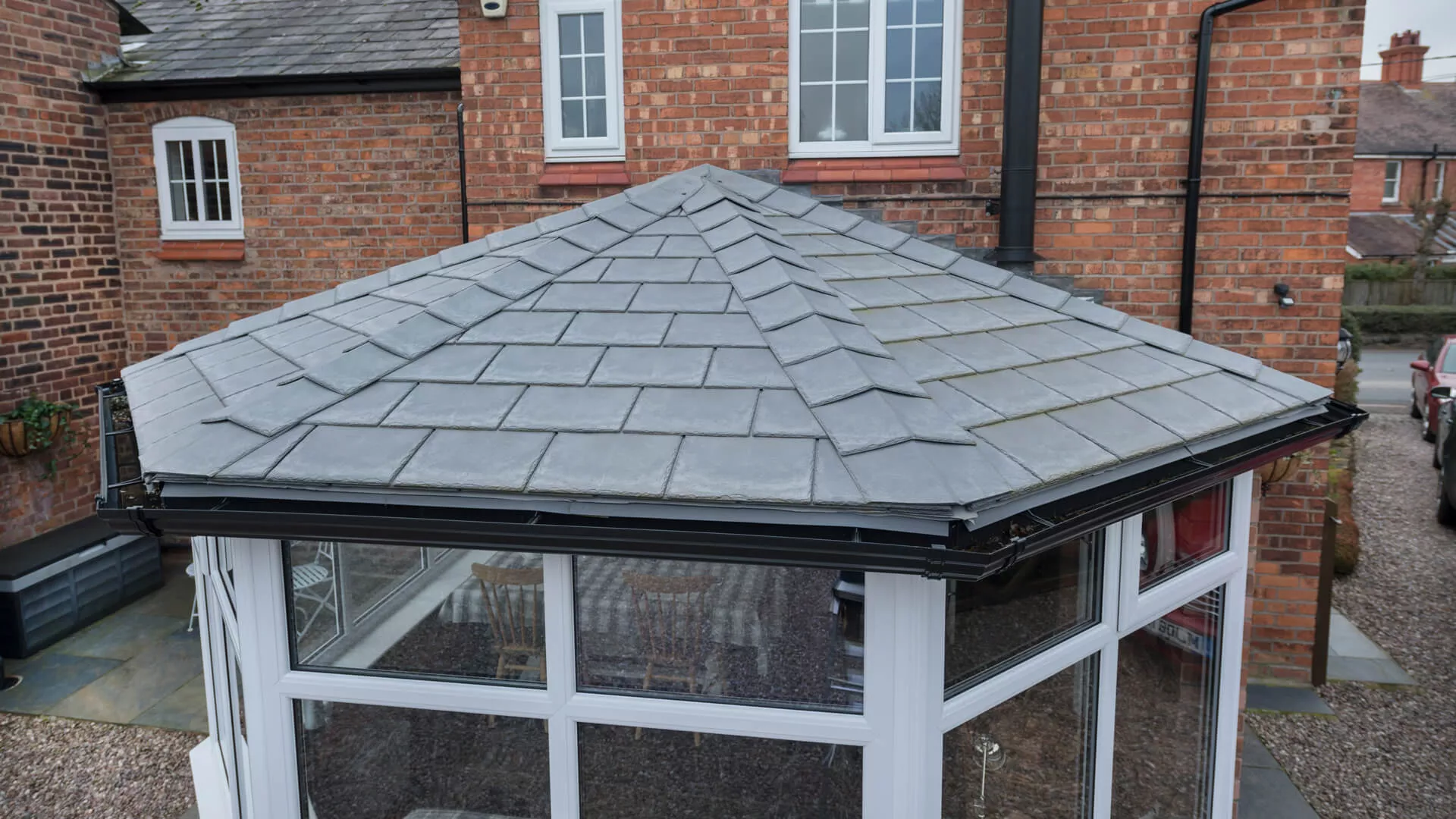
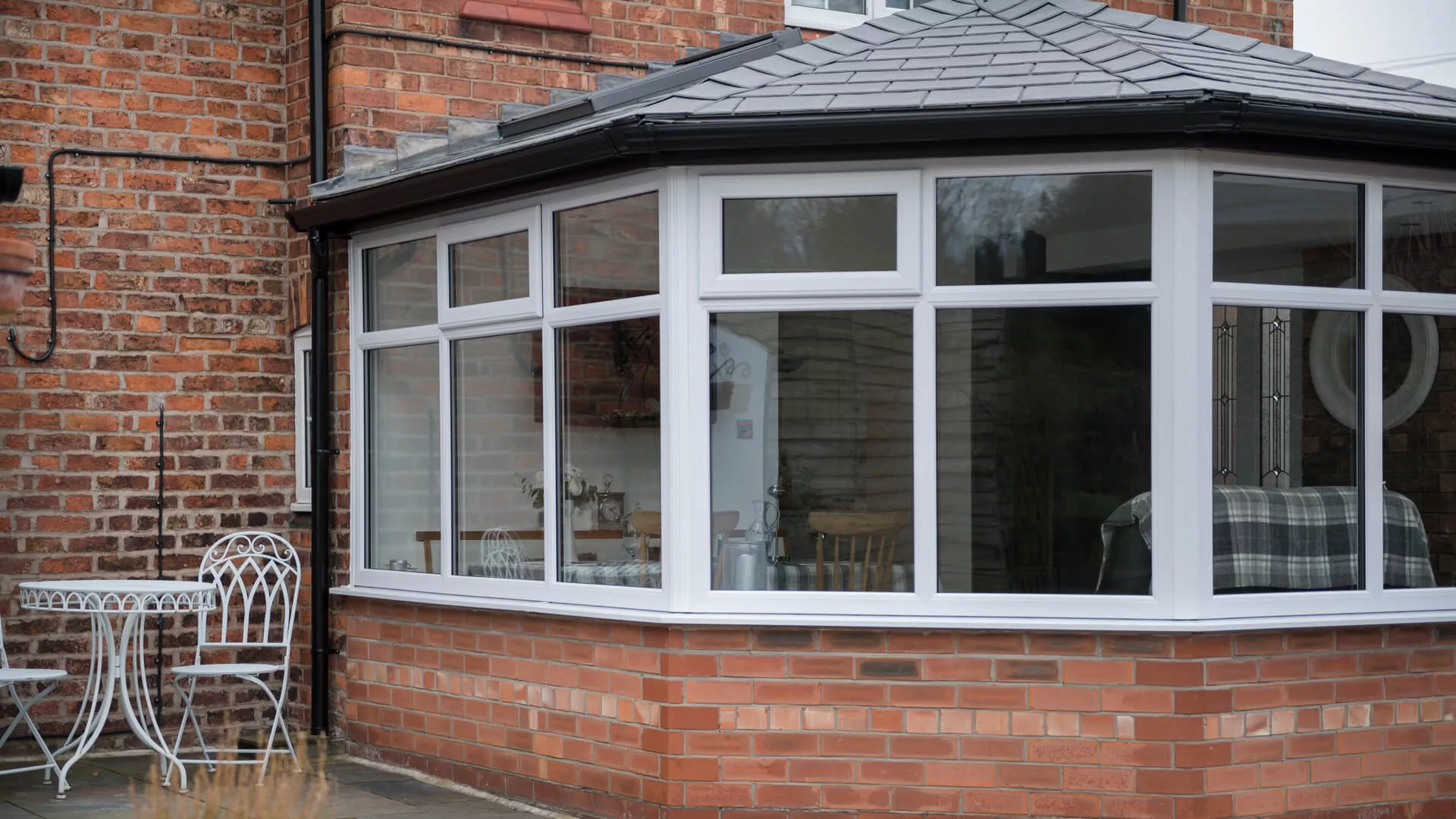
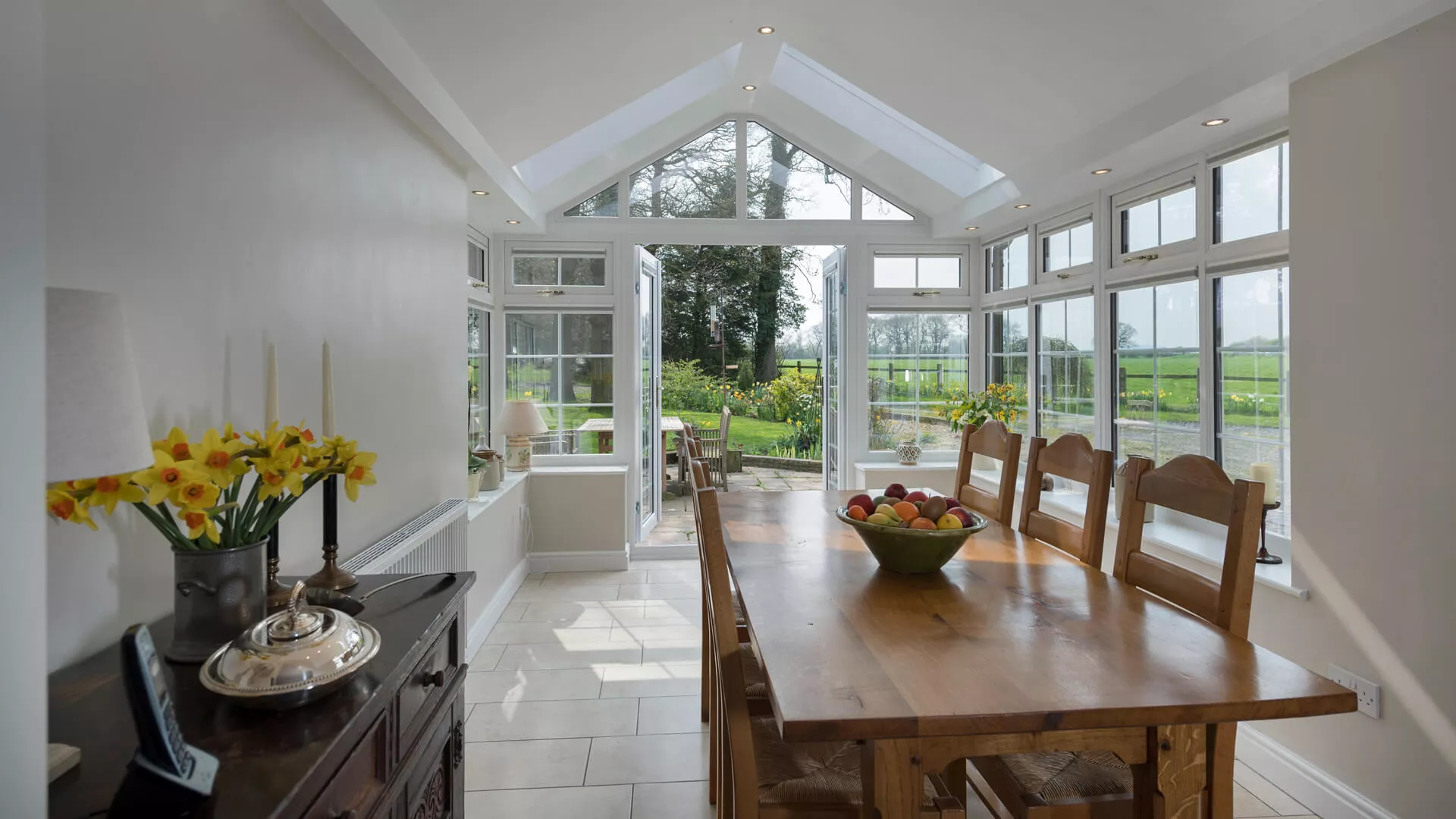
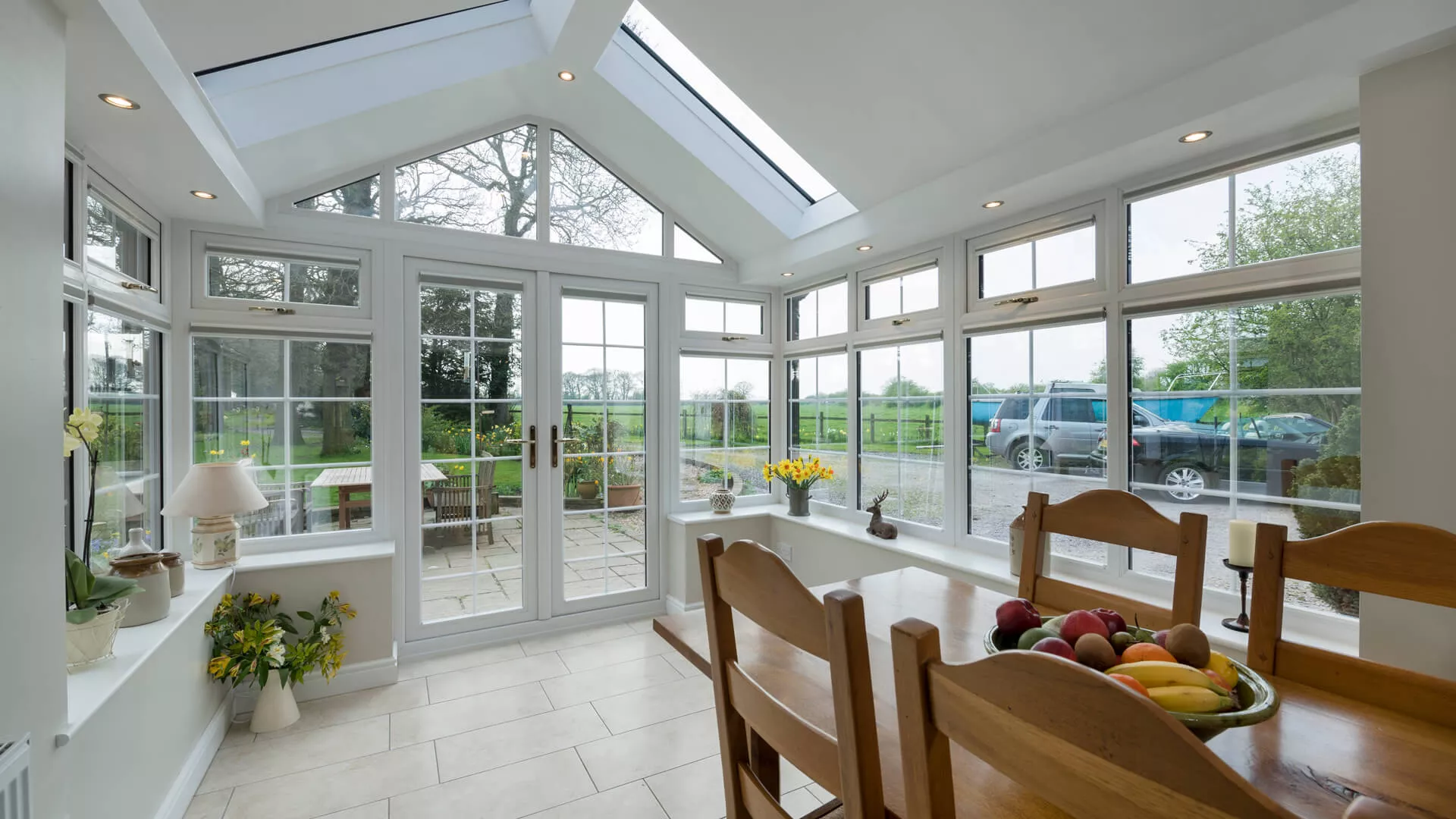
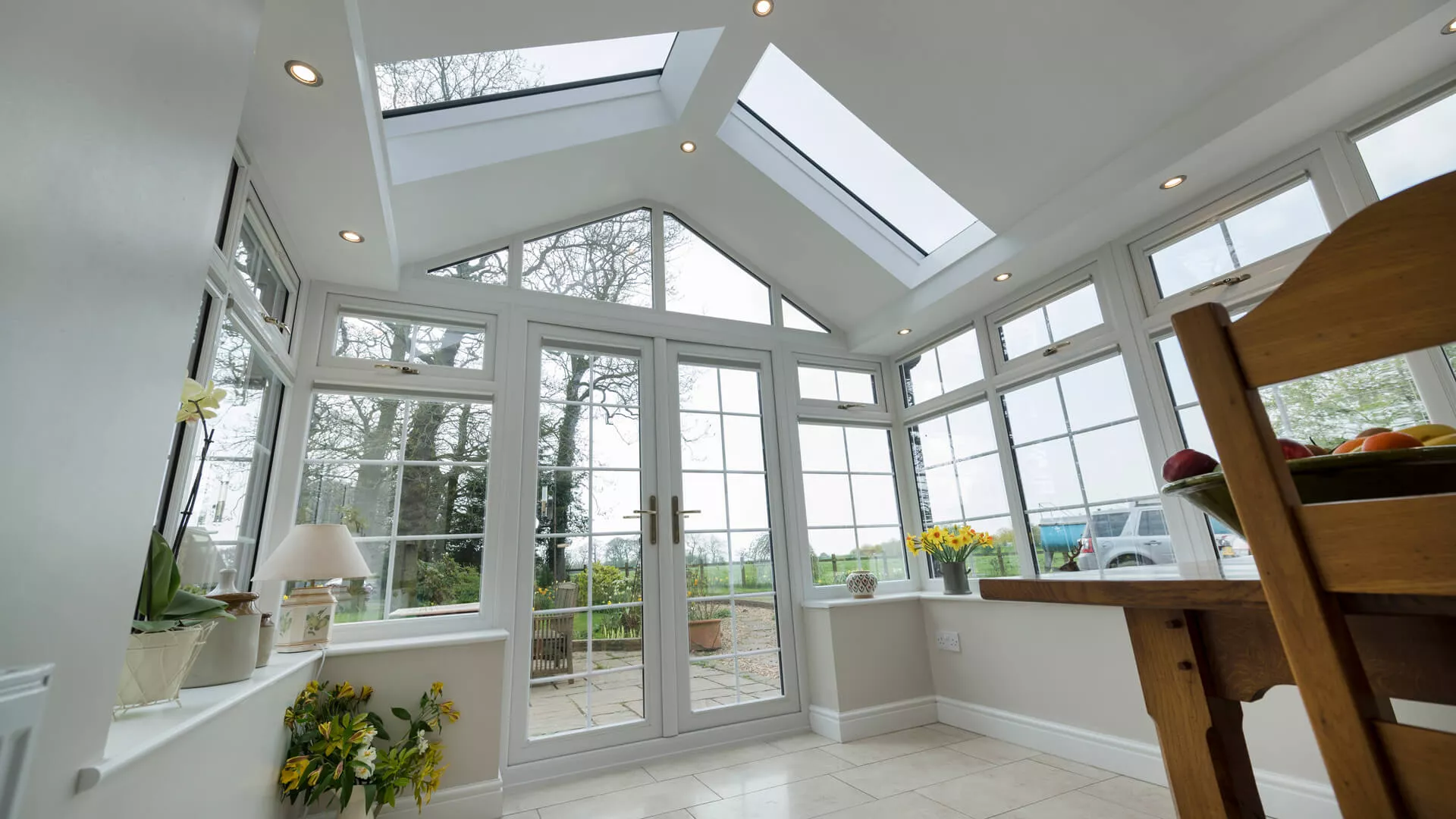
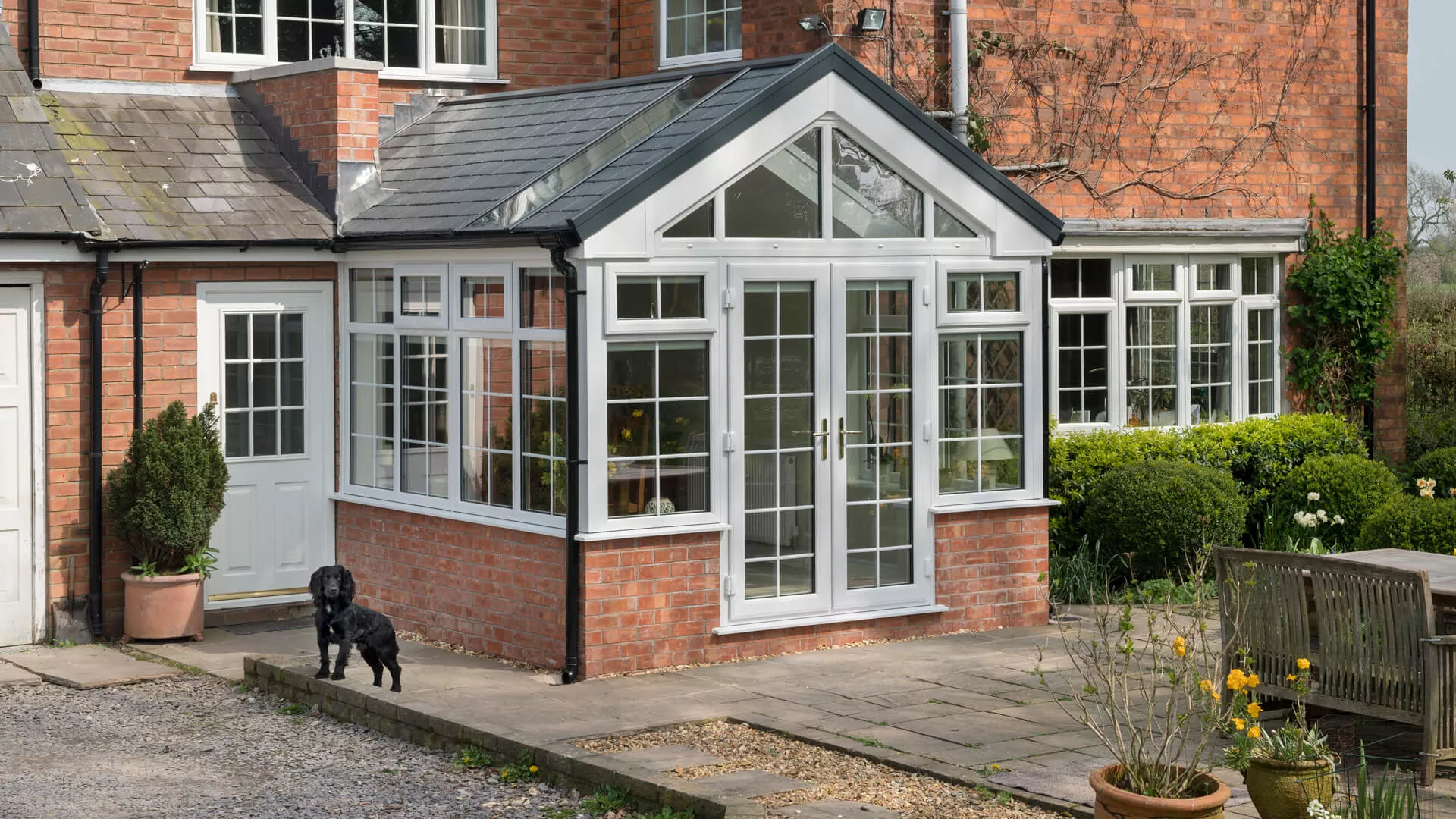
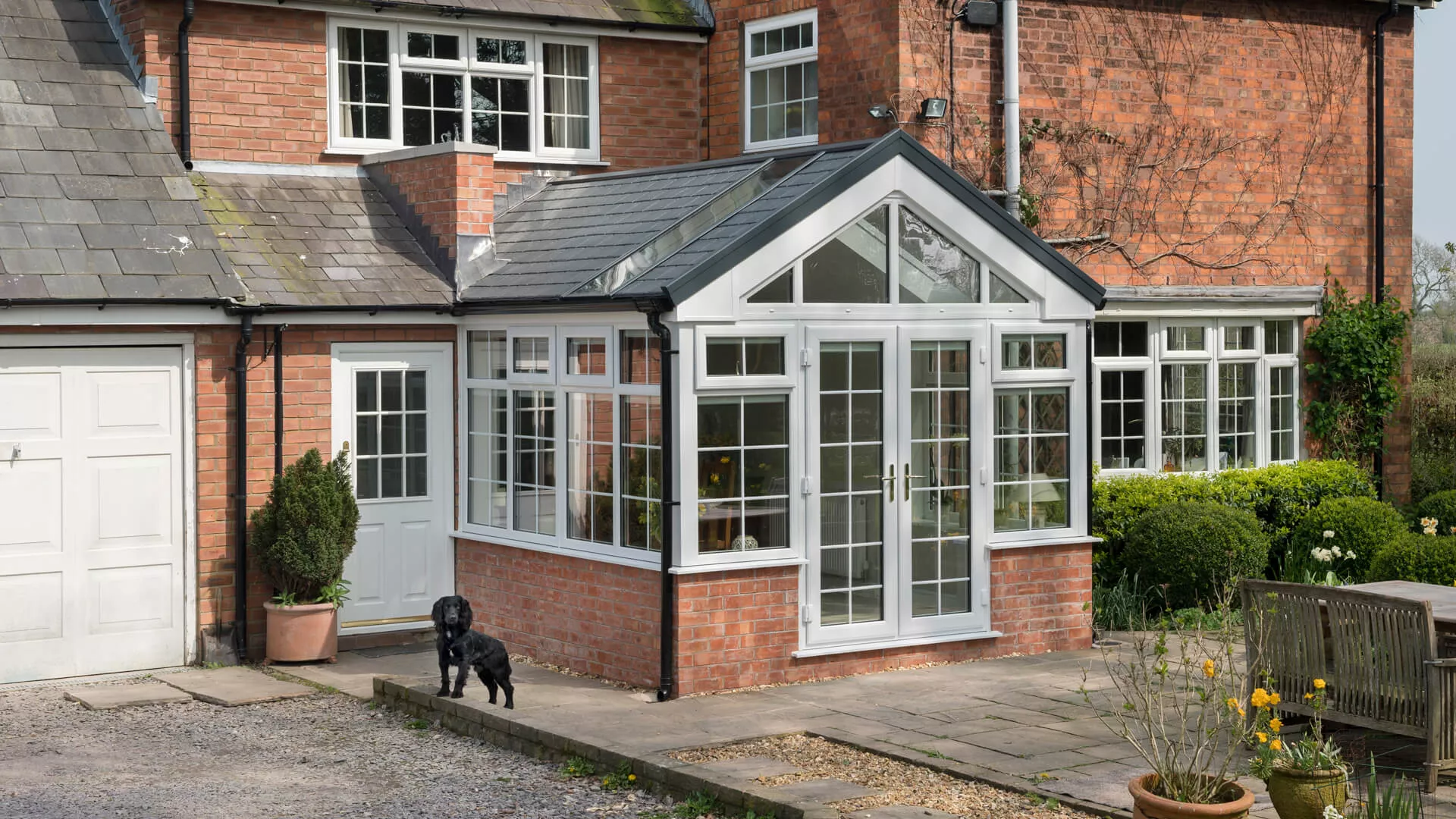
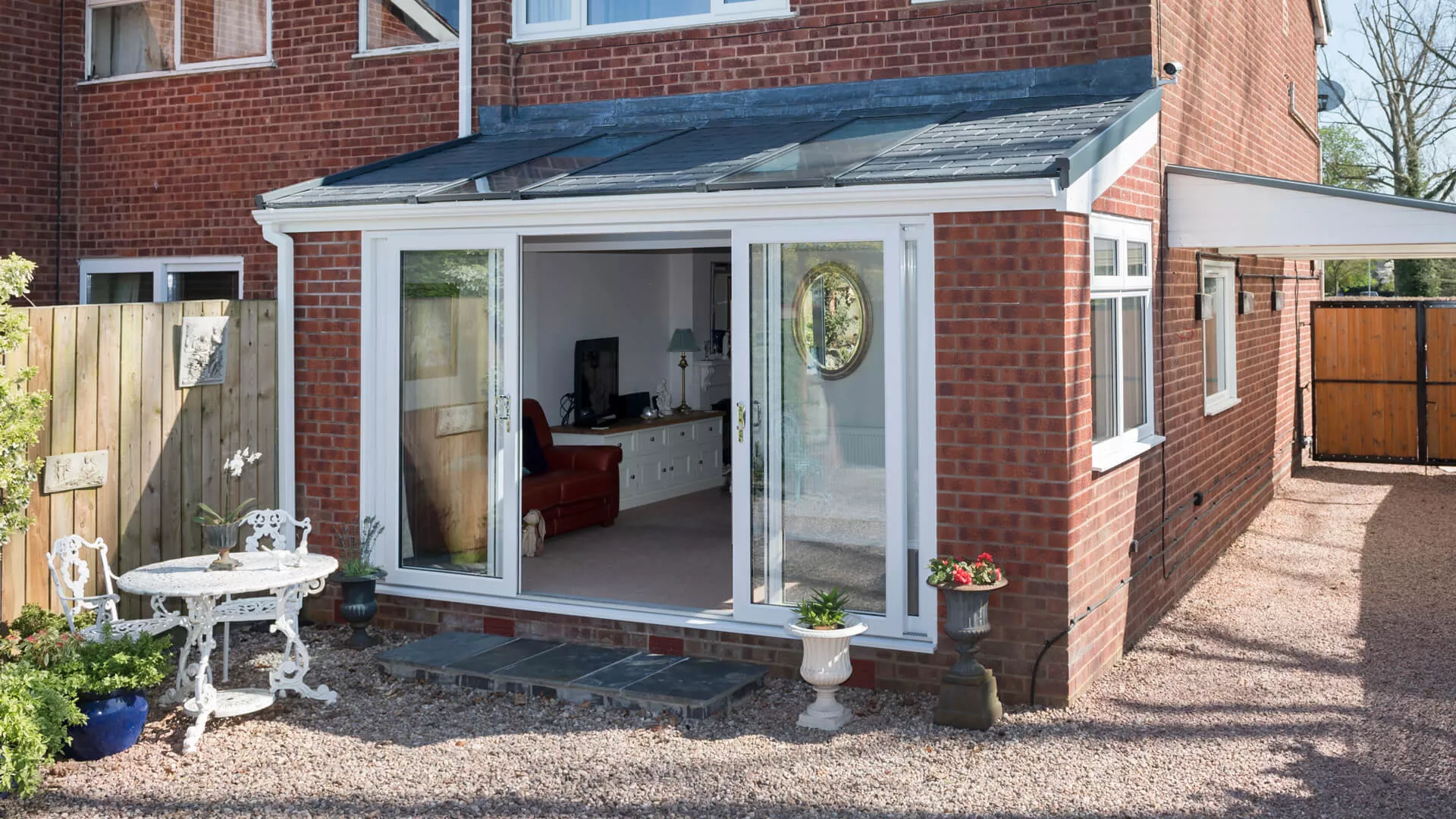
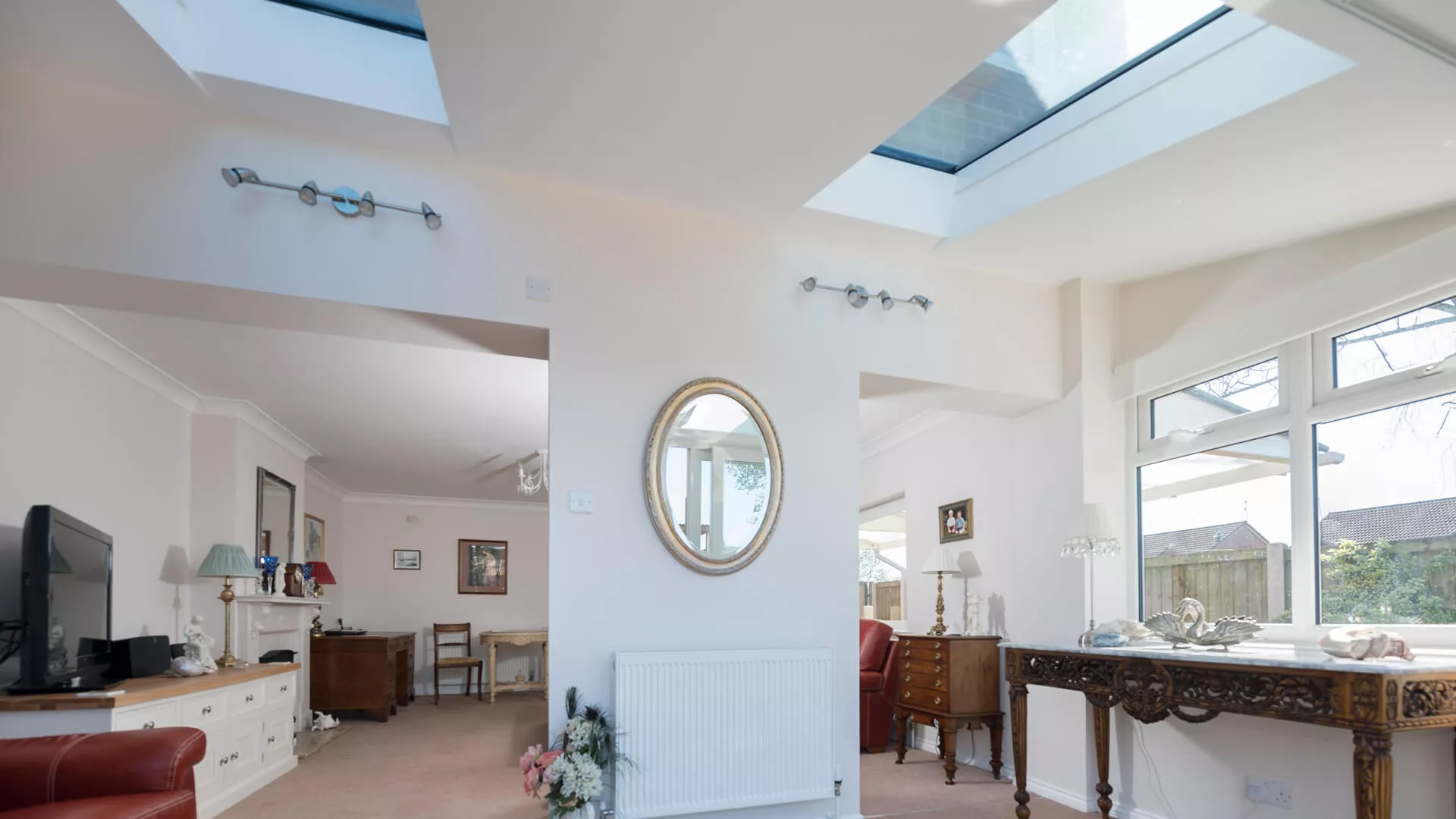
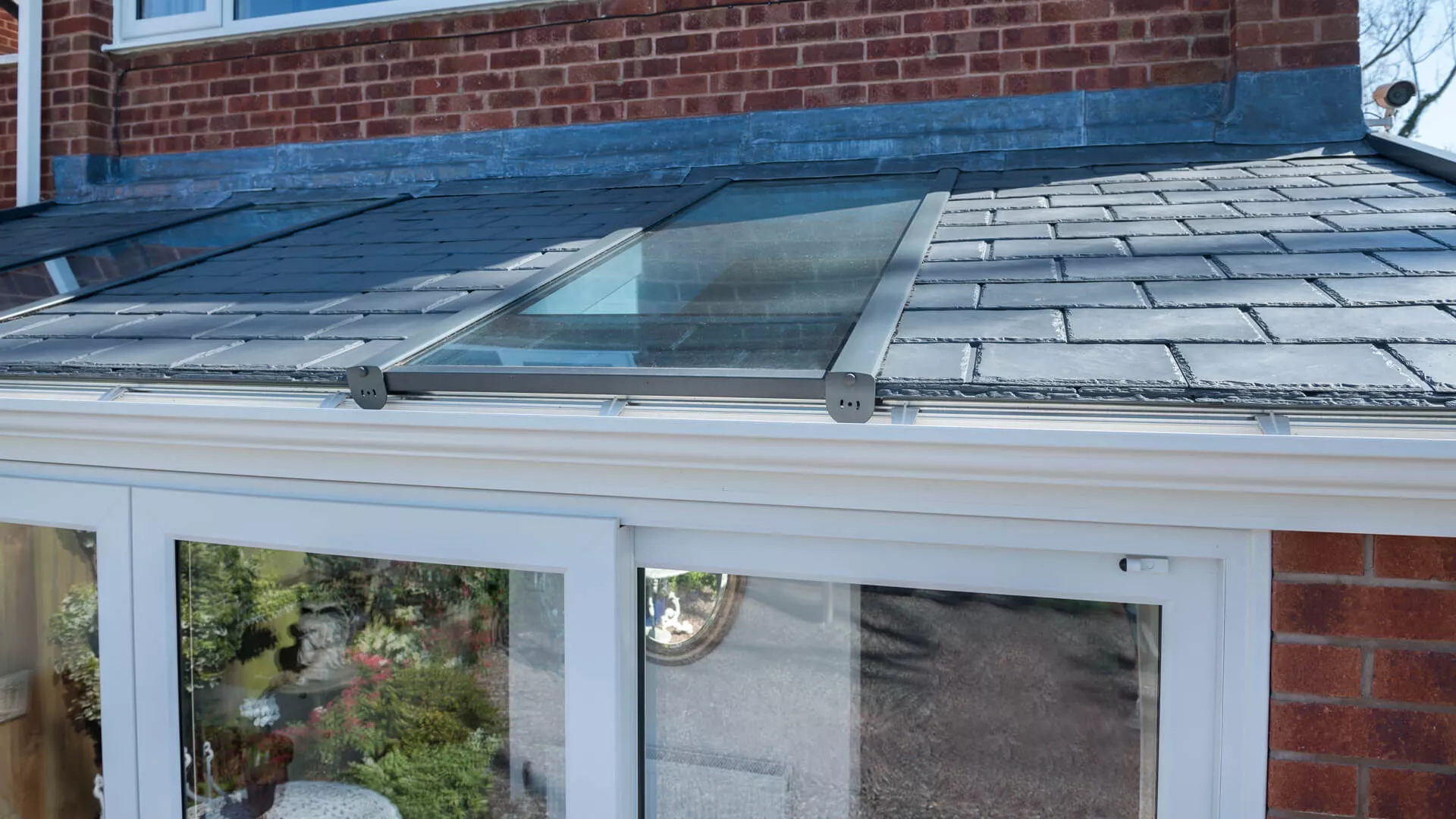
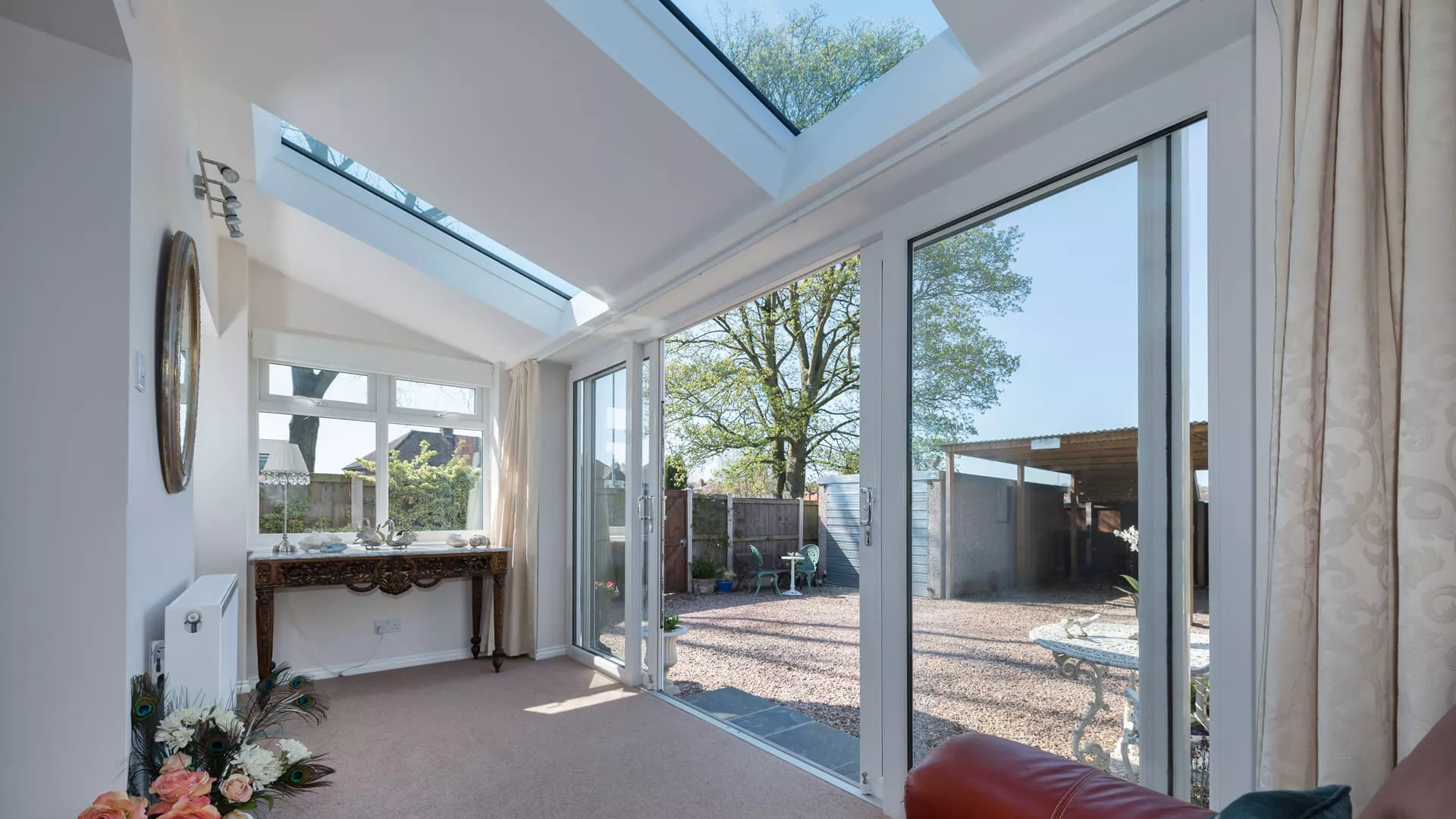
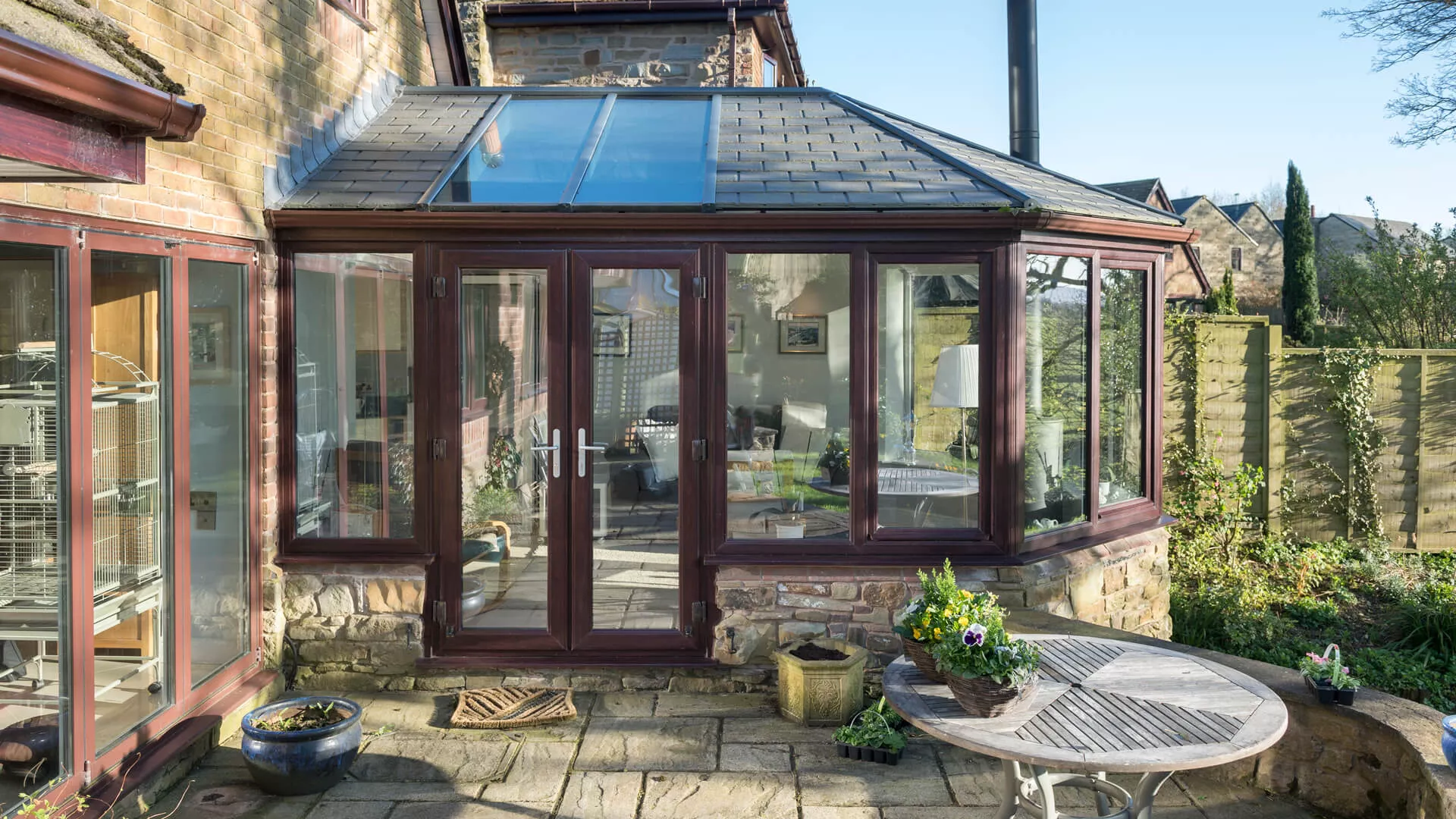
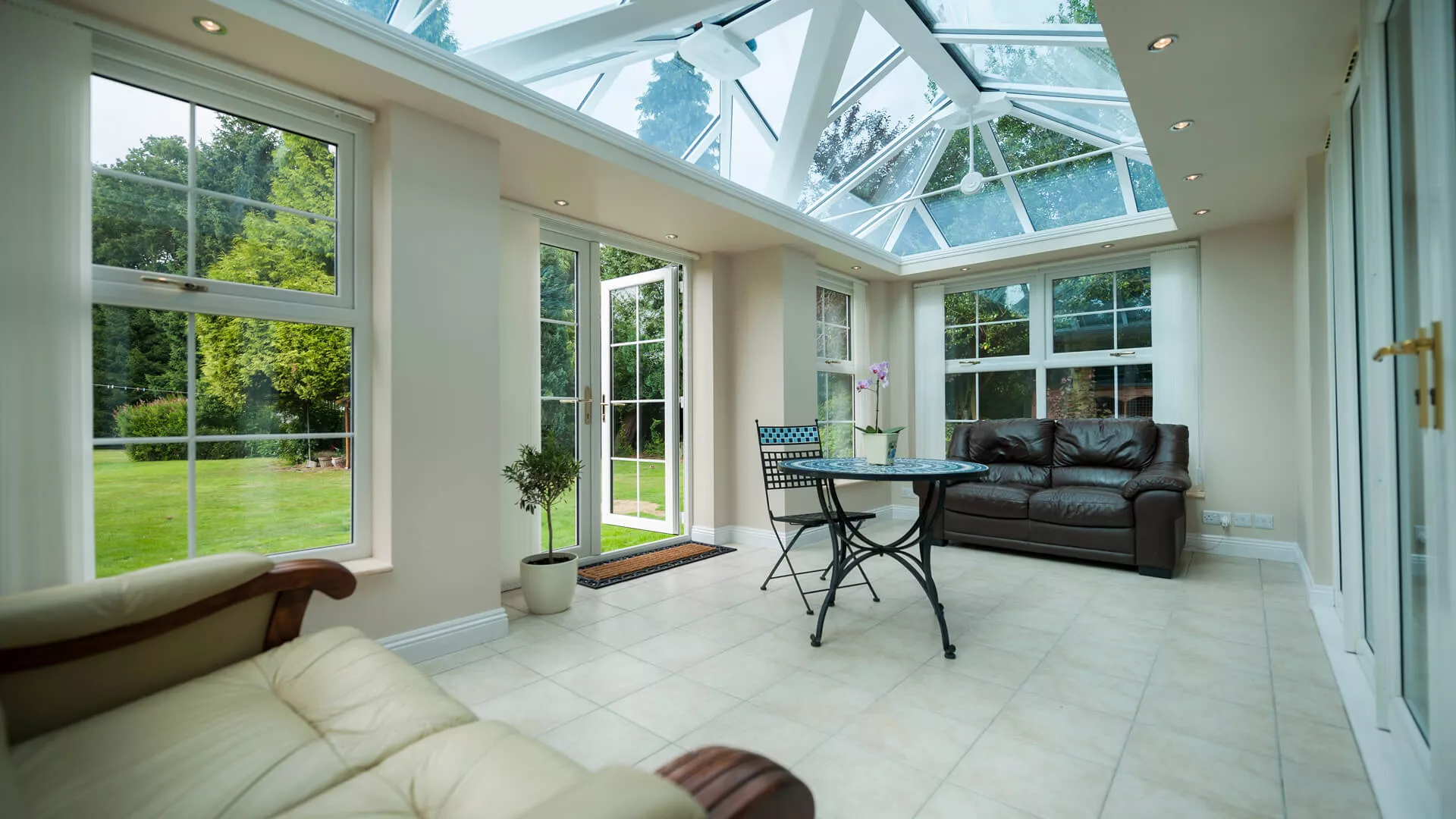
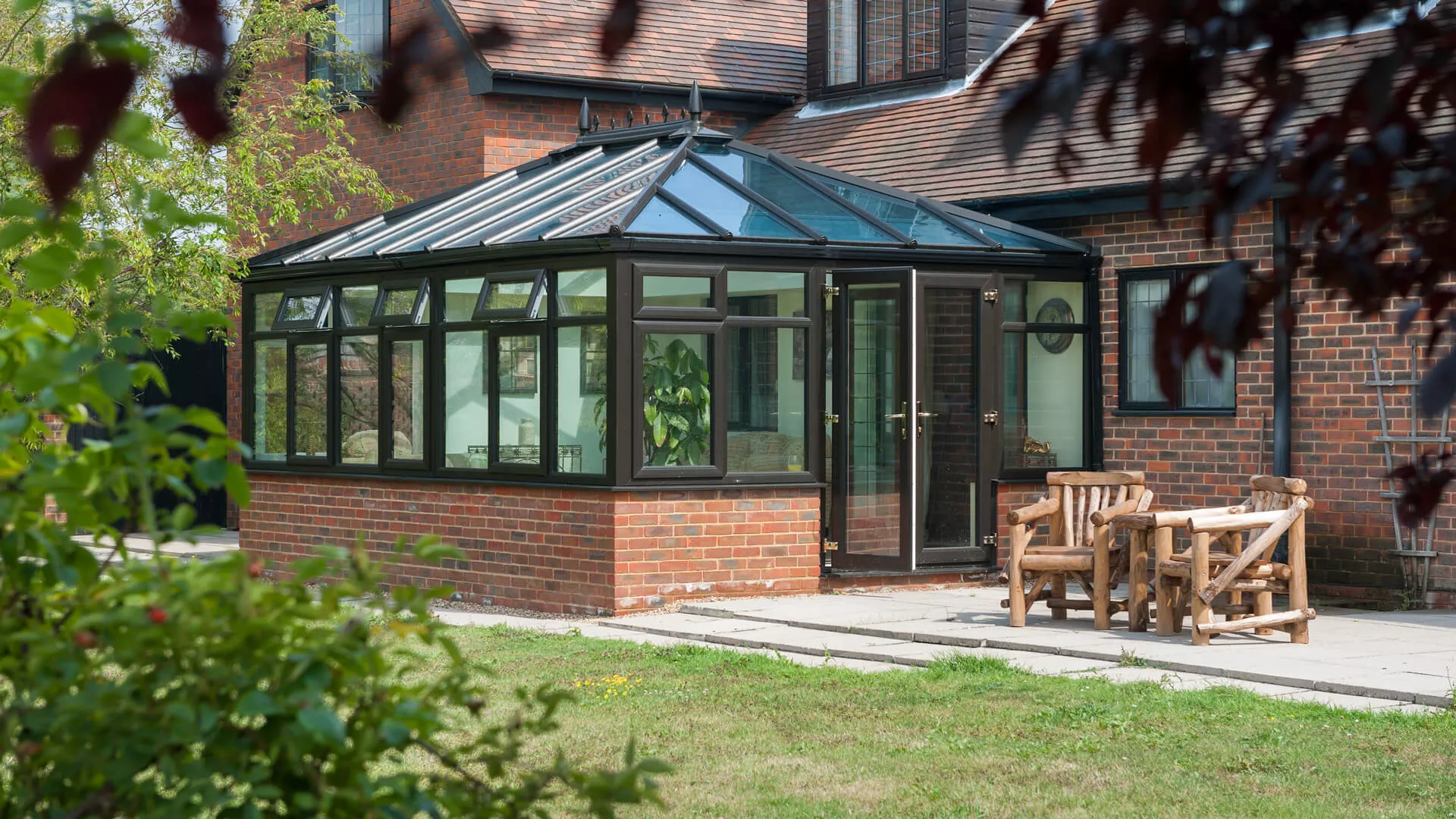
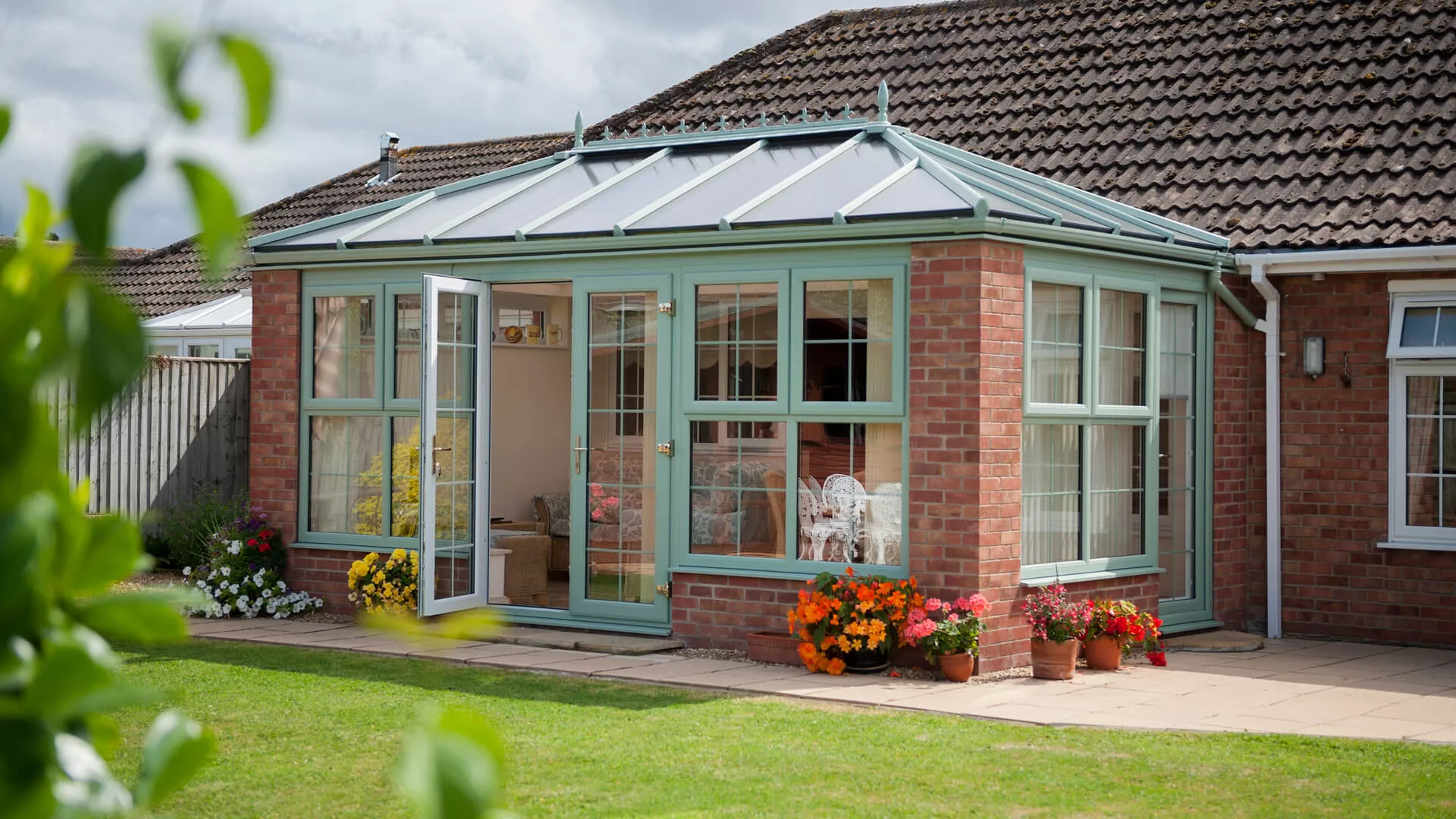
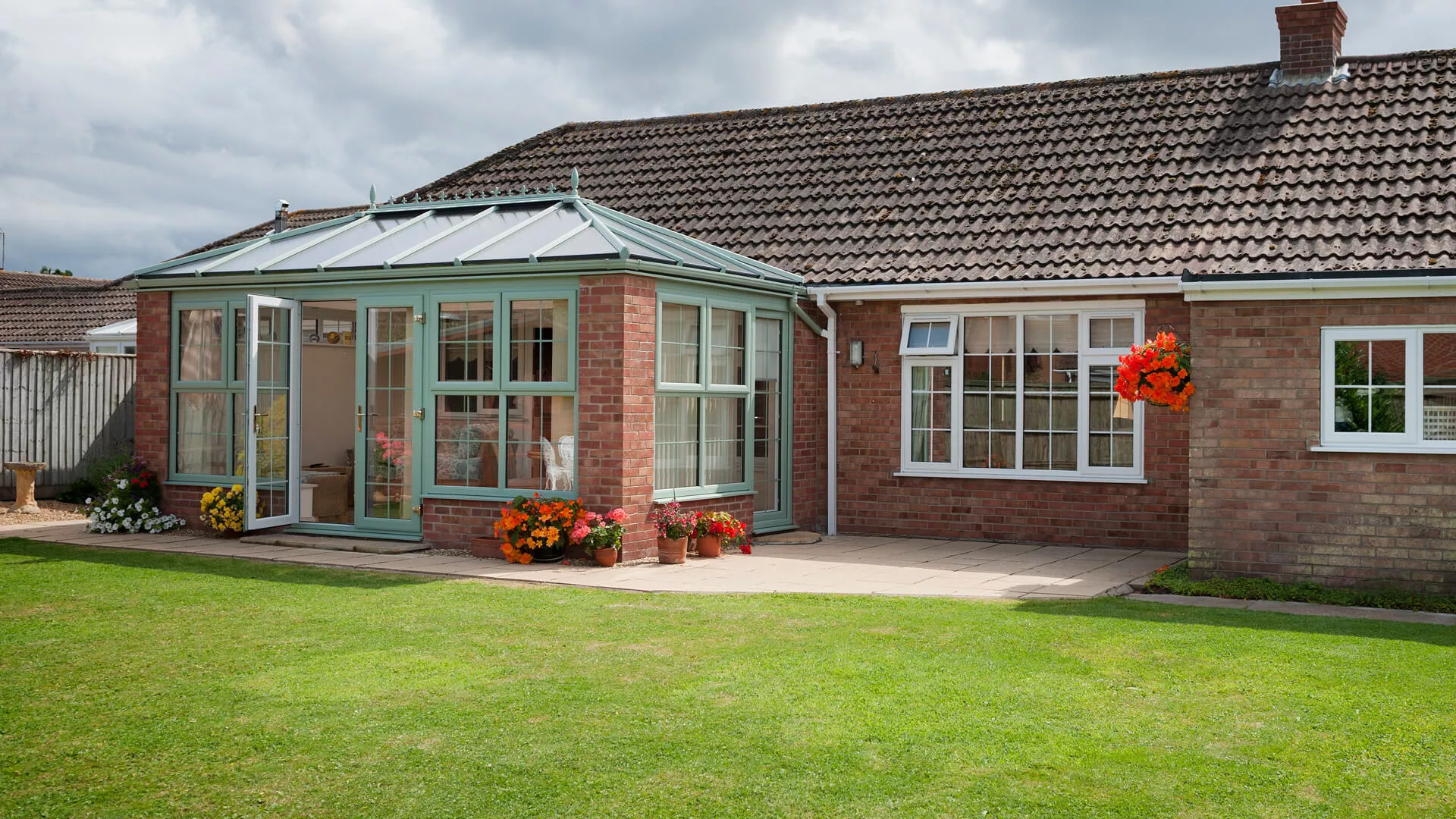
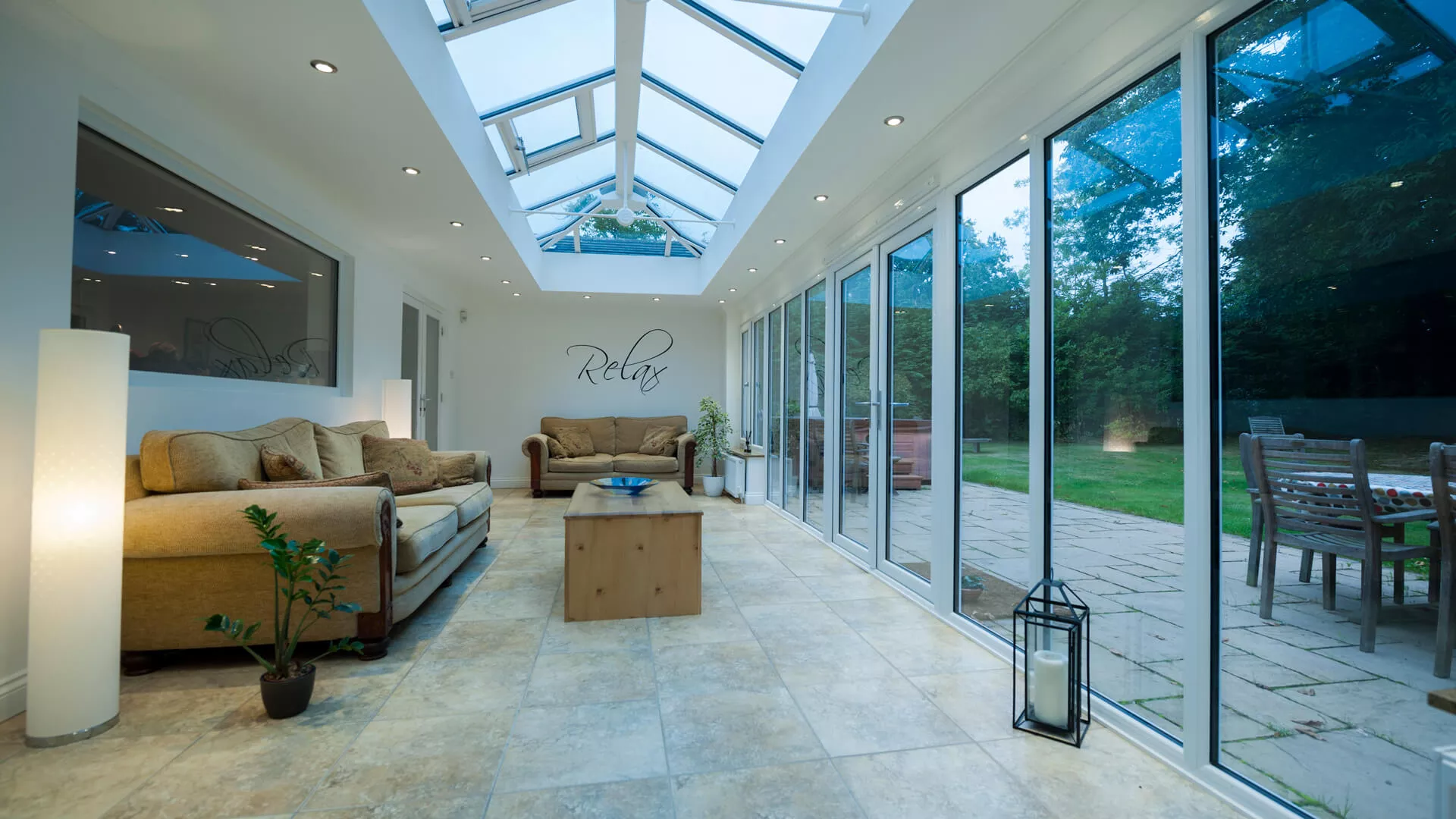
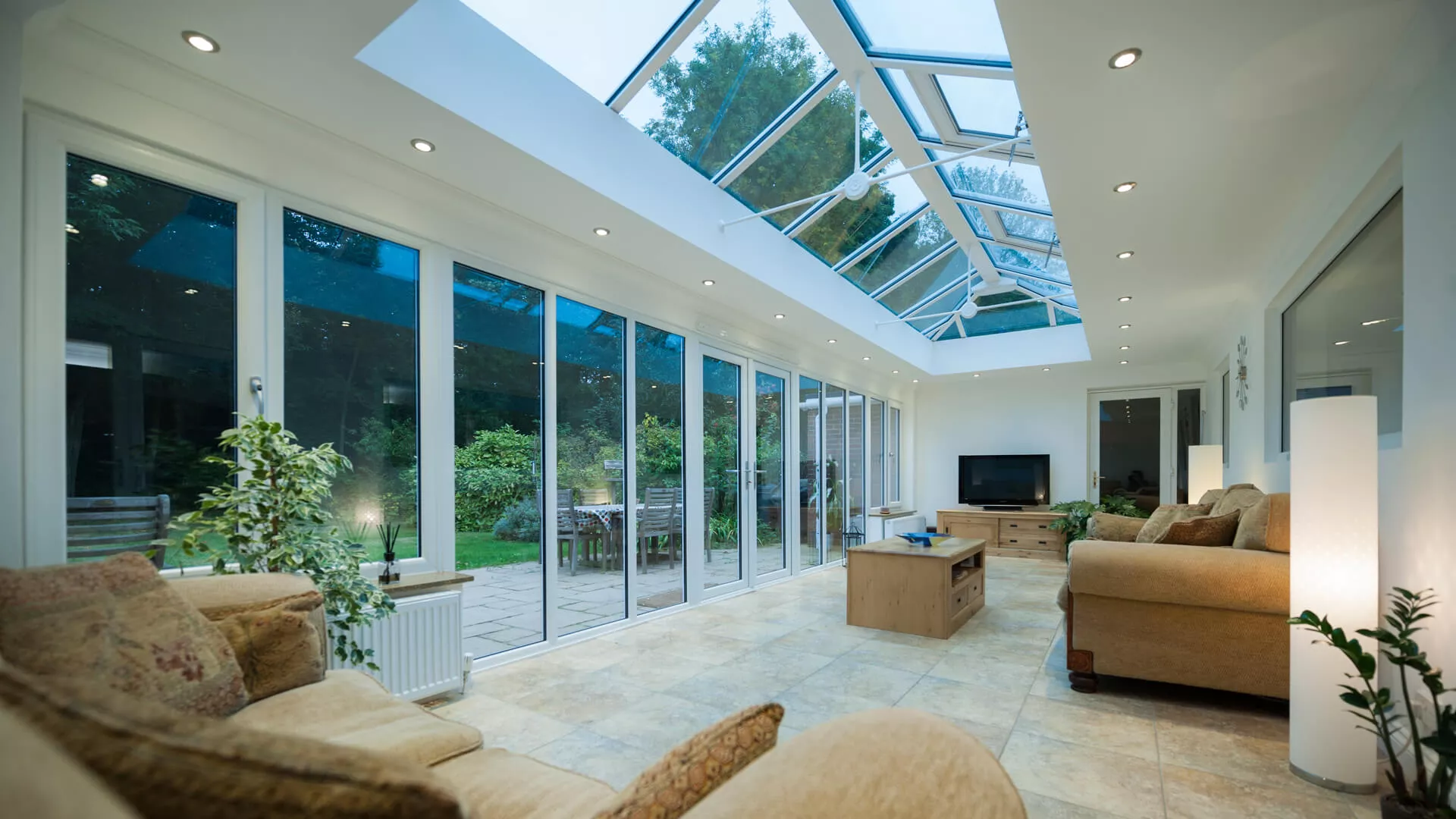
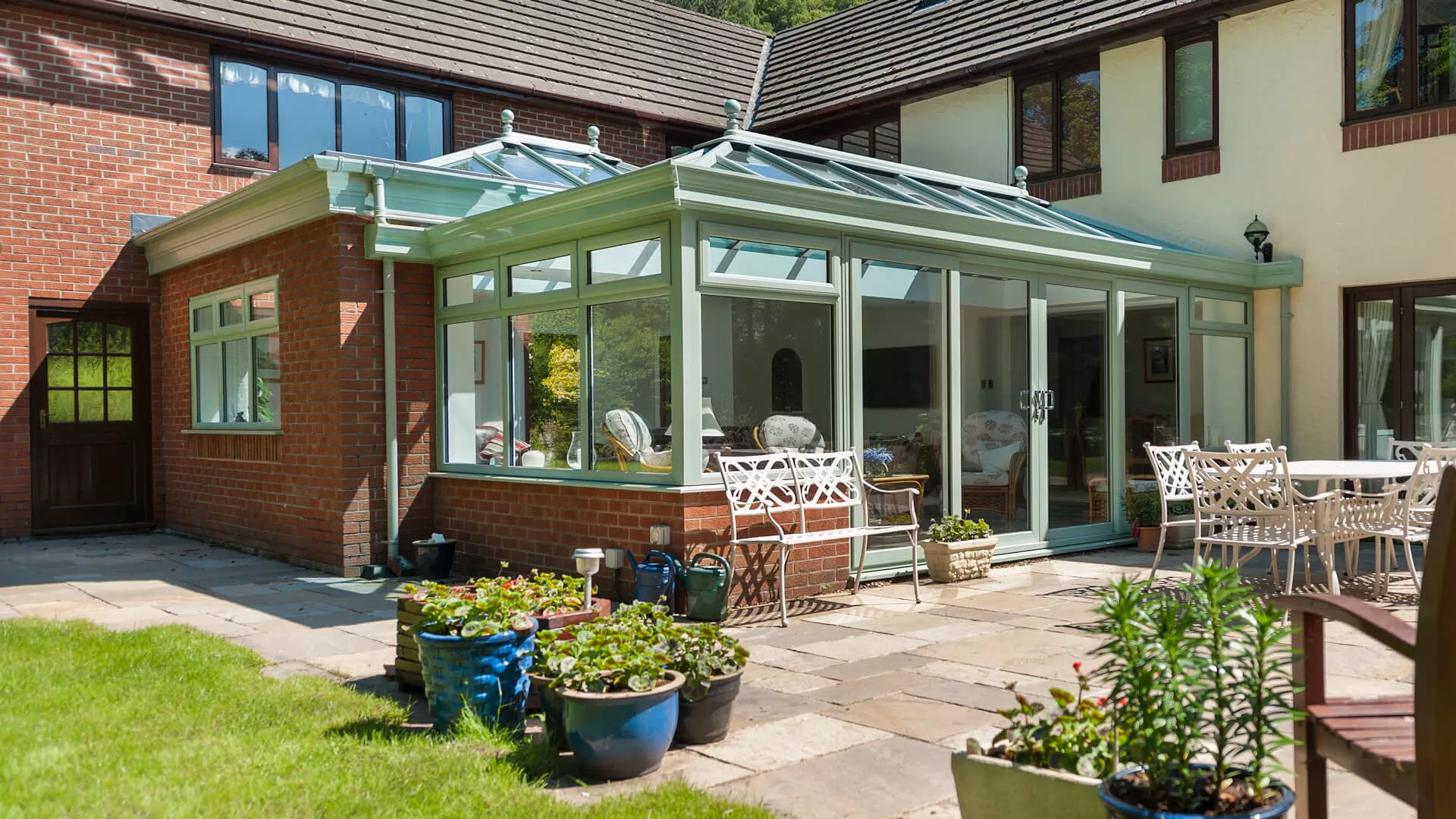
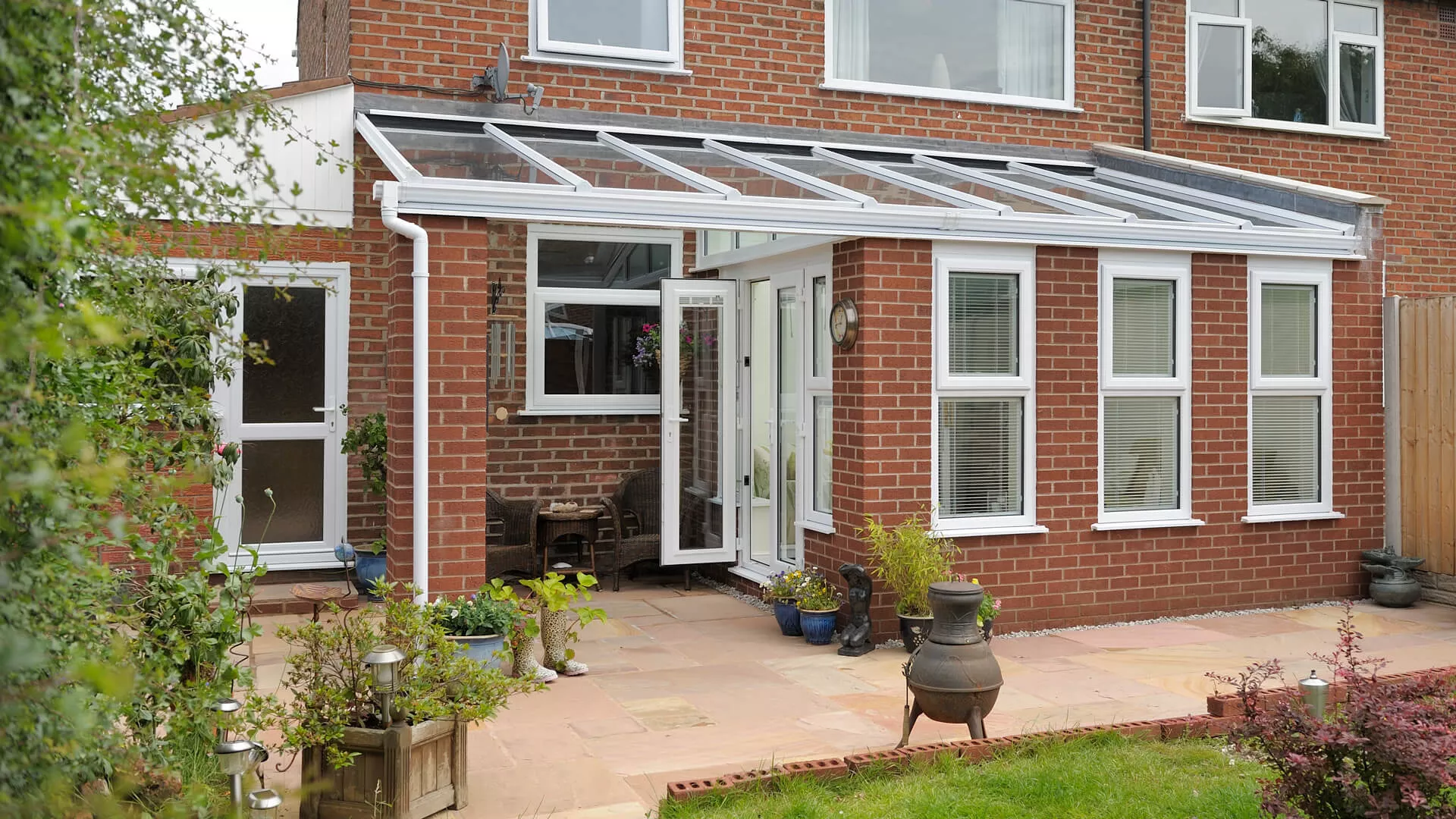
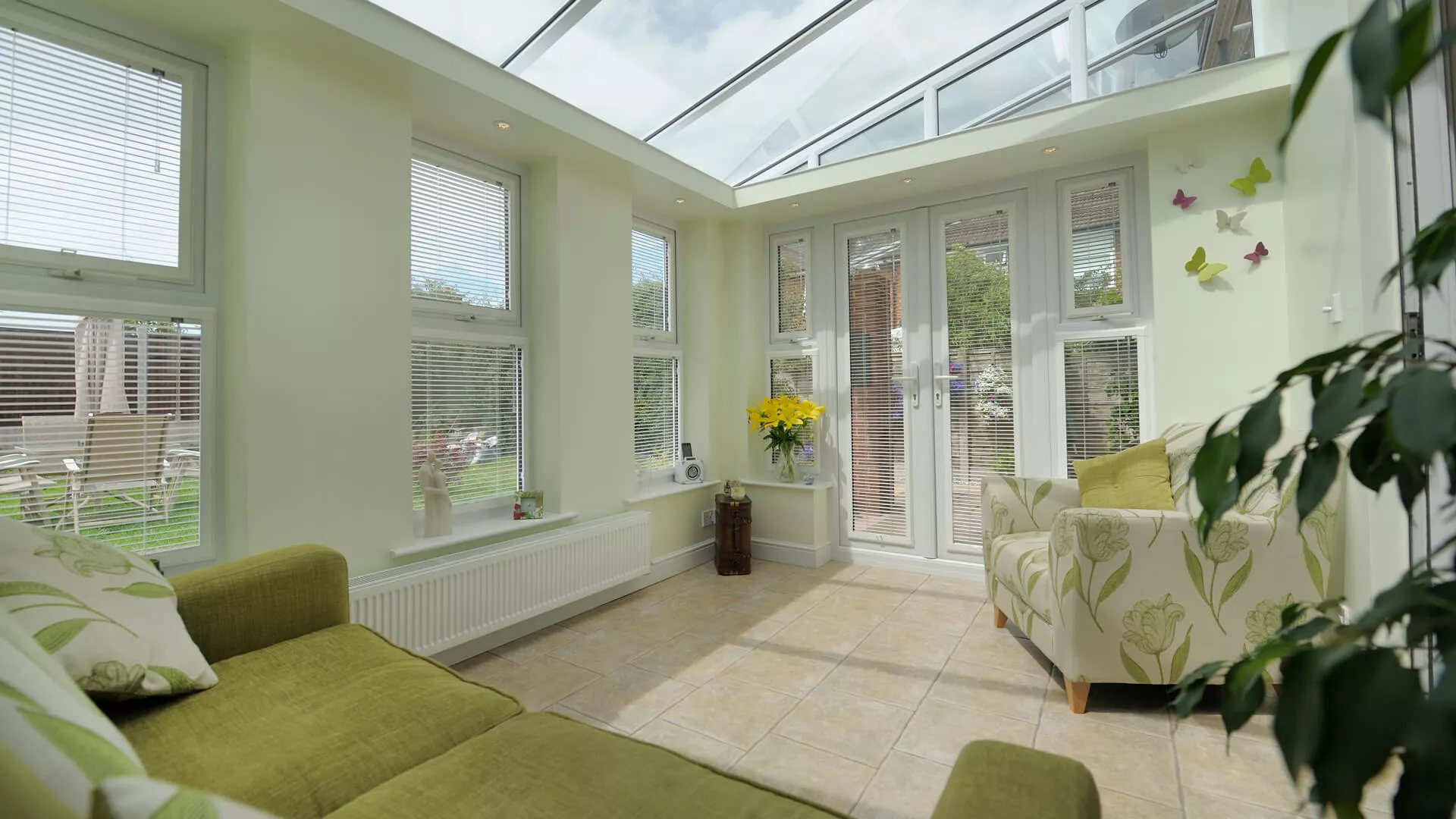
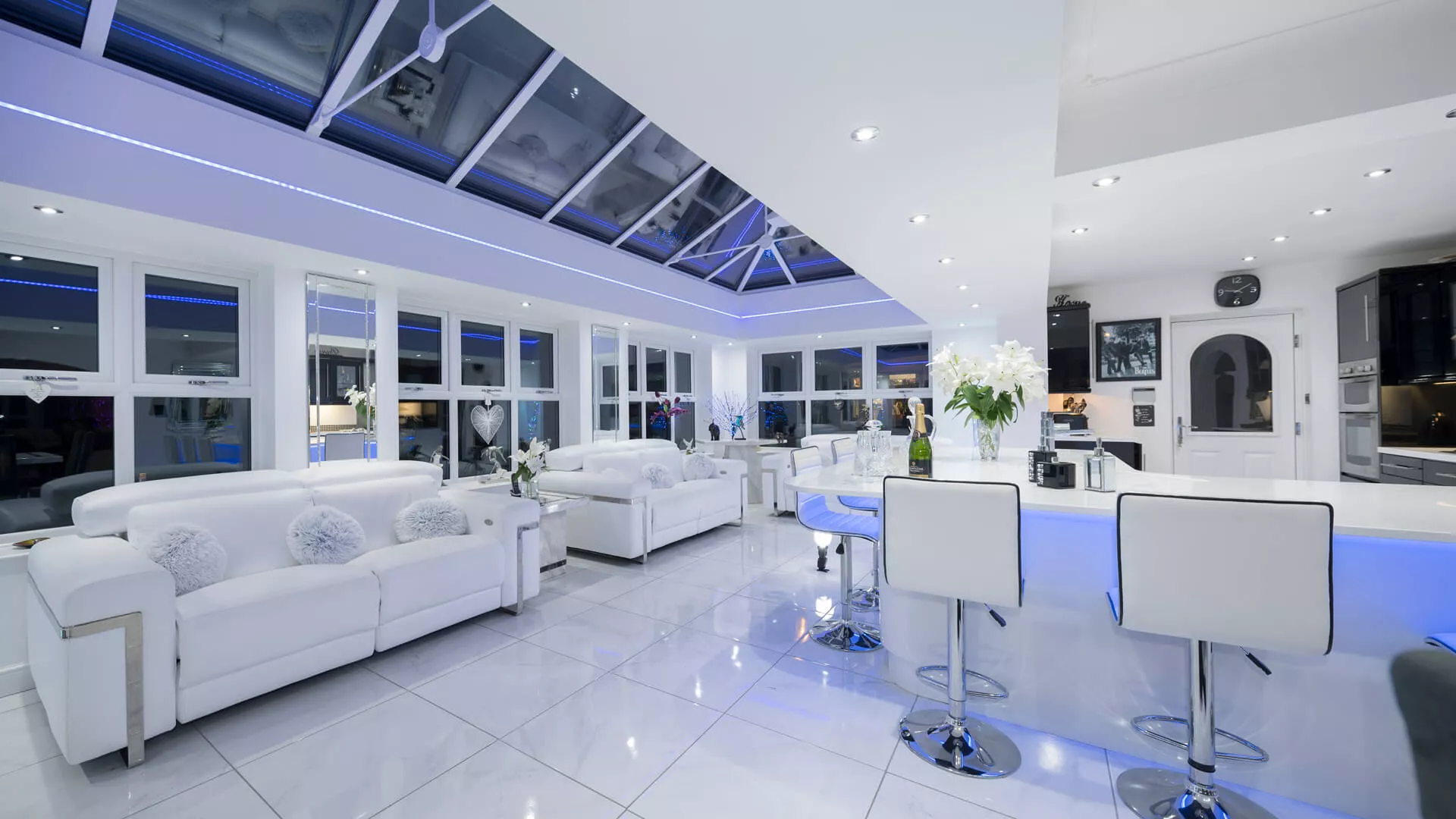
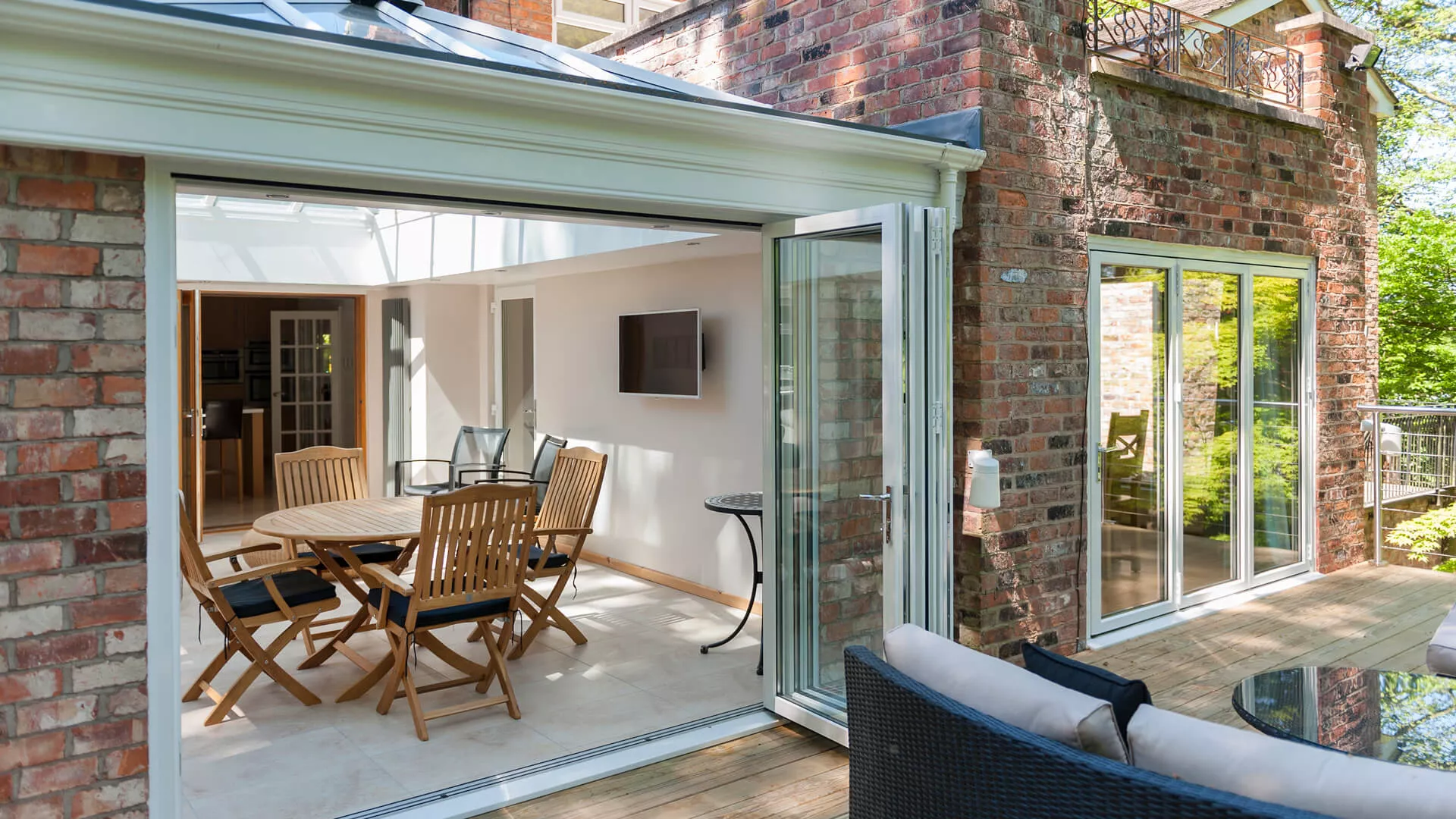
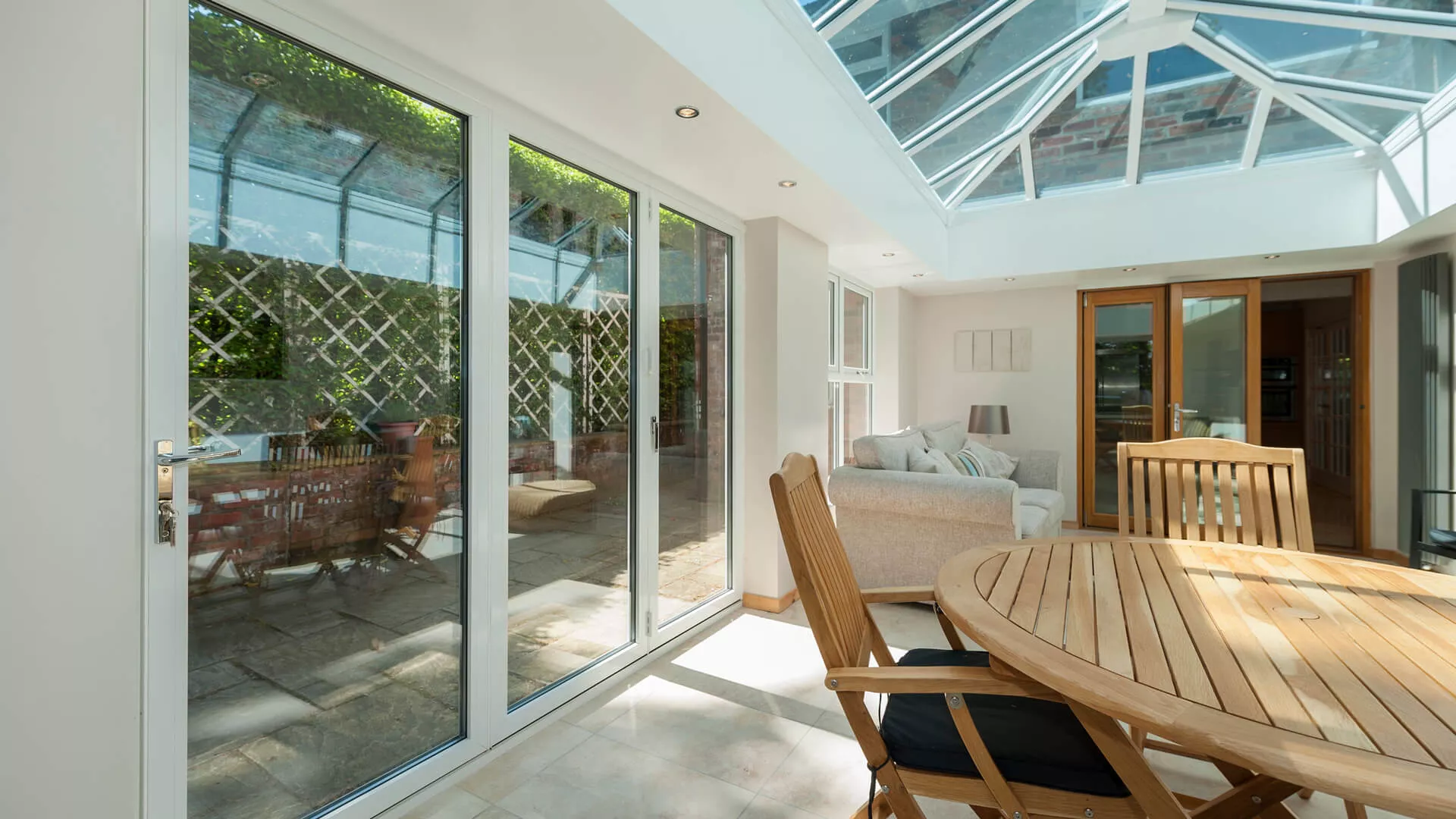
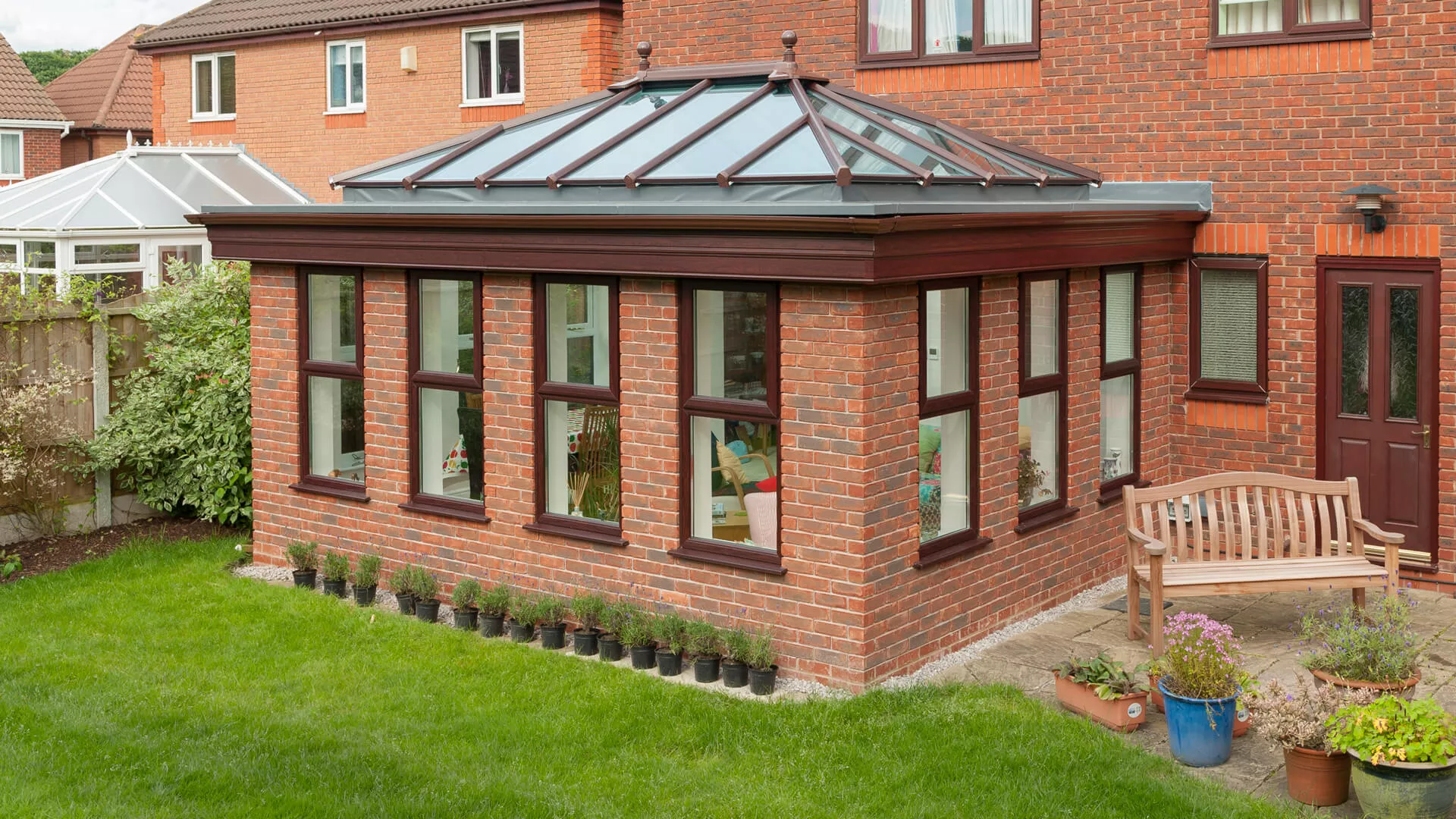
- Tiled and solid roofs. A tiled conservatory roof, also known as a solid roof, offers optimal insulation and is remarkably lightweight. Quick and easy to install, it helps to banish draughts from conservatory locations and fortify comfort in them. Solid roof conservatories realise close to the zenith of thermal efficiency.
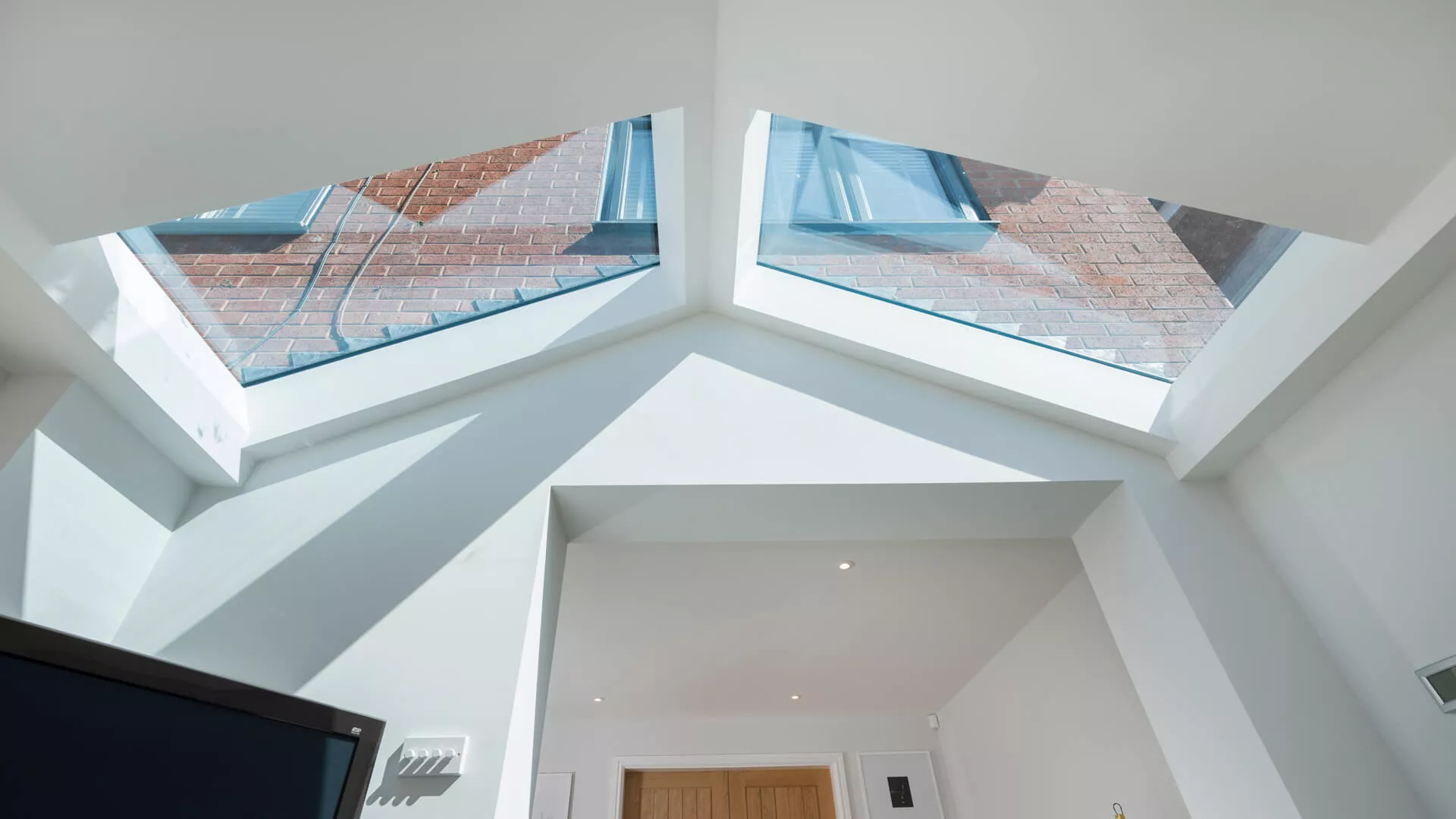
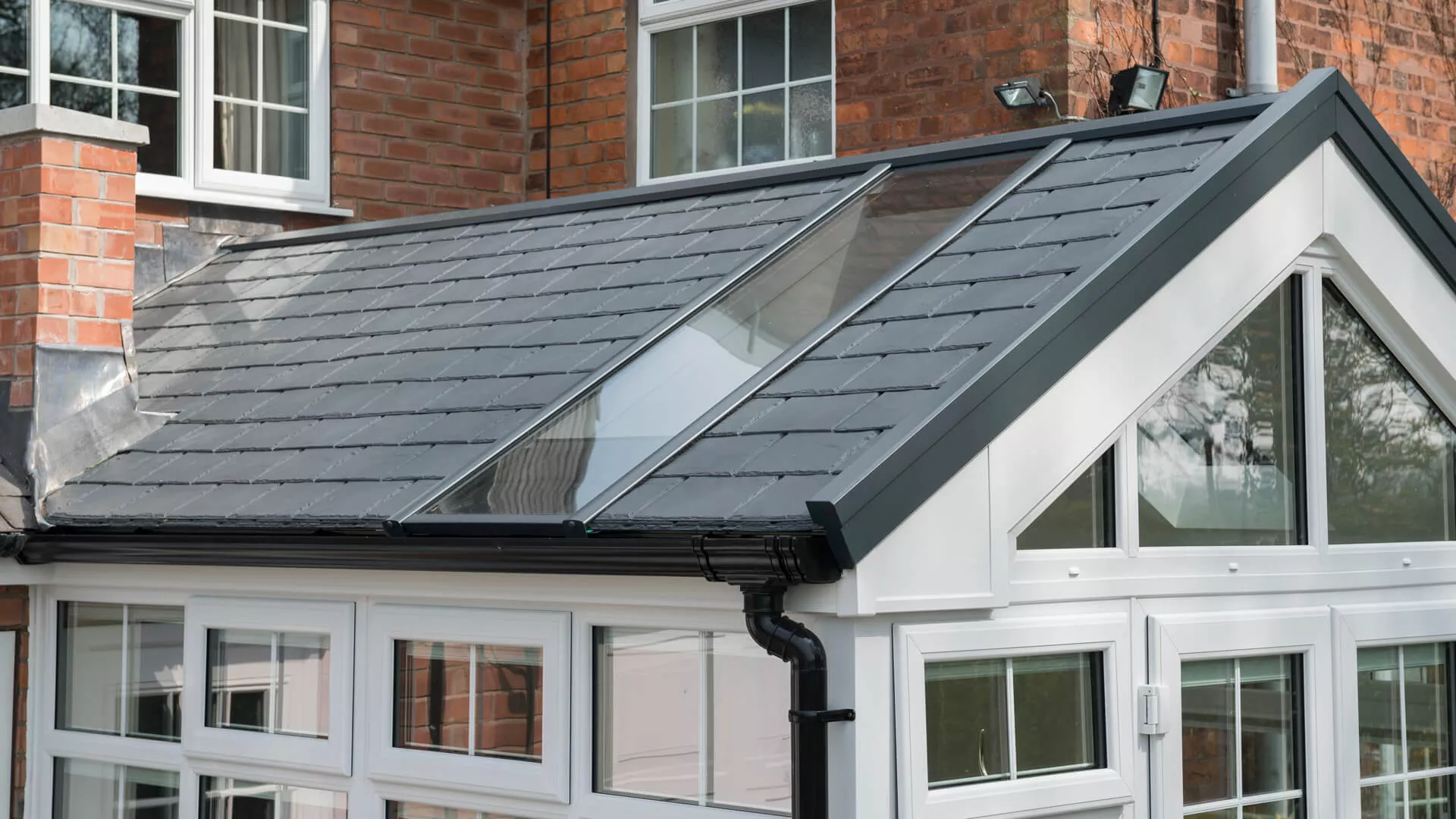
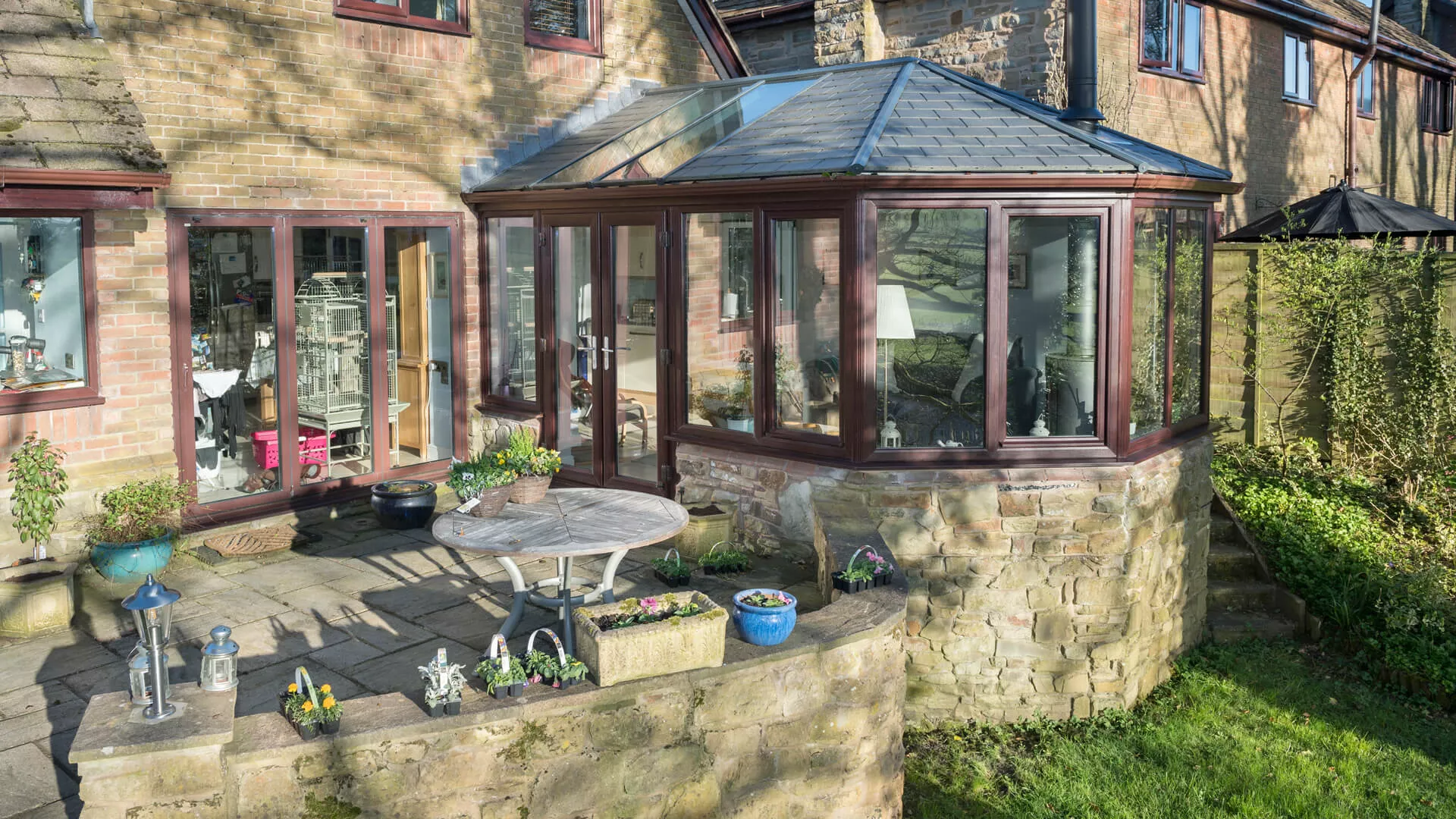
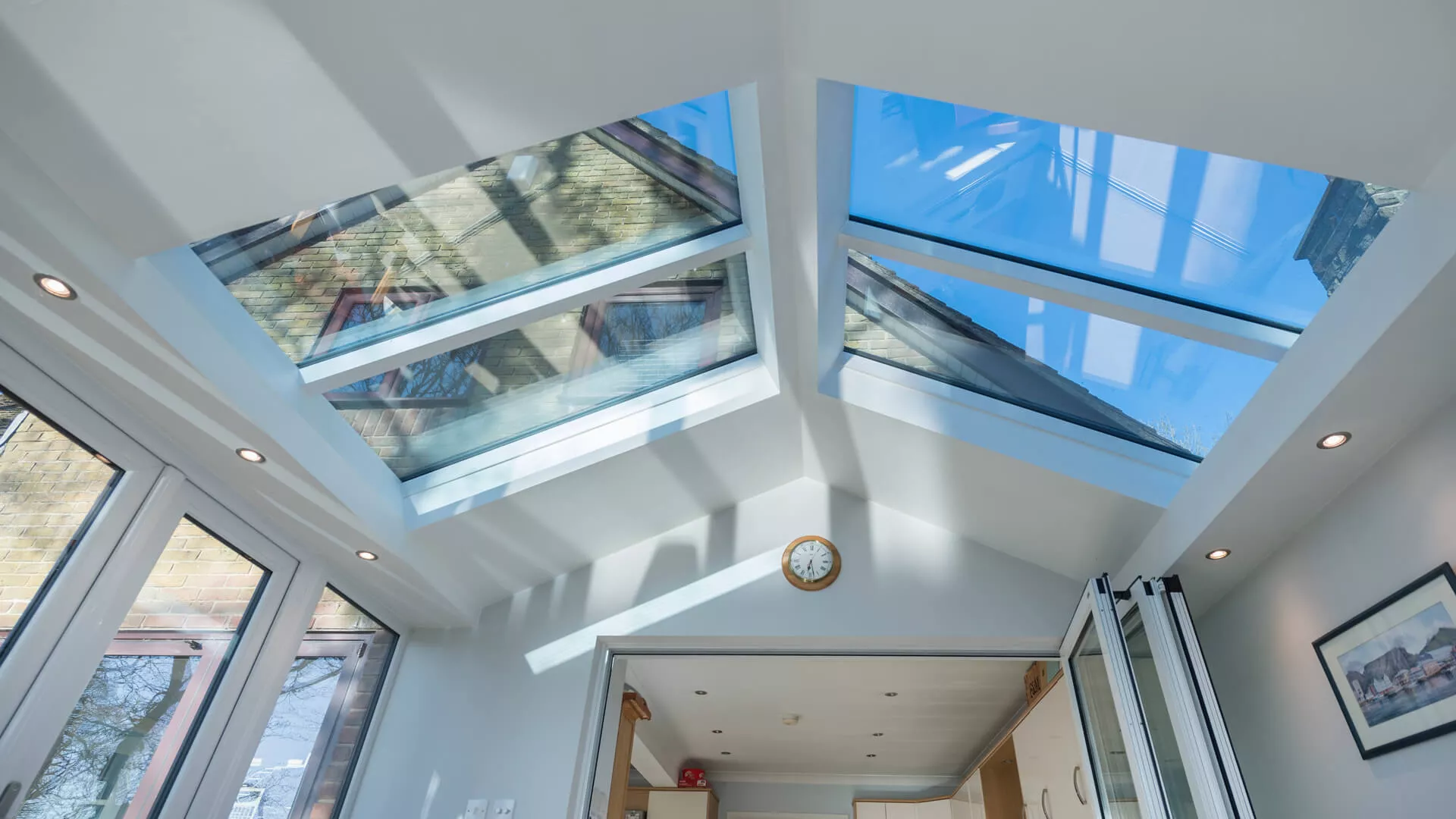
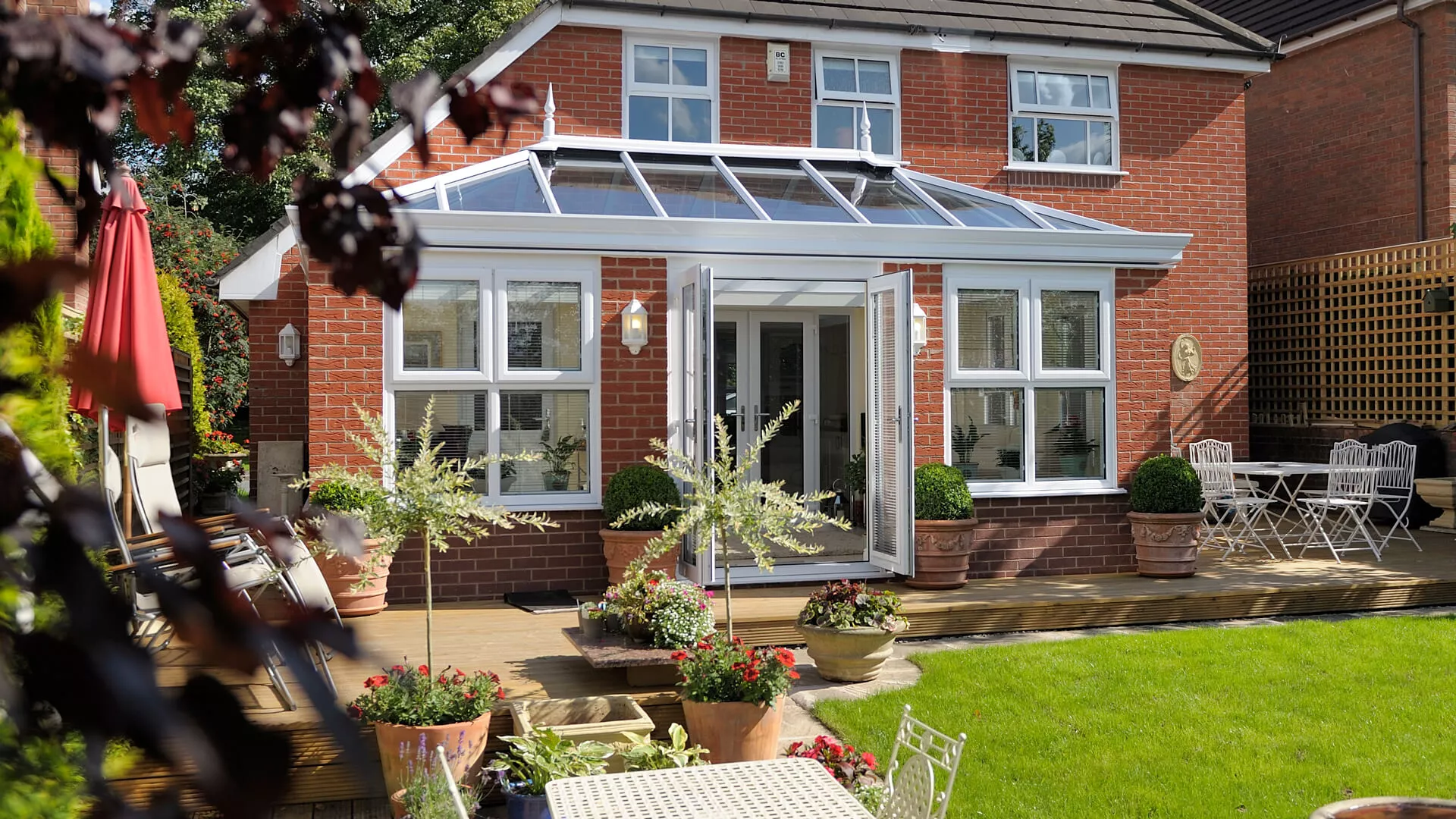
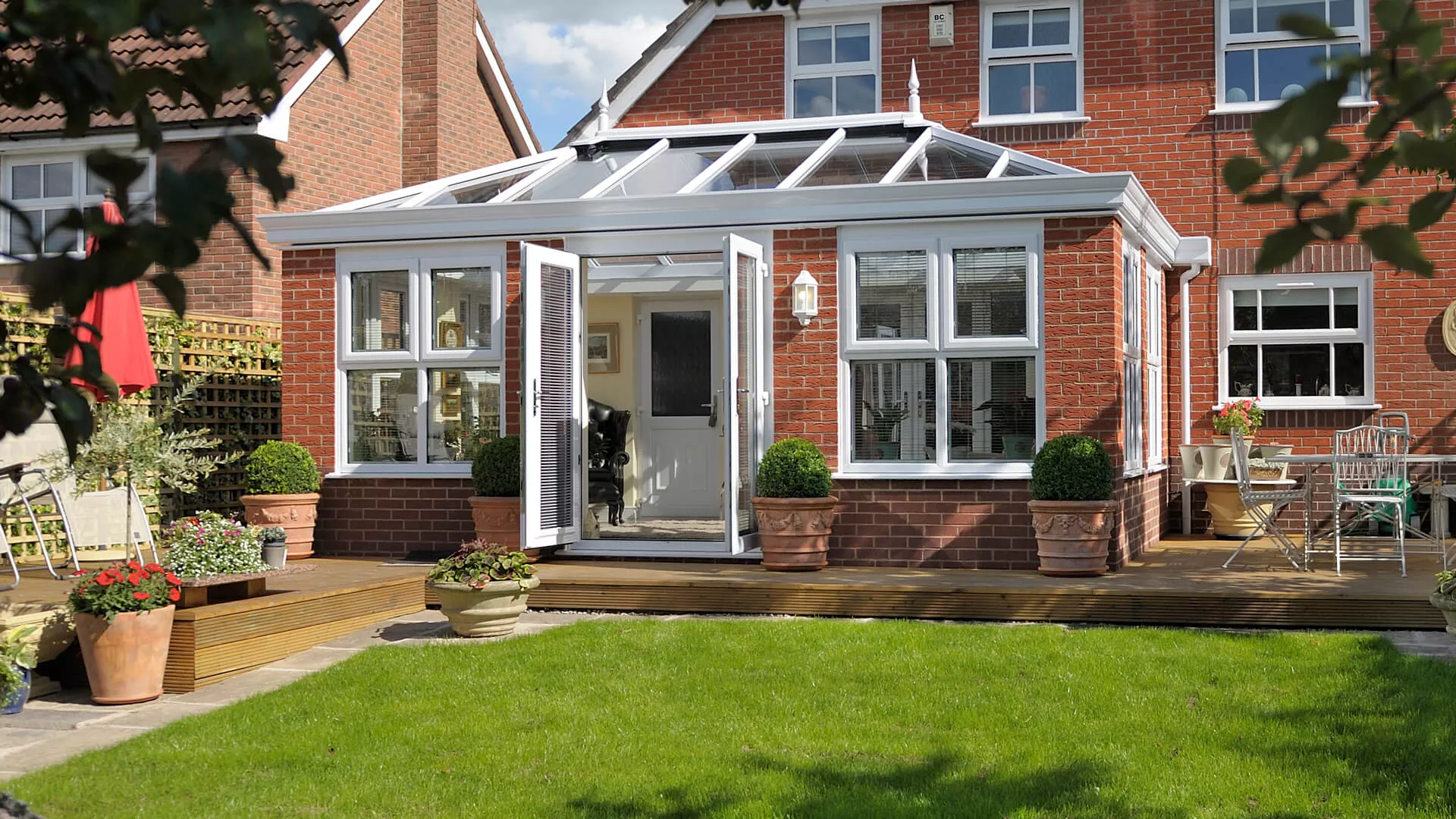
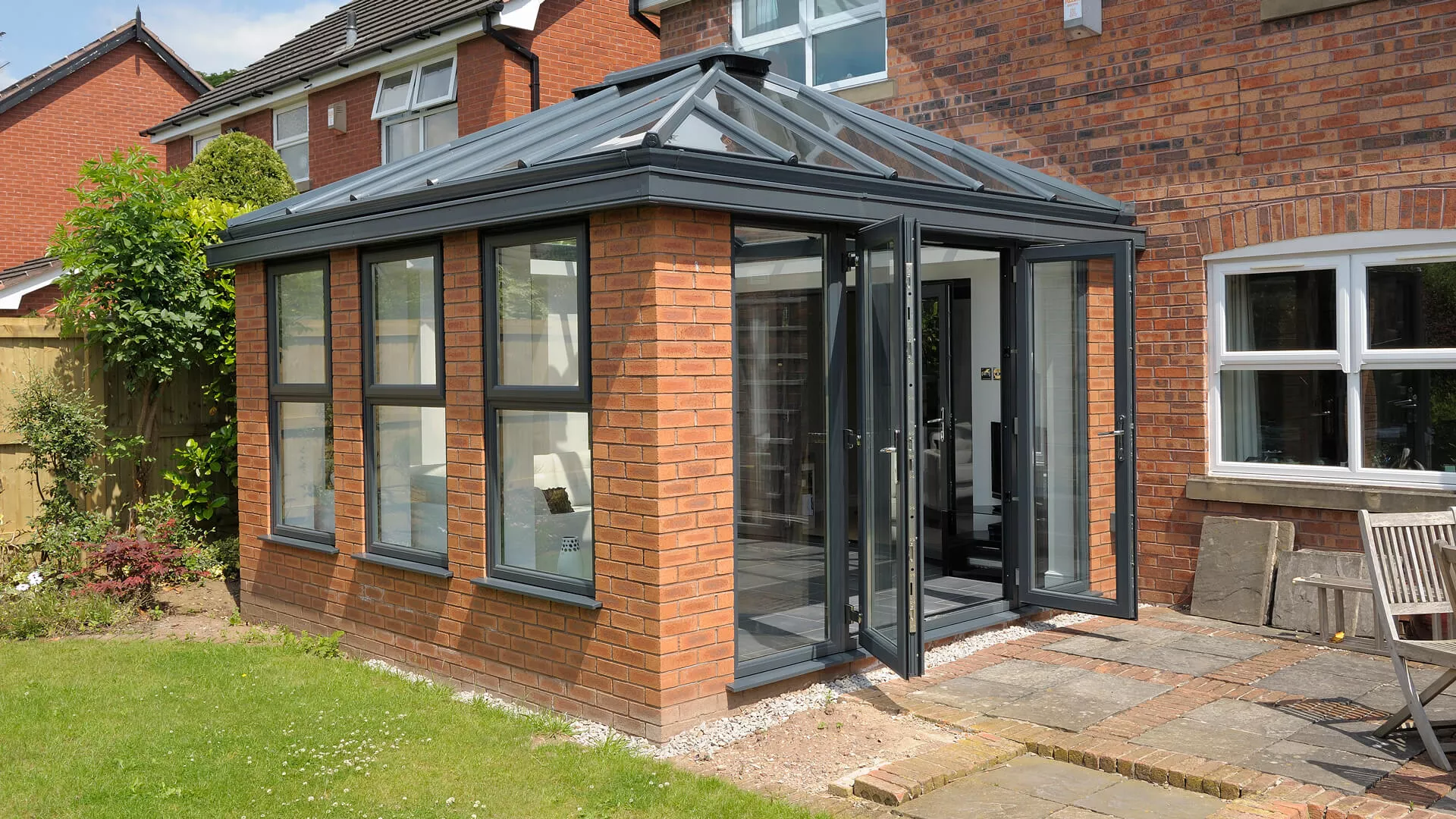
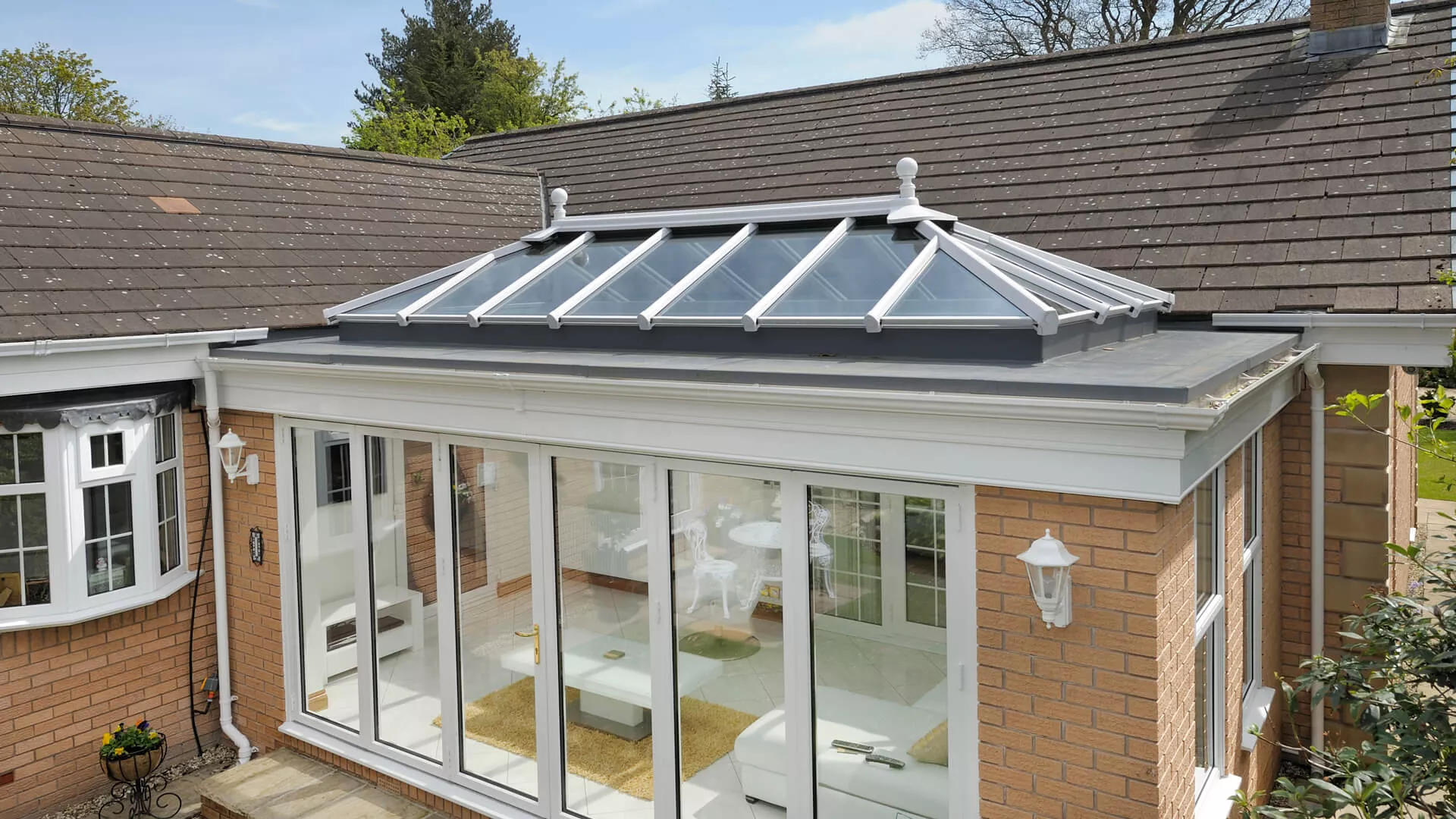
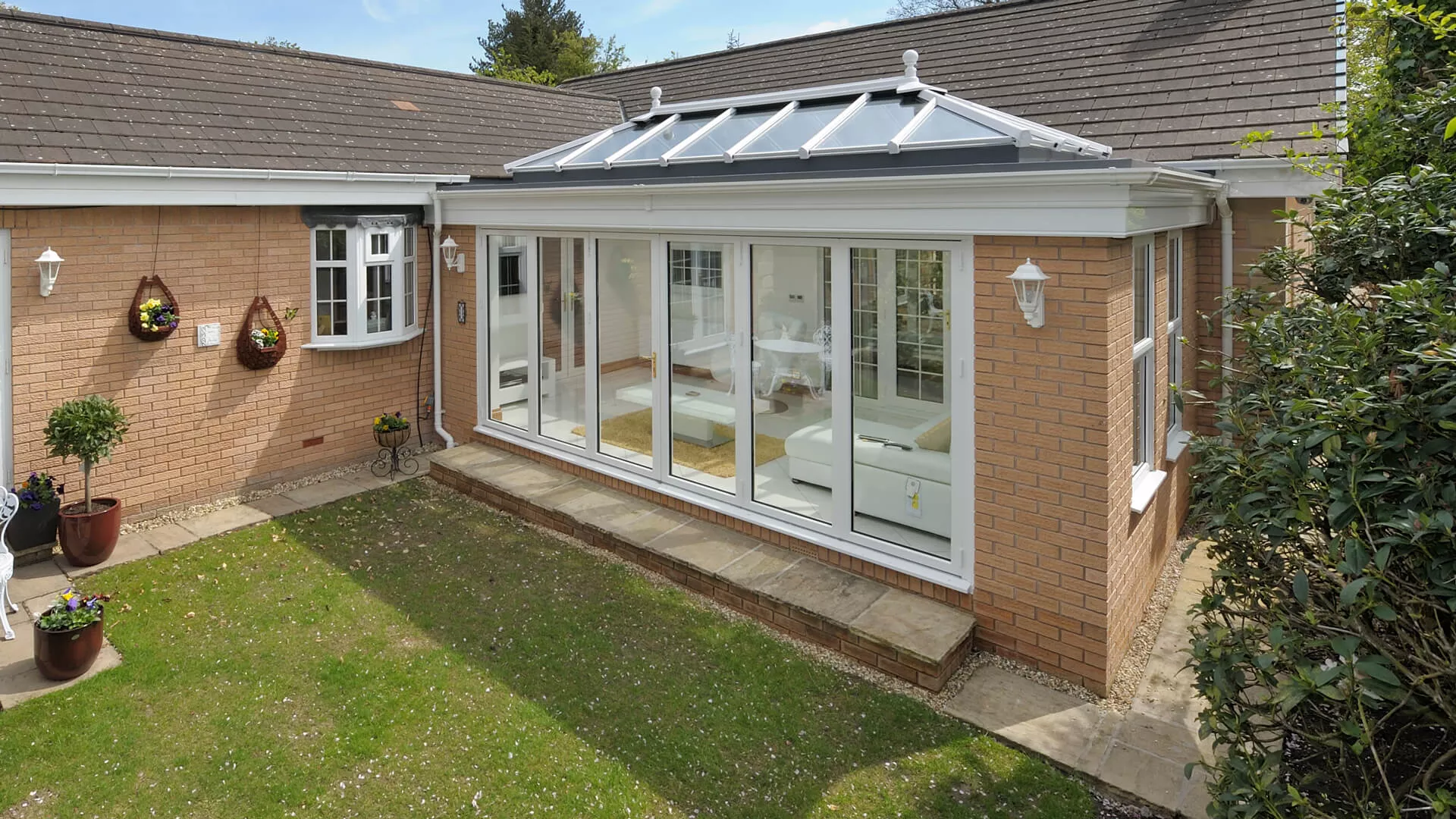
- Hybrid roofs. Solid, insulated panels and glazed sections are combined in a hybrid roof for a well-balanced solution that lures plentiful light and initiates impressive thermal efficiency.
- Polycarbonate roofs. Polycarbonate systems are the most affordable conservatory roofing option, but with good reason. Although very durable, their thermal performance trails well behind modern glass and tiled systems, providing much inferior insulation, causing wilder temperature fluctuations.
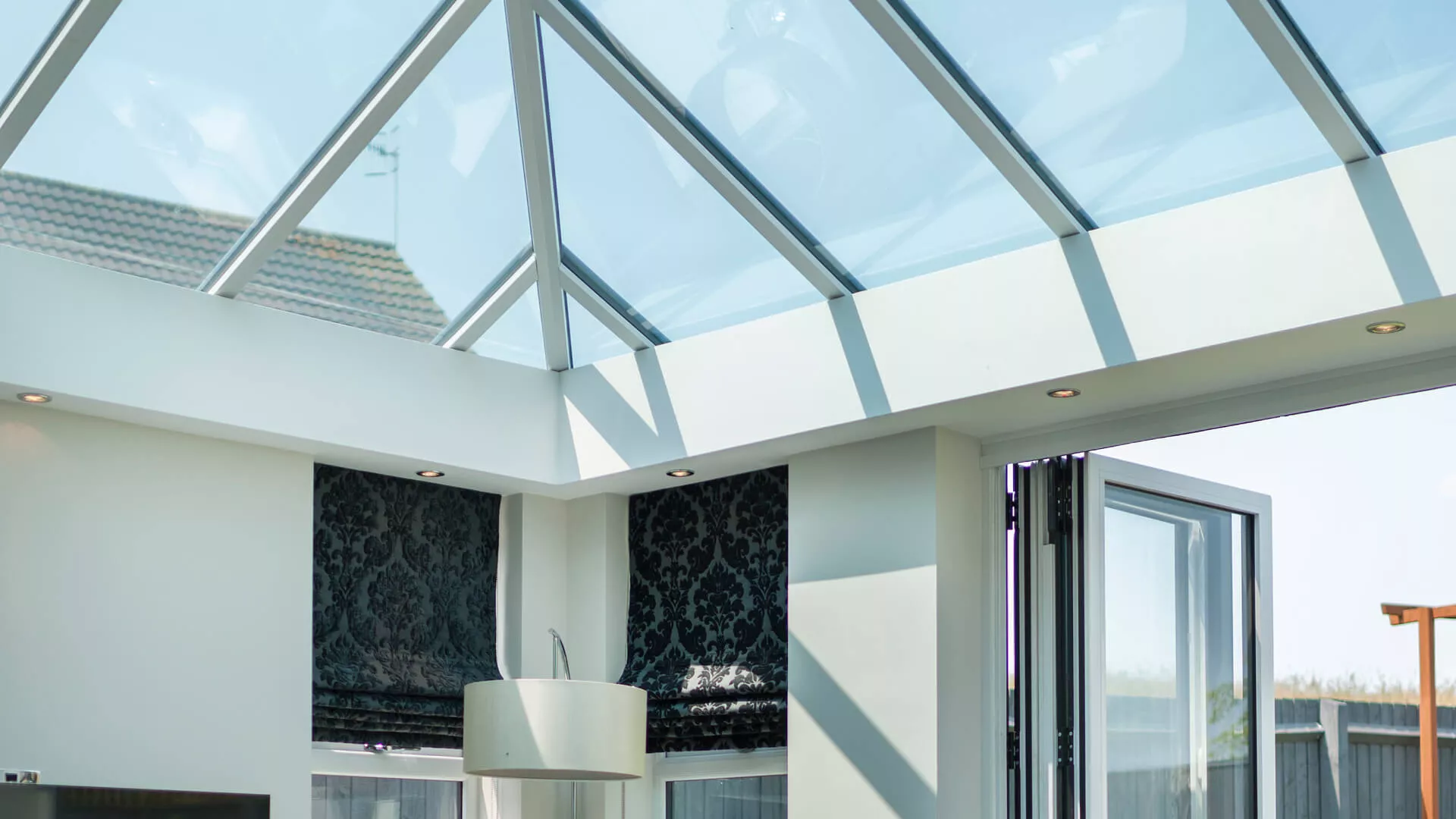
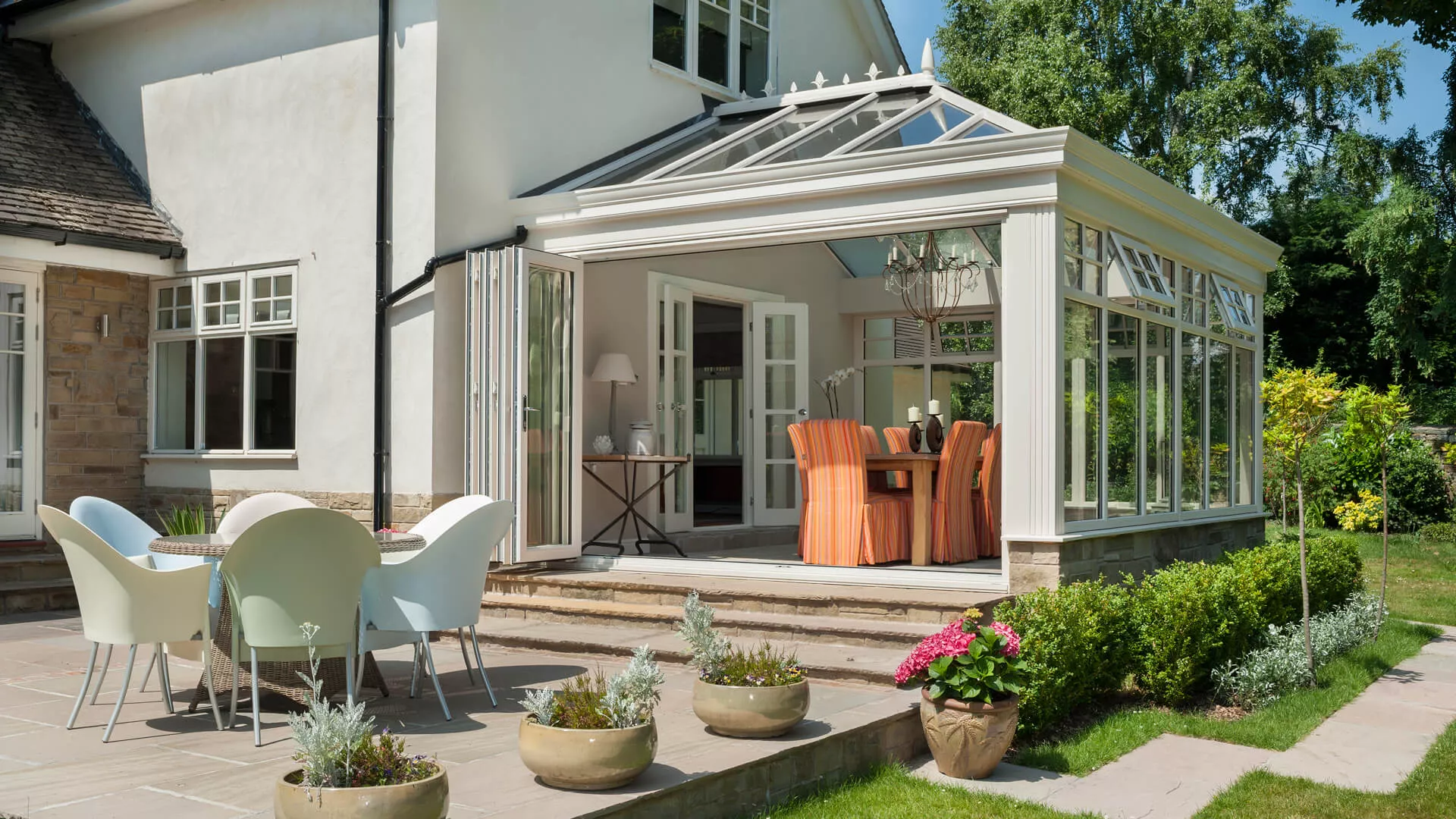
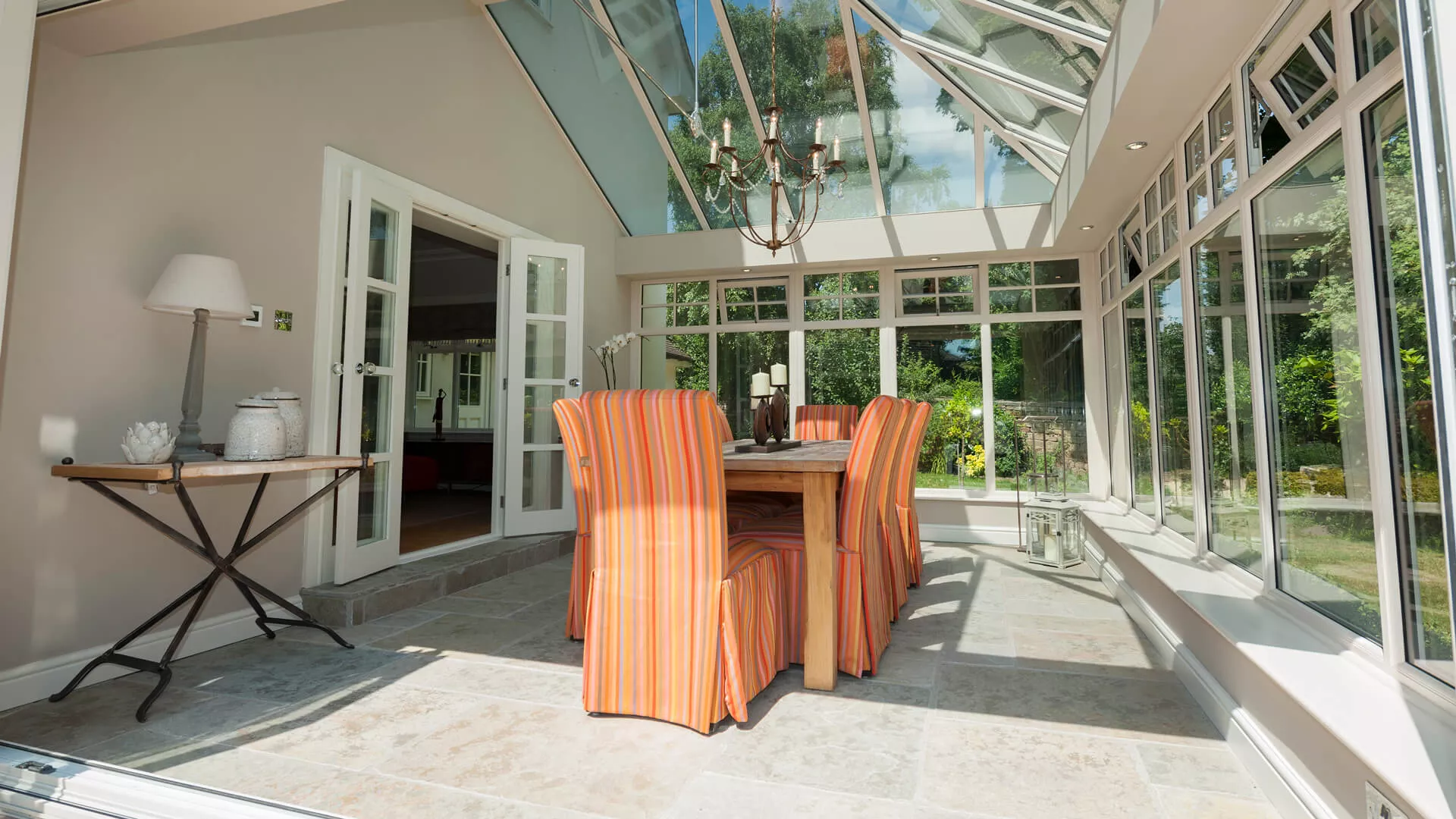
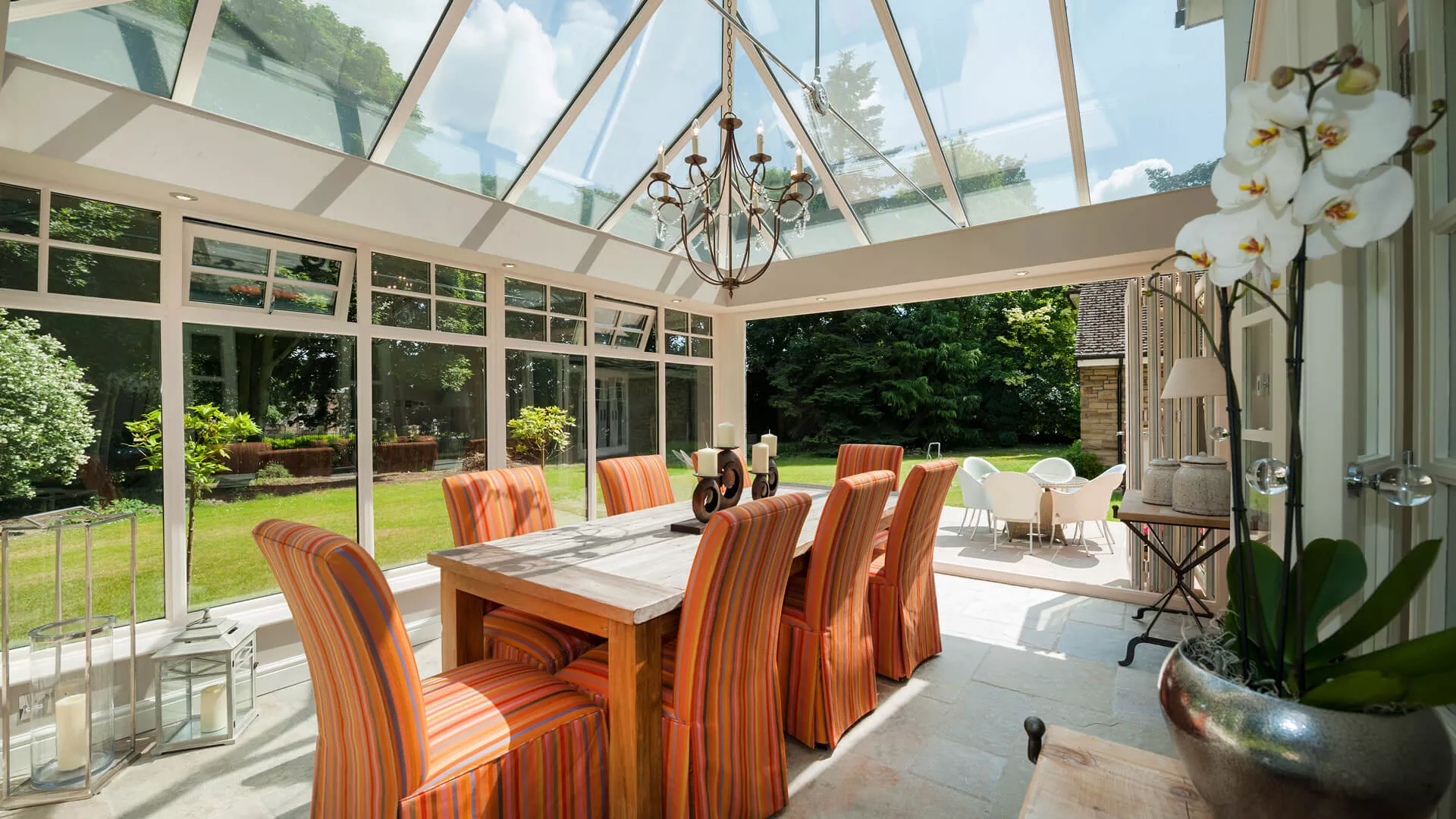
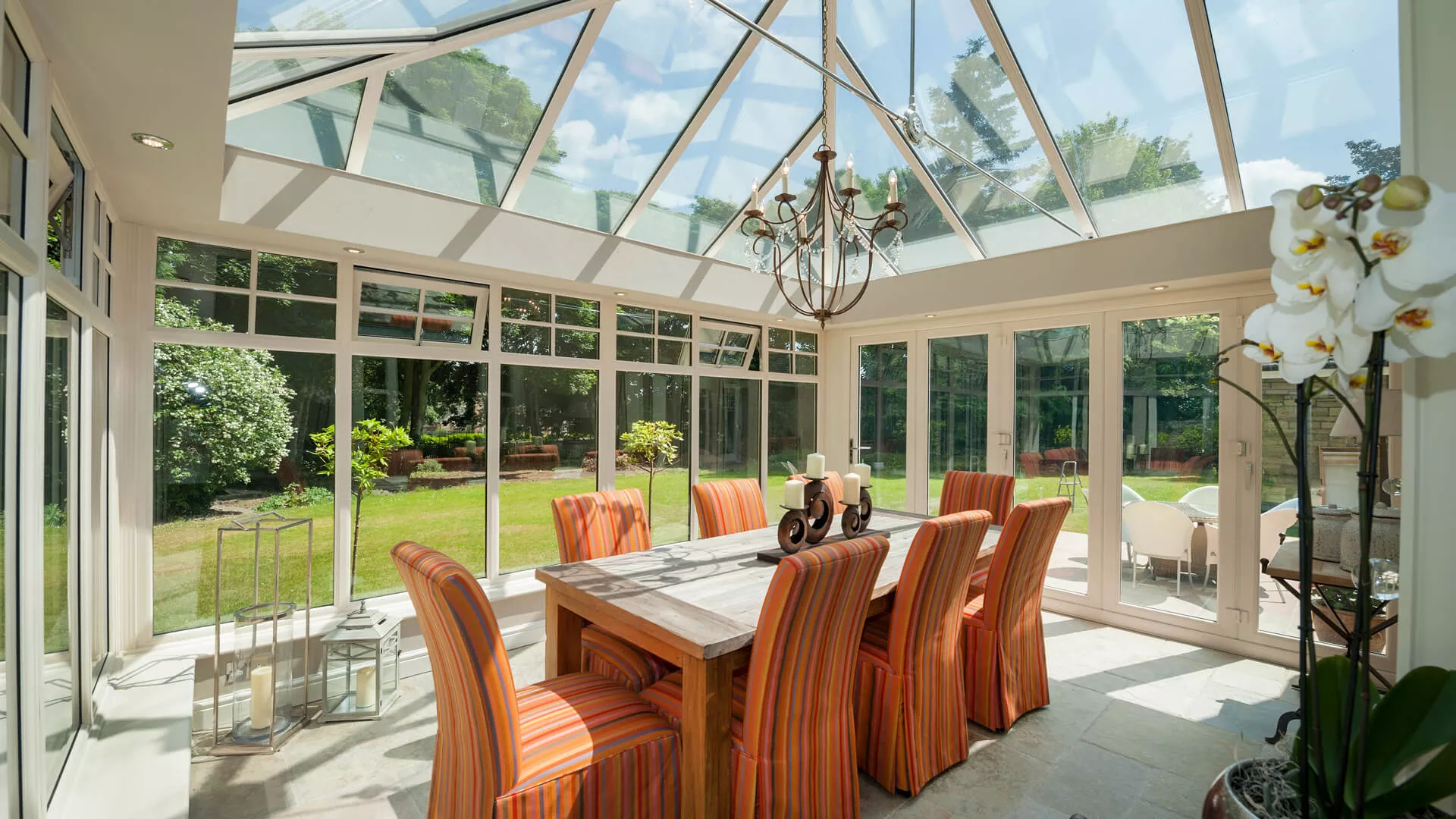
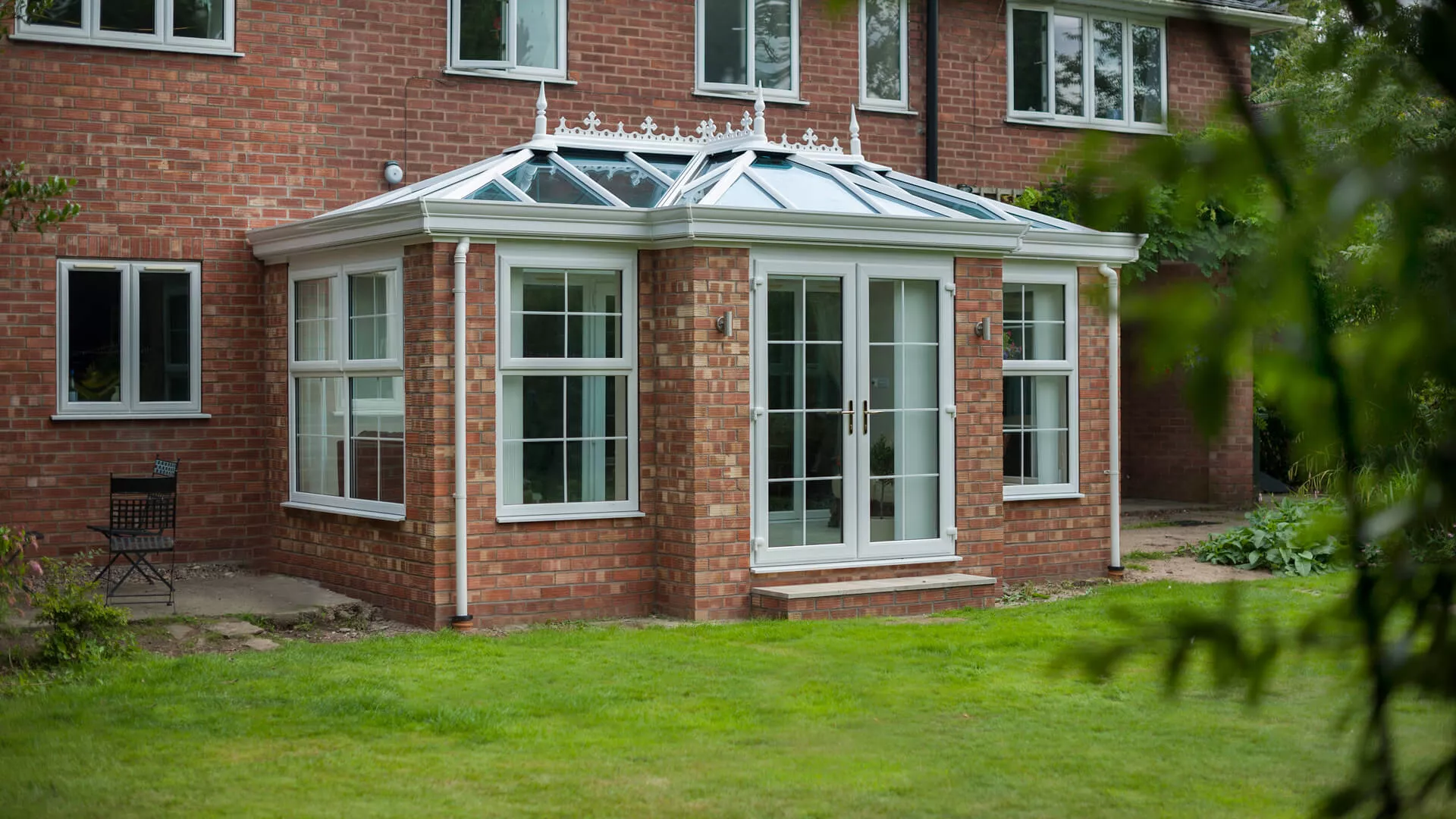
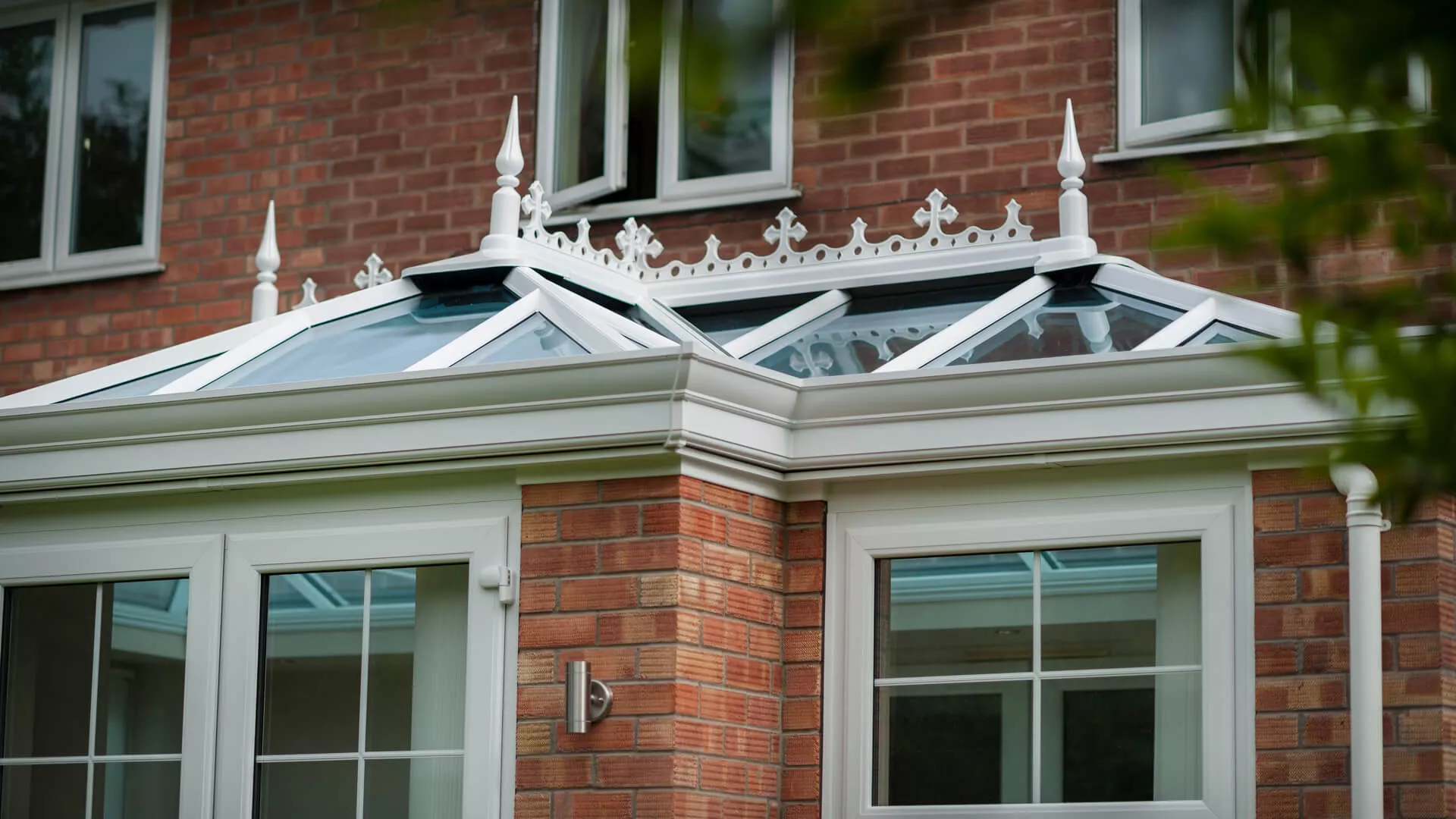
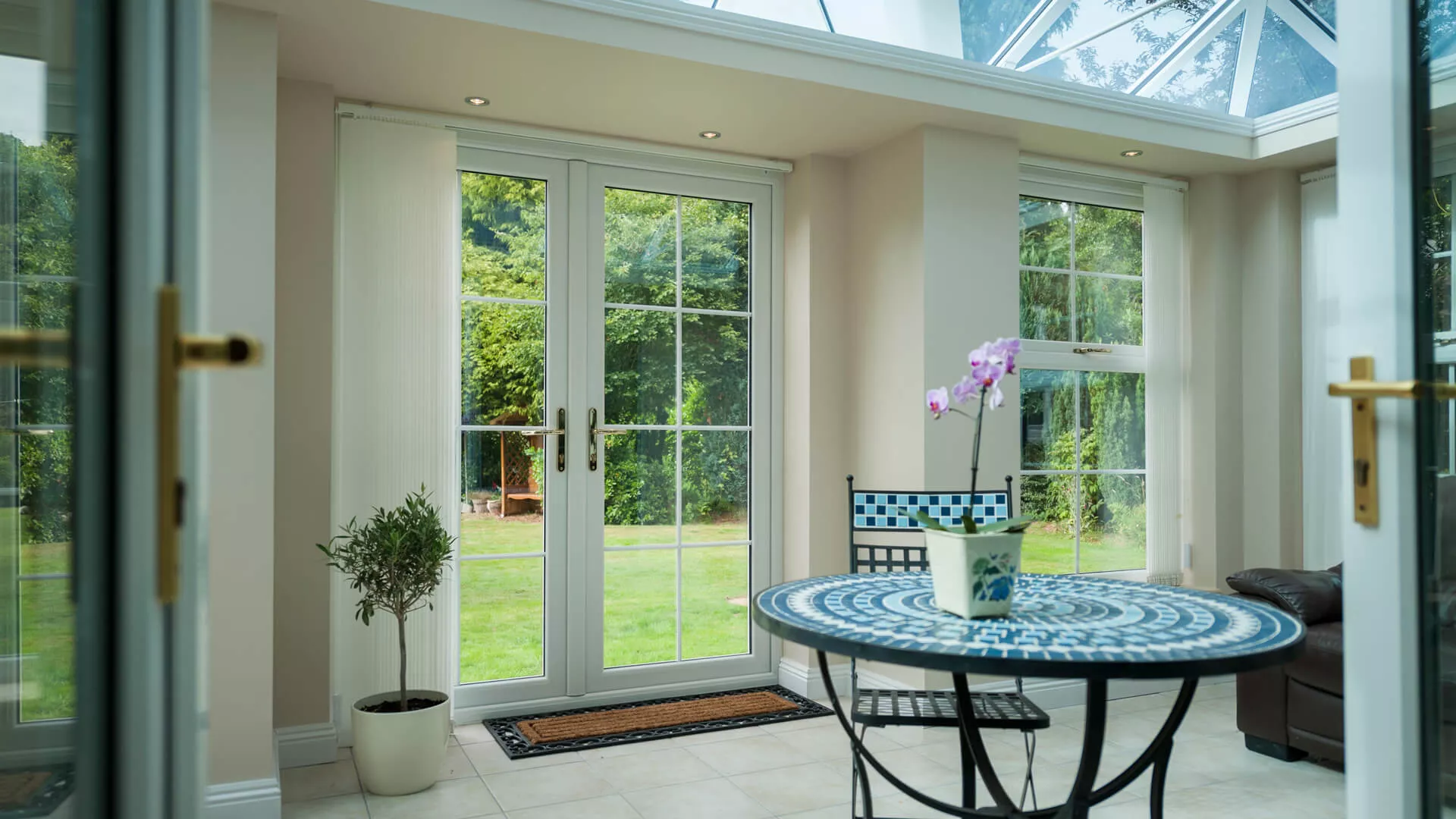
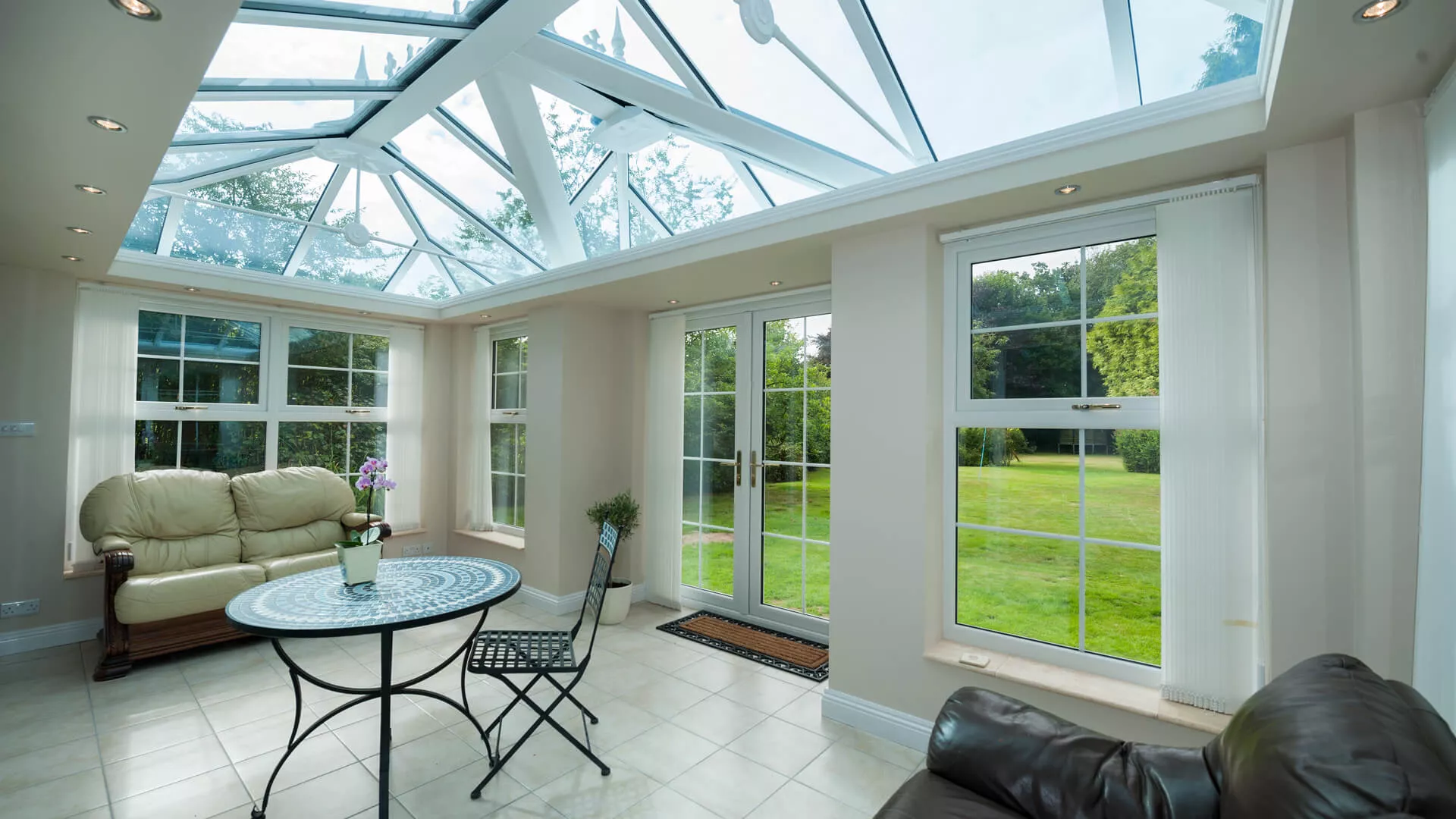
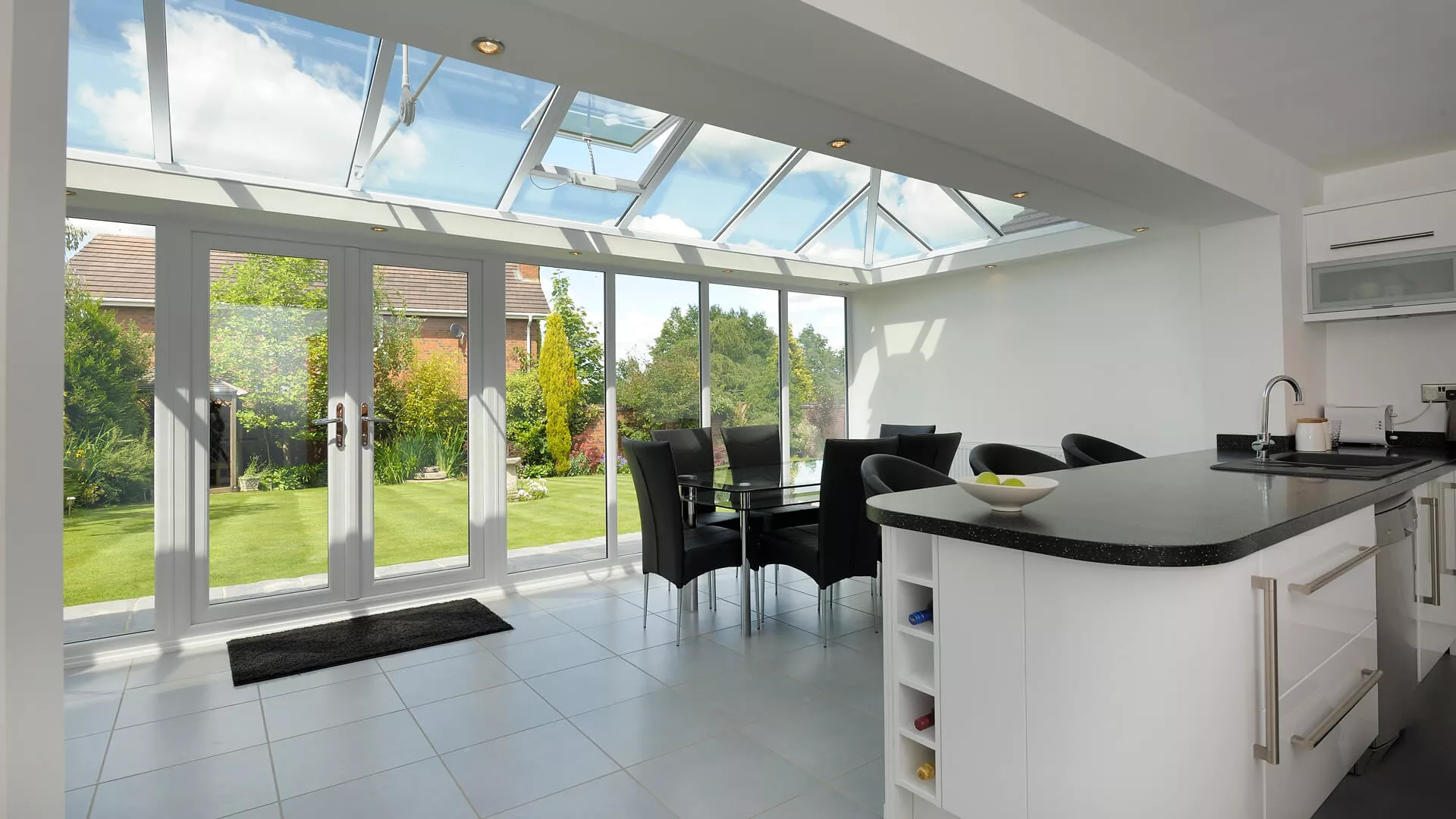
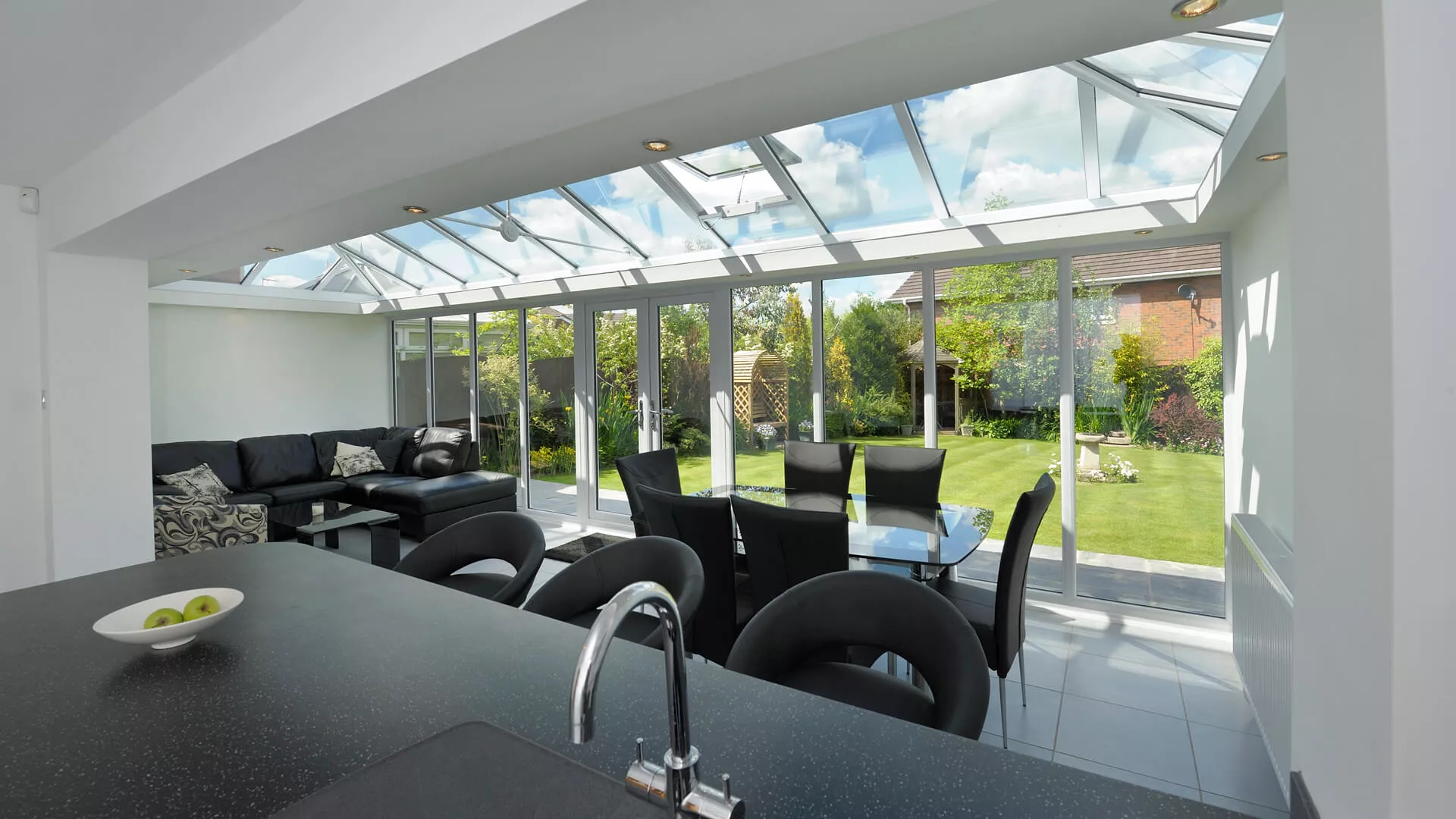
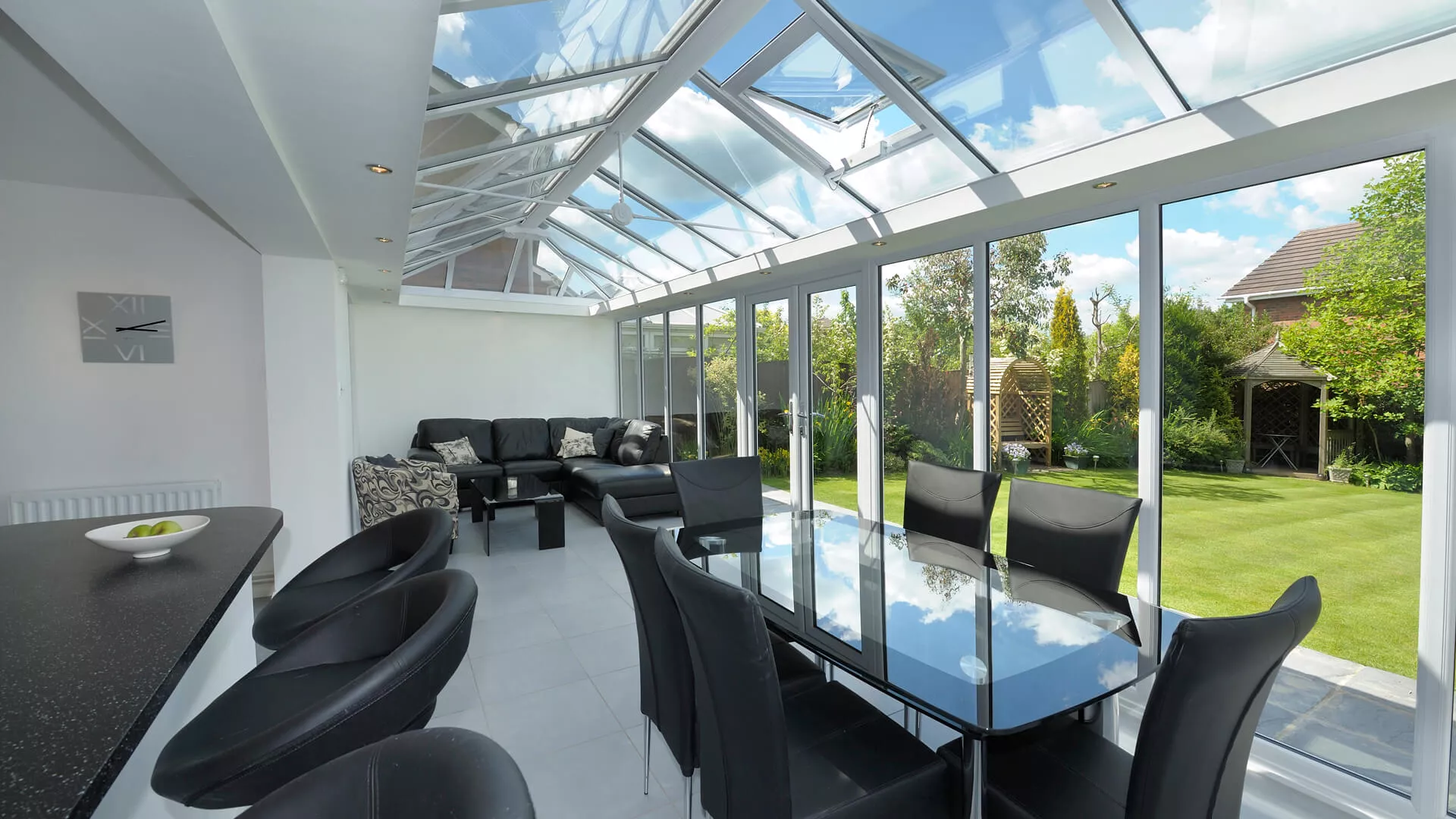
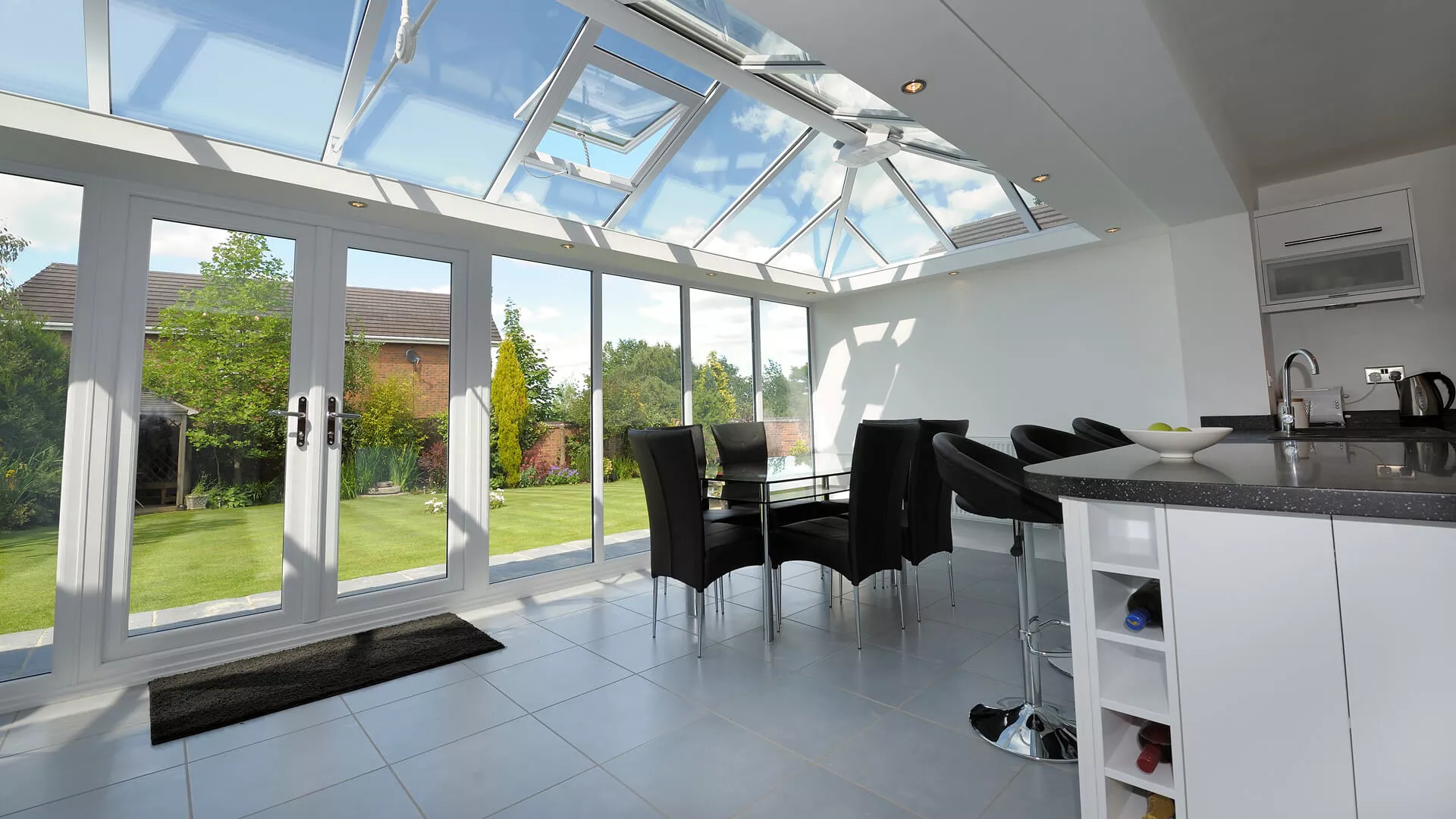
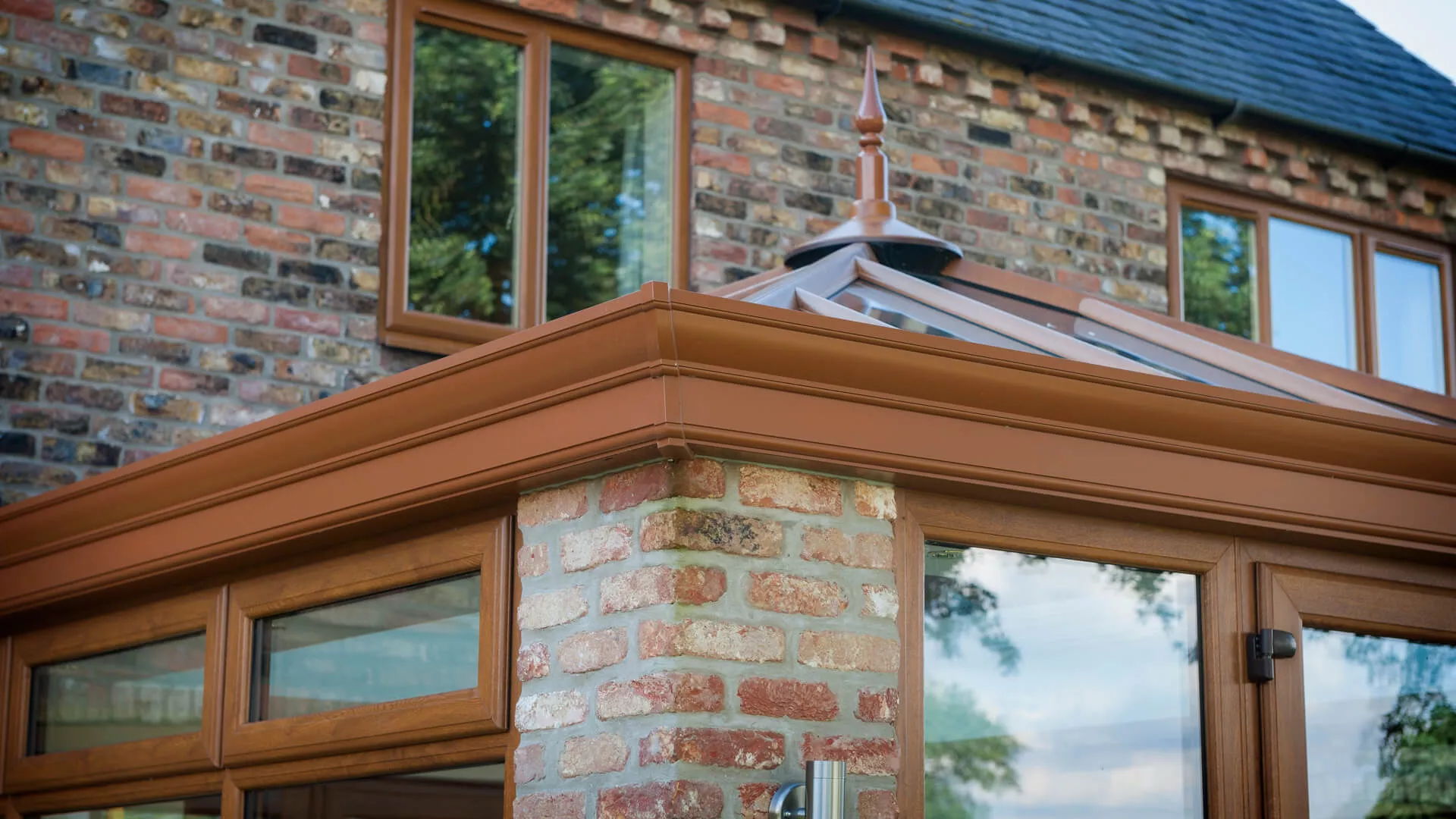
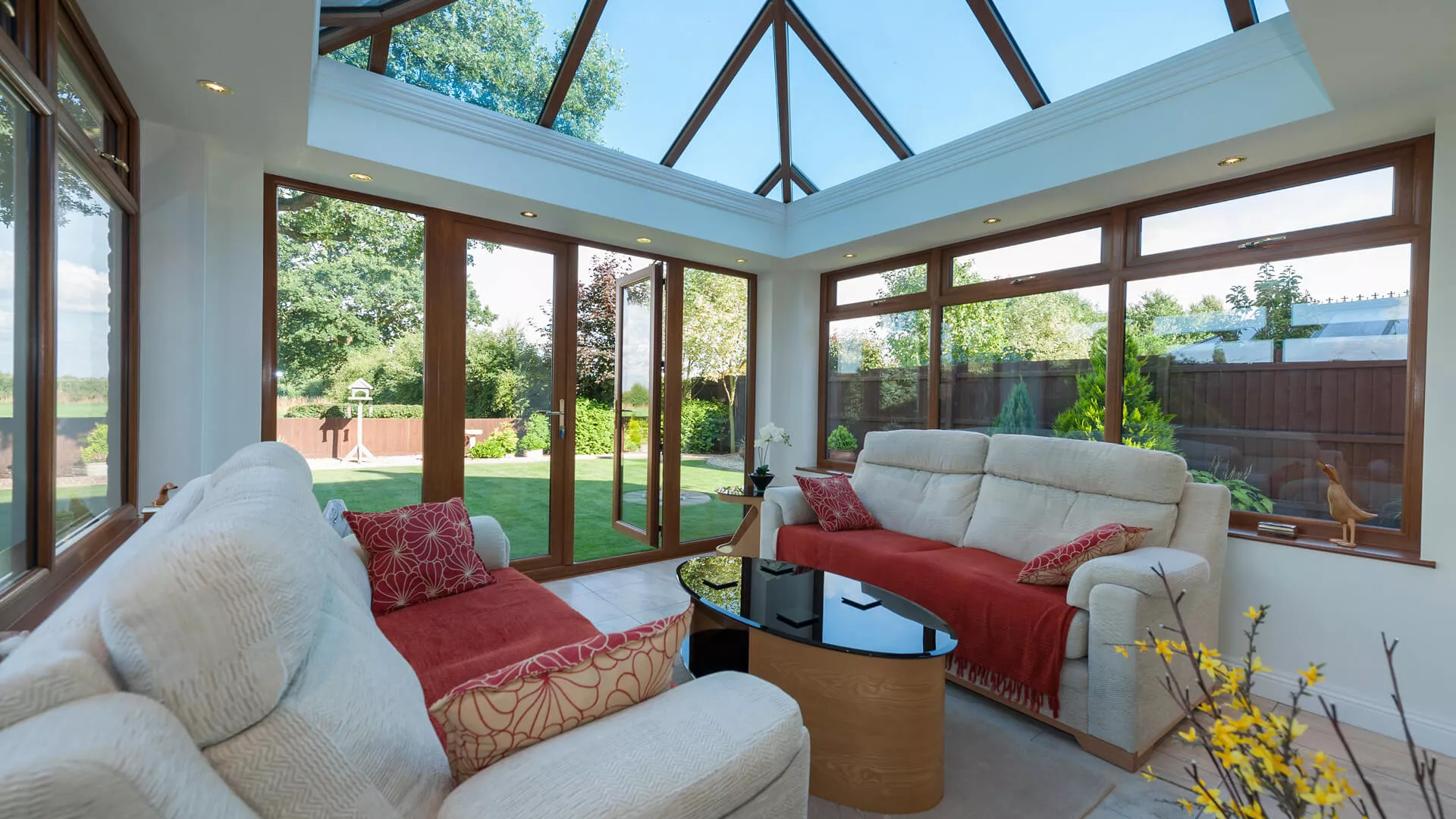
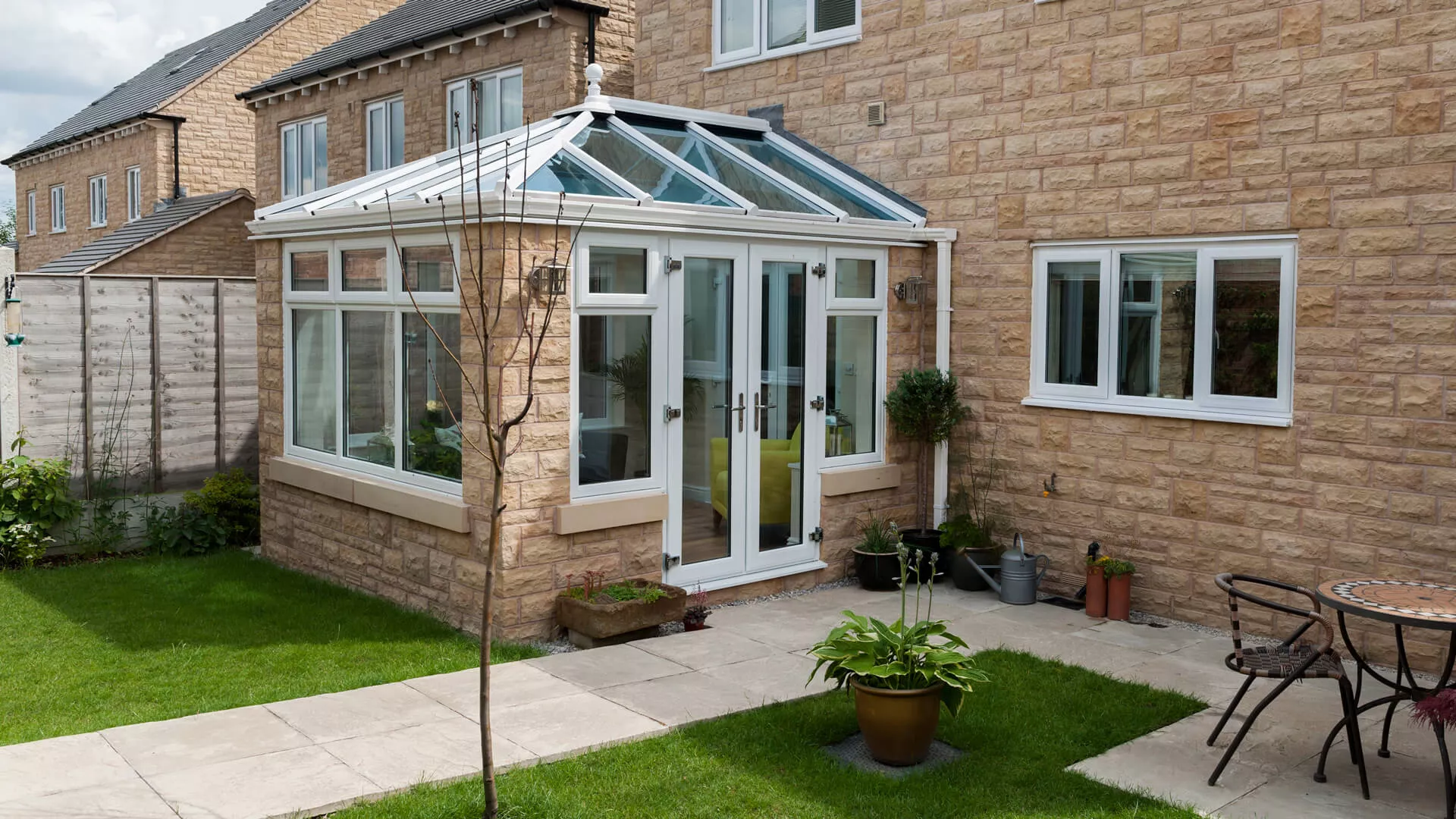
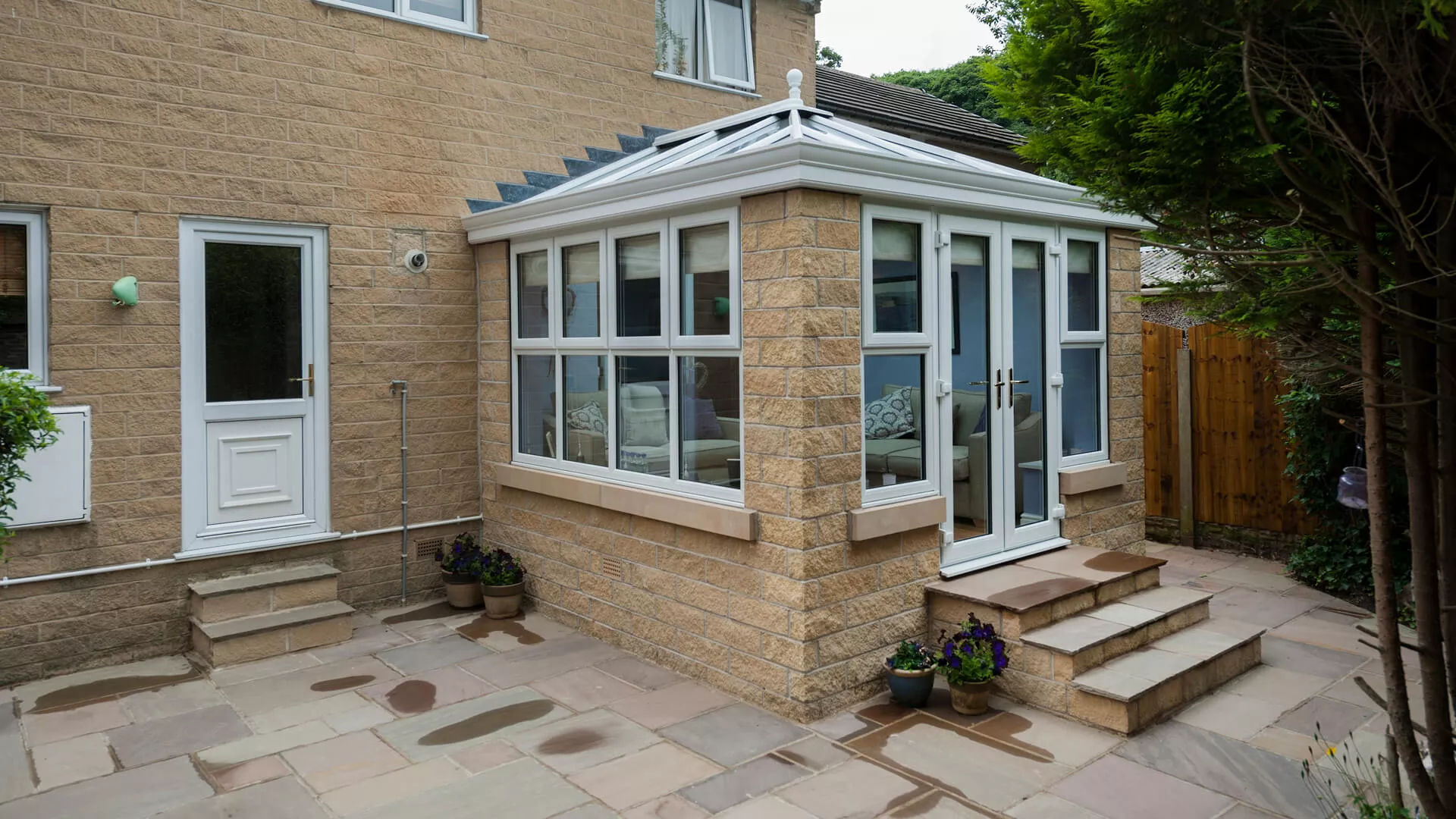
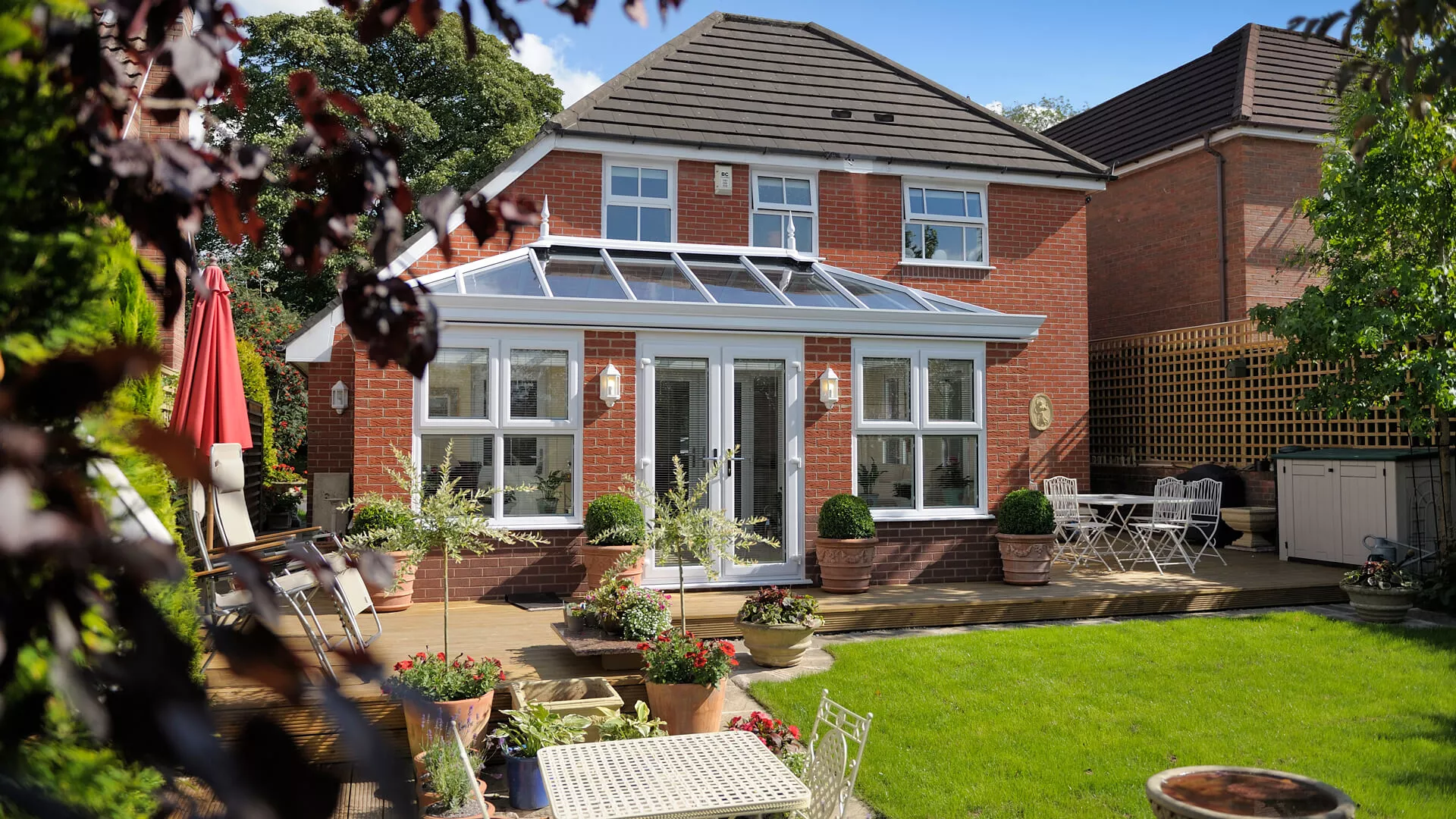
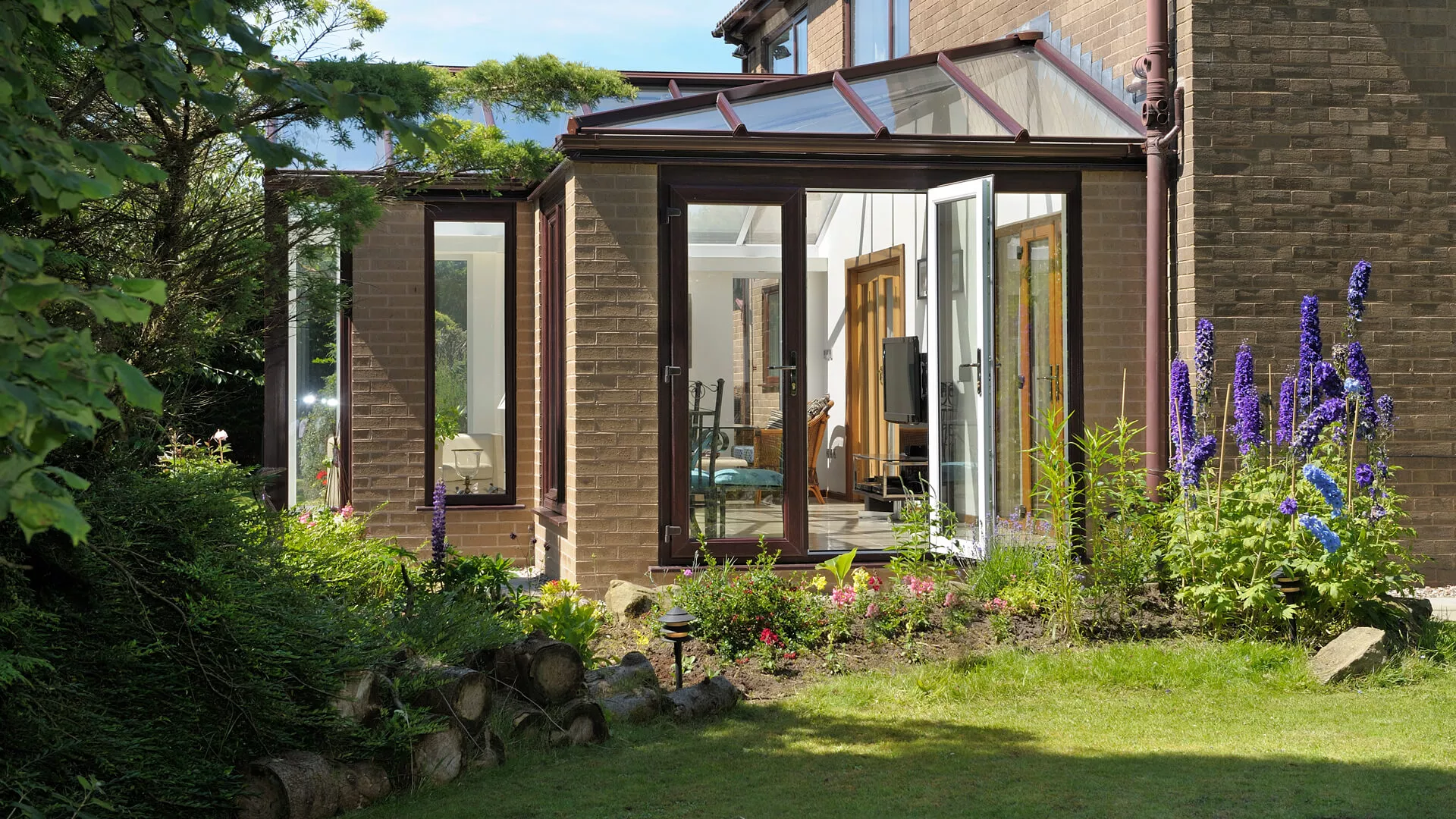
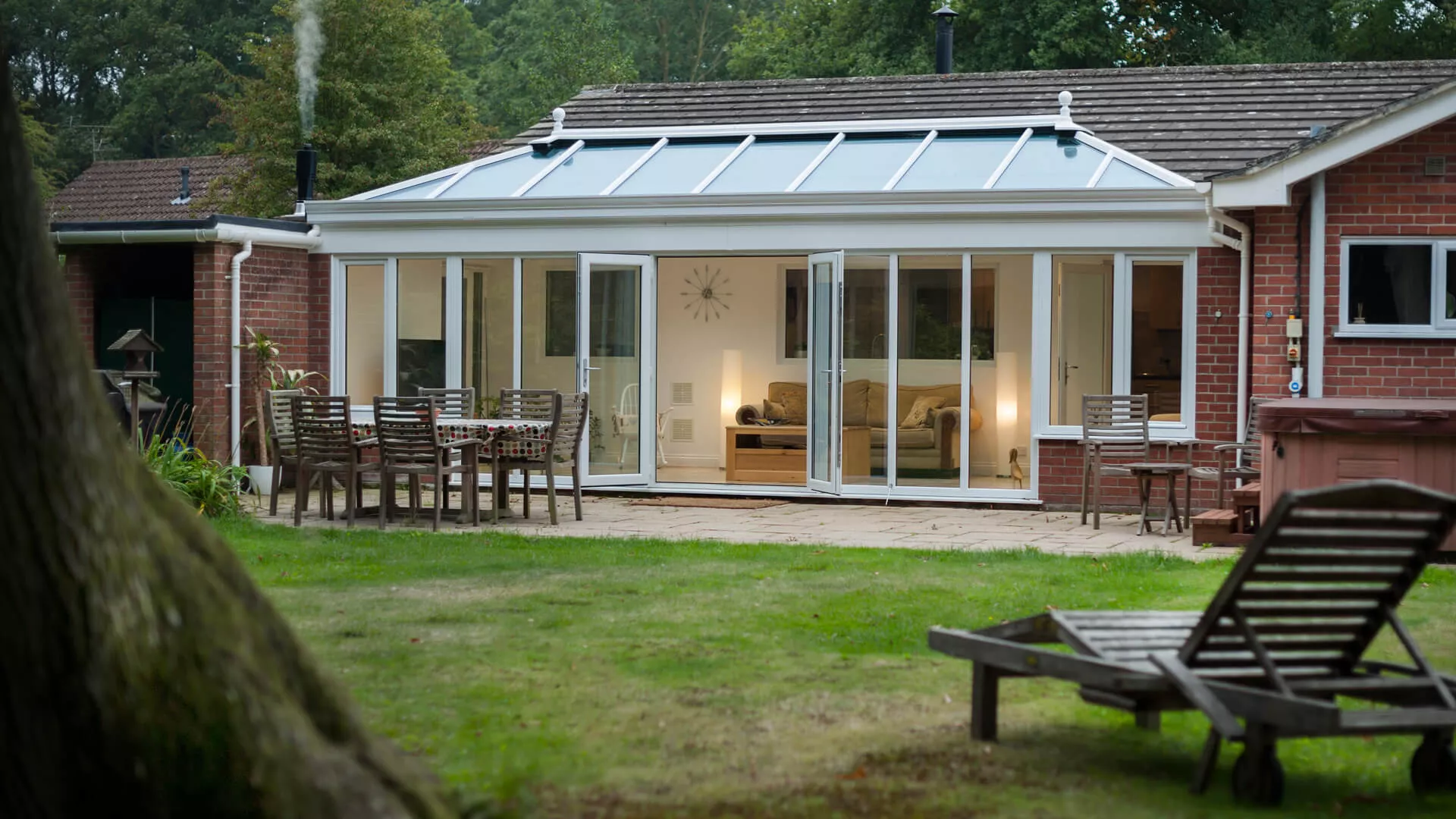
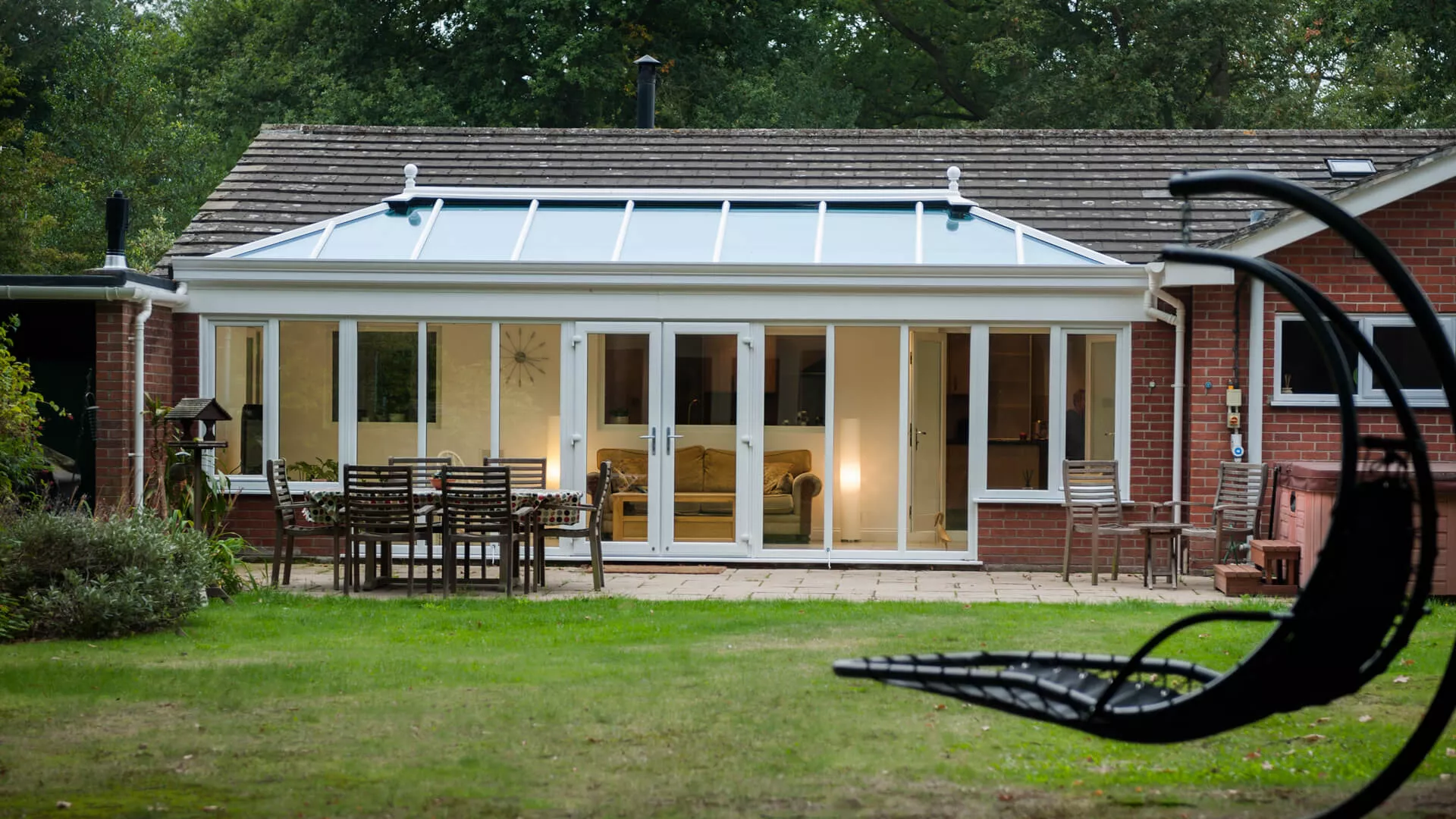
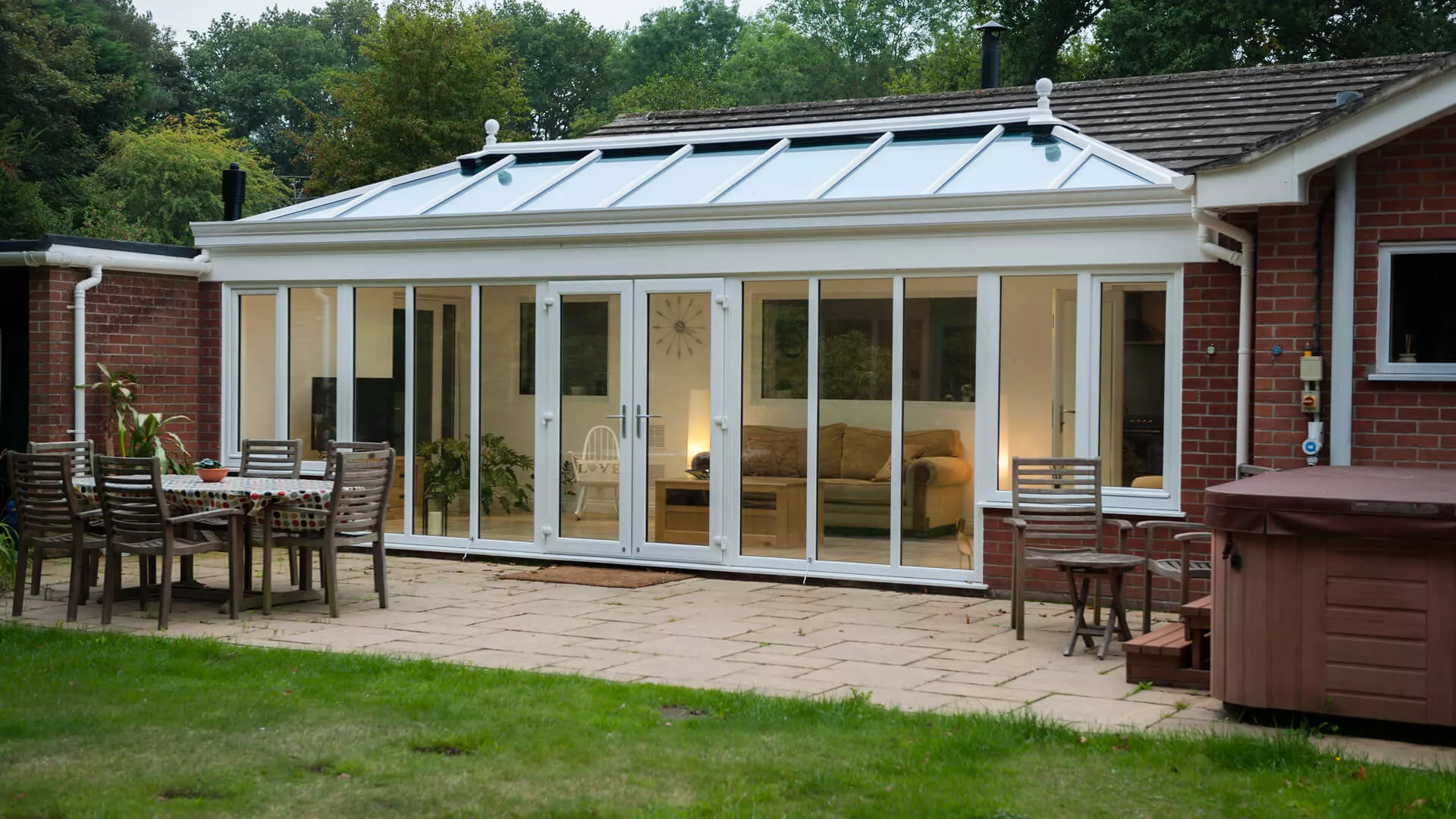
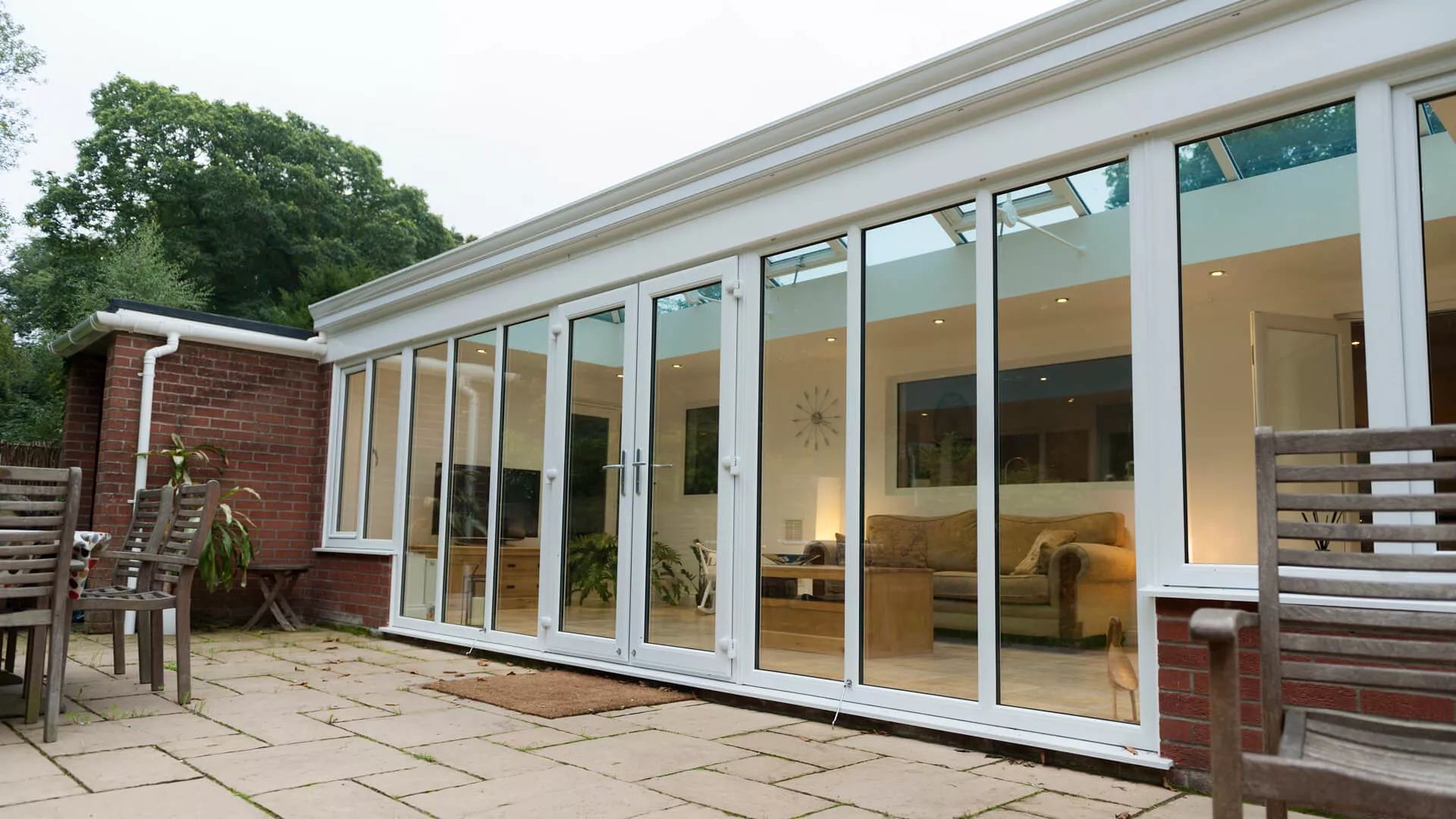
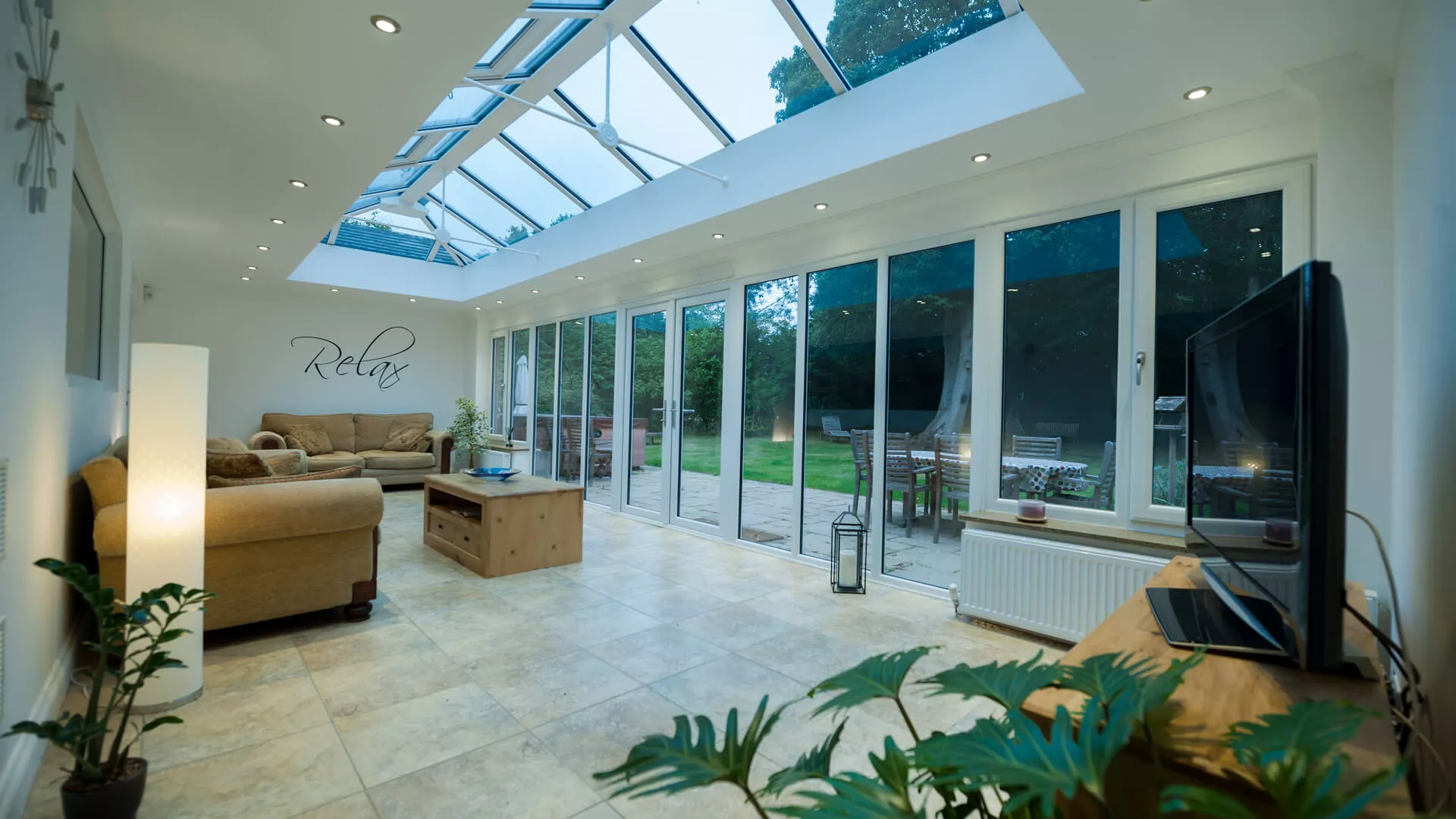
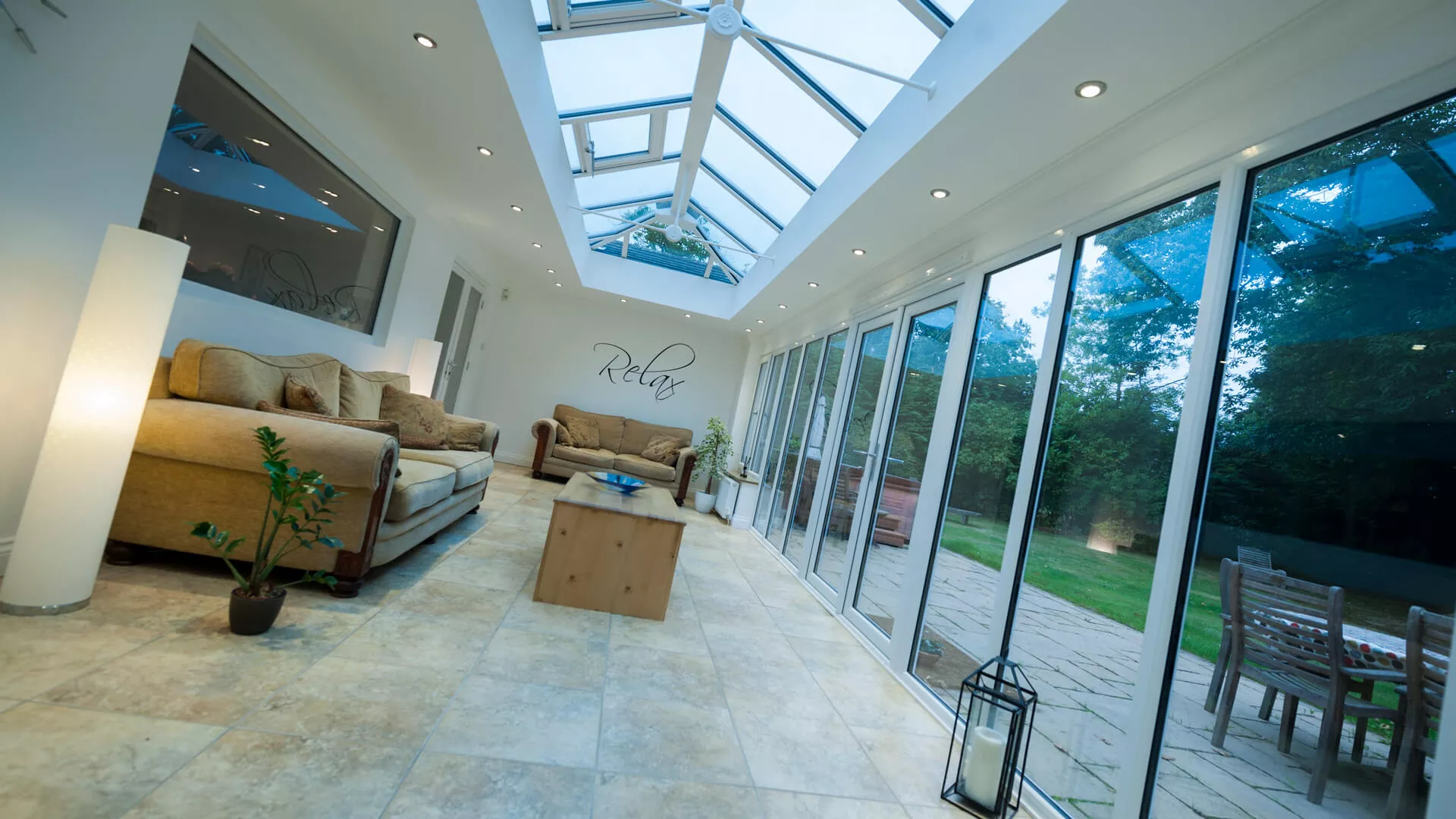
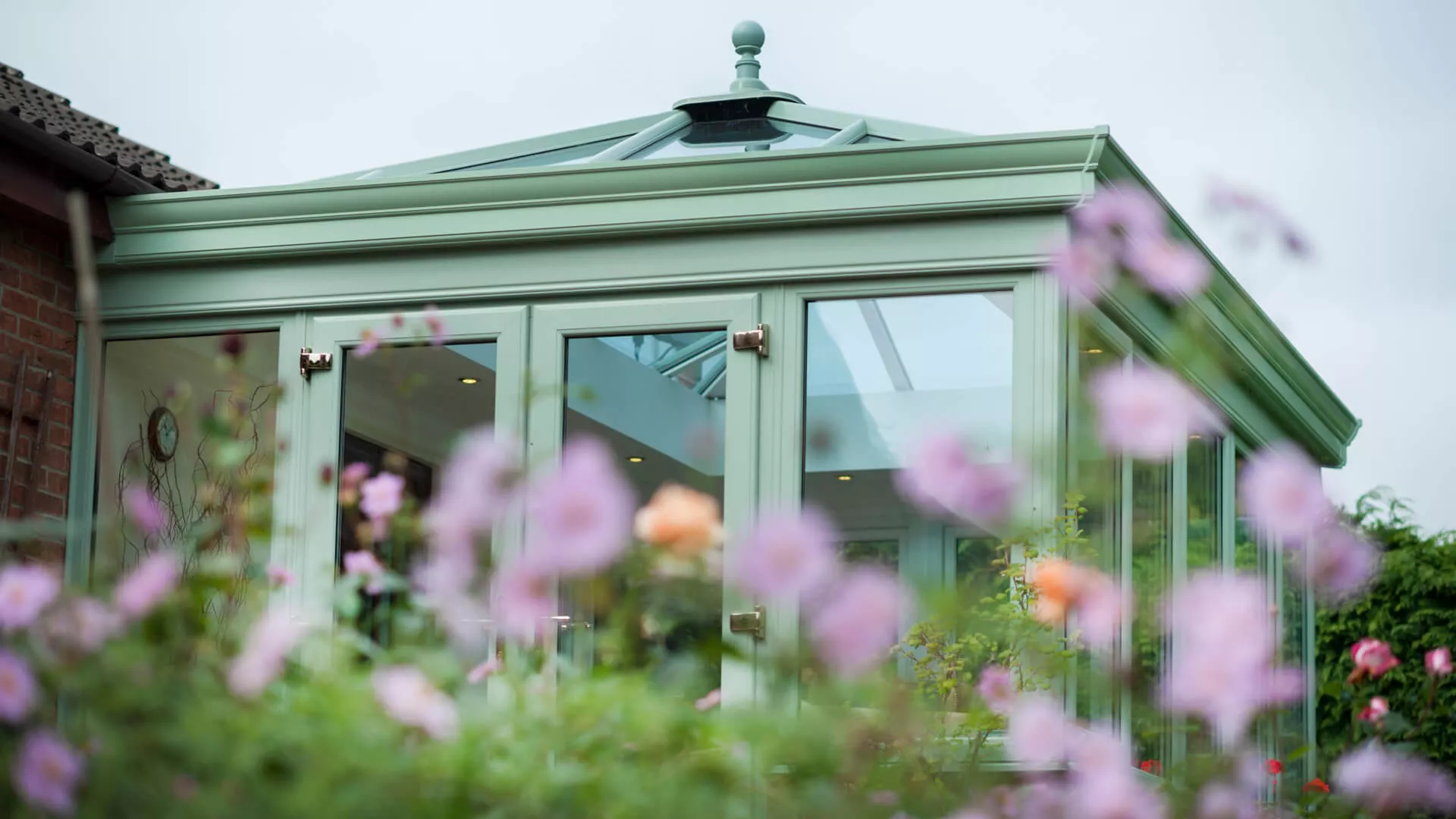
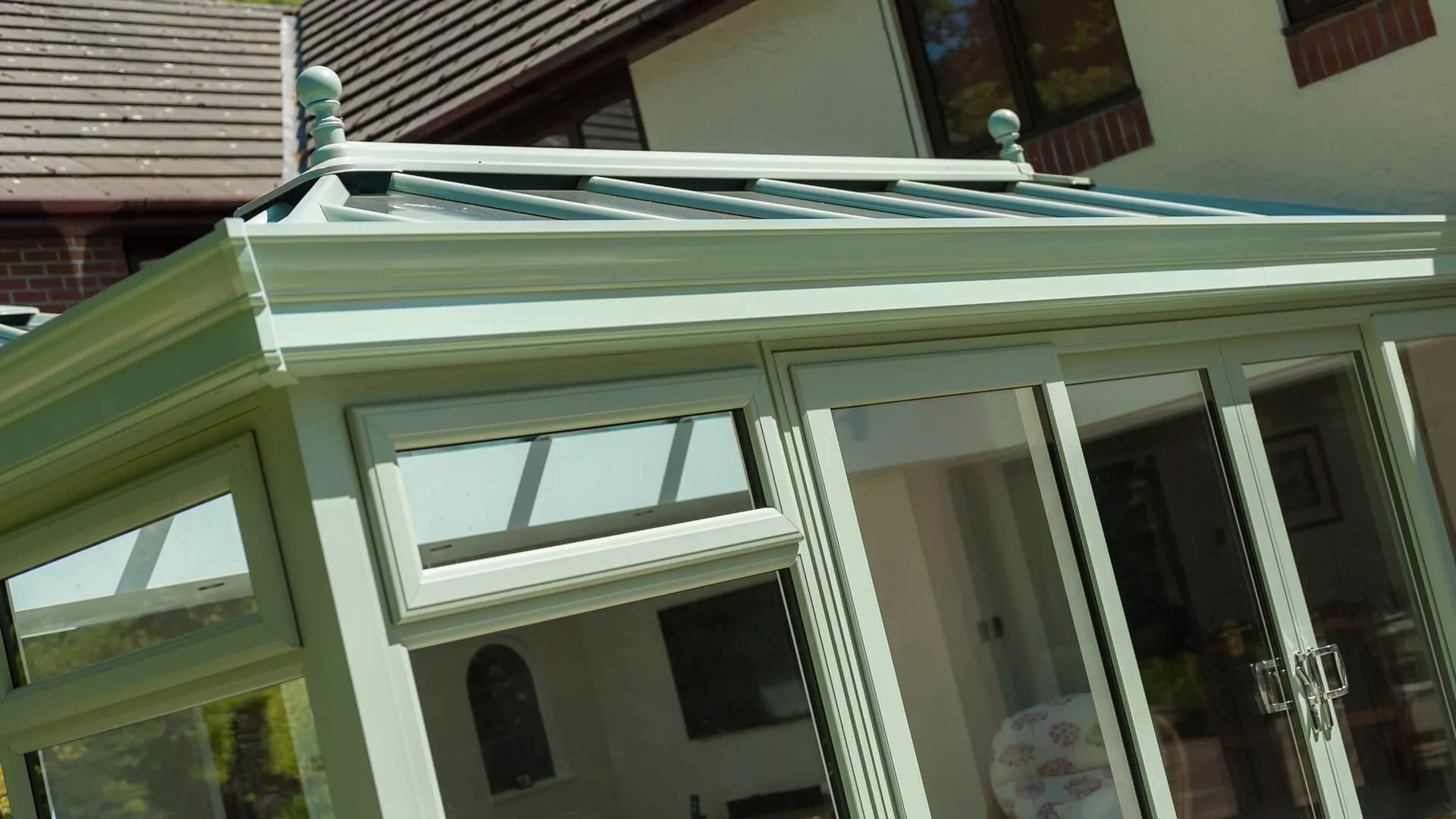
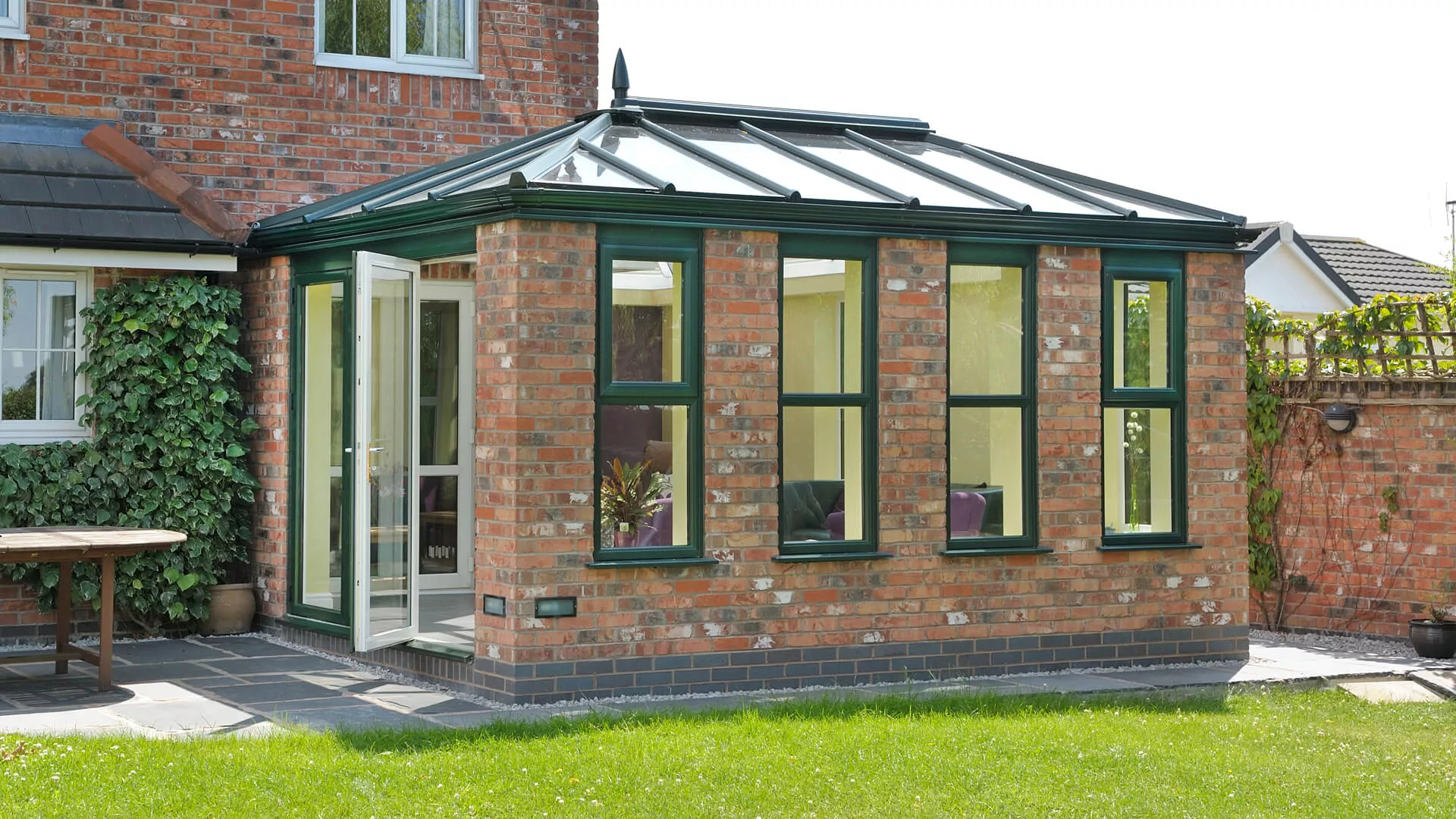
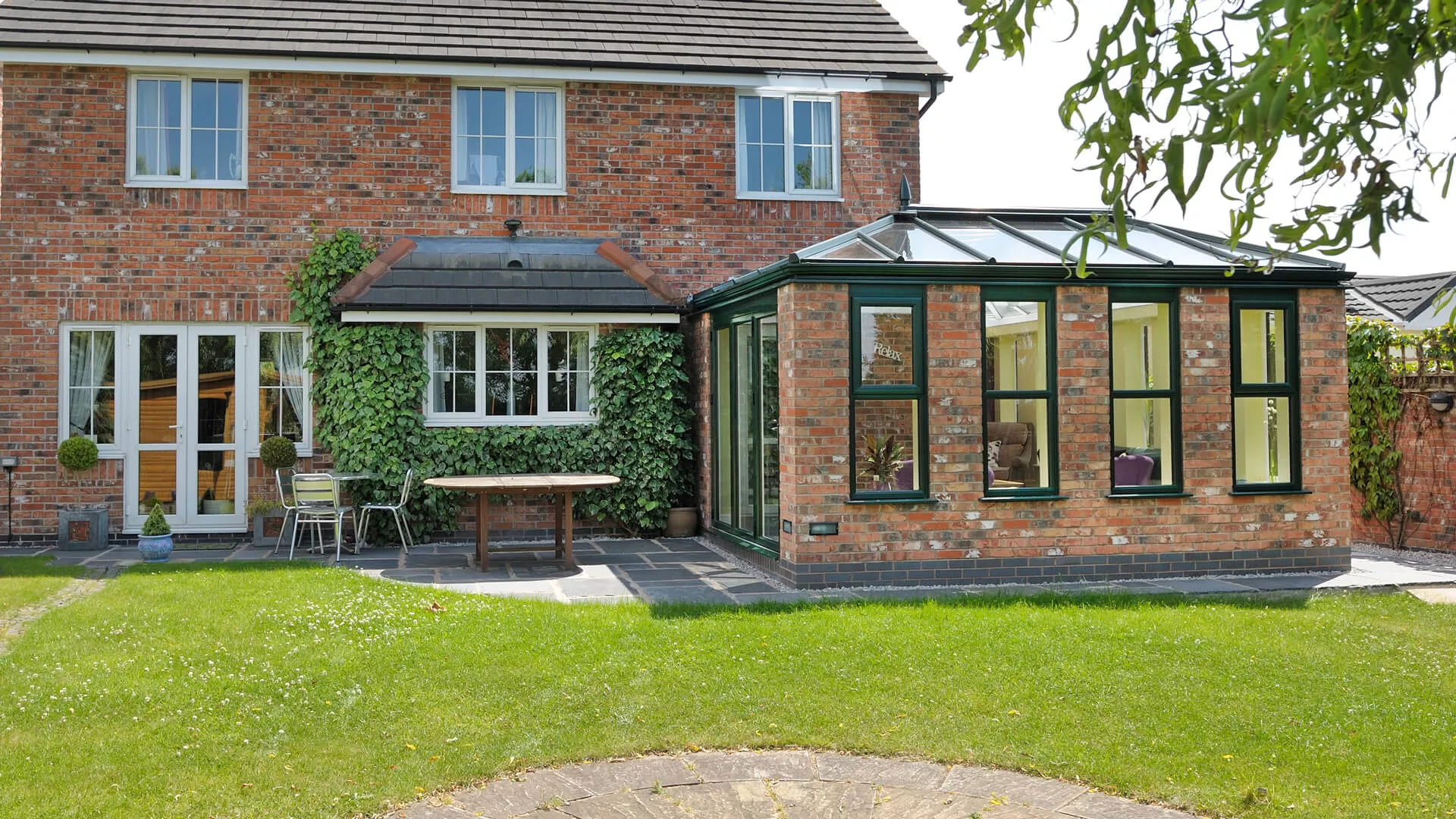
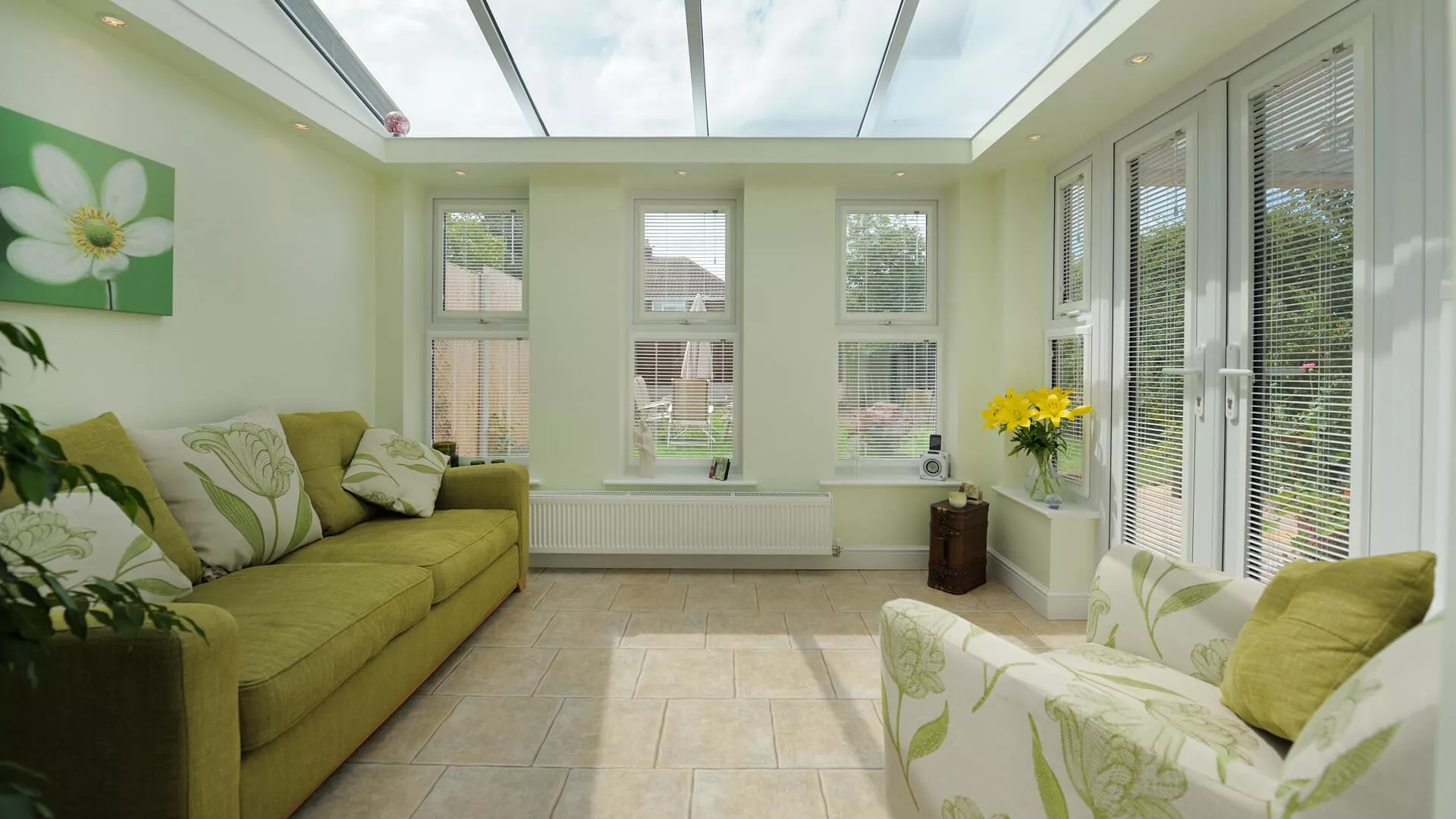
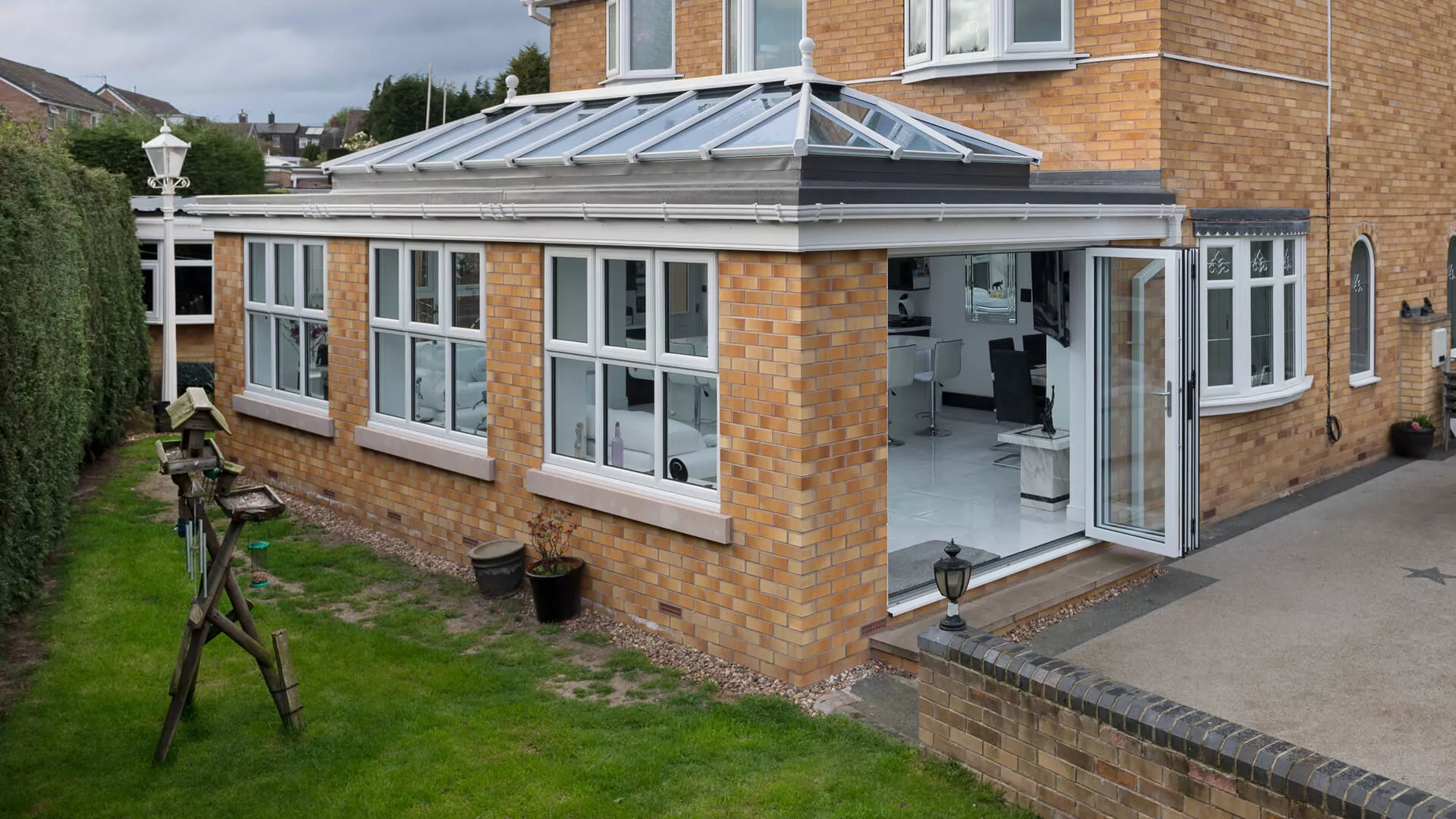
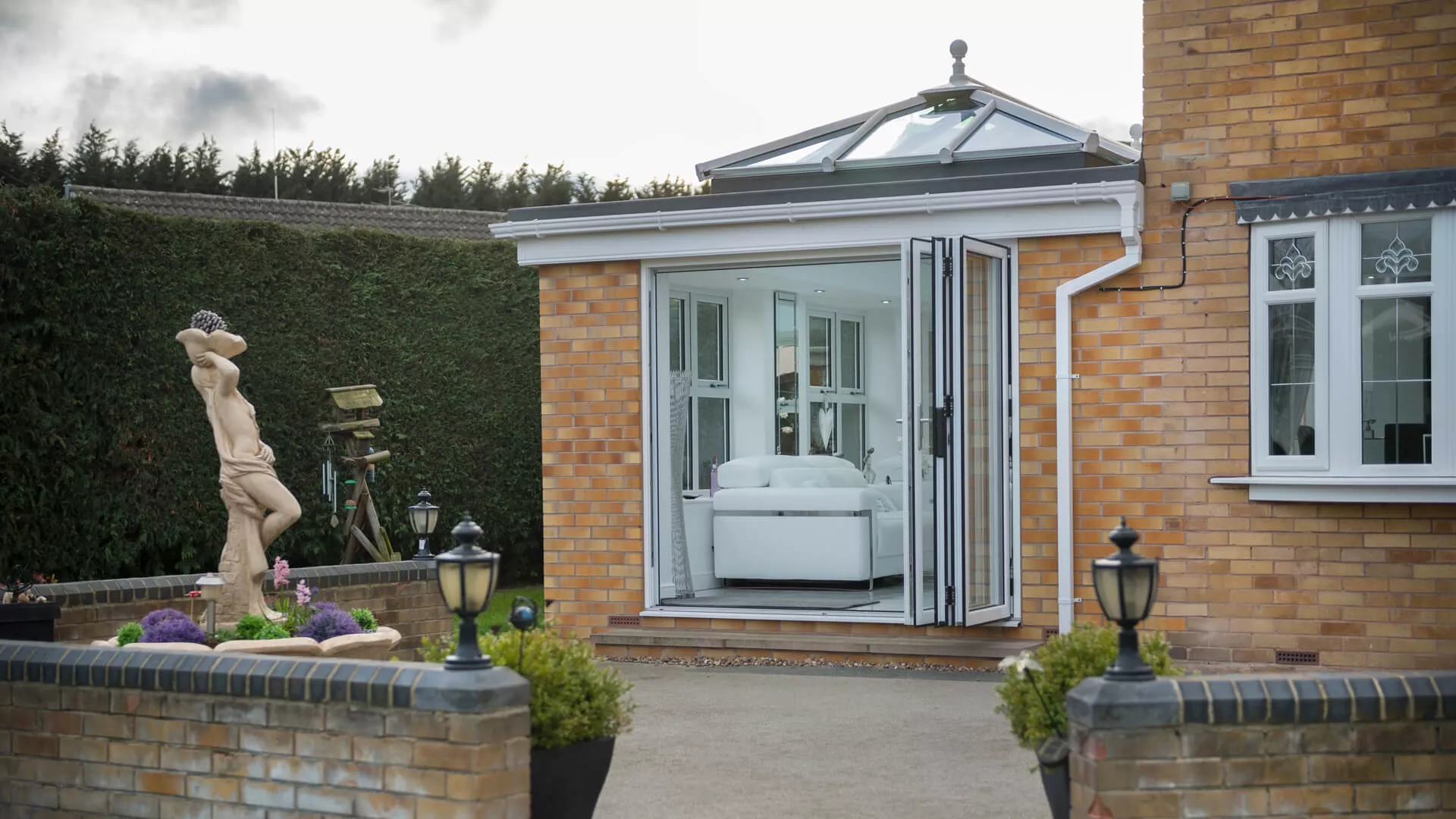
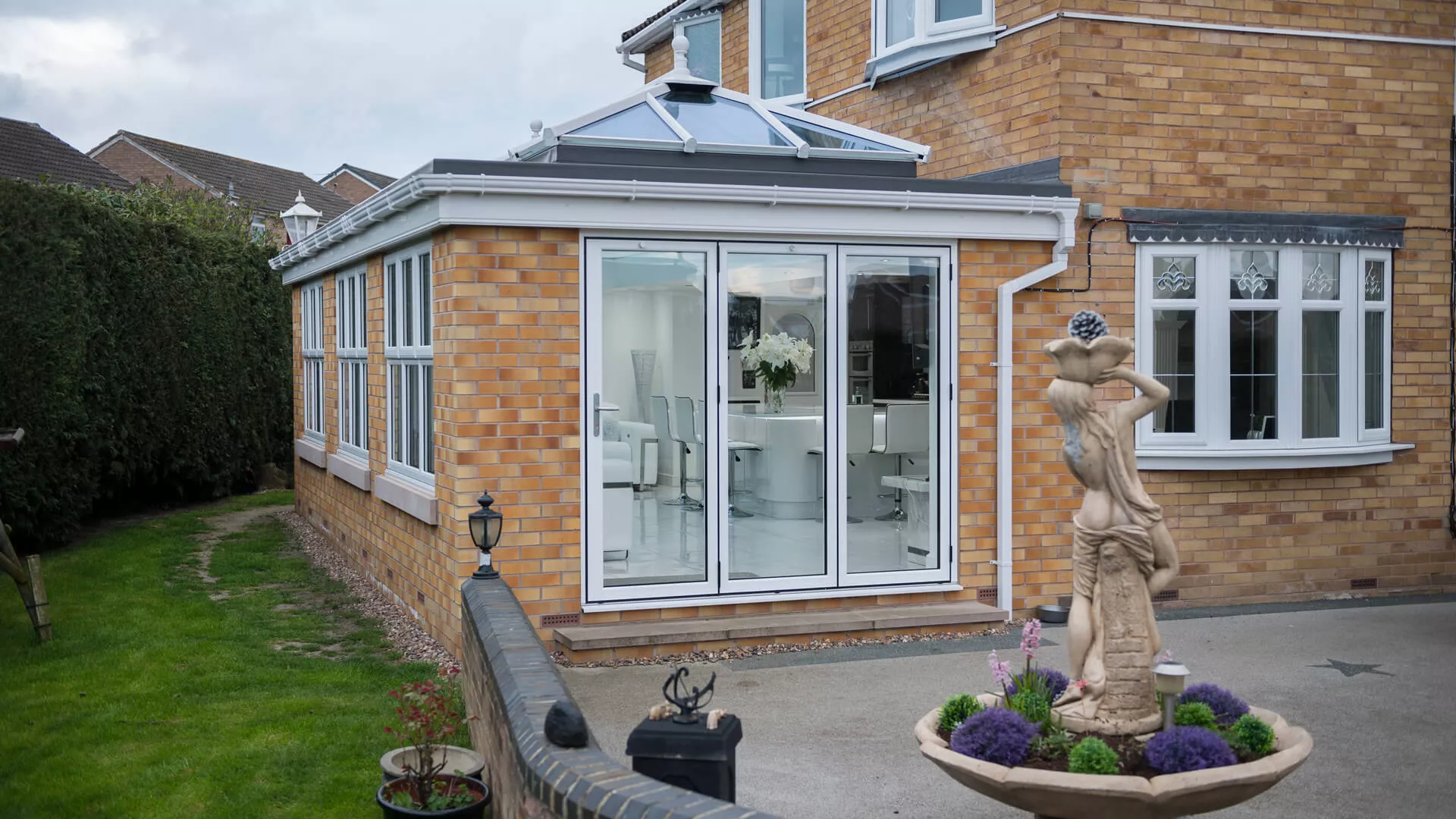
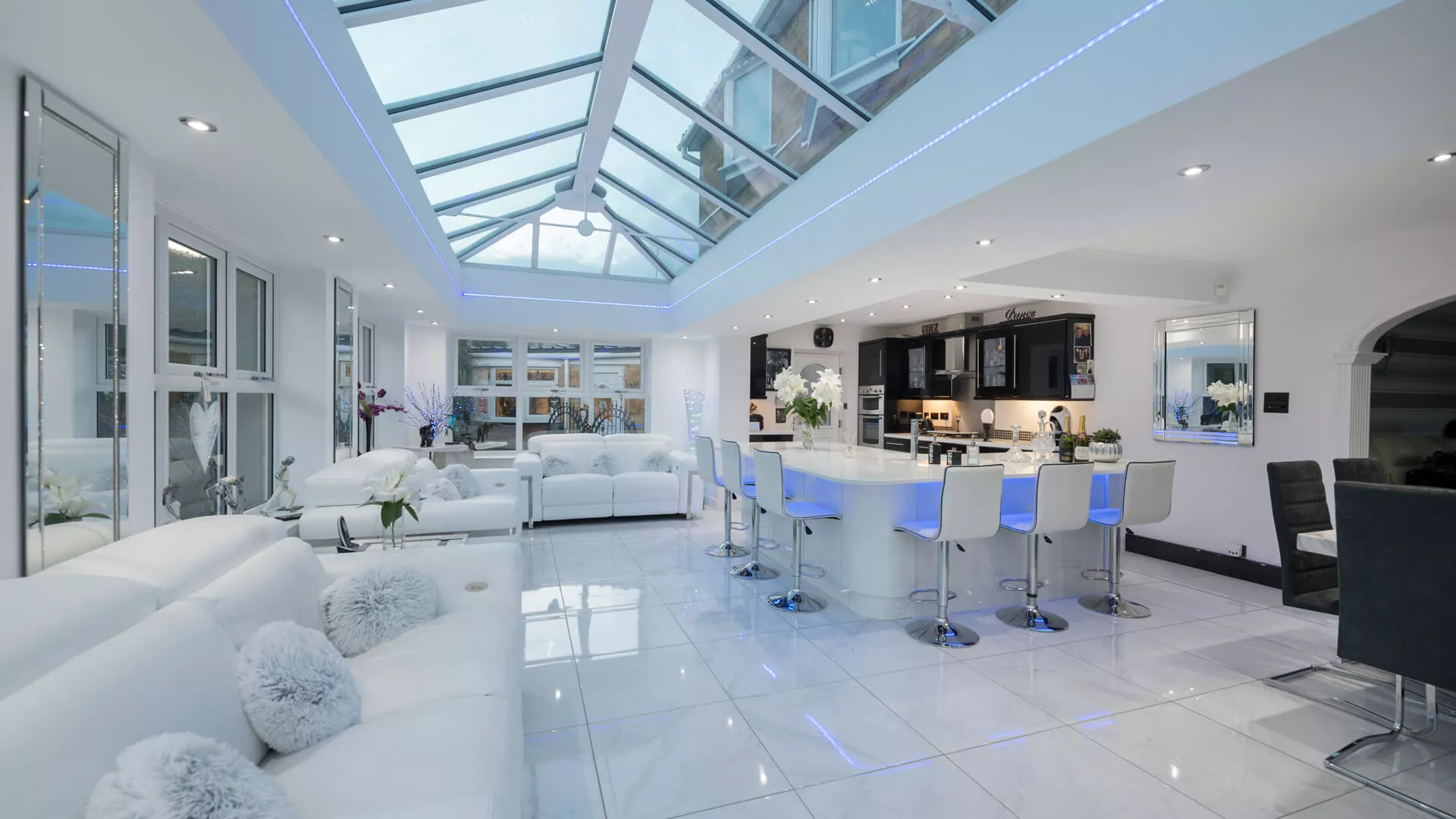
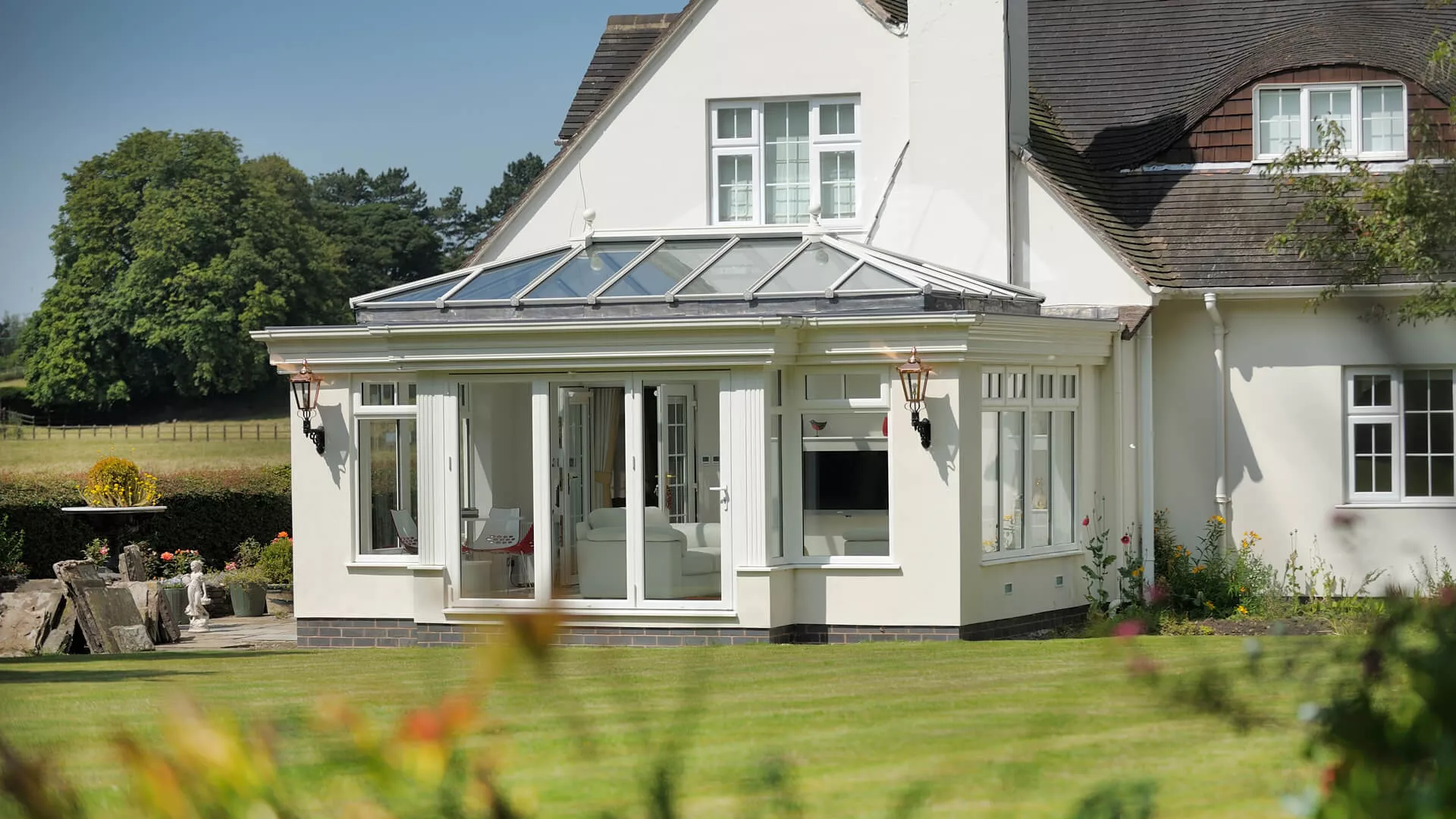
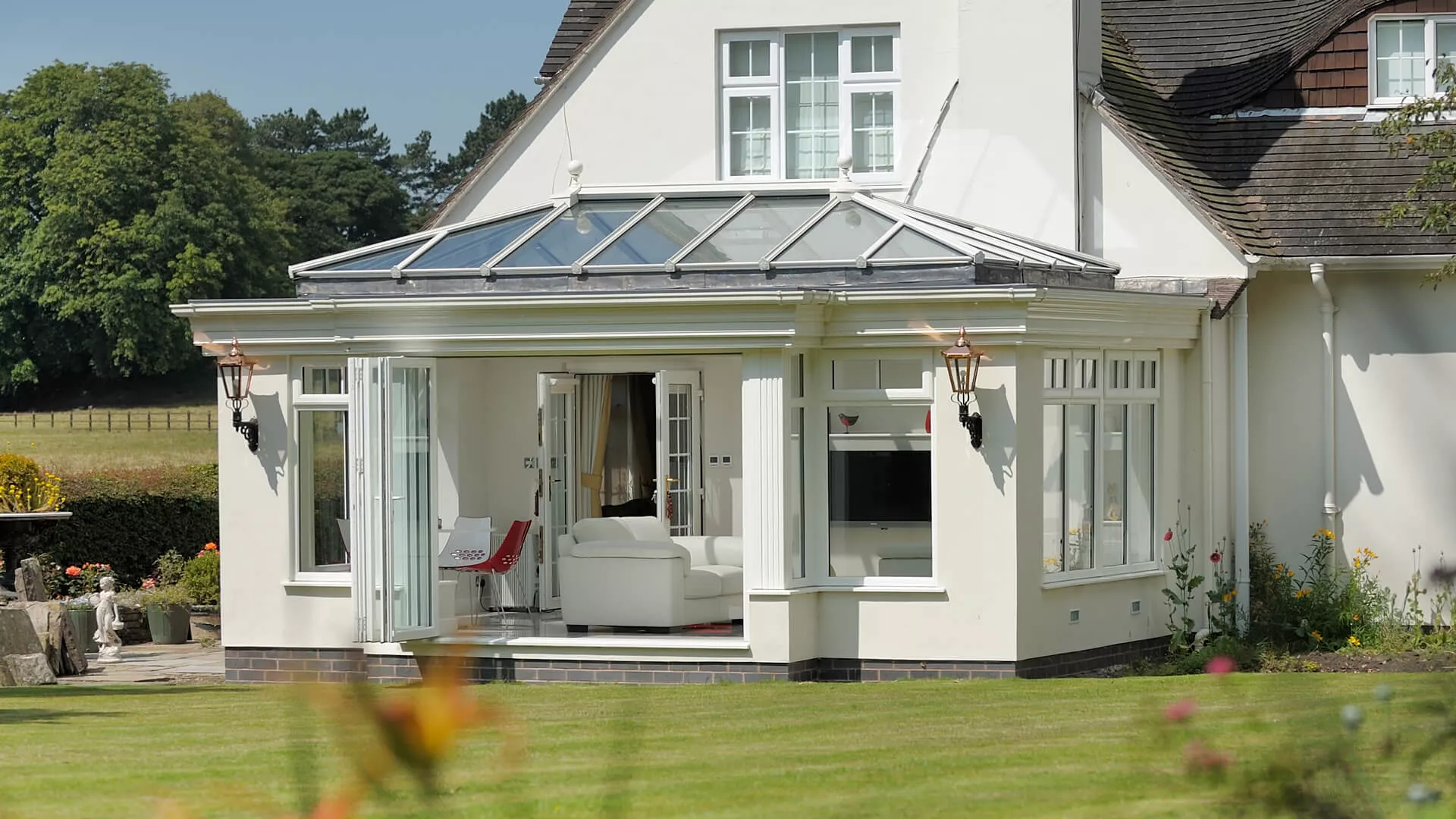
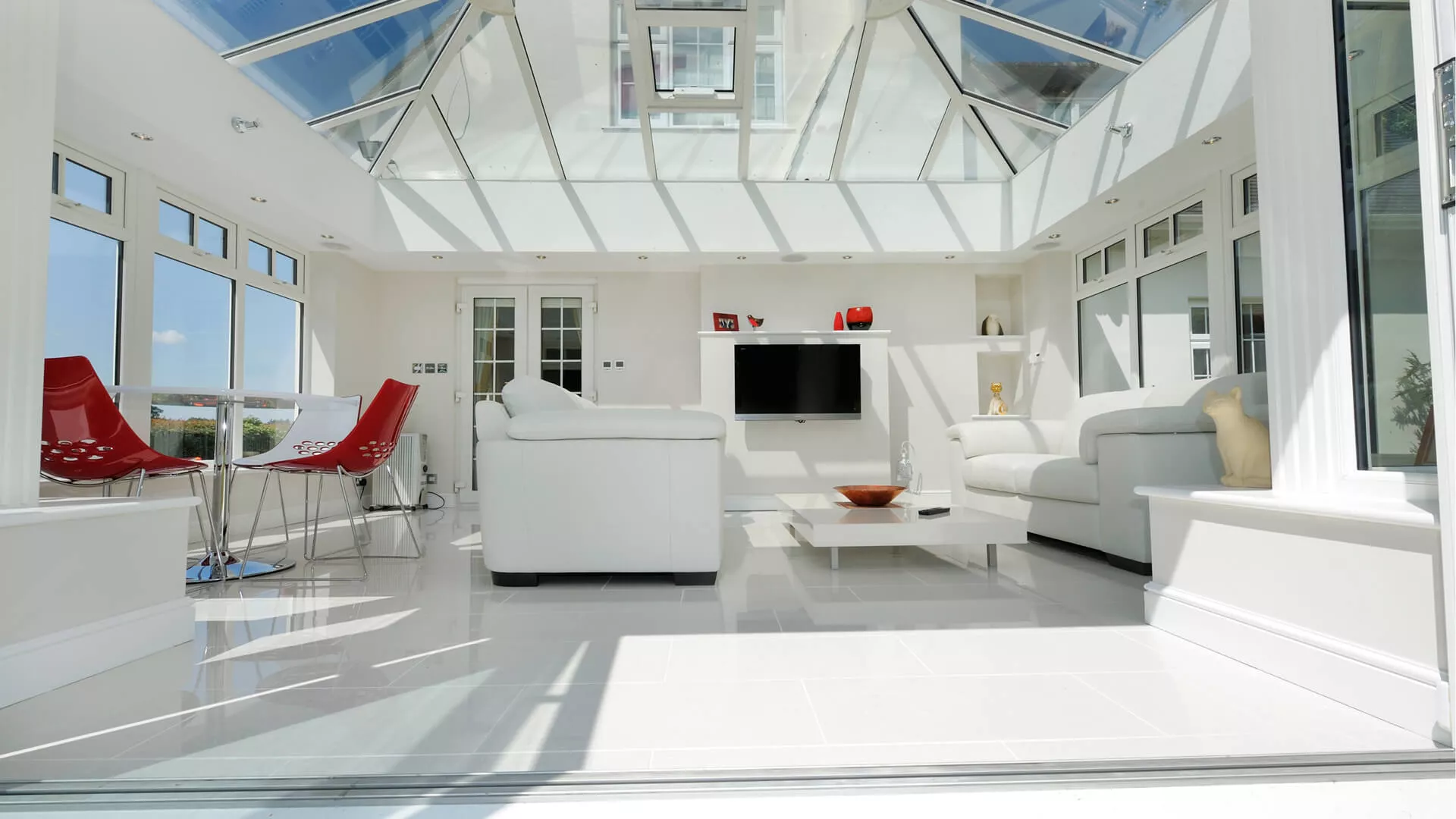
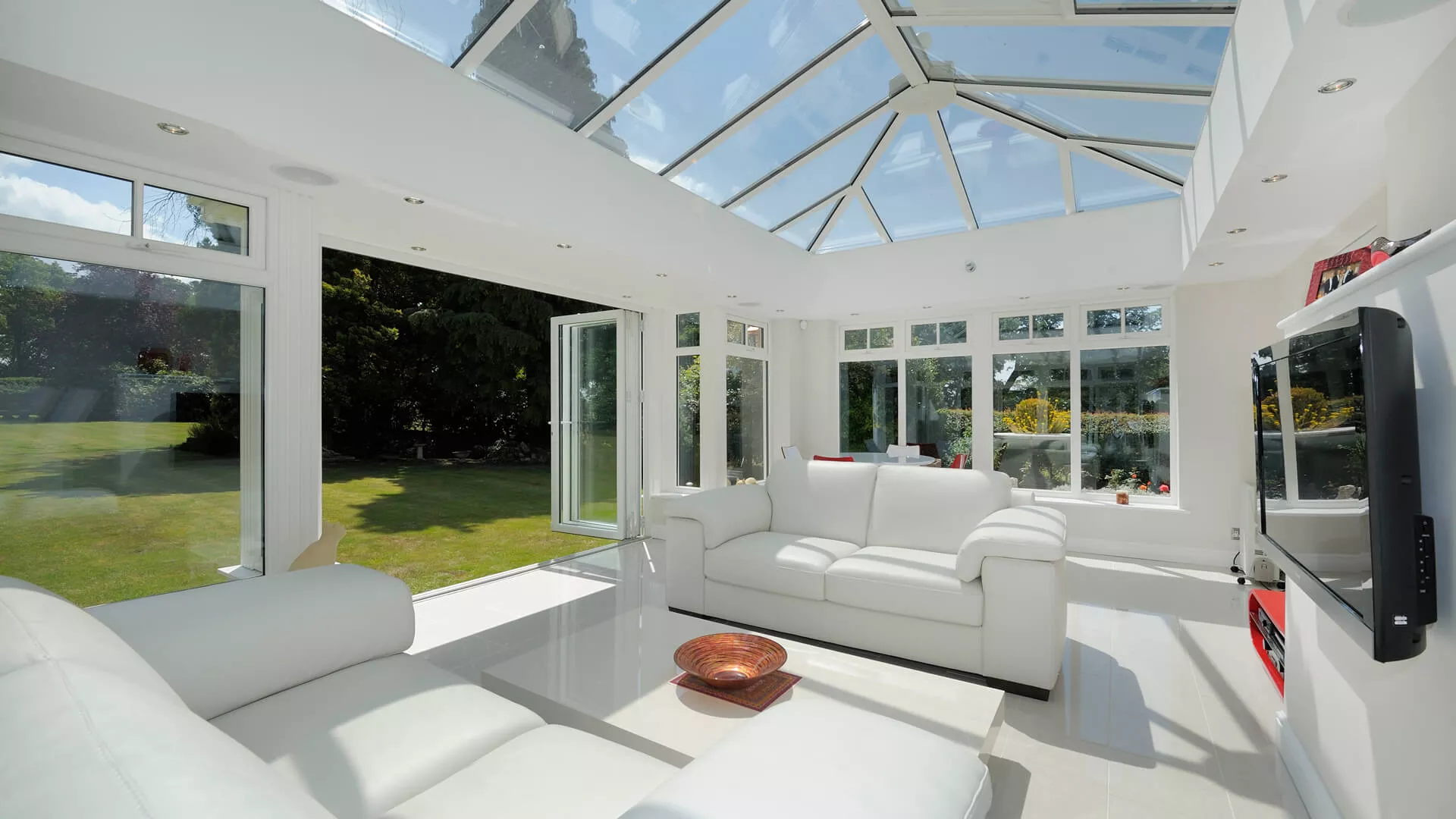
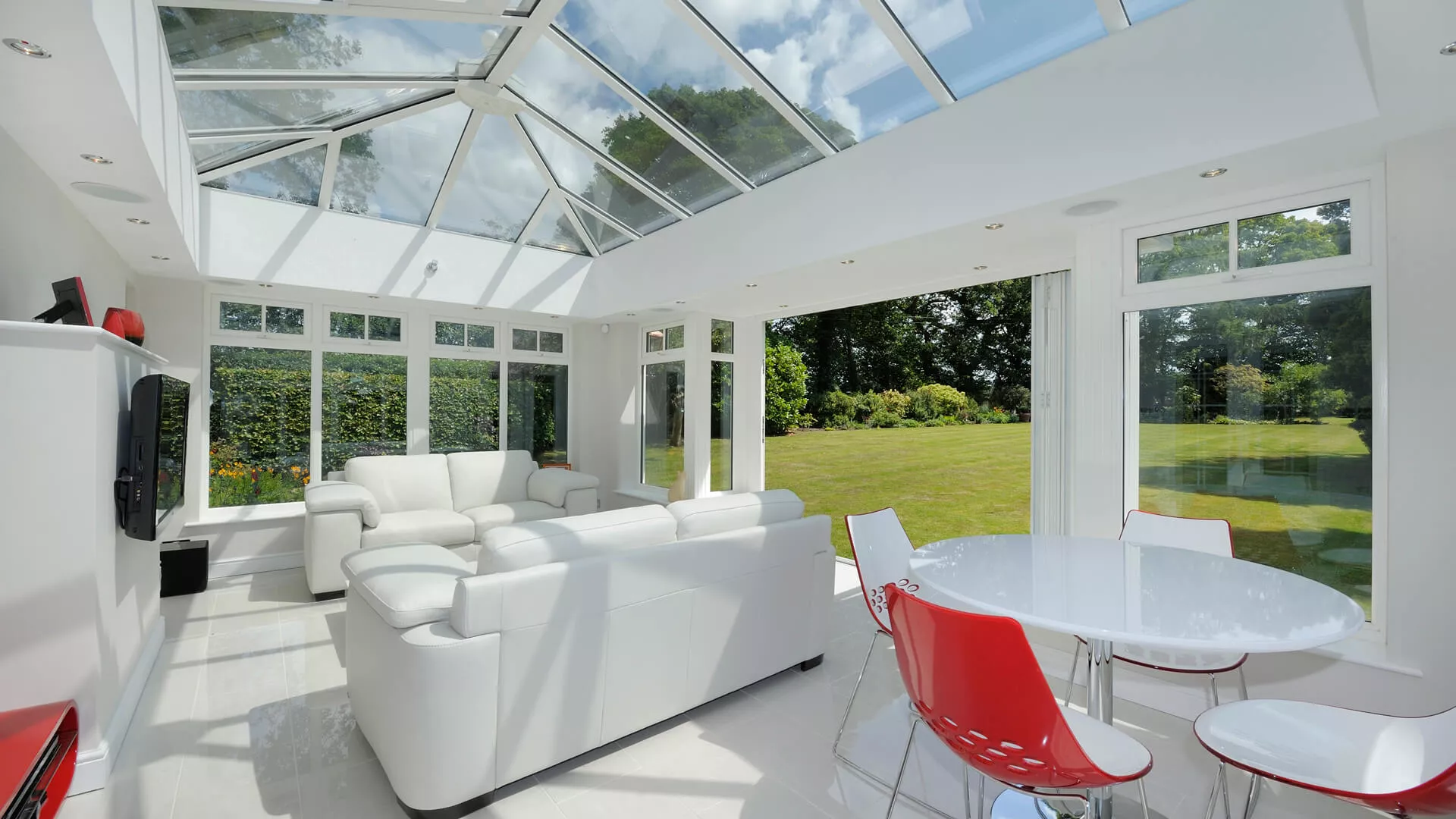
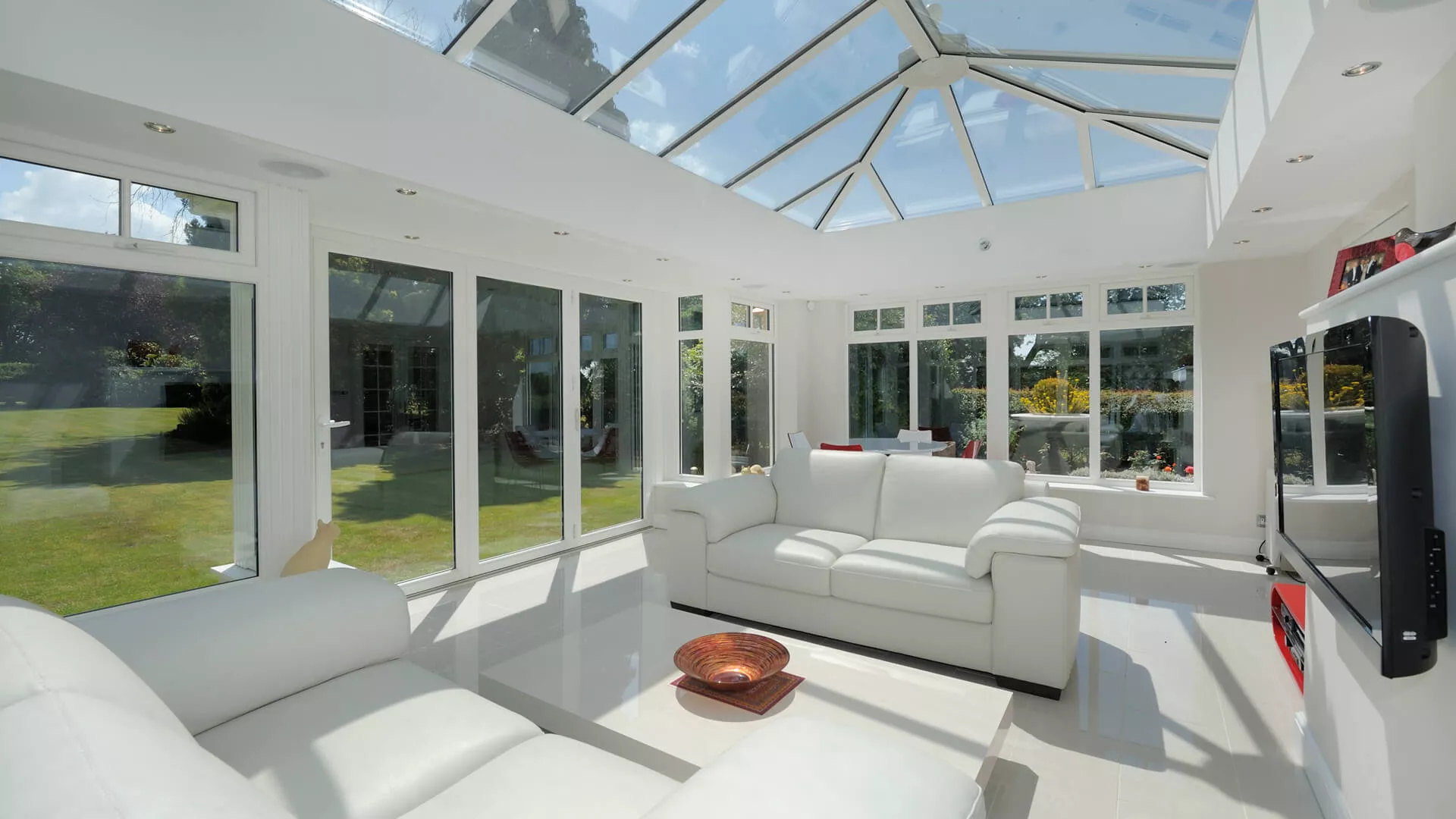
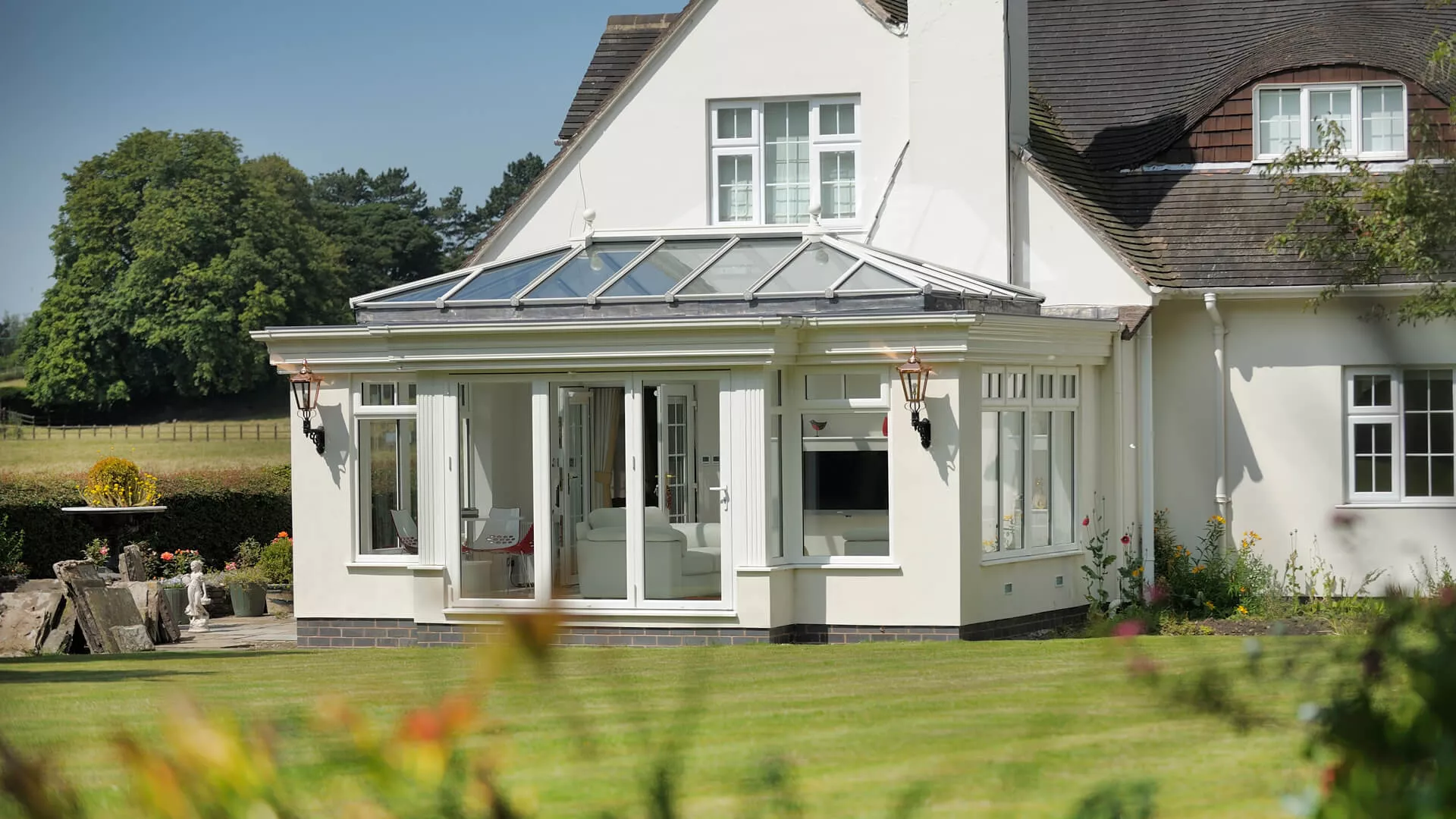
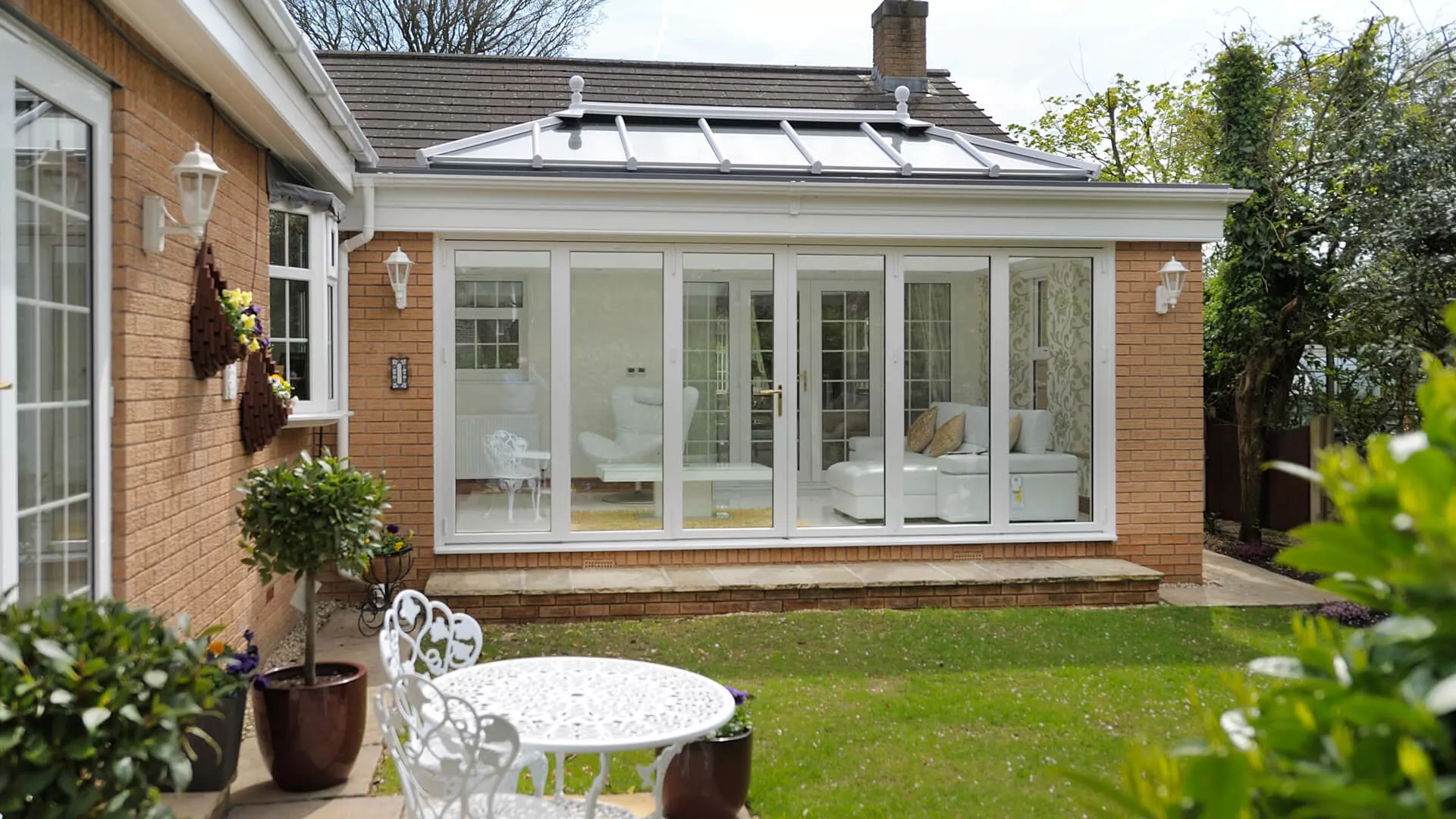
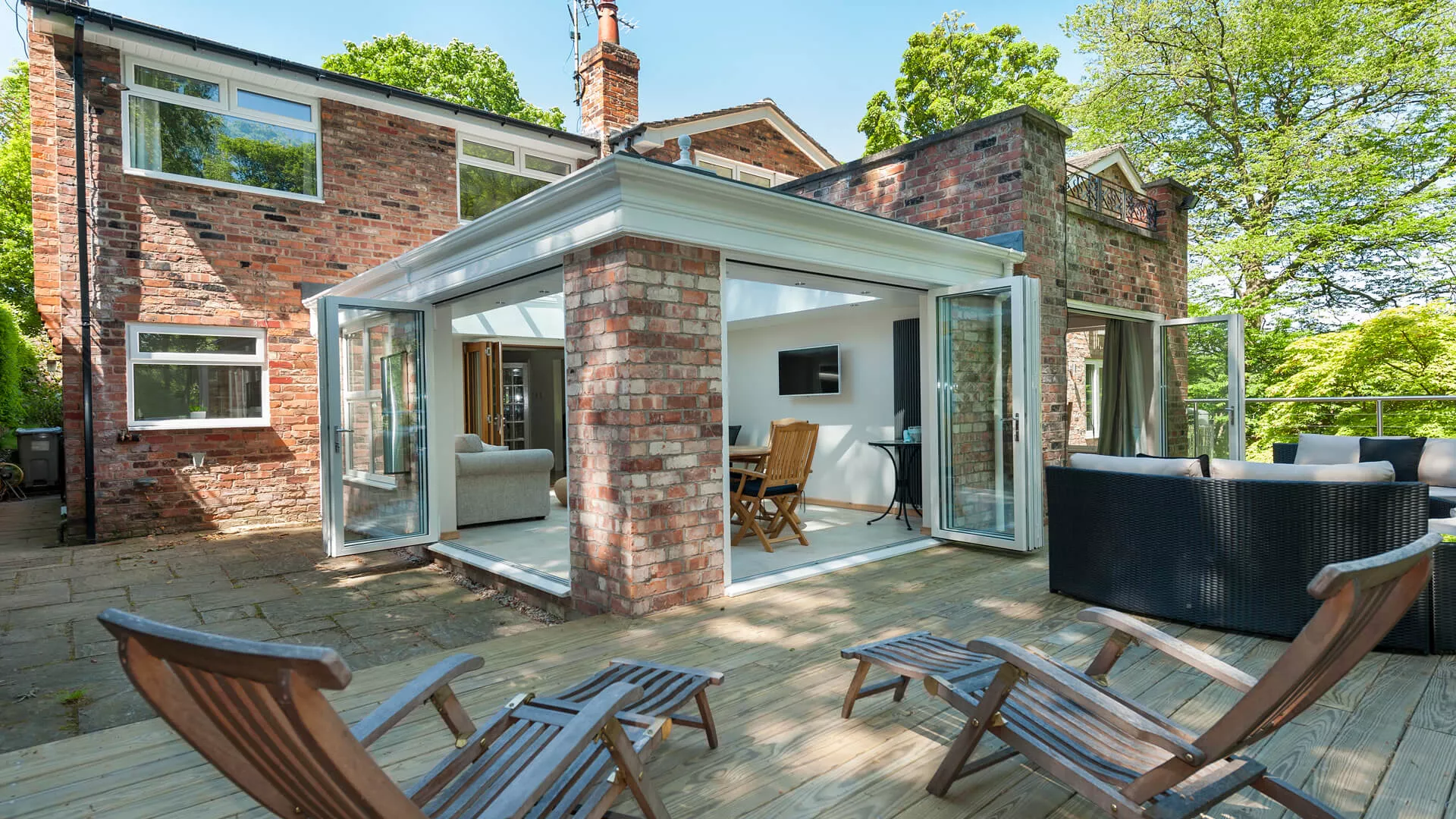
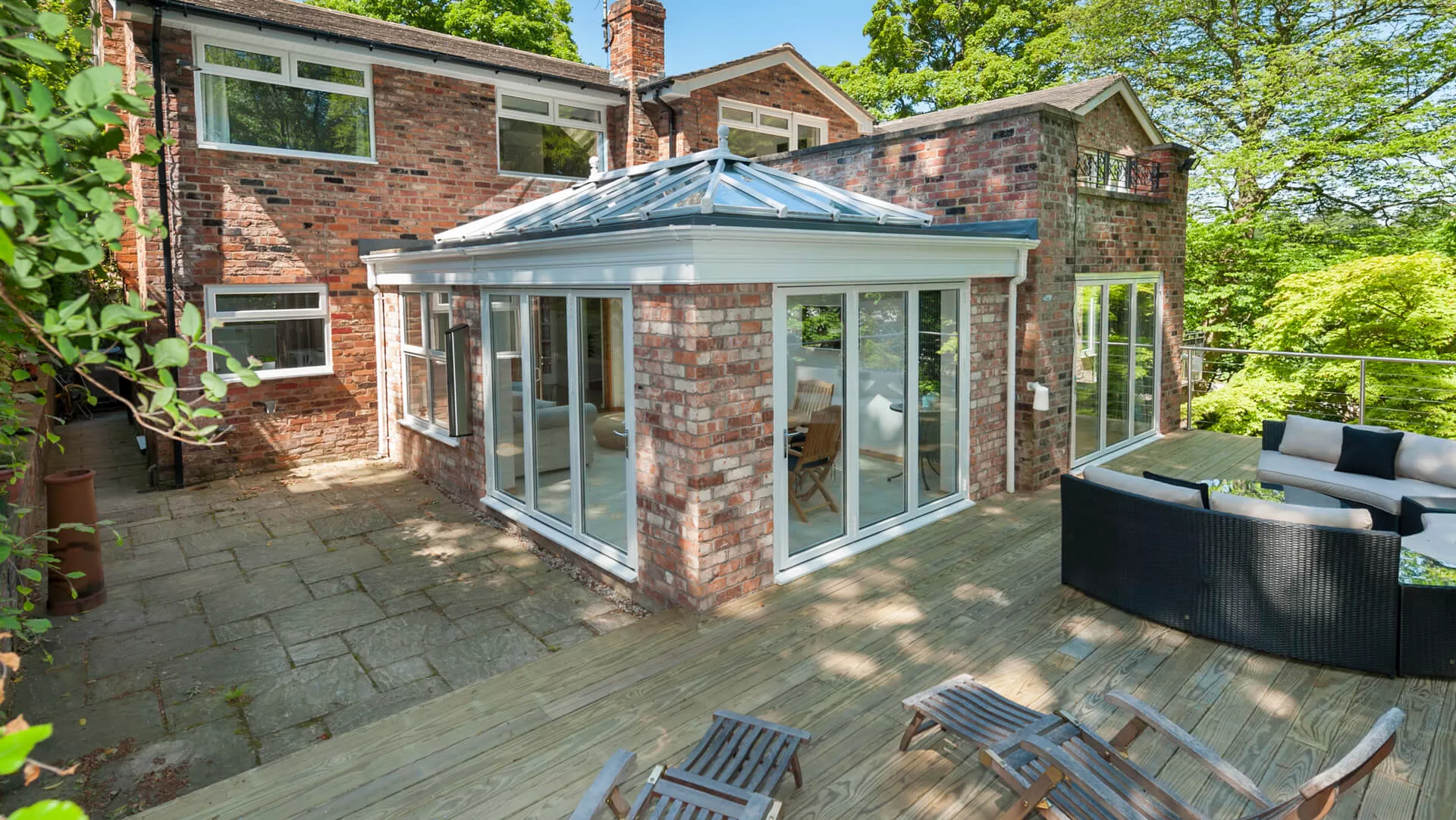
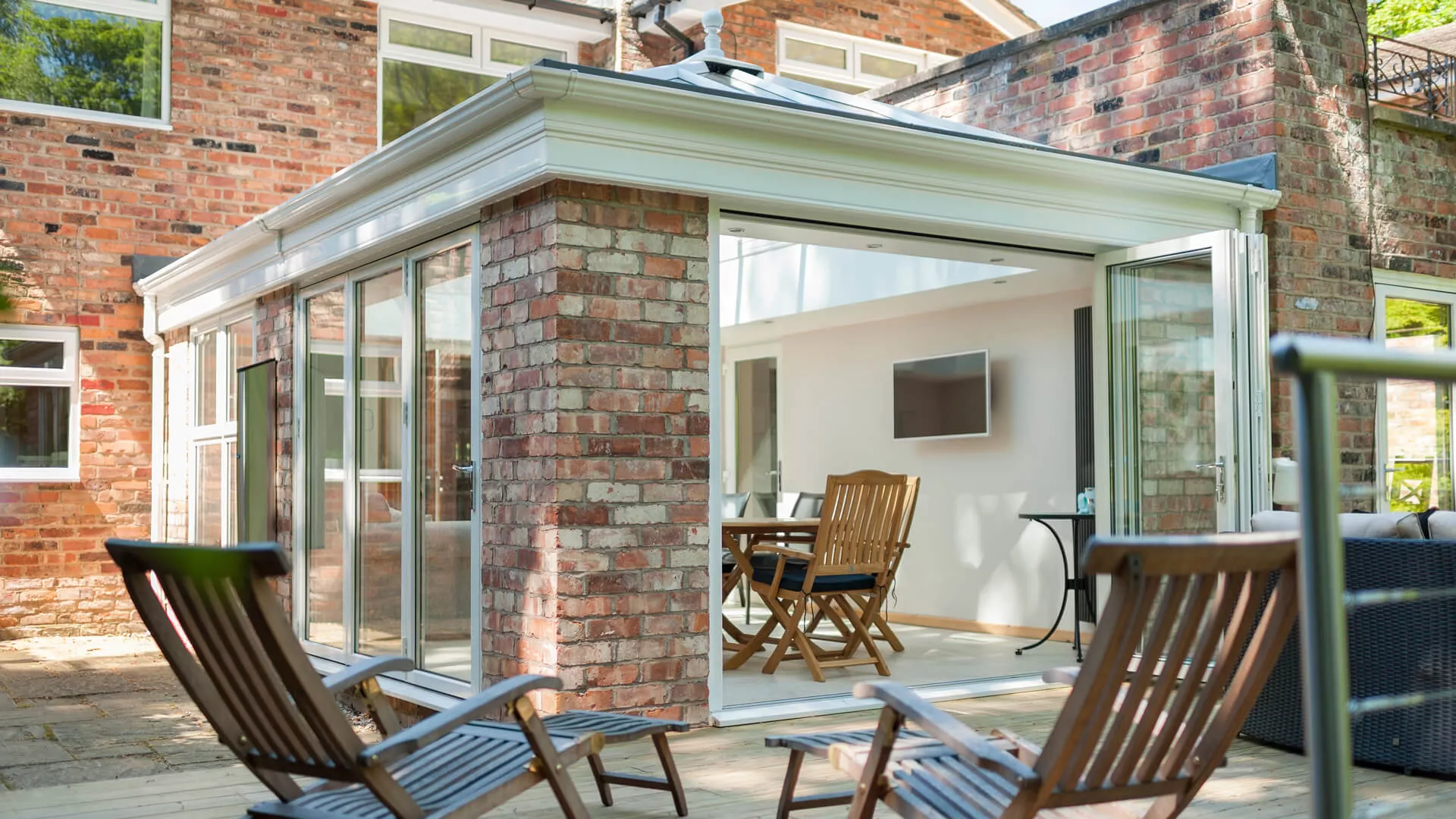
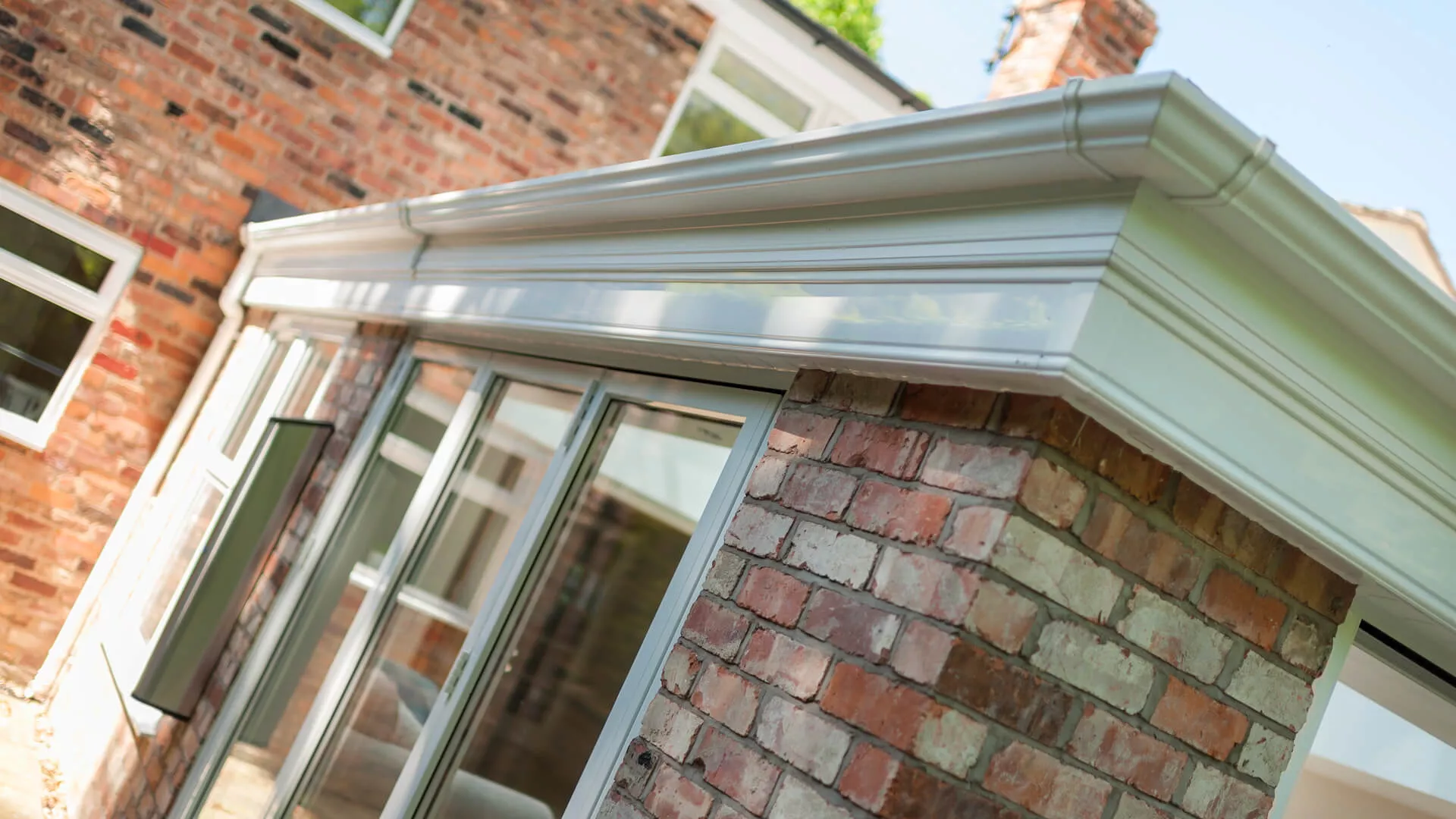
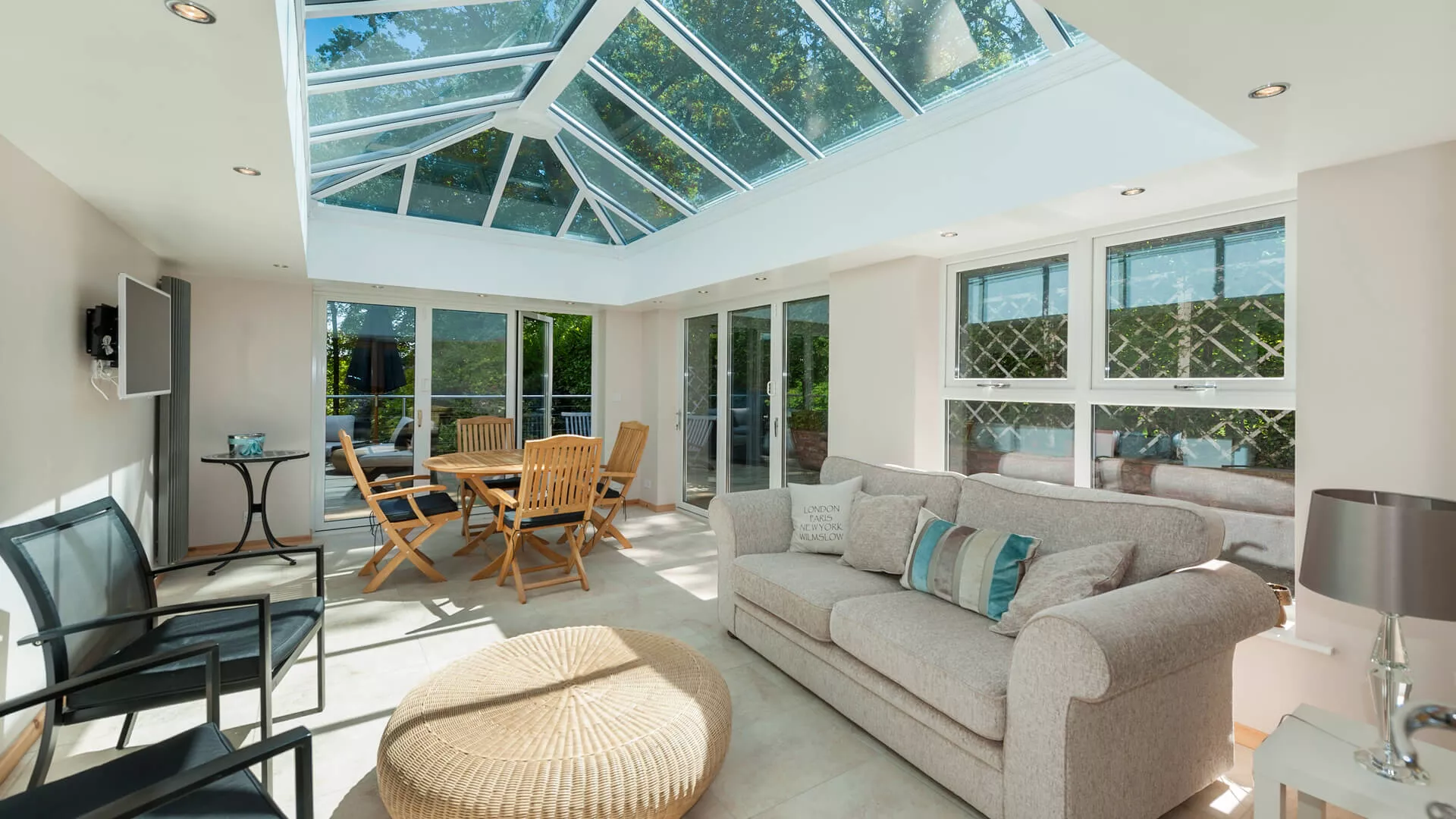
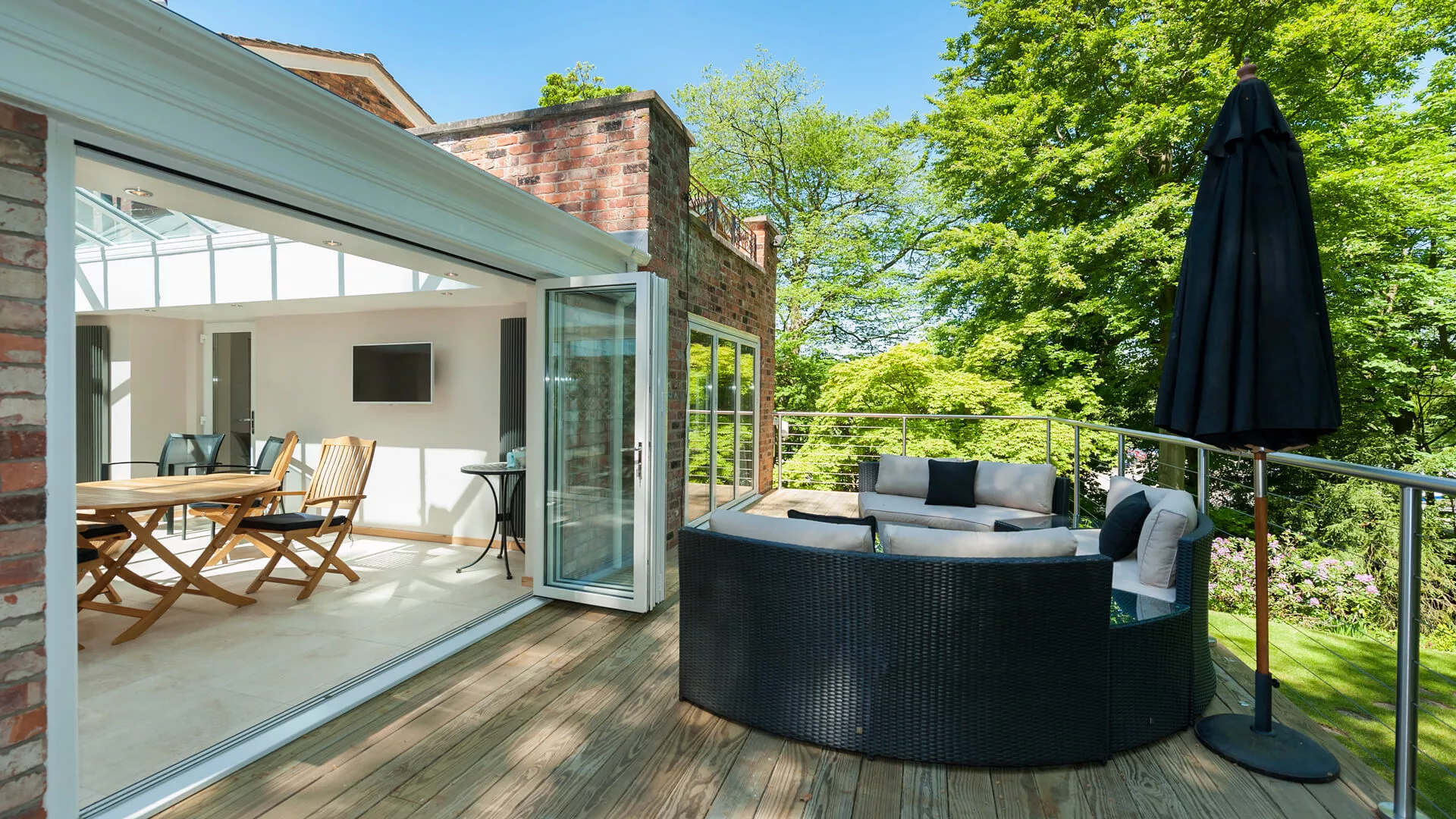
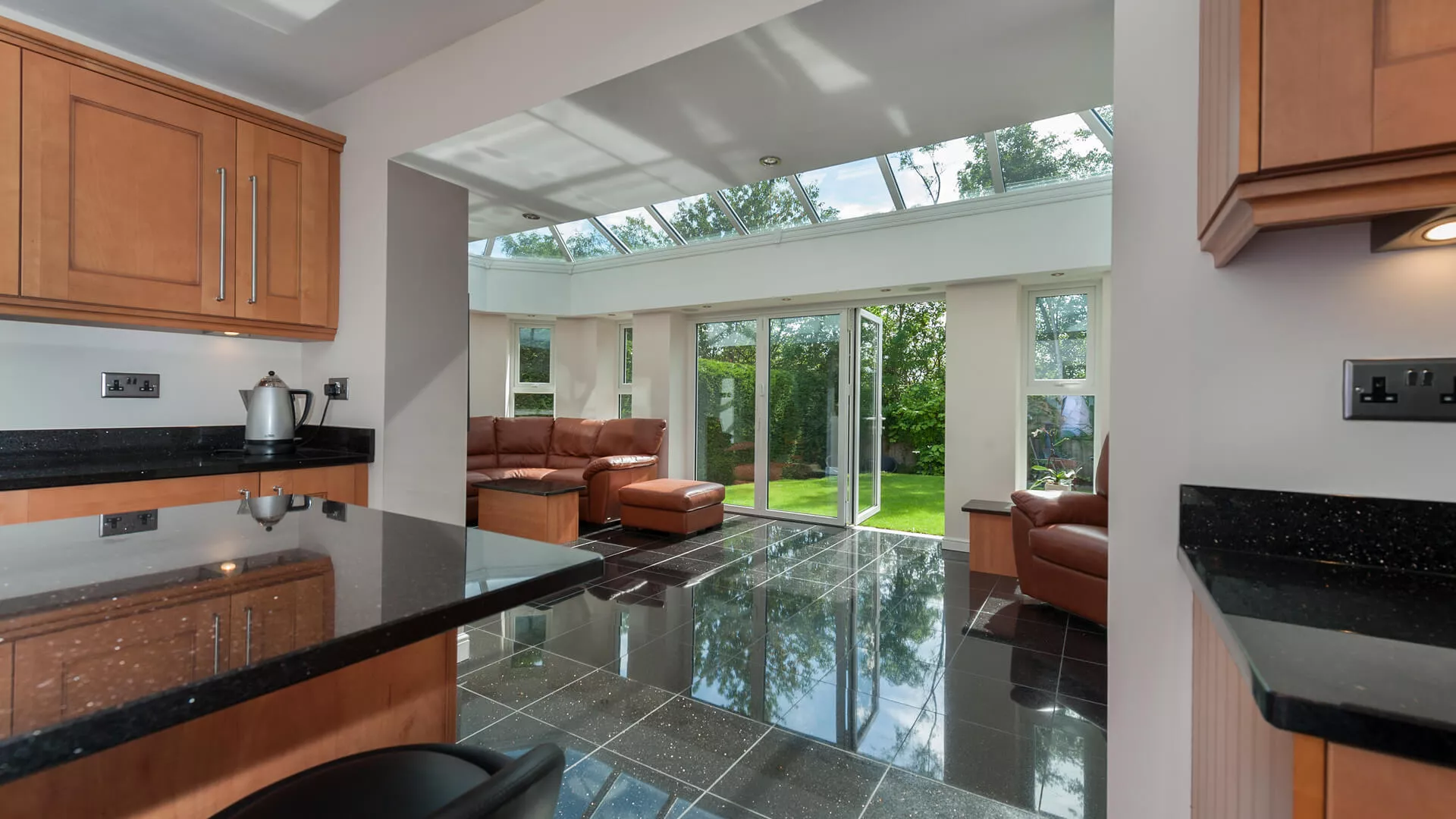
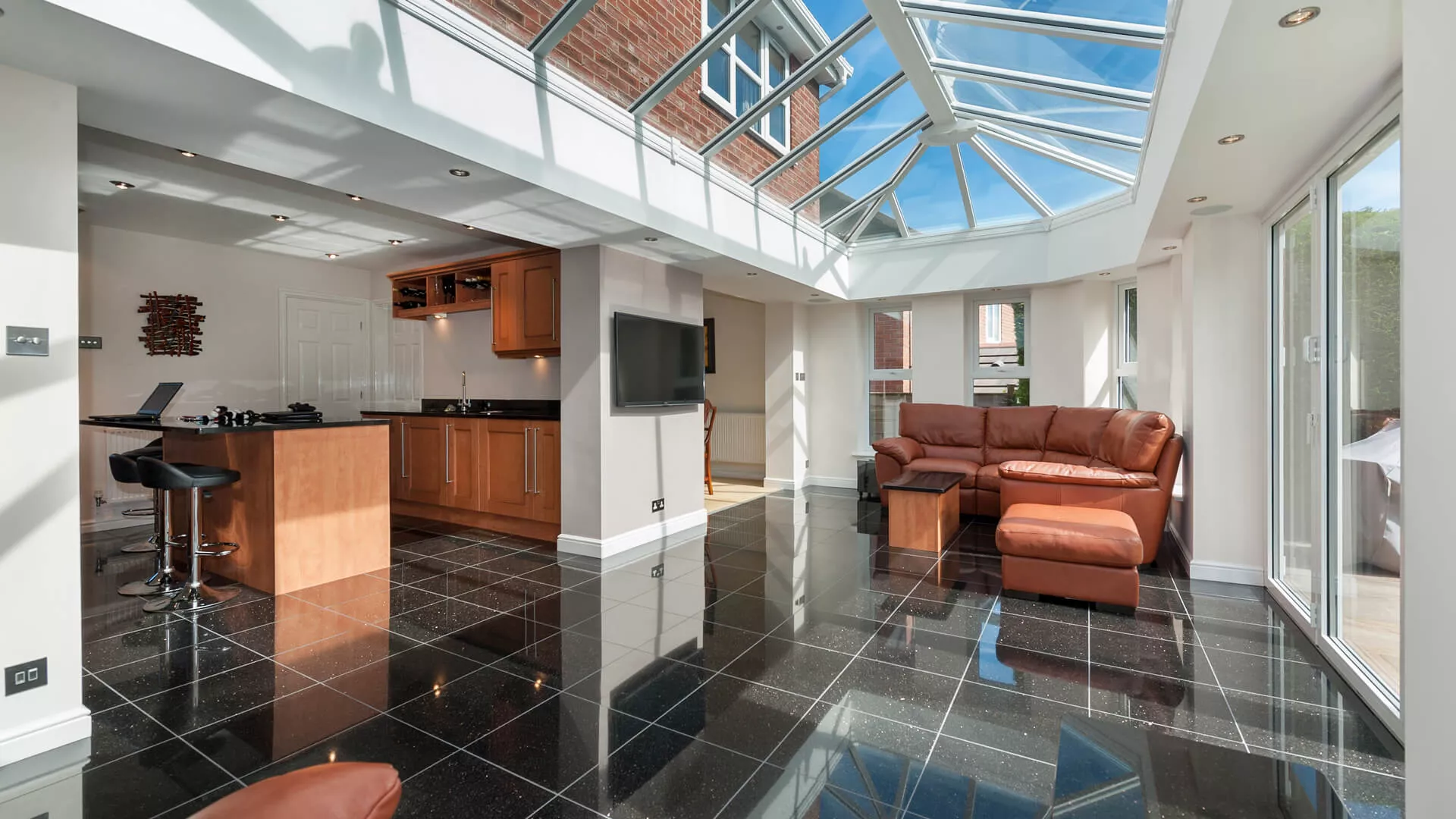
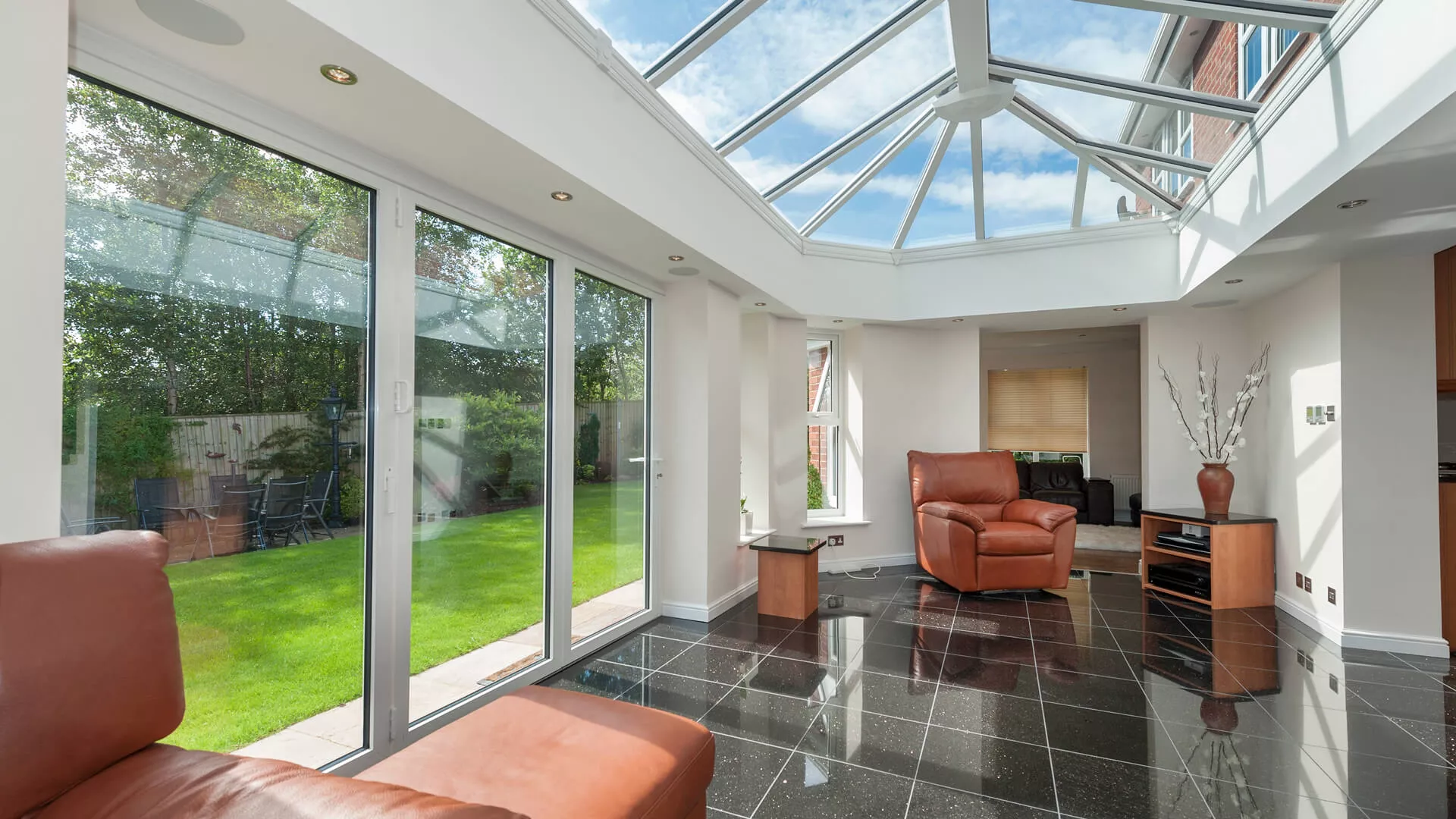
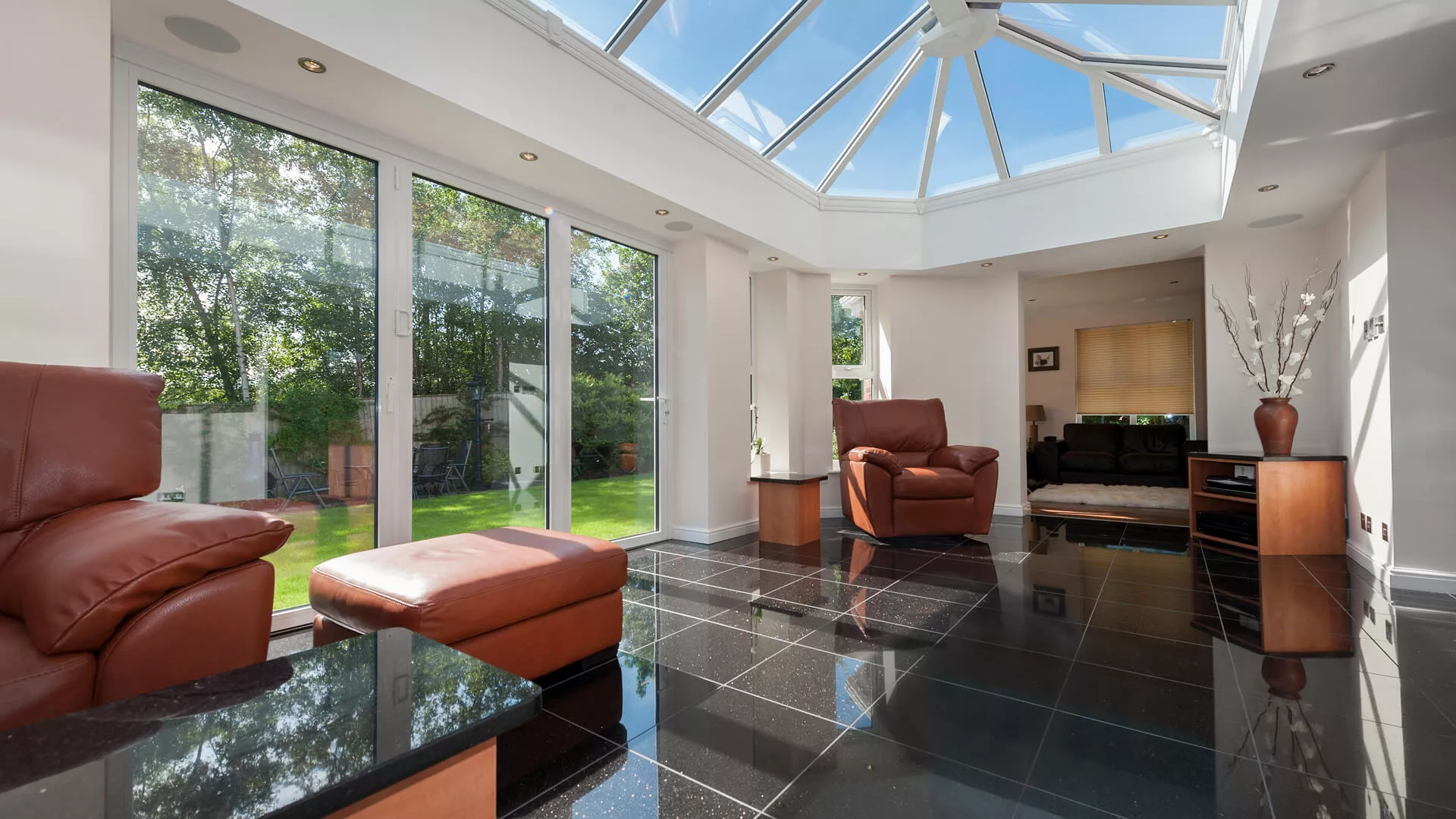
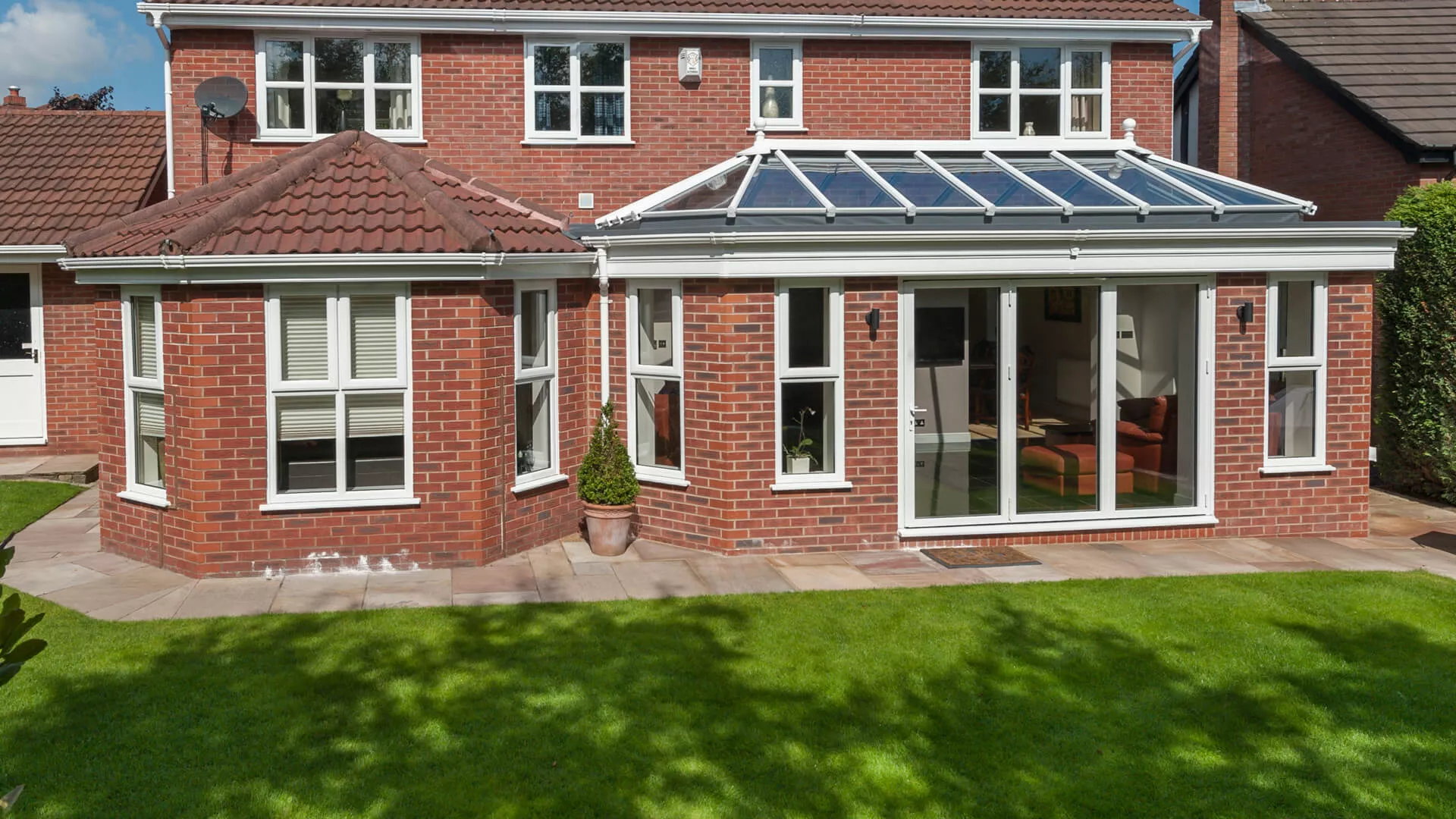
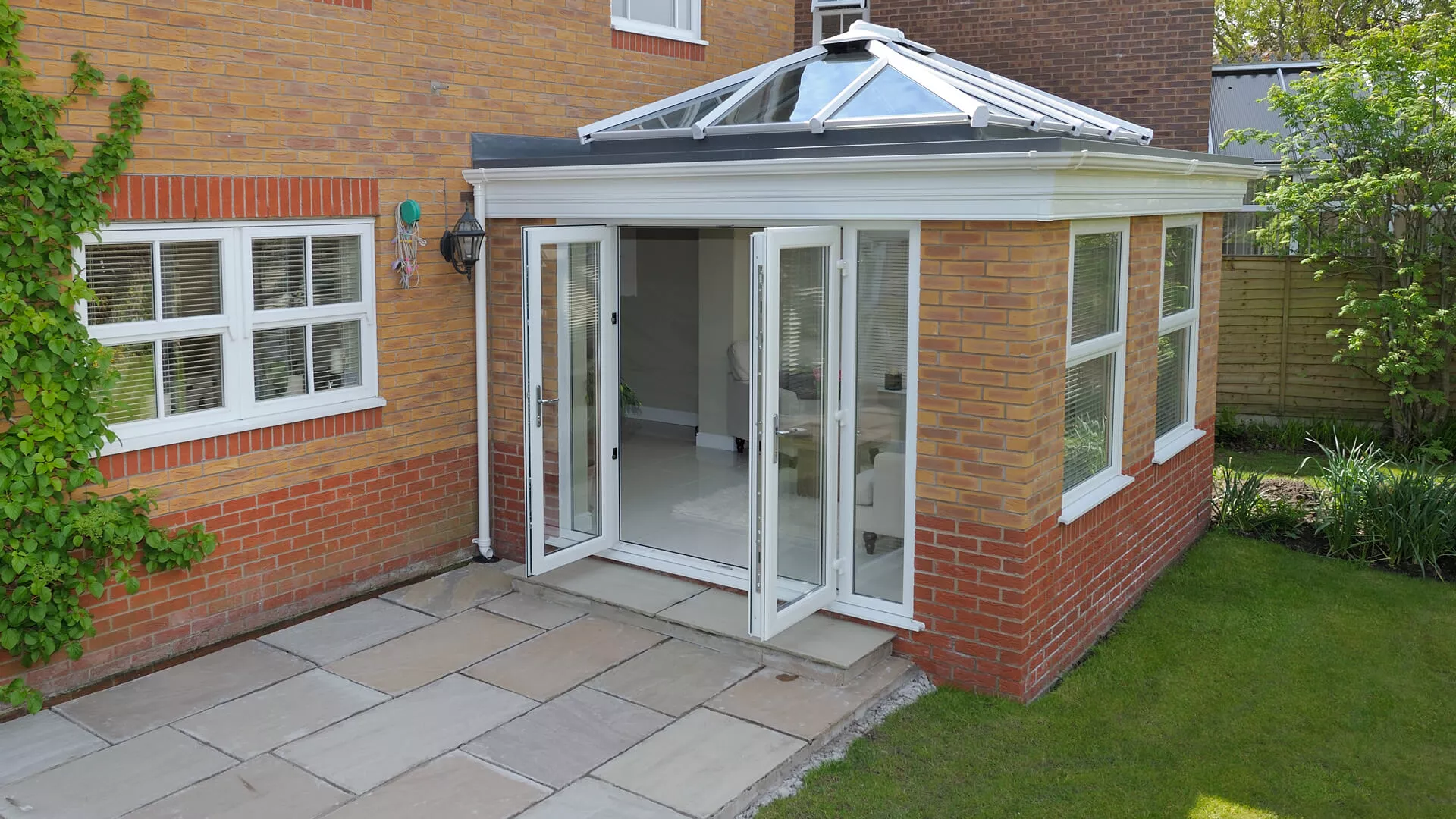
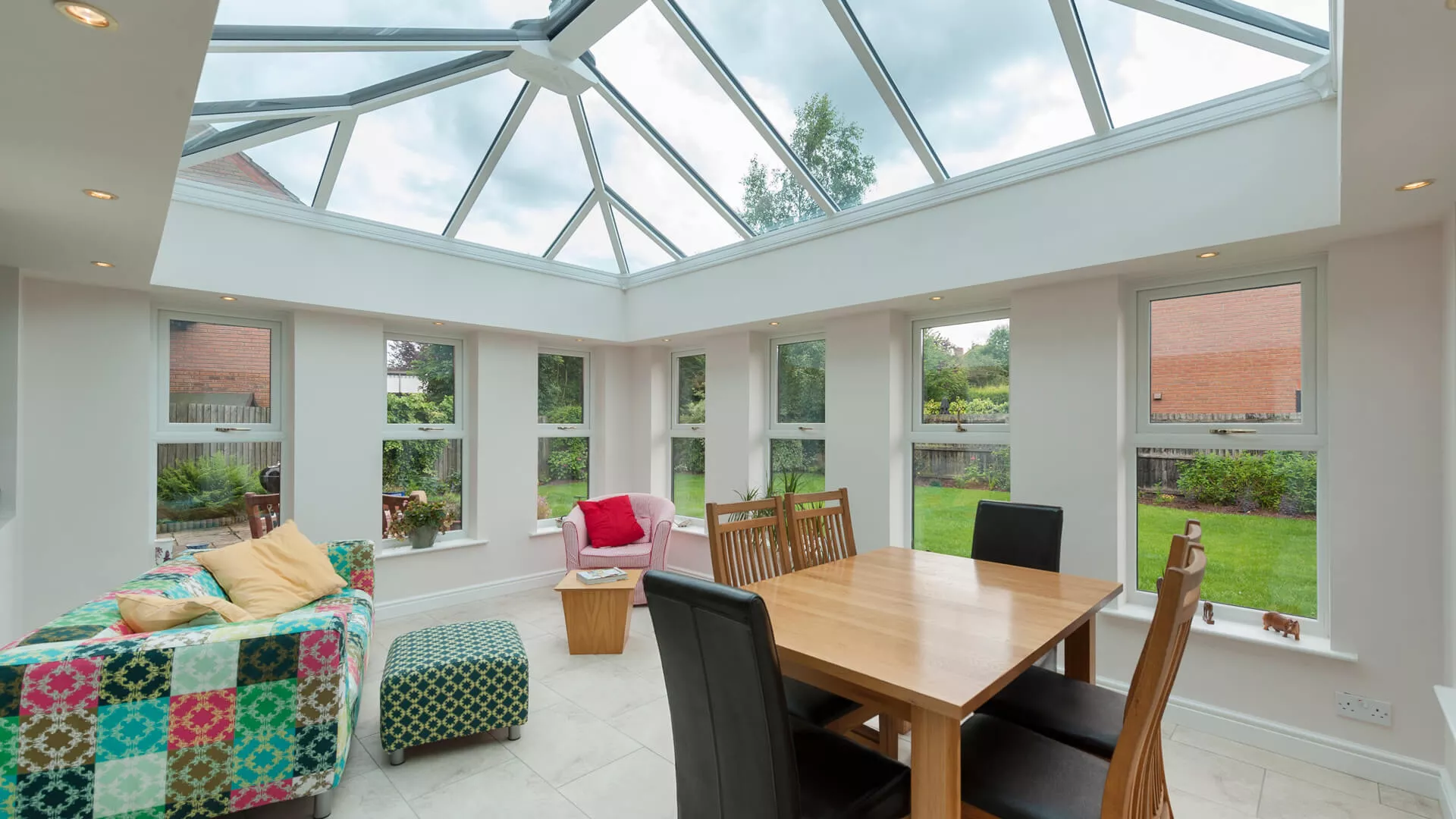
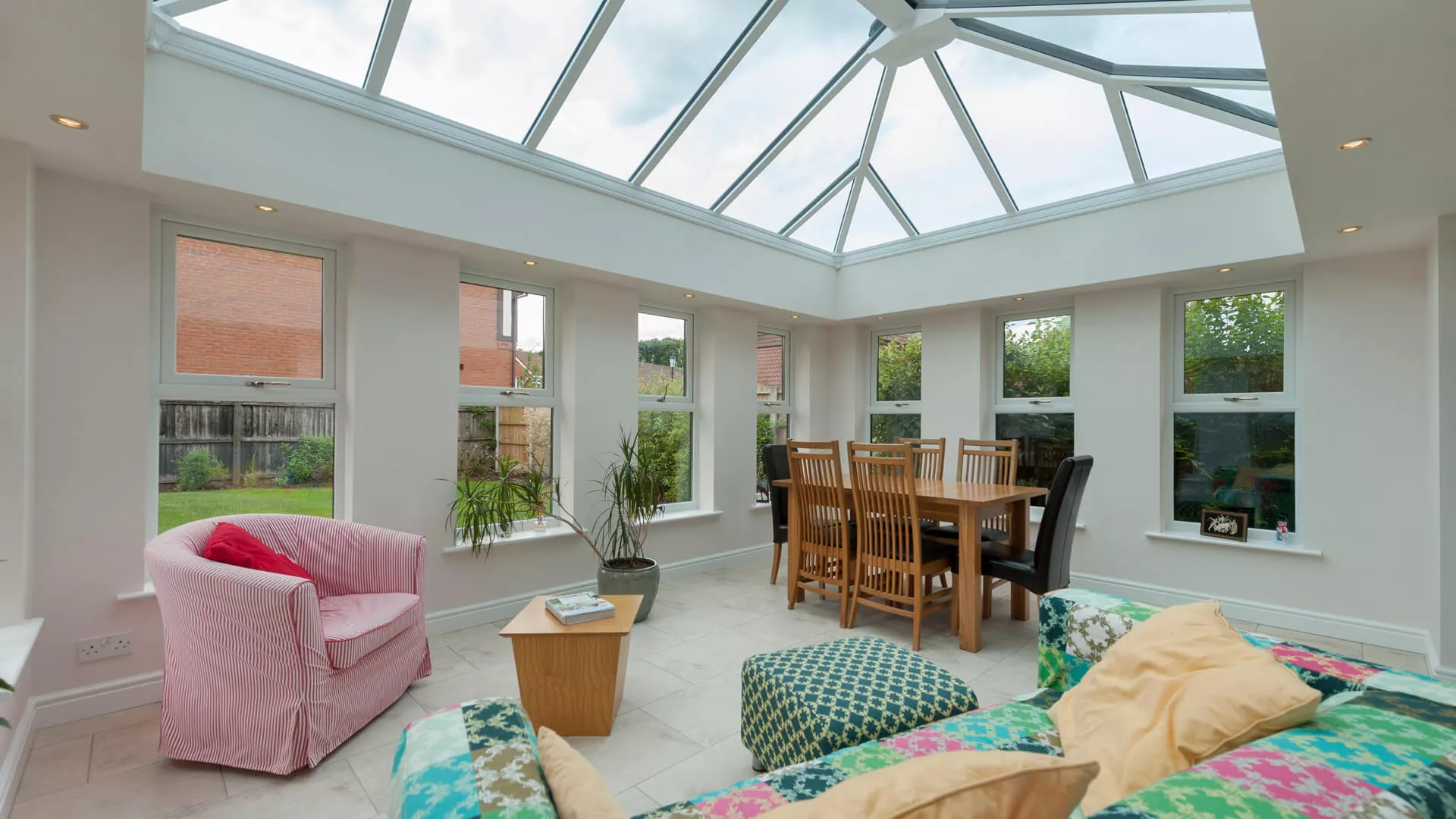
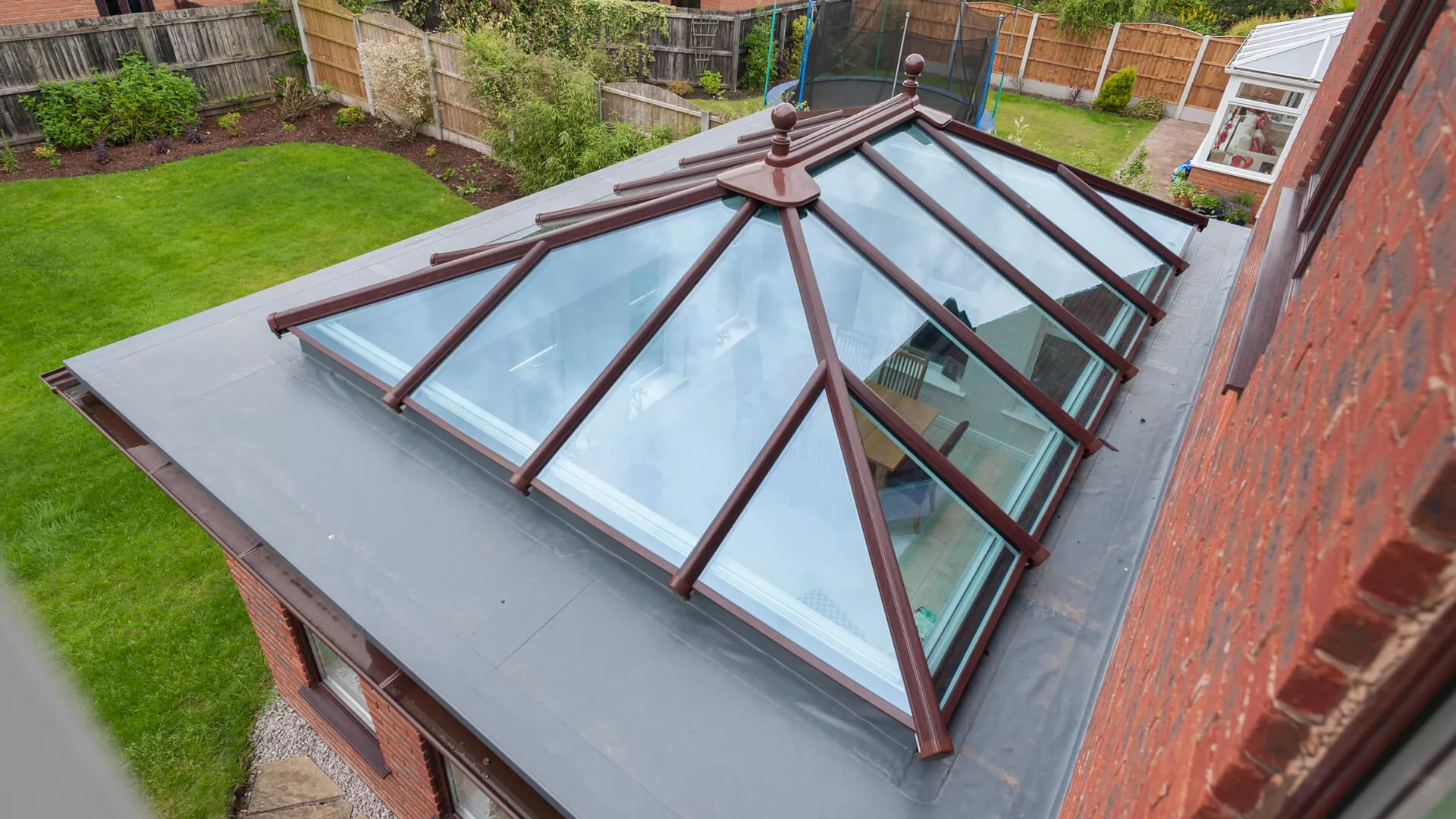
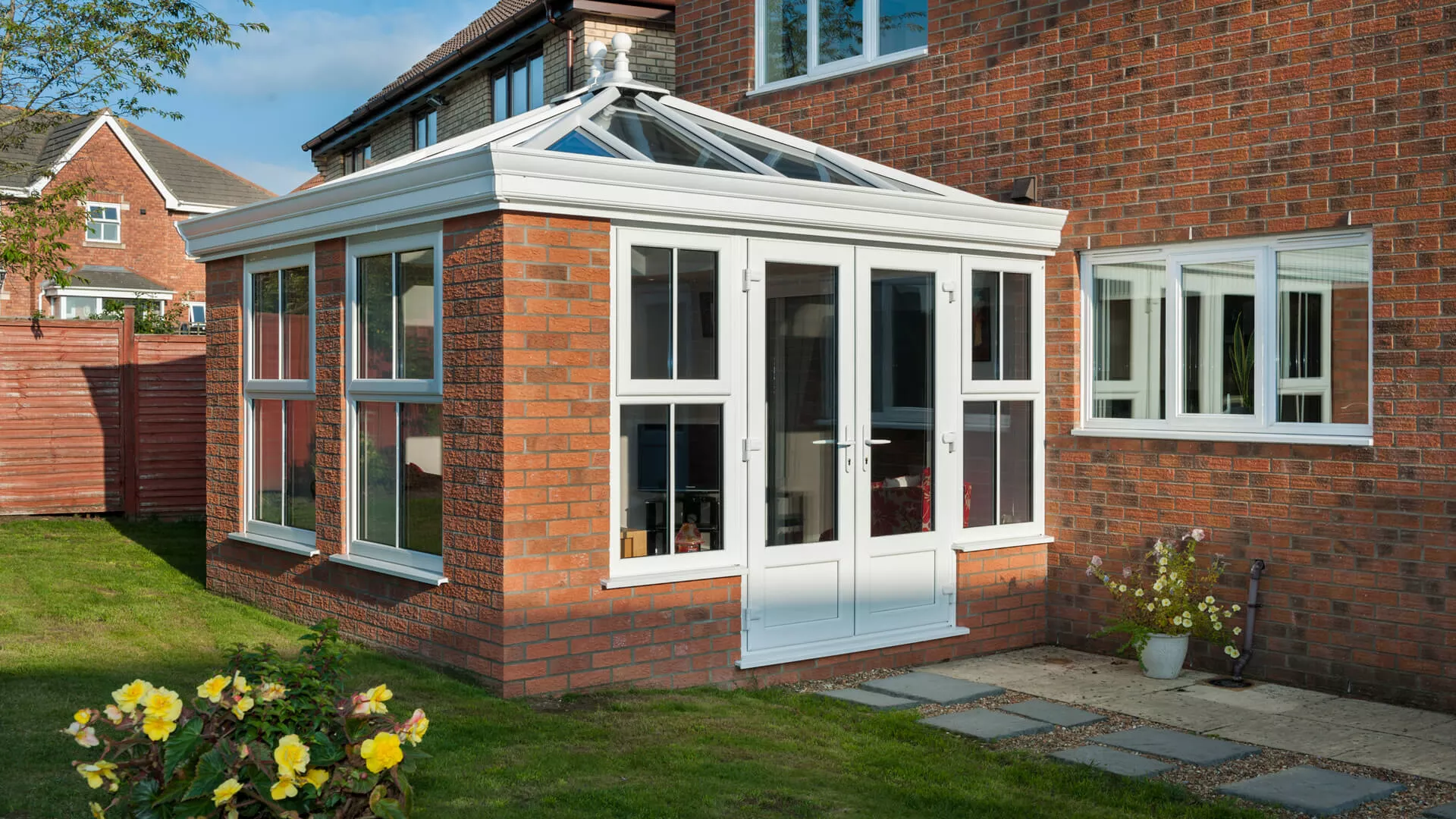
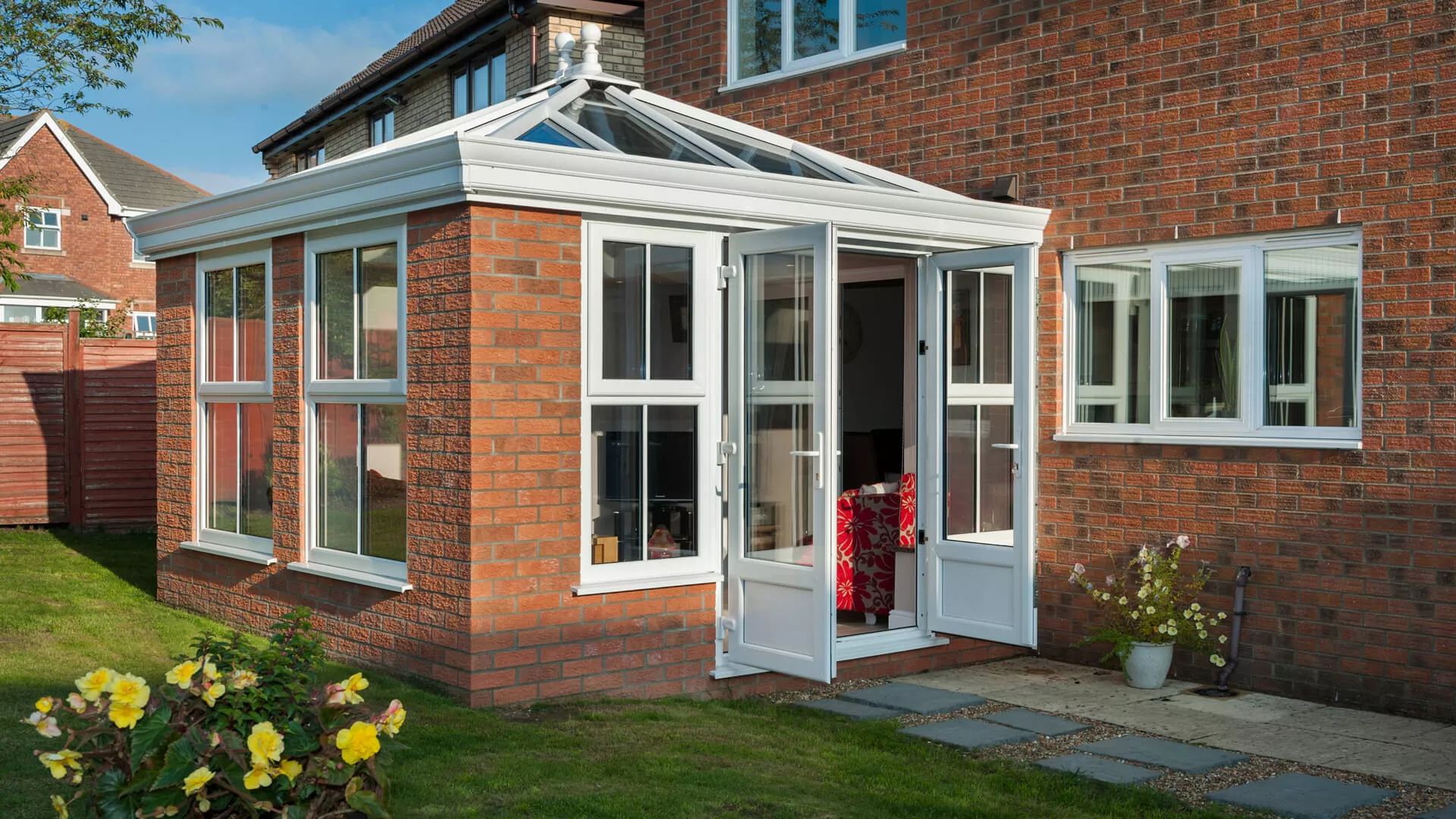
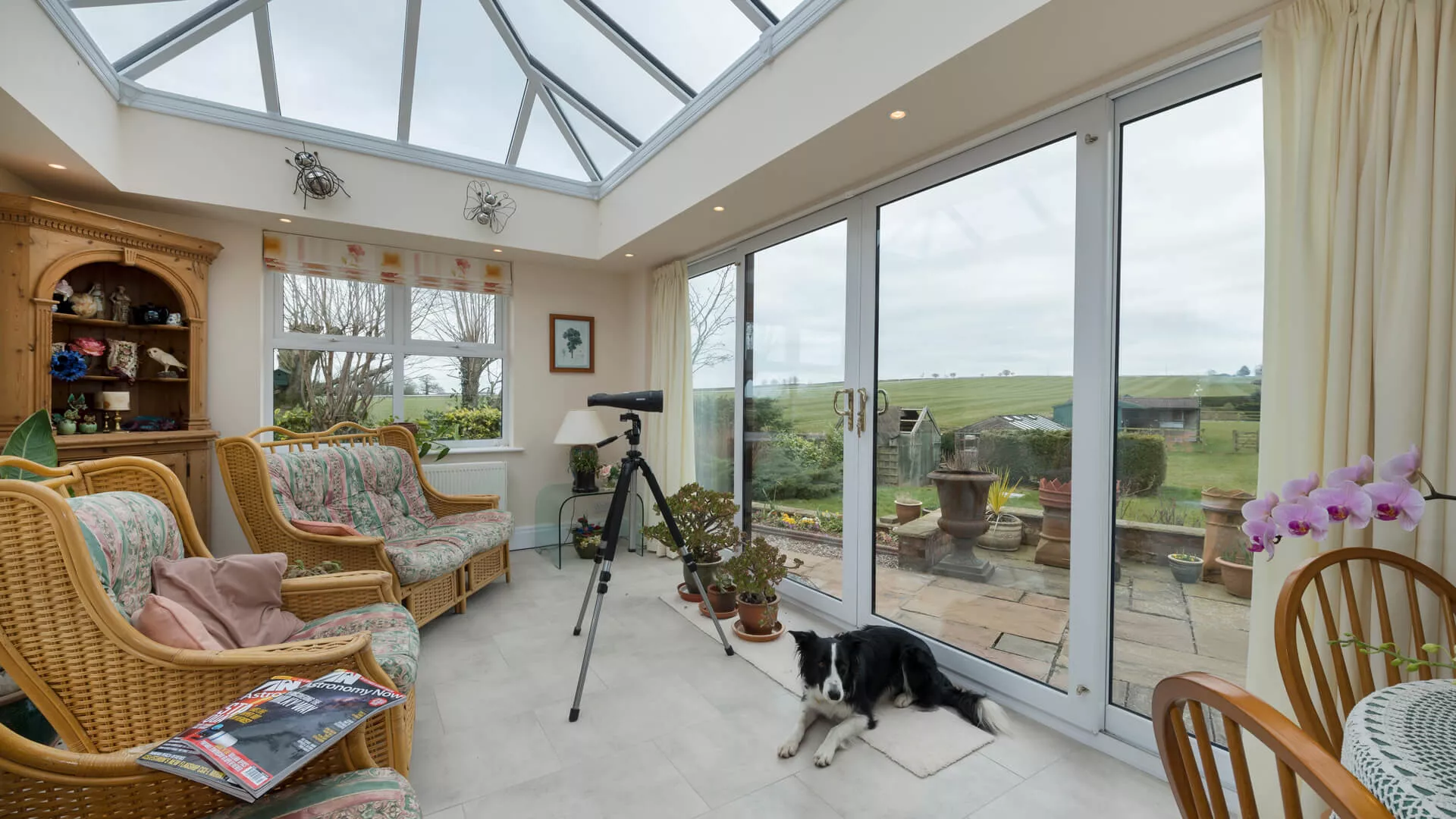
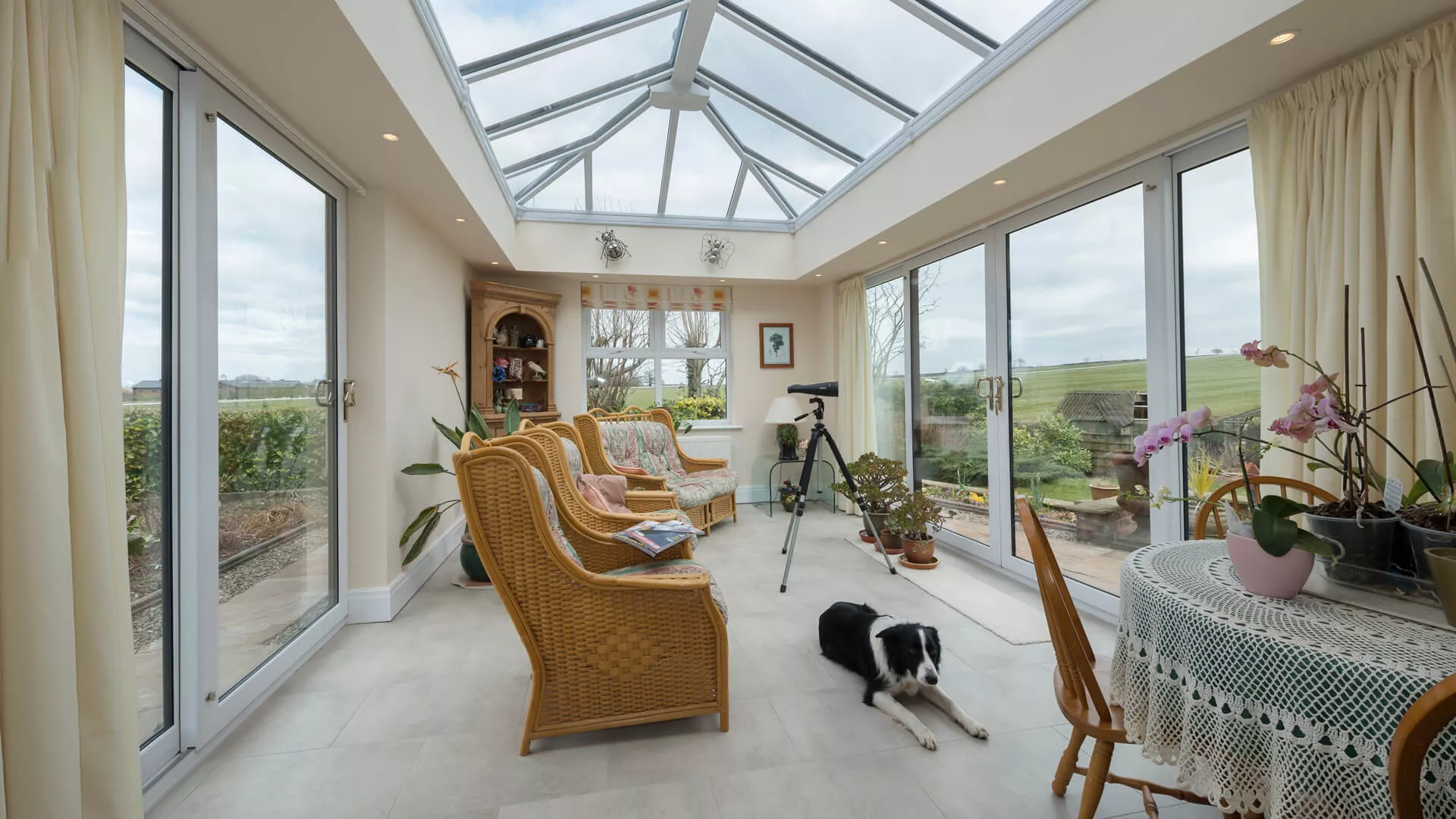
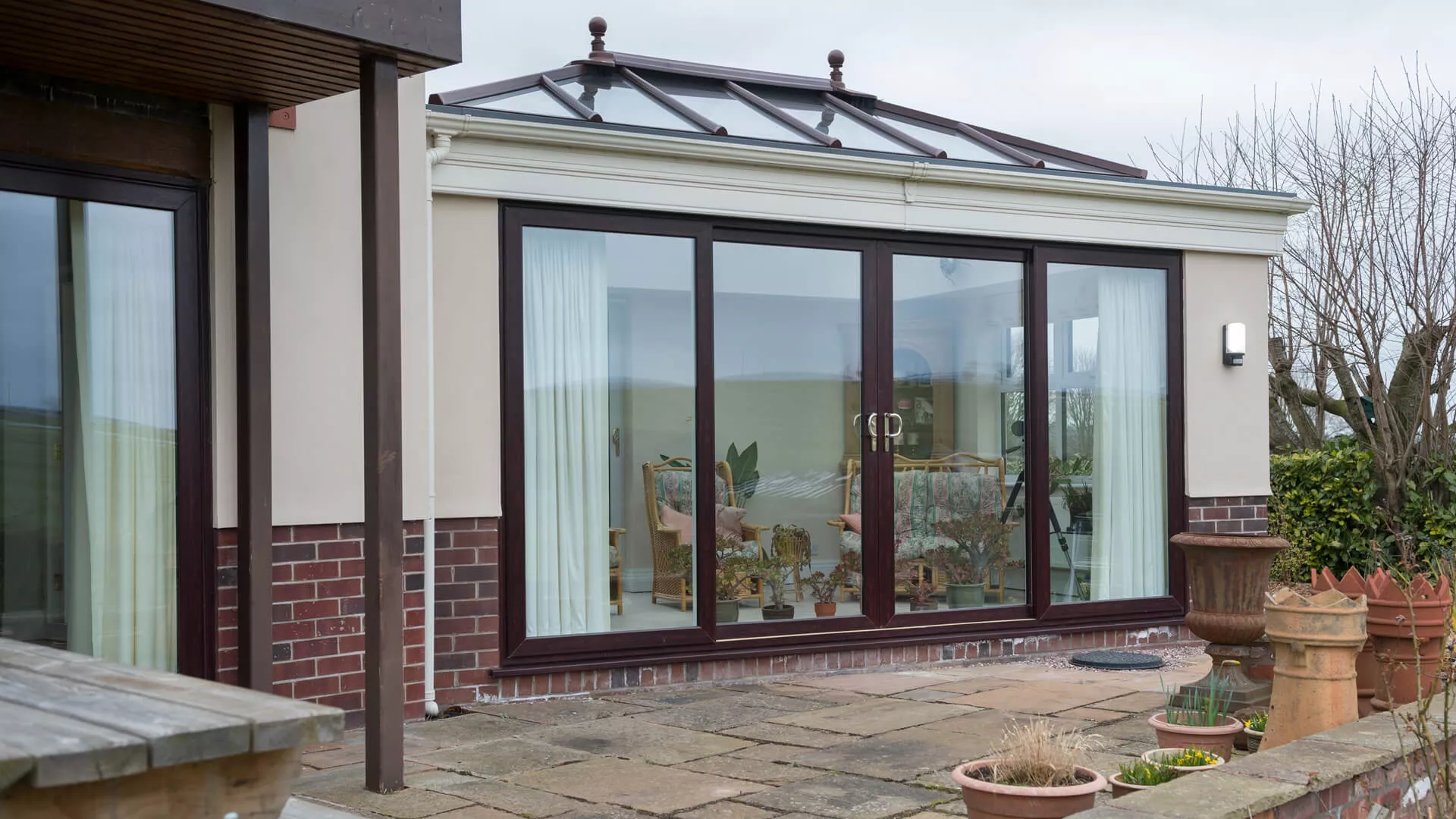
- Roof lanterns. A principal architectural feature of extensions and modernised conservatories, roof lanterns employ solar-control glazing for enduring internal comfort. Considered more refined than traditional coverings, they invariably outlast them too.
How Much Does a Conservatory Roof Replacement Cost?
The average conservatory roof cost is largely 60-70% less than proceeding with a full new installation, subject to the required specification and condition of the existing structure.
Polycarbonate roofs tend to be the cheapest roof solution available, with glass roofs normally coming next in terms of affordability, followed by tiled roof replacements due to their elite insulation and structural materials. Ultimately, cost will be dictated by the size and style of the conservatory, the current state of its frames, and the complexity of the installation.
Low running costs compensate for the initial outlay, with minimised reliance on cooling and heating systems converting into cheaper energy bills.
Planning Permission and Building Regulations
Most conservatory roof replacements can proceed without obtaining planning permission as they satisfy the criteria to be classed permitted developments.
Permitted development rights generally apply to conservatory roof upgrades so long as no major alterations are made to the original structure. But there can be exceptions, such as if your home is listed or situated in a conservation area.
Building regulations are entirely separate to planning permission and must similarly be obeyed. Installation of a solid roof on an existing conservatory usually requires submission of a Building Regulation Application due to it changing the thermal and structural performance of the space. It is vital that any replacement conservatory roof adheres to current insulation, ventilation and structural safety standards.
In England and Wales, the Local Authority Building Control oversees compliance. When they grant approval, a certificate will be issued to you, offering written confirmation that the installation satisfies building regulations, which needs to be kept safe.
The Conservatory Roof Replacement Process
It’s useful to know what to expect with a conservatory roof replacement ahead of an installation and it heavily relies on thorough preparation and a quality fitting.
A full structural assessment must be conducted first to check the integrity of the overall structure and pinpoint any issues, like damp or condensation.
If everything is in order and approval is given, a standard roof replacement can be concluded in just two to five days. Broadly speaking, old roofs are removed and replacements made secure in just one day so that the room is kept weathertight.
It may take slightly longer to fit a solid roof system – around one week – as it often requires additional work e.g. plastering, lighting.
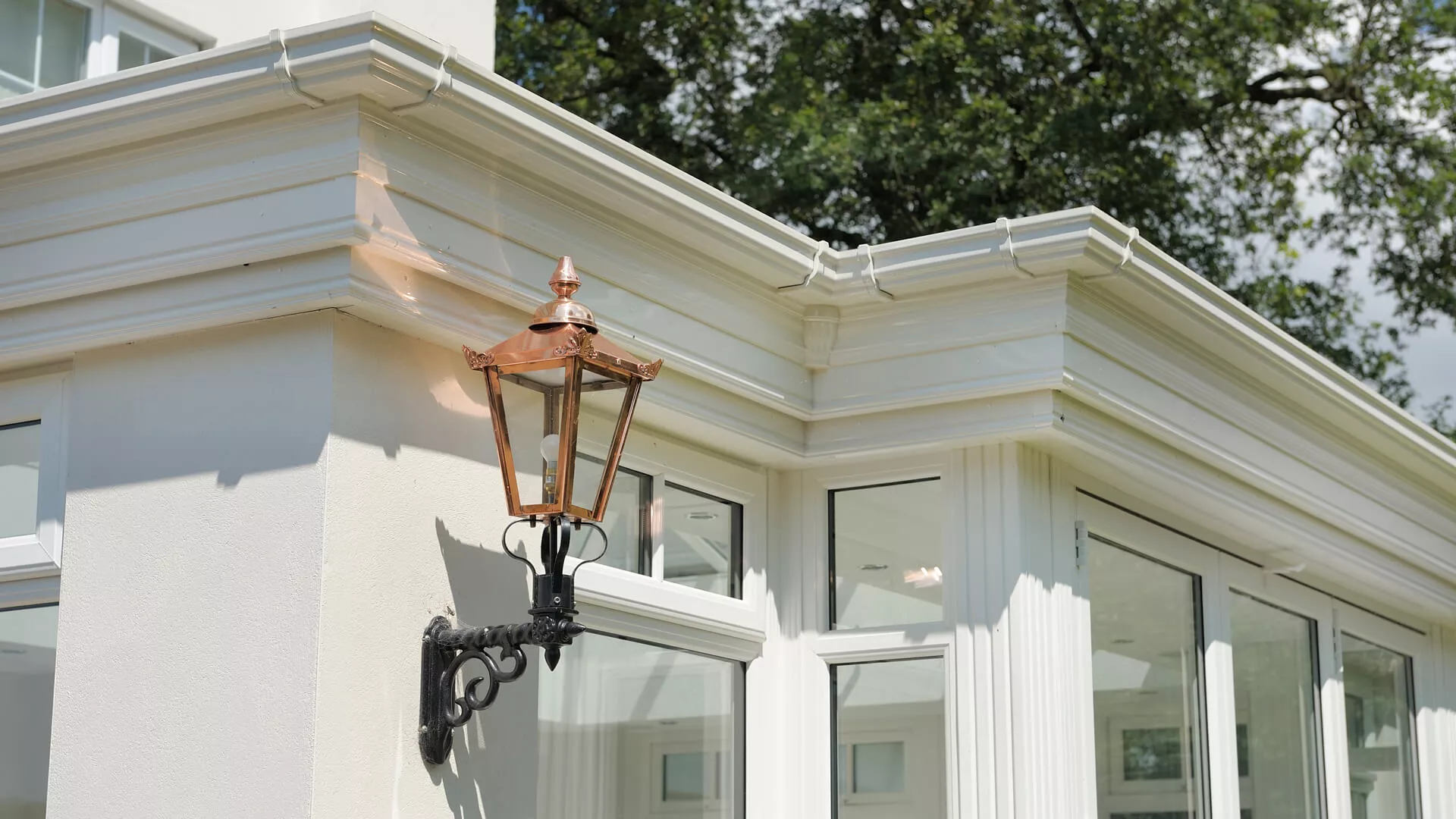
Always seek the help of a professional, like Hazlemere, to coordinate it all, as we are well-qualified to arrange structural calculations and weatherproofing (including flashing), and will see that it conforms to Building Regulations.
What to Check When Picking a Supplier
Appointing an experienced installer with all the important attributes will enhance your chances of benefitting from a roof that performs excellently and has a prolonged conservatory roof lifespan.
- Trustpilot and Google reviews. Research Trustpilot and Google reviews to locate installers with impressive track records of building and bolstering bespoke conservatories.
- Examples of roof projects. After narrowing down installers with a customer review check, look for examples of replacement roof projects they’ve undertaken on their website and social media accounts.
- Accreditations. Ask to be given a rundown of the accreditations they hold to ensure they’re suitably experienced and work to the necessary industry standards.
- Building regulations. Find out if their replacement conservatory roofs meet Building Regulations and get confirmation you’ll receive the required certification.
- Structural appraisal process. Inquire about how they will carry out the structural appraisal process.
- And some final bits of advice. Get details of timescales, what’s included in the guarantee, what materials they’ll use and what level of aftercare is provided.
Conclusion
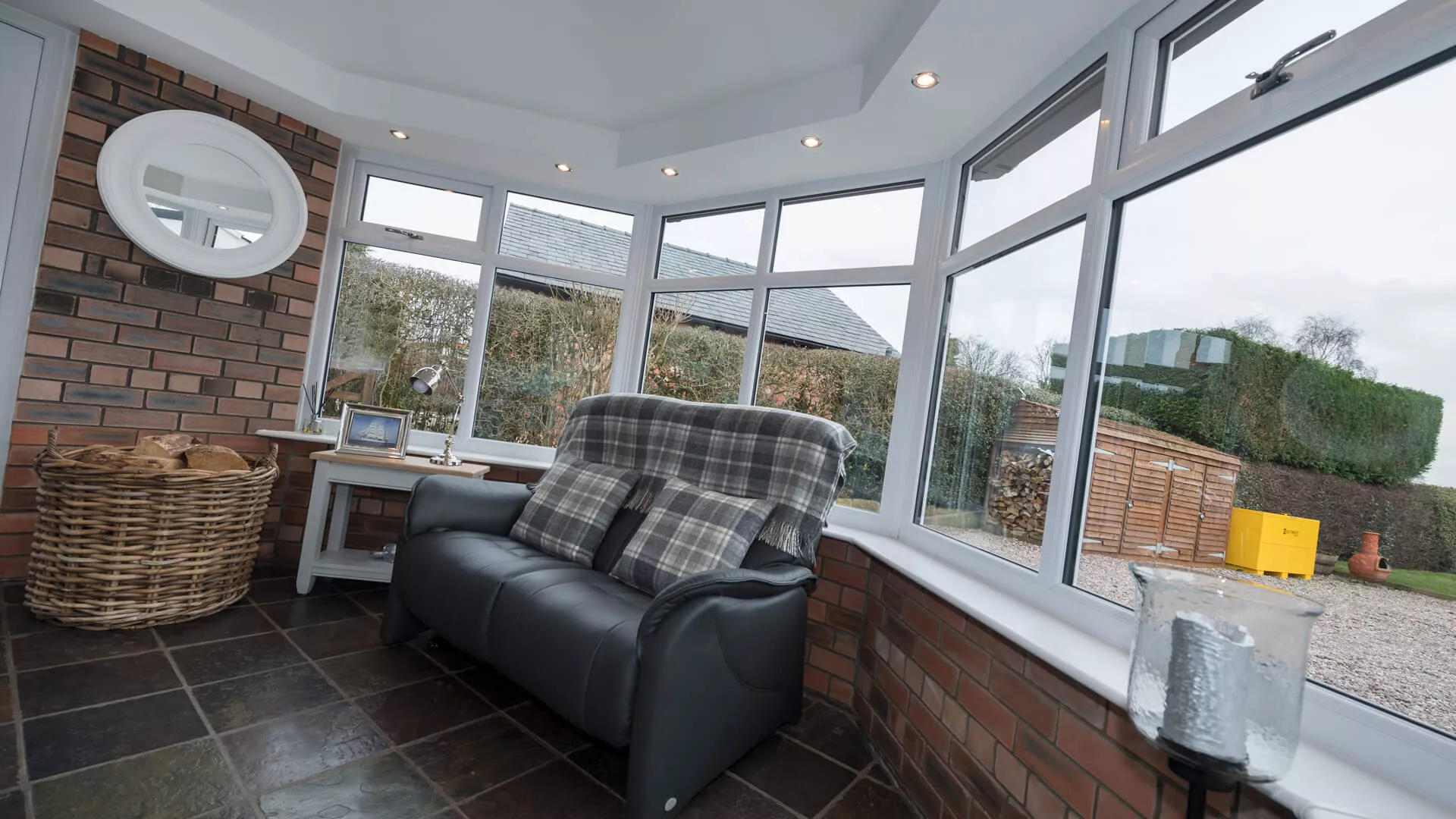
Compared to buying a brand-new conservatory, there’s much less hassle and cost involved in upgrading your living space with a conservatory roof replacement. It will have a resoundingly positive effect on thermal efficiency, restoring comfort to facilitate year-round usability.
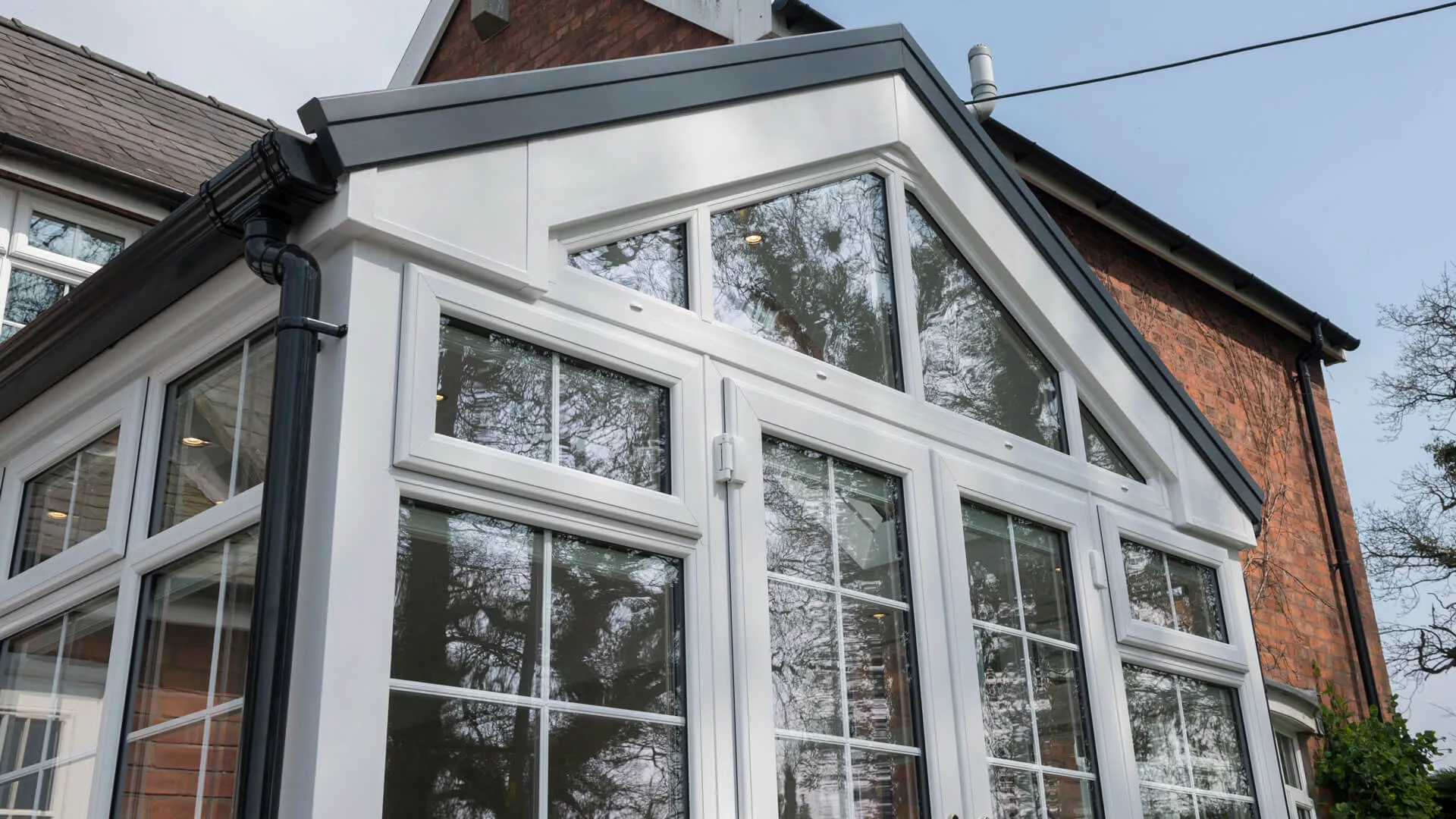
Choosing between a roof lantern, hybrid solution, glass or solid roof comes down to what your priorities are. Hybrid systems offer a different balance of insulation, robustness and light, while solid and glass panels pave the way for customisation and will hugely improve temperature control.
Delay moving forward with an installation until you know it abides permitted guidelines. For the most part, replacement conservatory roofs don’t require planning permission, but they must satisfy Building Regulations, with certification to validate it.
Hazlemere’s fitters are consummate professionals when it comes to management of roof replacement projects. Lock in a date for them to assess your conservatory and see what shape it’s in before equipping it with a new high-performance roof. Ahead of their arrival, catch up on how to clean a conservatory roof.




































REQUEST YOUR FREE QUOTE
Simply fill in your details for your free, no obligation quotation, and click "Get Quote"
Want to speak with an Advisor? Give us a call on 08000 825 825
Our friendly team will be pleased to help with any questions you may have.